Best for App
Edifier NeoBuds Planar Earbuds
4.6 feature score
Highest scored product for this feature based on supporting review evidence.
Highest scored product for this feature based on supporting review evidence.
Balances feature score, supporting reviews, and overall product strength.
Has the broadest review evidence for this feature.
Strongest overall product among items with scored evidence for this feature.
Showing Earbud Headphones only. Switch back to all Headphones & Earbuds anytime.
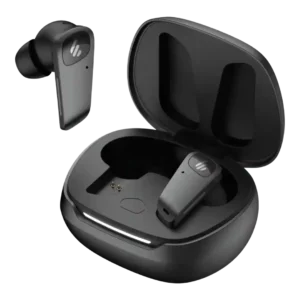
The ConneX app is widely described as useful and feature-rich, even if not every reviewer liked its look or behavior.
Pros: Bluetooth, Codec support
Cons: Spatial audio, Soundstage depth
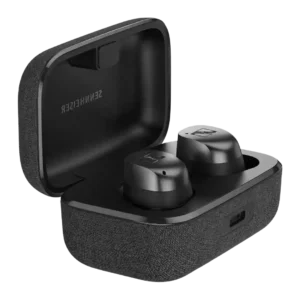
The Smart Control app is widely praised for depth and polish, offering fit tests, customization, updates, and sound tools. The main critique is that it can feel feature-dense or that...
Pros: Codec support, aptX
Cons: Spatial audio, Find My
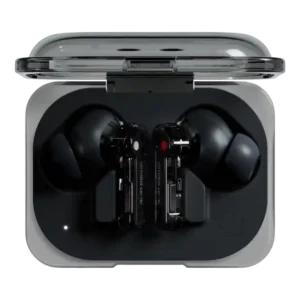
Nothing X is widely praised for being clean, stable, and genuinely useful rather than filler software, adding meaningful value to the overall package.
Pros: Comfort during long use, Software/setup simplicity
Cons: none
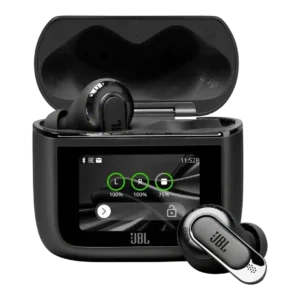
The JBL Headphones app is viewed as central to the experience, enabling firmware updates, mode switching, and deeper personalization. Most find it well organized, though a minority report occasional crashes...
Pros: Dongle, Codec support
Cons: None
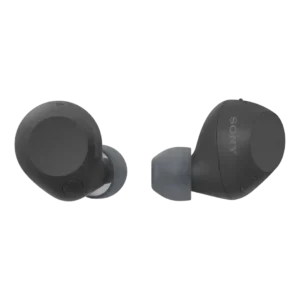
The app is feature-rich and easy to navigate for several reviewers, though one reviewer found it a little basic.
Pros: Weight comfort, Value for money
Cons: aptX, LDAC
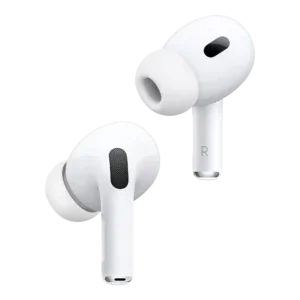
There is no traditional companion app; configuration lives inside iOS/iPadOS settings and feels deep and polished for Apple owners. On Android, feature access and management are reduced, making the experience...
Pros: Portability/foldability, Apple H2 chip support
Cons: aptX, Replaceable battery
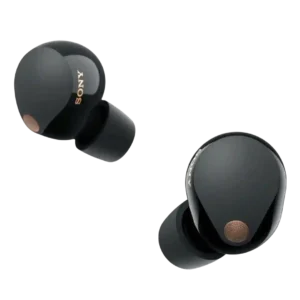
The Sony companion app is feature-rich (firmware, EQ, adaptive sound, 360 features) and often praised, but some find it busy/cluttered or occasionally buggy.
Pros: LDAC, Weight comfort
Cons: aptX, Replaceable battery
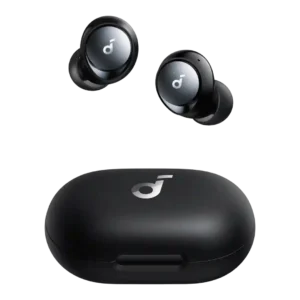
The Soundcore app is a major value add: it is usually described as straightforward, stable, and essential for unlocking features like EQ, control remapping, and firmware.
Pros: USB-C, Charging
Cons: aptX, Sensors
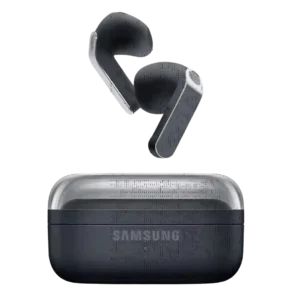
Samsung's settings integration and Wearables app expose useful controls, EQ options, and ANC adjustments. The software feels feature-rich, though some advanced features stay exclusive to Galaxy phones.
Pros: Equalizer customization, Treble clarity
Cons: Noise isolation (passive), Multi-platform compatibility
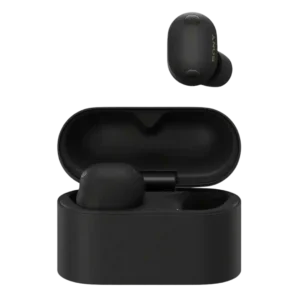
Sony’s Sound Connect app is central to the experience, offering seal tests, device priority, EQ, and many feature toggles. It enables deep customization, but some users want a cleaner, more...
Pros: USB-C, LDAC
Cons: None
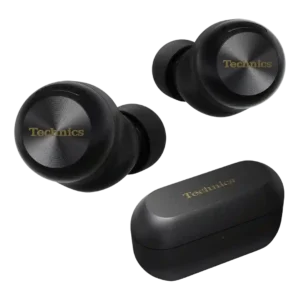
The Technics Audio Connect app is feature-rich (ANC, EQ, multipoint, spatial settings), but some reviews call the interface clunky or menu-heavy.
Pros: Audio-video sync accuracy, USB-C
Cons: aptX, Software/setup simplicity

The Pixel Buds software experience is widely praised, especially on Pixel phones where settings are integrated, with useful tools like fit checks, firmware updates, and clear menus.
Pros: Android compatibility, Portability/foldability
Cons: aptX, LDAC
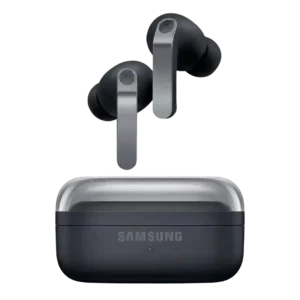
The Galaxy Wearable experience is feature-rich and useful, but several reviews note that the best tools remain most valuable on Samsung devices.
Pros: Comfort during long use, Water/sweat resistance rating
Cons: Multipoint connectivity reliability, Audio-video sync accuracy
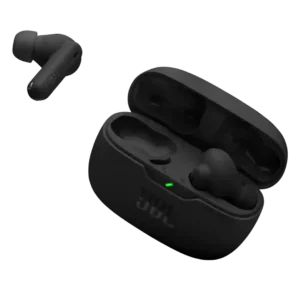
The JBL Headphones app adds meaningful value through control changes, EQ, ambient settings, video mode, and other feature controls.
Pros: Software/setup simplicity, Multi-platform compatibility
Cons: Microphone noise reduction, Sound leakage
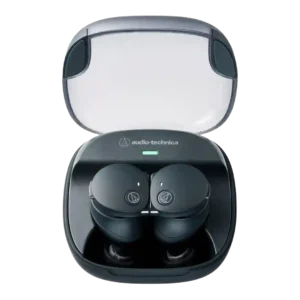
The Connect app is feature-rich (EQ, noise modes, codec selection, updates, extras like soundscapes and ear-profile tools) and is generally reported as stable.
Pros: Battery, USB-C
Cons: Sensors, Voice assistant integration
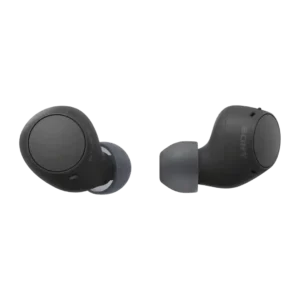
The Sony companion app is generally viewed as helpful for EQ, ambient controls, multipoint management, and feature toggles; a few reviewers find parts of the interface or specific tools confusing...
Pros: Weight comfort, Audio-video sync accuracy
Cons: Active noise cancellation effectiveness, aptX

The HeyMelody app (or OnePlus system settings) delivers broad control over modes, EQ, and features. Experiences range from polished and fast to occasionally glitchy, especially when the app fails to...
Pros: Volume output, Water/sweat resistance rating
Cons: LDAC, Smudge resistance
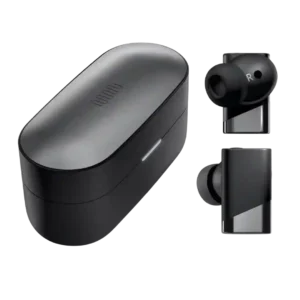
The Status Hub app is generally seen as clean and useful for EQ and features, though some reviewers flag firmware/update hiccups or missing toggles for certain behaviors.
Pros: Codec support, Sound quality
Cons: aptX, Noise cancellation adjustability
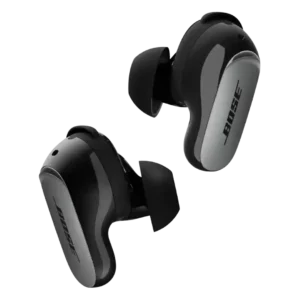
The Bose app is generally seen as essential and functional for modes, device management, and settings, though some workflows (like mode creation) can feel limited or slightly confusing.
Pros: Active noise cancellation effectiveness, Android compatibility
Cons: Preset EQ profile quality, Equalizer customization
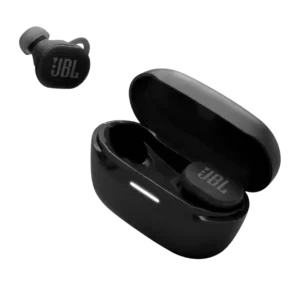
The JBL app adds meaningful tuning options, sports modes, and control customization, but several reviewers found some mode behavior inconvenient or not especially impactful.
Pros: Stability, Water/sweat resistance rating
Cons: Voice assistant integration, Find My
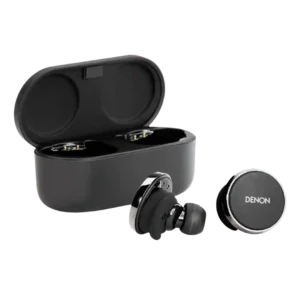
The companion app is feature-rich for personalization, EQ, control mapping, and updates, but some sources mention slow loading or occasional instability, and several note it is effectively required to get...
Pros: aptX, USB-C
Cons: LDAC, Noise cancellation adjustability
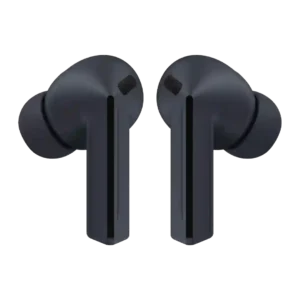
The Samsung Wearable/settings integration is portrayed as essential for unlocking key features like EQ, ANC/ambient tuning, firmware updates, Find My, and AI features. iOS support is repeatedly called very limited...
Pros: Volume output, Noise isolation (passive)
Cons: Multipoint connectivity reliability, aptX
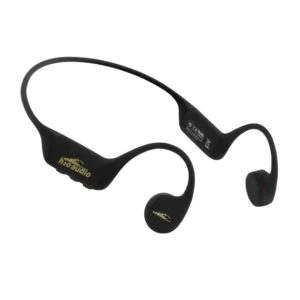
The app is useful for firmware, library management, and Playlist+ tasks, but it is basic rather than feature rich and can feel awkward compared with more polished headphone apps.
Pros: Water/sweat resistance rating, Weight comfort
Cons: Multipoint connectivity reliability, Equalizer customization
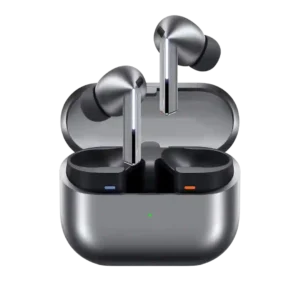
The Galaxy Wearable app unlocks core features like EQ, noise modes, and Find My tools. Reviews repeatedly warn that iPhone support is limited and some features are Samsung-only.
Pros: Water/sweat resistance rating, Android compatibility
Cons: aptX, LDAC
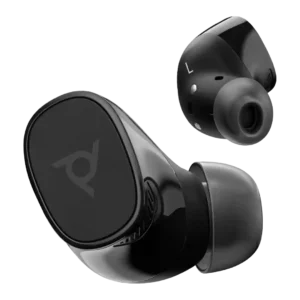
Poly Lens is described as feature-rich for settings, fit tests, firmware updates, and device tools like location features. Several note the desktop app experience is more limited than mobile.
Pros: Audio-video sync accuracy, Instrument separation
Cons: Spatial audio, Smudge resistance
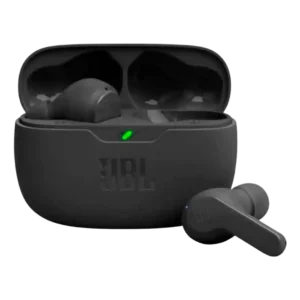
The app adds useful controls and VoiceAware customization, but one reviewer had trouble getting the app to recognize the earbuds.
Pros: Charging, Battery
Cons: Active noise cancellation, Multipoint connectivity reliability
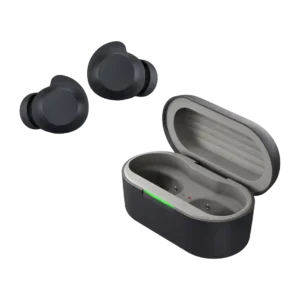
App support is generally a strength thanks to EQ, ANC and control customization, but one short review says the app still feels lacking.
Pros: USB-C, Portability/foldability
Cons: aptX, LDAC
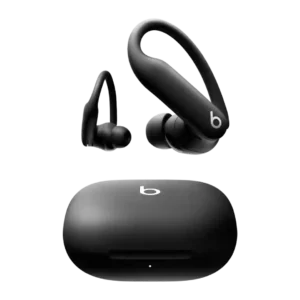
On iOS, many controls live in system settings; on Android, the Beats app covers essentials like modes, customization, and updates, but experiences vary depending on how much you care about...
Pros: Audio-video sync accuracy, USB-C
Cons: aptX, LDAC

There is no standalone AirPods app in the traditional sense; most controls live in Apple’s Settings on iOS. This works well for Apple users but offers little for Android users...
Pros: USB-C, Apple H2 chip support
Cons: aptX, LDAC
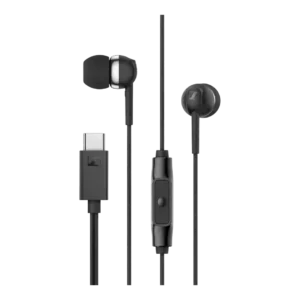
There is no companion app, which is typical for wired earbuds but still limits customization and feature depth.
Pros: Software/setup simplicity, Built-in DAC and hi-res playback
Cons: Equalizer customization, Water/sweat resistance rating