Best for Equalizer customization
Nothing Headphone (1)
4.8 feature score
Highest scored product for this feature based on supporting review evidence.
Highest scored product for this feature based on supporting review evidence.
Balances feature score, supporting reviews, and overall product strength.
Has the broadest review evidence for this feature.
Strongest overall product among items with scored evidence for this feature.
Showing Over-Ear Headphones only. Switch back to all Headphones & Earbuds anytime.
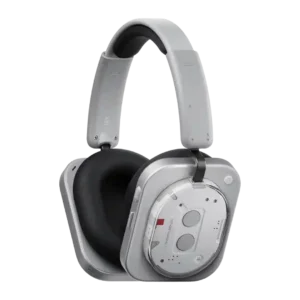
EQ customization is a defining strength: multiple reviews highlight an advanced, multi-band/parametric-style EQ (often with Q control) plus shareable presets/QR codes.
Pros: LDAC, Equalizer customization
Cons: Replaceable battery, Sustainability materials
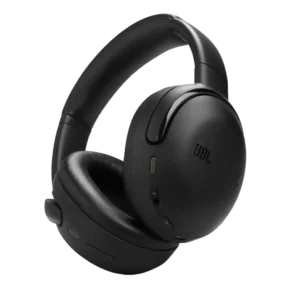
EQ customization is a strength, with reviewers highlighting powerful adjustment tools including 10-band controls.
Pros: Battery, Connectivity options
Cons: Water/sweat resistance rating, Replaceable earpads
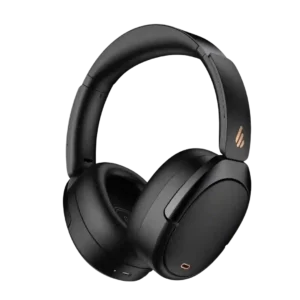
The EQ tools include detailed gain and Q-factor adjustment.
Pros: Microphone quality for calls, Comfort during long use
Cons: aptX, Water/sweat resistance rating
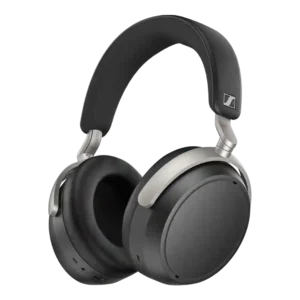
Equalizer tools are a highlight: a five-band parametric EQ with A/B bypass enables precise tuning that can meaningfully tailor bass and treble without third-party apps.
Pros: Battery, Equalizer customization
Cons: Xbox compatibility, Water/sweat resistance rating

EQ customization is a major strength, with both presets and custom tuning available, though one recurring complaint is reduced output in custom EQ.
Pros: USB-C, Award recognition
Cons: Water/sweat resistance rating, Sidetone adjustment quality
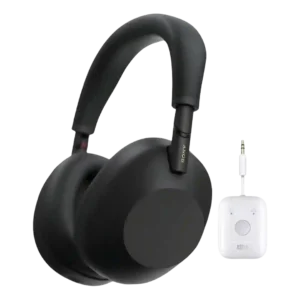
EQ tools are a major strength, with a full 10-band EQ and guided tuning features that help users dial bass, mids and treble to taste.
Pros: Active noise cancellation effectiveness, Weight comfort
Cons: Water/sweat resistance rating, Replaceable battery
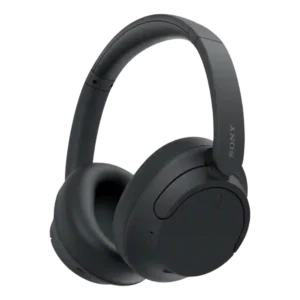
EQ control is frequently praised as effective, with several reviewers recommending EQ tweaks to reduce treble fatigue or rebalance bass/mids.
Pros: USB-C, Weight comfort
Cons: aptX, Water/sweat resistance rating

EQ customization is strong, with custom eight-band EQ, HearID, and meaningful tuning tools repeatedly mentioned.
Pros: Bluetooth version, Battery
Cons: Water/sweat resistance rating, Wind noise handling
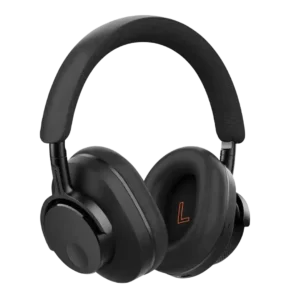
EQ control is repeatedly called effective and highly responsive, enabling meaningful tuning changes; a minor recurring gripe is limited granularity/labeling of EQ steps.
Pros: Battery, Replaceable battery
Cons: LDAC, Water/sweat resistance rating
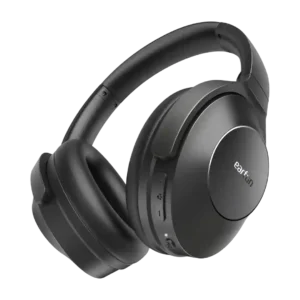
EQ customization is one of the standout features, with custom tuning, hearing-test tools, and flexible sliders frequently cited as essential to getting the best sound.
Pros: Bluetooth connectivity stability, Comfort during long use
Cons: Included accessories, Cable quality
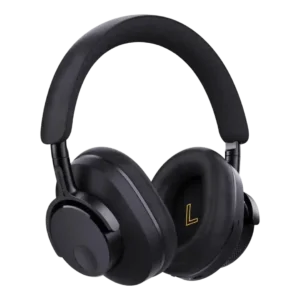
The 7-band EQ is a consistent highlight, offering meaningful tuning control and the ability to save custom curves, though at least one review notes limited labeling or guidance.
Pros: Replaceable earpads, Replaceable battery
Cons: Water/sweat resistance rating, Touch control responsiveness
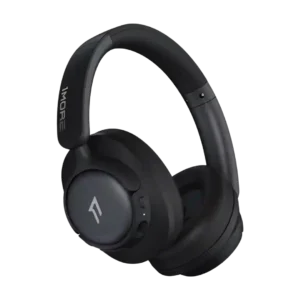
EQ control is a strong feature. The app offers multiple presets and, in several reviews, a custom EQ that makes it easier to tune the sound to taste.
Pros: Battery, Charging
Cons: Carry case quality, Sensors
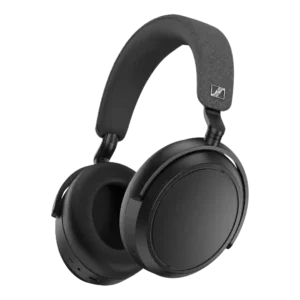
EQ customization is a meaningful strength across reviews, commonly used to tame bass, refine mids, or personalize the overall signature without major distortion issues.
Pros: Battery, aptX
Cons: LDAC, Water/sweat resistance rating
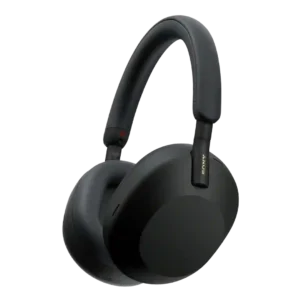
EQ is a key strength: the app provides useful adjustment that can meaningfully transform the tonal balance, and many reviewers treat basic EQ as essential to getting the best sound.
Pros: Active noise cancellation effectiveness, Weight comfort
Cons: aptX, Water/sweat resistance rating
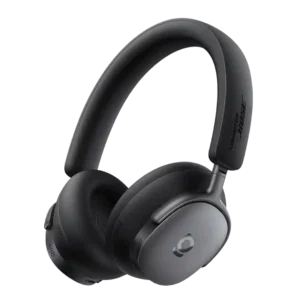
EQ customization is a highlight with multiple presets, an 8-band EQ, and some personalization tools, though stability of custom EQ varies by reviewer.
Pros: Battery, Charging
Cons: Sensors, Wired connection sound quality
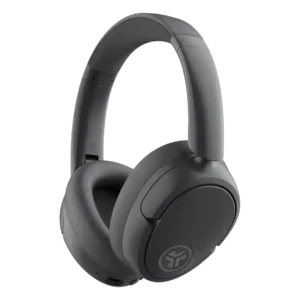
EQ customization is a major strength: a 10-band EQ and custom profiles help tame the stock tuning (bass/treble emphasis) and adapt the sound to taste.
Pros: Battery, Cable quality
Cons: aptX, LDAC
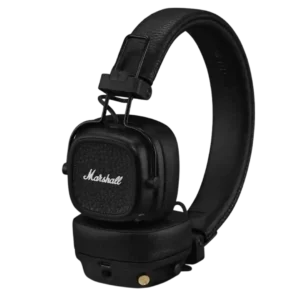
EQ customization was a common positive, with five-band custom EQ and presets mentioned across reviews.
Pros: Battery, Connectivity options
Cons: Active noise cancellation, Transparency mode quality
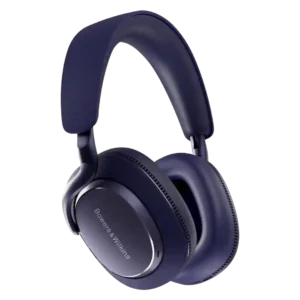
The 5-band EQ is widely welcomed as a major improvement over earlier B&W EQ options and is enough to correct stock tuning. Several reviews still consider it limited versus more...
Pros: aptX, Multipoint connectivity reliability
Cons: Replaceable battery, LDAC
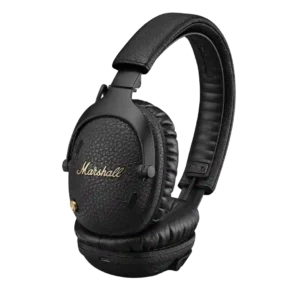
The 5-band EQ is responsive and helpful for tailoring the signature sound, though it is not as granular as more advanced EQ systems.
Pros: Battery, Clamping force comfort
Cons: aptX, LDAC

EQ is helpful and usable, but the five-band structure is repeatedly described as limited compared with fuller parametric options.
Pros: Build quality, Instrument separation
Cons: LDAC, Touch control responsiveness

EQ customization is available via the app, including user presets; one reviewer appreciates the flexibility but notes the Sound Field effects can override EQ choices.
Pros: Weight comfort, Audio-video sync accuracy
Cons: Active noise cancellation effectiveness, Noise cancellation adjustability
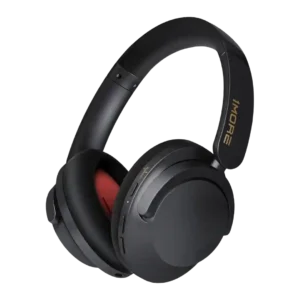
EQ customization is a major upside, with multi-band custom EQ and genre-style options; it is frequently used to tame bass and improve mid/treble balance.
Pros: Battery, USB-C
Cons: aptX, Water/sweat resistance rating
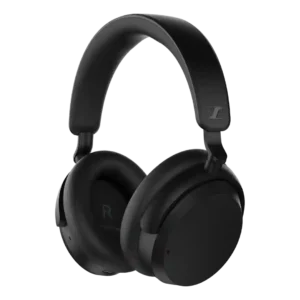
The 5-band EQ is frequently credited with improving the sound, especially by taming bass and lifting vocals. A couple of reviewers dislike how EQ changes can alter overall level or...
Pros: Audio-video sync accuracy, USB-C
Cons: Water/sweat resistance rating, Carry case quality
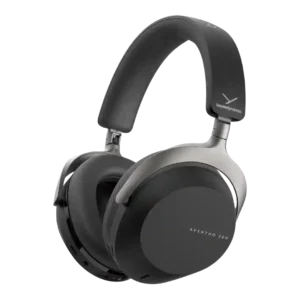
EQ options center on a 5-band equalizer and presets; many appreciate the control, but measurement-focused reviewers argue it is not granular enough to correct all issues.
Pros: aptX, Battery
Cons: Frequency response accuracy, Clamping force comfort
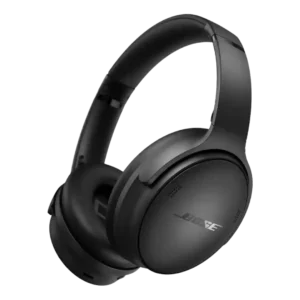
EQ customization is usually described as limited (often a simple multi-band setup), but still helpful for reducing bass or smoothing treble; power users may want more granular control.
Pros: Volume output, Weight comfort
Cons: aptX, LDAC
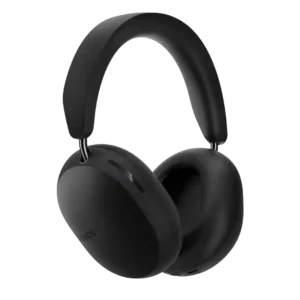
EQ customization is frequently described as basic, often limited to simple bass and treble adjustments. It helps fine-tune warmth but is less flexible than multi-band EQs offered by several competitors.
Pros: USB-C, Replaceable earpads
Cons: Water/sweat resistance rating, Cable quality
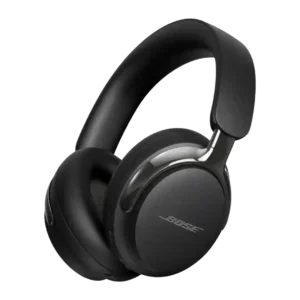
EQ control is repeatedly called out as limited (a simple 3-band slider), good for small tweaks but not ideal for listeners who want granular tuning.
Pros: Android compatibility, Multi-platform compatibility
Cons: Water/sweat resistance rating, Dongle
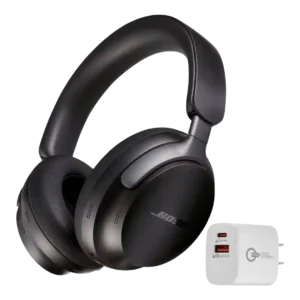
EQ is available but limited (often described as a 3-band slider with modest sensitivity), so deep tuning is not a strength.
Pros: Volume output, Comfort during long use
Cons: Water/sweat resistance rating, USB-C

A recurring complaint is the lack of a true adjustable EQ for wireless listening. Most reviewers say you are largely stuck with the default tuning unless you use external system...
Pros: Design and Aesthetics, Multi-platform compatibility
Cons: aptX, LDAC

Lack of a full user EQ is a recurring complaint; Adaptive EQ and a few iOS presets exist but do not replace a real EQ.
Pros: Hinge durability, Transparency mode quality
Cons: aptX, LDAC

Custom EQ is a consistent limitation; reviewers repeatedly note there is no true manual EQ.
Pros: Premium feel, Award recognition
Cons: aptX, LDAC
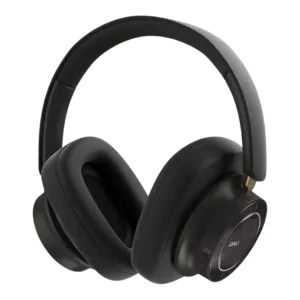
Without an app, EQ customization is not available beyond onboard preset modes, which limits personalization compared with mainstream flagship wireless headphones.
Pros: Maximum volume clarity, Replaceable earpads
Cons: App, Equalizer customization