Best for Equalizer customization
Samsung Galaxy Buds 4
4.7 feature score
Highest scored product for this feature based on supporting review evidence.
Highest scored product for this feature based on supporting review evidence.
Balances feature score, supporting reviews, and overall product strength.
Has the broadest review evidence for this feature.
Strongest overall product among items with scored evidence for this feature.
Showing Earbud Headphones only. Switch back to all Headphones & Earbuds anytime.
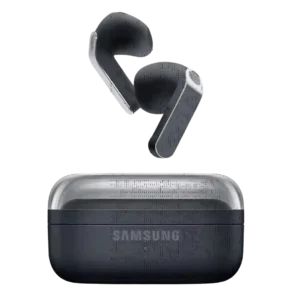
EQ flexibility is unusually strong for mainstream earbuds, with both a multi-band equalizer and preset options available. This gives listeners real room to tailor the sound signature.
Pros: Equalizer customization, Treble clarity
Cons: Noise isolation (passive), Multi-platform compatibility
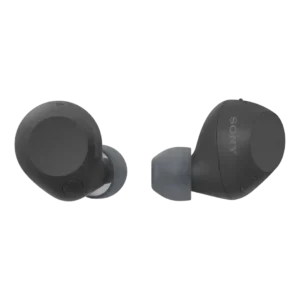
Reviews consistently highlight adjustable EQ options, including presets, custom tuning, and guided personalization tools.
Pros: Weight comfort, Value for money
Cons: aptX, LDAC
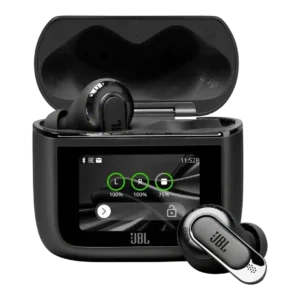
EQ and tuning tools are among the strongest in-class, with multiple presets plus advanced multi-band EQ and Personi-Fi hearing personalization. Reviewers frequently cite these controls as the key to tailoring...
Pros: Dongle, Codec support
Cons: None
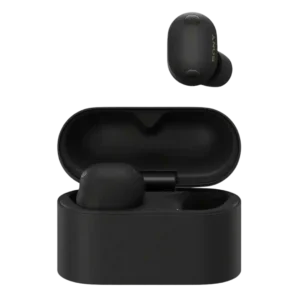
The 10-band EQ is widely praised for giving meaningful control over the sound, including taming bright treble or tuning bass. Find My EQ-style tools and presets make it approachable for...
Pros: USB-C, LDAC
Cons: None
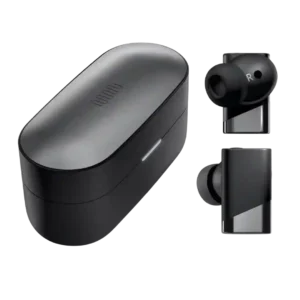
EQ customization is a major strength, with an 8-band EQ and advanced tweaking options that let users significantly reshape the sound.
Pros: Codec support, Sound quality
Cons: aptX, Noise cancellation adjustability
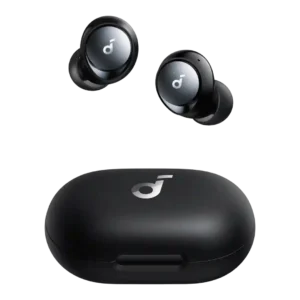
EQ customization is one of the standout features, with extensive presets plus custom multi-band control and HearID-style personalization that can noticeably refine mids/highs and bass balance.
Pros: USB-C, Charging
Cons: aptX, Sensors
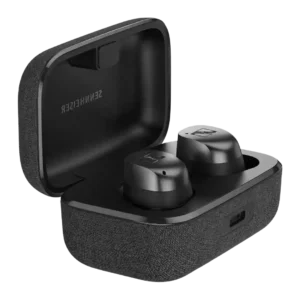
EQ tools are considered effective for shaping the sound, and many reviewers recommend using them to tailor bass or clarity. A few power users want a more advanced EQ than...
Pros: Codec support, aptX
Cons: Spatial audio, Find My
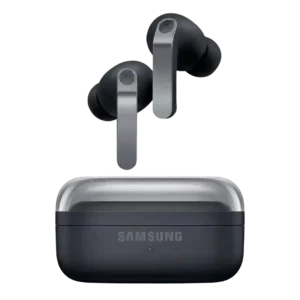
EQ customization is a clear strength, with reviewers frequently praising the custom bands and the ability to tune the sound away from the stock profile.
Pros: Comfort during long use, Water/sweat resistance rating
Cons: Multipoint connectivity reliability, Audio-video sync accuracy
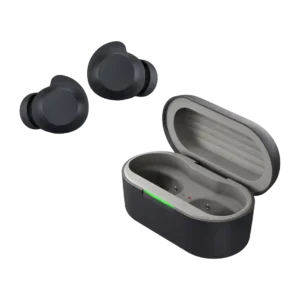
EQ customization is a major strength, with multiple reviews highlighting custom tuning tools and flexible adjustment.
Pros: USB-C, Portability/foldability
Cons: aptX, LDAC
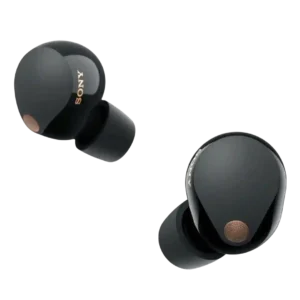
EQ customization is a major strength (including Clear Bass controls and guided EQ tools), though it is not as advanced as full parametric EQ systems.
Pros: LDAC, Weight comfort
Cons: aptX, Replaceable battery
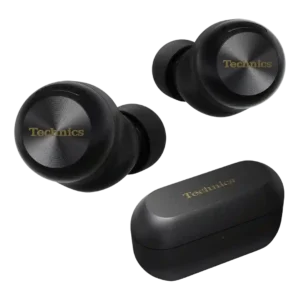
EQ customization is a strength, often cited as an 8-band EQ plus presets that can significantly change the sound.
Pros: Audio-video sync accuracy, USB-C
Cons: aptX, Software/setup simplicity
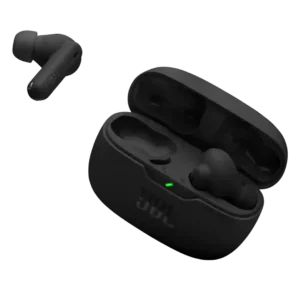
EQ customization is a clear strength because reviewers repeatedly mention presets and user-created EQ profiles.
Pros: Software/setup simplicity, Multi-platform compatibility
Cons: Microphone noise reduction, Sound leakage
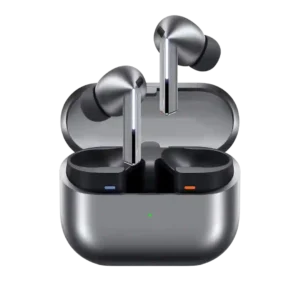
EQ options are unusually deep for mainstream earbuds, with a 9-band equalizer and presets called out as a major advantage for tuning the sound.
Pros: Water/sweat resistance rating, Android compatibility
Cons: aptX, LDAC
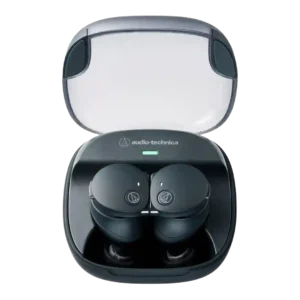
EQ customization is a highlight, offering a five-band EQ and useful adjustments to tailor bass/vocals and overall balance.
Pros: Battery, USB-C
Cons: Sensors, Voice assistant integration
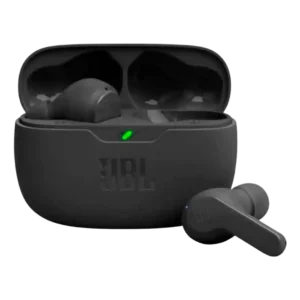
EQ customization is a clear feature strength, with reviewers citing app EQ, presets, and adjustable EQ levels.
Pros: Charging, Battery
Cons: Active noise cancellation, Multipoint connectivity reliability
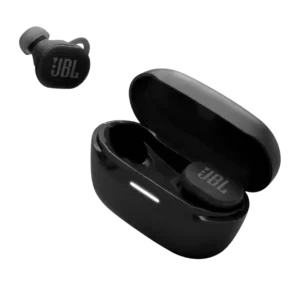
EQ customization is a real plus, letting users add extra bass or adjust the sound for workouts without needing third-party tools.
Pros: Stability, Water/sweat resistance rating
Cons: Voice assistant integration, Find My

EQ support is a major strength: multiple presets plus a custom multi-band EQ are widely praised for meaningful tuning, though a minority say changes can feel subtle depending on the...
Pros: Volume output, Water/sweat resistance rating
Cons: LDAC, Smudge resistance
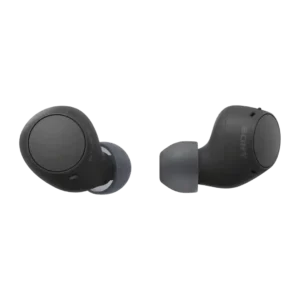
EQ customization is consistently highlighted as a value-add, including manual adjustment and Sony-guided personalization tools. Some reviews call the EQ limited in precision, while others find it effective for tuning...
Pros: Weight comfort, Audio-video sync accuracy
Cons: Active noise cancellation effectiveness, aptX
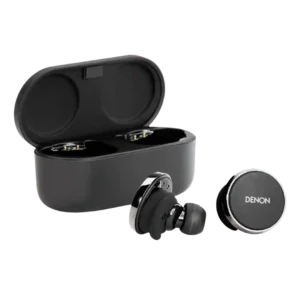
EQ options are strong for the category, typically including a 5-band ProEQ plus an Immersion bass slider to fine-tune tonality after personalization.
Pros: aptX, USB-C
Cons: LDAC, Noise cancellation adjustability
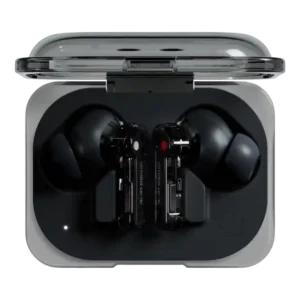
EQ options are helpful and easy to use, but customization depth is limited versus pricier models because the Ear (a) relies on a simpler 3-band approach.
Pros: Comfort during long use, Software/setup simplicity
Cons: none

EQ customization is solid for the category with a simple multi-band EQ and presets, but power users may want more advanced or fully parametric control.
Pros: Android compatibility, Portability/foldability
Cons: aptX, LDAC
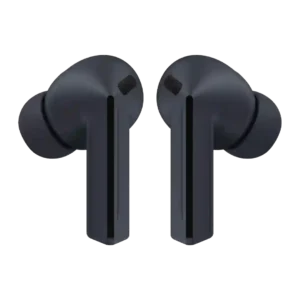
Reviews commonly mention multiple EQ presets plus a custom multi-band EQ (often described as 9-band) to tailor sound. Some note the absence of certain personalized tuning tests found on competitors.
Pros: Volume output, Noise isolation (passive)
Cons: Multipoint connectivity reliability, aptX
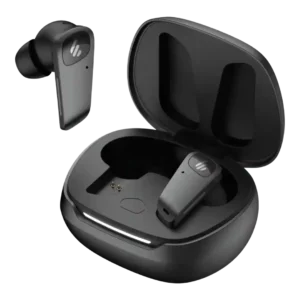
The EQ offers real customization, but several reviews say it is limited, technical, or less effective than expected.
Pros: Bluetooth, Codec support
Cons: Spatial audio, Soundstage depth
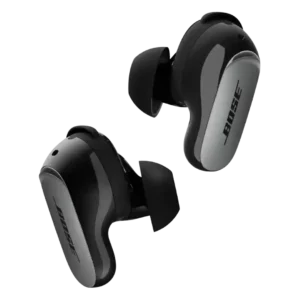
EQ customization is a frequent criticism: it is typically described as a basic 3-band tool with limited precision, which may frustrate listeners trying to meaningfully reshape the tuning.
Pros: Active noise cancellation effectiveness, Android compatibility
Cons: Preset EQ profile quality, Equalizer customization
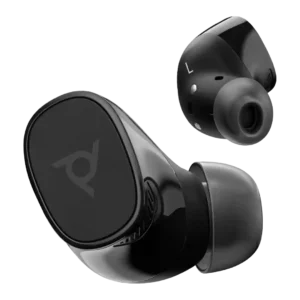
EQ customization is a common criticism: multiple sources mention limited control beyond basic options, with some suggesting post-launch updates added more tuning but still not matching full-feature rivals.
Pros: Audio-video sync accuracy, Instrument separation
Cons: Spatial audio, Smudge resistance

A consistent complaint is the lack of a true manual EQ: most tuning is handled by Adaptive EQ and limited iOS options rather than adjustable bands. Several reviewers contrast this...
Pros: Portability/foldability, Apple H2 chip support
Cons: aptX, Replaceable battery

Lack of a proper user EQ is one of the most repeated complaints, especially from listeners who dislike the default tuning. Workarounds exist via iOS settings, but they do not...
Pros: USB-C, Apple H2 chip support
Cons: aptX, LDAC
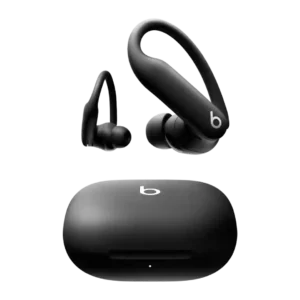
A recurring complaint is the lack of a true user EQ; you largely live with Beats/Apple tuning plus Adaptive EQ, which frustrates listeners who want to fine-tune bass/treble.
Pros: Audio-video sync accuracy, USB-C
Cons: aptX, LDAC
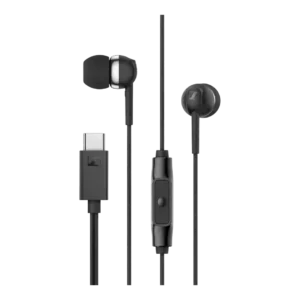
There is effectively no EQ customization here, so users cannot tailor the sound profile beyond tip choice and source settings.
Pros: Software/setup simplicity, Built-in DAC and hi-res playback
Cons: Equalizer customization, Water/sweat resistance rating
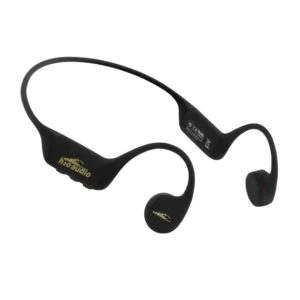
EQ tuning is essentially missing, so you are mostly stuck with the default sound signature.
Pros: Water/sweat resistance rating, Weight comfort
Cons: Multipoint connectivity reliability, Equalizer customization