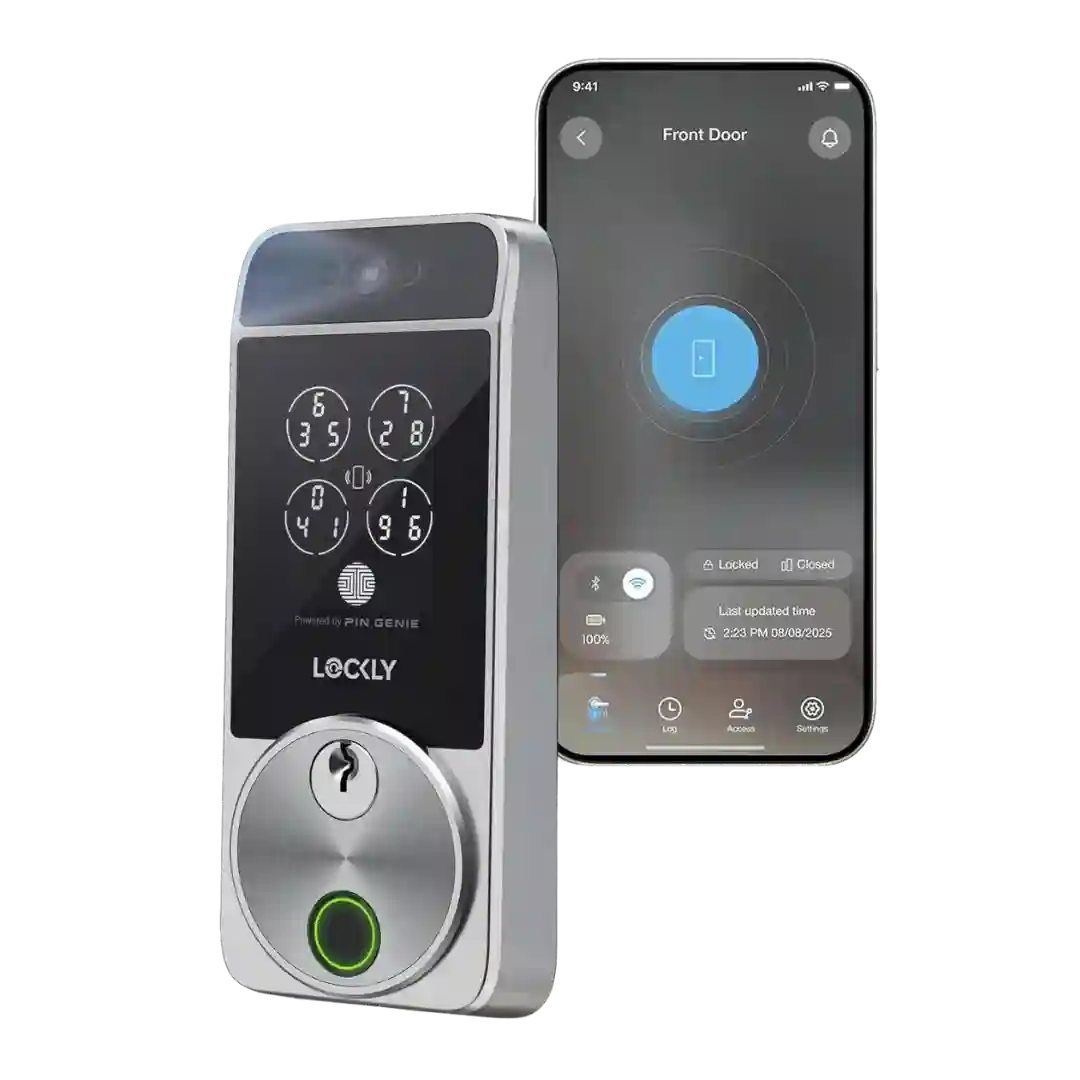
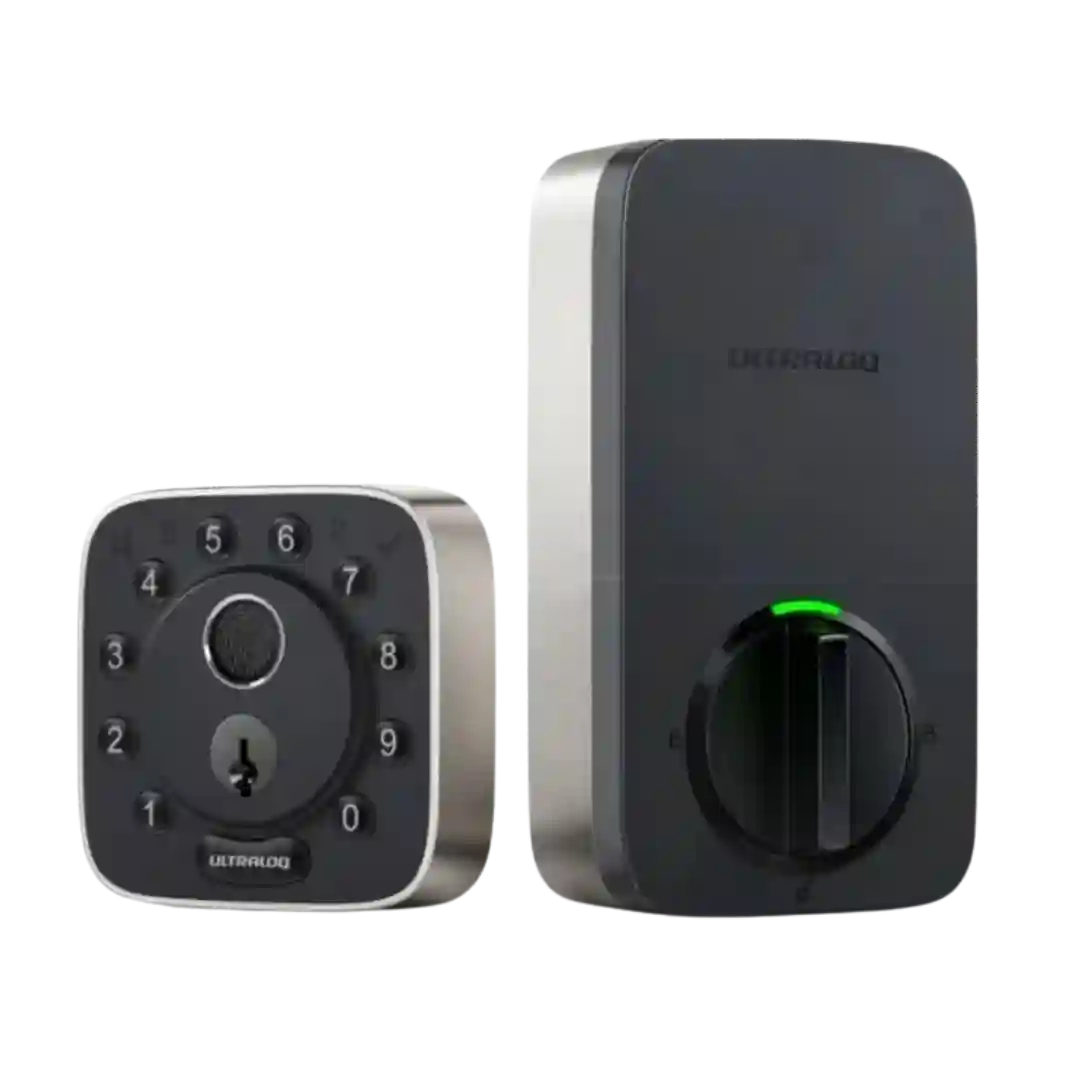
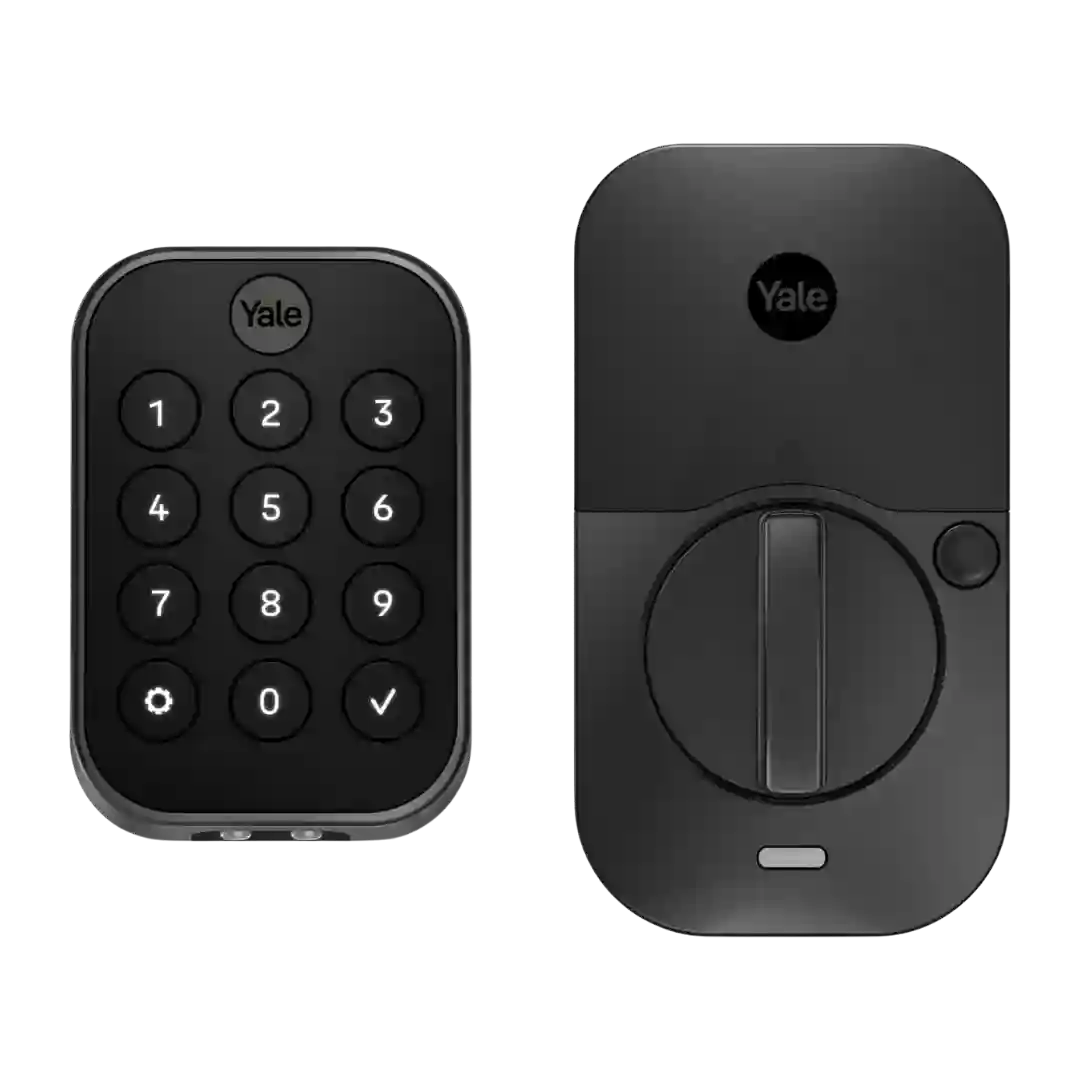
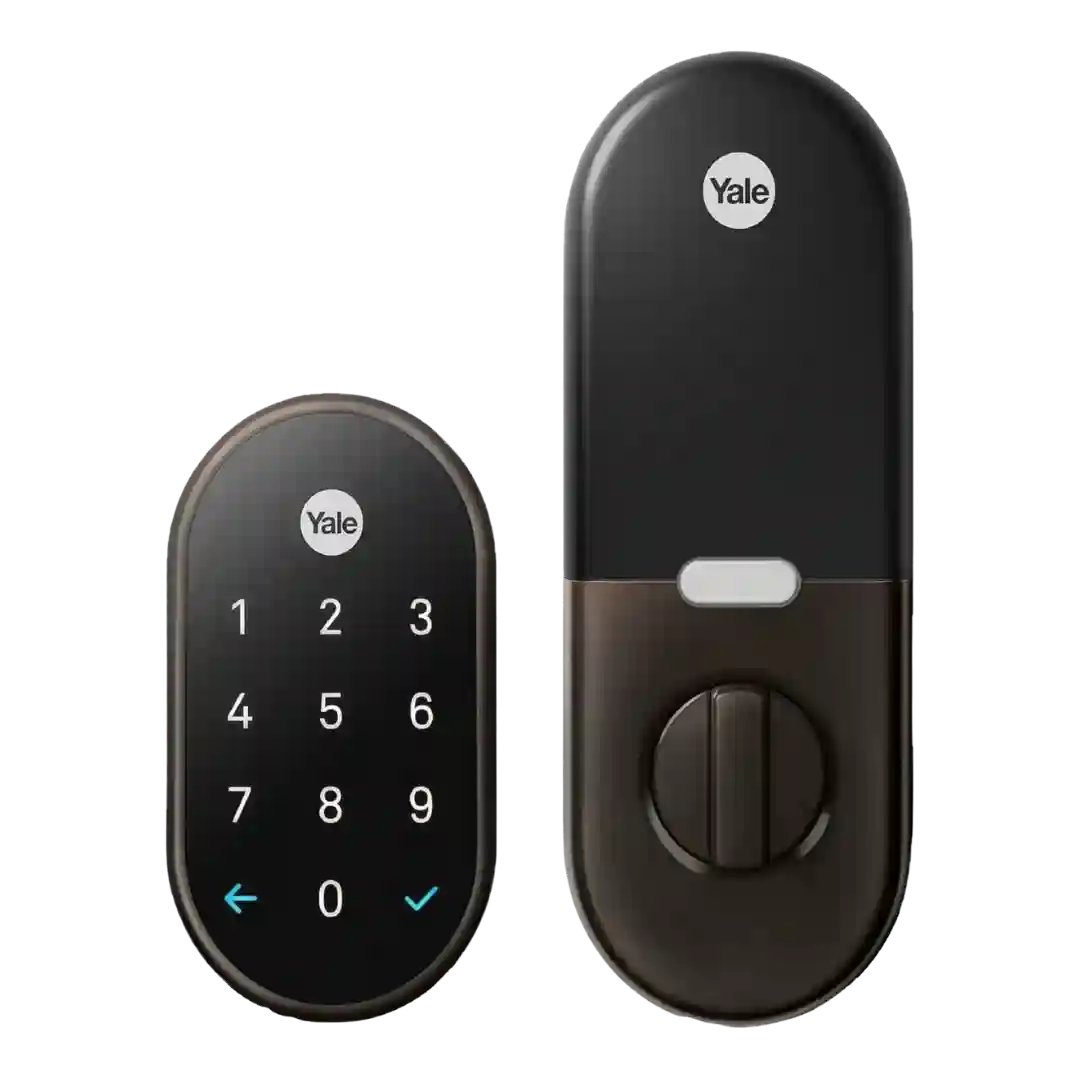
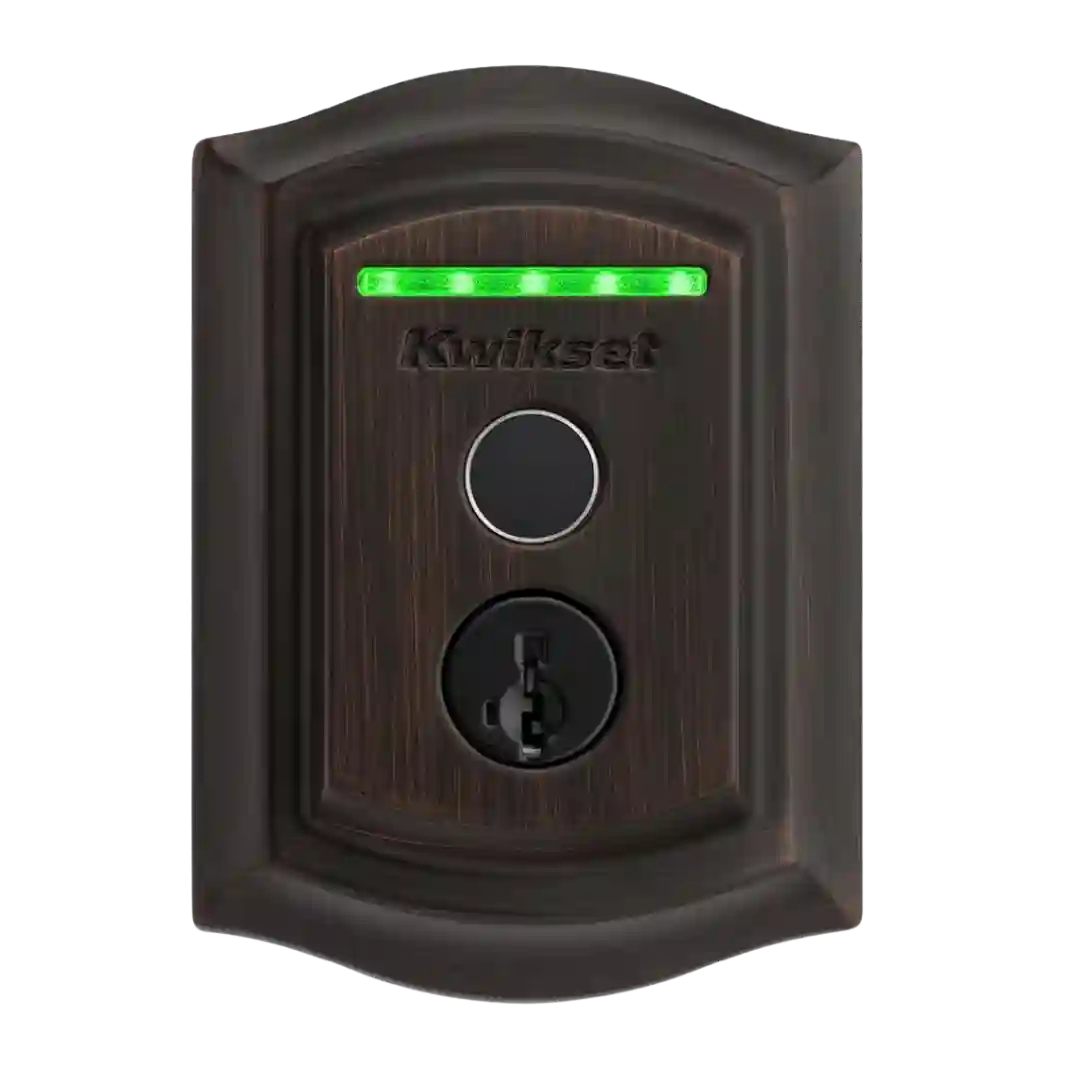
Across reviews, the standout benefit is true retrofit design: the lock keeps the exterior hardware unchanged and preserves your existing key access, which is especially appealing for renters and anyone avoiding re-keying.
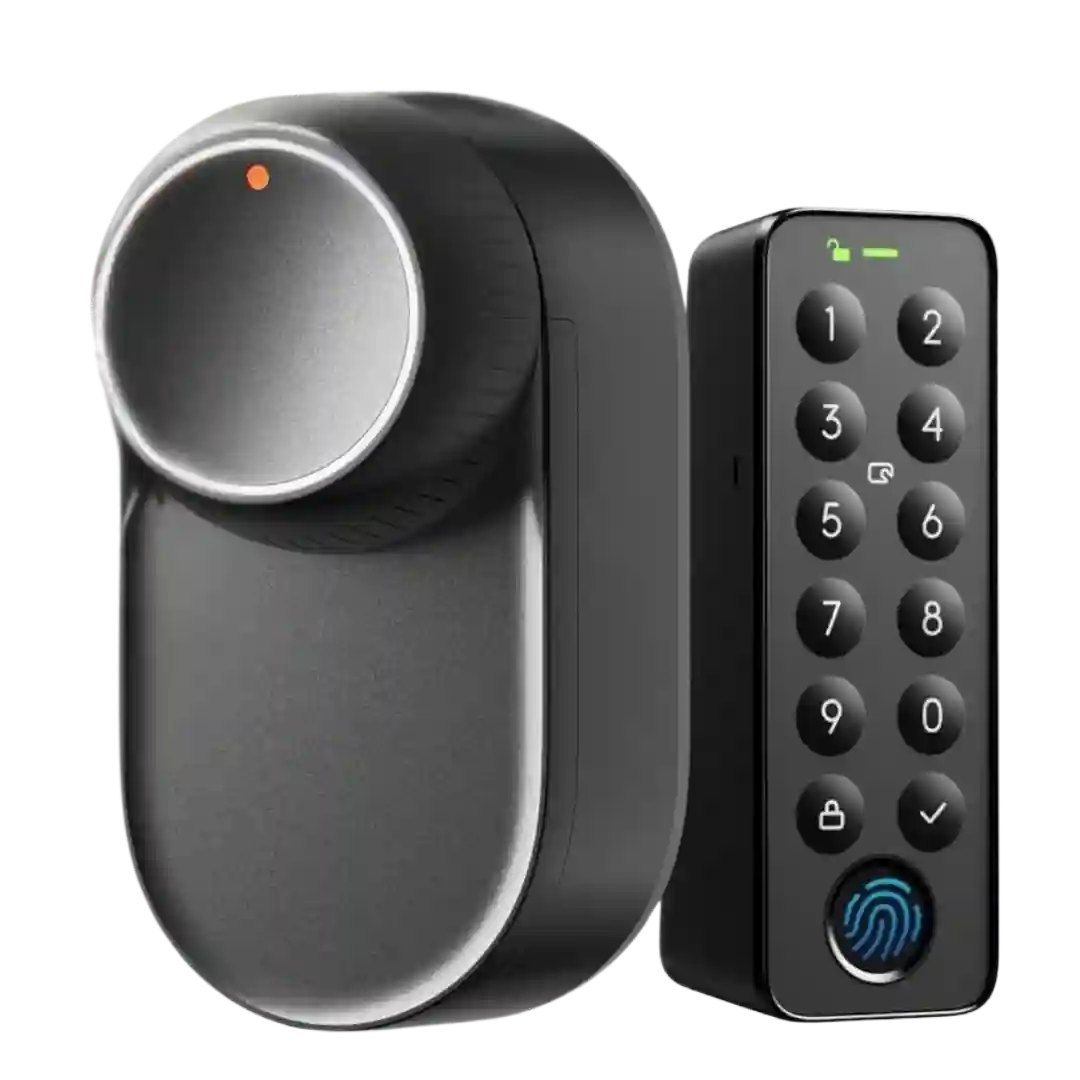
Across reviews, the retrofit design is a standout: it replaces only the interior thumb-turn so you can keep your existing deadbolt, exterior look, and physical keys, which is especially appealing for renters and shared access situations.
A core strength is keeping the existing exterior cylinder and keys, which reviewers call ideal for renters or anyone preserving curb appeal. Because it’s interior-only, reliable outside entry typically improves most when paired with a keypad (or other SwitchBot accessories).
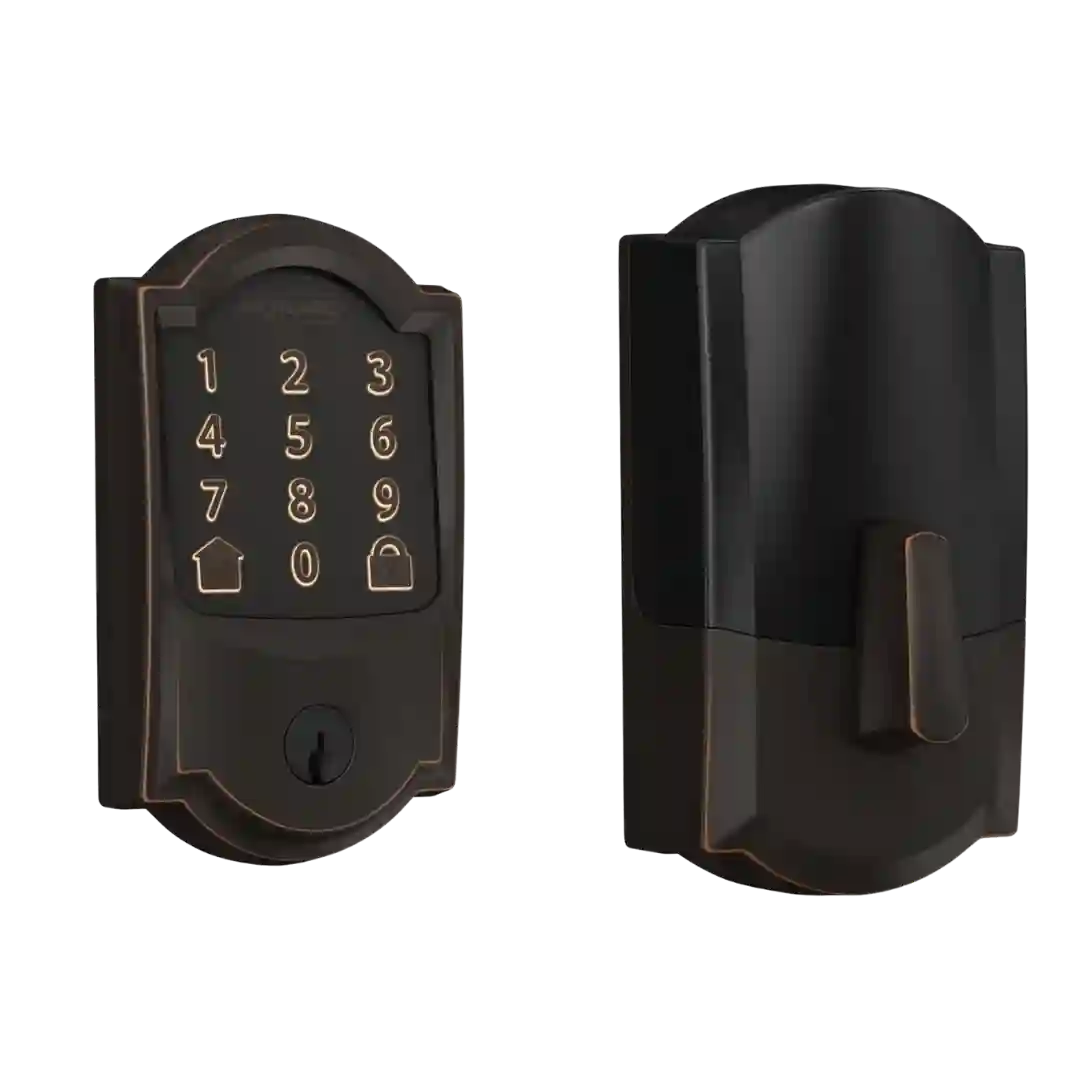
Encode is a full deadbolt replacement but reuses standard door prep (common holes and latch dimensions), so most users do not need door modifications unless their existing setup is nonstandard or misaligned.
Several reviewers highlight rekeyability to match existing keys as a major convenience, though installation still replaces the deadbolt hardware and some users reuse or swap strike components depending on fit.
At least one installation guide notes you may be able to reuse existing deadbolt hardware if it fits flush, reducing the need to replace every component.
Reviews and demos suggest standard deadbolt installation with typical door prep, including the ability to reuse common existing door hardware components like strike plates.
It installs as a standard deadbolt replacement, and some reviewers noted they could reuse existing cutouts or sensor placements from prior locks, reducing additional door work.
Some installers successfully reuse existing hardware like a strike plate, but at least one reviewer found that trying to reuse parts slowed installation. Using the included hardware is often suggested for the smoothest setup.
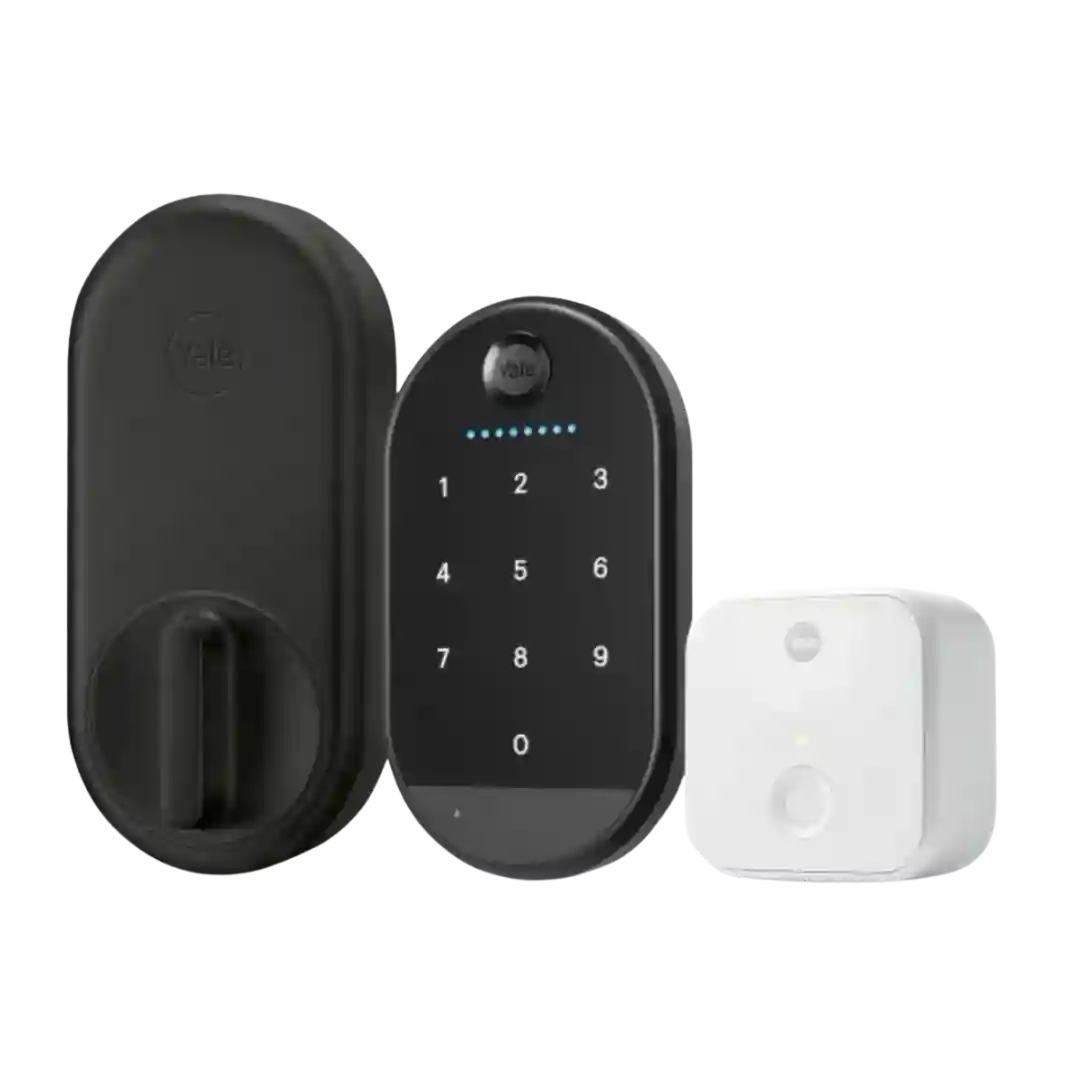
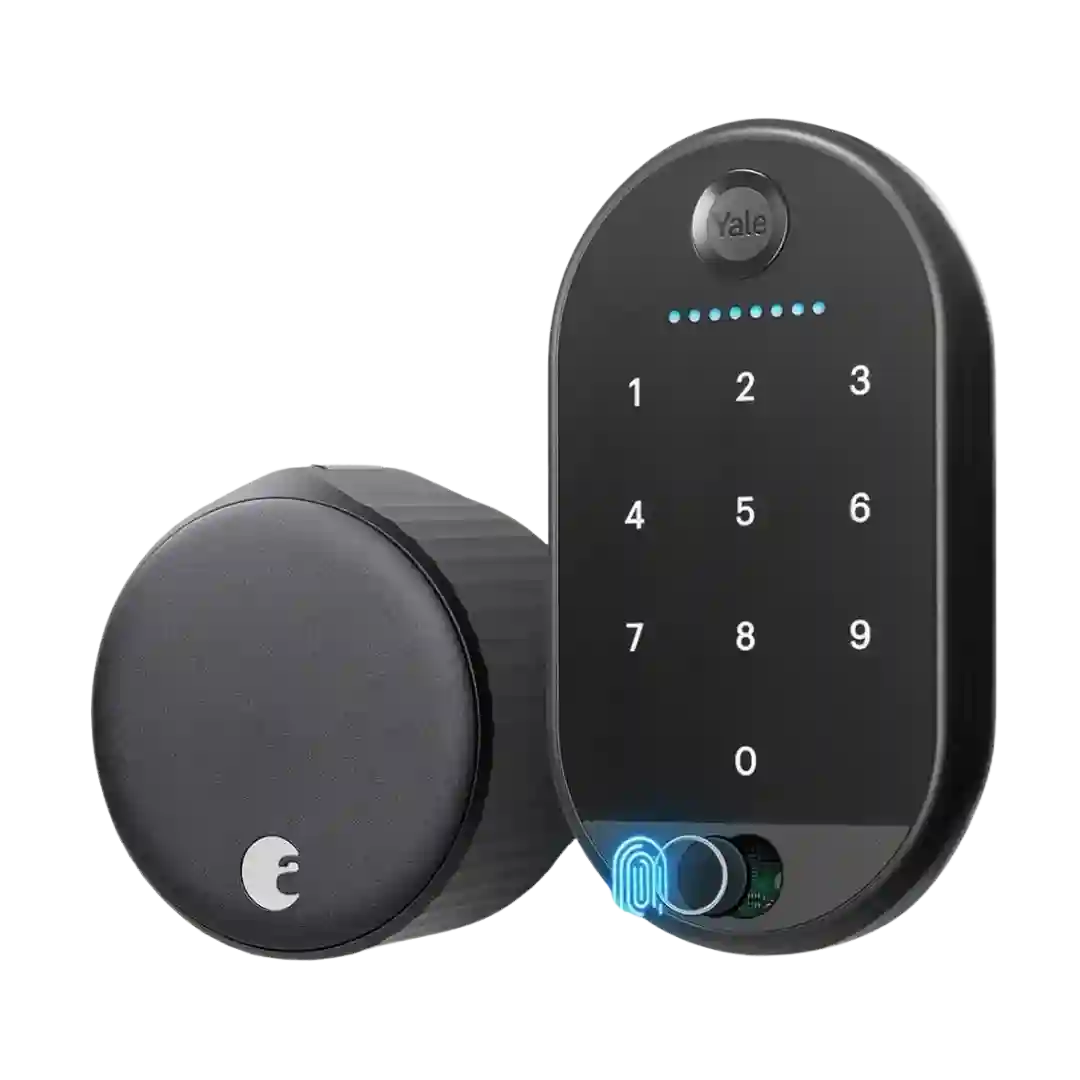
Assure Lock 2 usually replaces the full deadbolt rather than reusing existing hardware, but Yale’s Smart Modules can be moved between compatible locks, which reviewers see as a long-term flexibility win.
Because this lock replaces the deadbolt but typically keeps your doorknob, some installs reuse existing hardware successfully. However, at least one review needed a new handle due to a backplate-style setup, reducing reuse benefits.
This is a full deadbolt replacement, so you generally swap existing hardware; one reviewer chose to reuse a preferred deadbolt piece, but reuse options are limited versus retrofit-style locks.
Because the U400 replaces the full deadbolt hardware, it is not a retrofit-only upgrade. Some installers highlight included plates/adapters that can reduce the need for extra drilling in certain scenarios, but overall it is less about reusing existing deadbolt hardware and more about replacing it cleanly.
This model replaces the full deadbolt, so you generally cannot reuse your existing keyed hardware the way retrofit kits can. Rekeying is possible but often framed as a locksmith job, and some reviewers note it is not a casual DIY swap.
It is generally treated as a full deadbolt replacement rather than a retrofit that reuses existing exterior hardware, which some reviewers consider a downside versus modular designs.