Best for Noise isolation (passive)
RIG Spectre R8 Pro
4.3 feature score
Highest scored product for this feature based on supporting review evidence.
Highest scored product for this feature based on supporting review evidence.
Balances feature score, supporting reviews, and overall product strength.
Has the broadest review evidence for this feature.
Strongest overall product among items with scored evidence for this feature.
Showing Headsets only. Switch back to all Headphones & Earbuds anytime.
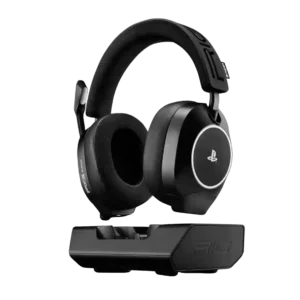
Passive isolation is a strength across several reviews, helped by the ear pads and seal, although this is not ANC.
Pros: Earpad replacement ease, Wireless latency
Cons: Active noise cancellation, Carry case quality
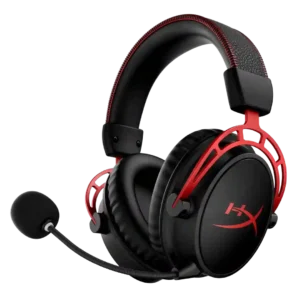
Passive isolation is repeatedly praised, with reviewers saying outside sound is blocked or muffled despite no active noise cancellation.
Pros: Battery, Detachable cable convenience
Cons: Active noise cancellation, Bluetooth
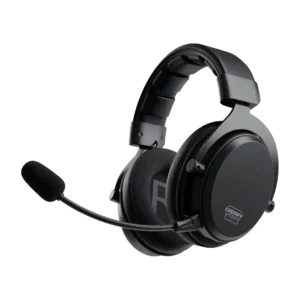
Passive isolation is solid for a closed-back headset. The pads and closed design help block distractions even though this is not an ANC model.
Pros: Battery, Volume output
Cons: Multipoint connectivity reliability, Codec support
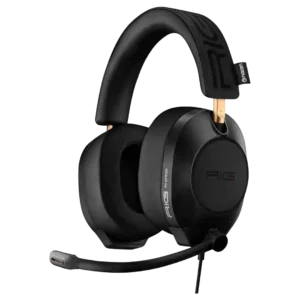
Passive isolation is a strength, with lab and subjective evidence around 60% noise reduction and strong earcup sealing.
Pros: Audio-video sync accuracy, Battery
Cons: Active noise cancellation, Bluetooth
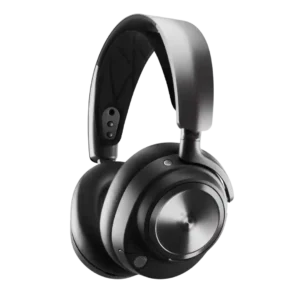
Passive isolation is strong for a closed-back gaming headset thanks to the leatherette seal. Several users note it remains effective even when ANC performance is only average or turned off.
Pros: Replaceable battery, Simultaneous wireless + Bluetooth audio
Cons: aptX, LDAC
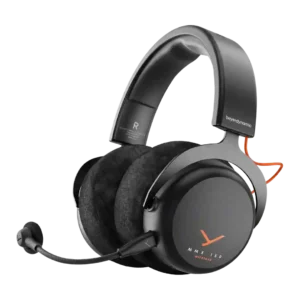
Passive isolation is generally described as good for voices and incidental noise, helped by thick pads and a solid seal, but it is less effective against constant low-frequency hum like...
Pros: Battery, Multipoint connectivity reliability
Cons: Active noise cancellation effectiveness, Xbox compatibility
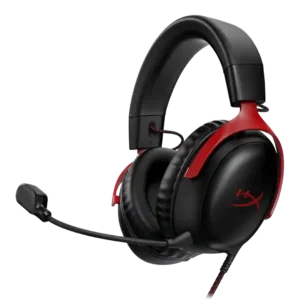
Passive isolation is good for closed-back leatherette cups, though reviewers distinguish it from ANC.
Pros: Microphone quality for calls, Hinge durability
Cons: Active noise cancellation, Detachable cable convenience
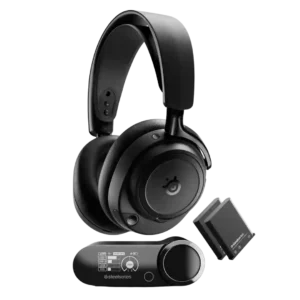
Passive isolation is consistently good to strong, helped by sealed cups and dense padding, though not every review treats it as a standalone strength.
Pros: Audio-video sync accuracy, Hinge durability
Cons: aptX, Smudge resistance
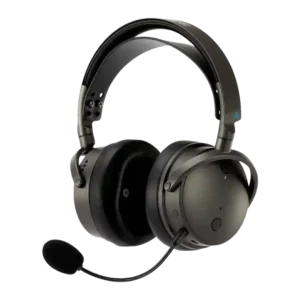
Passive isolation was generally good to excellent thanks to the closed-back earcups and pads, though one reviewer found it weak versus ANC headphones.
Pros: Battery, Charging
Cons: Active noise cancellation, Touch control responsiveness
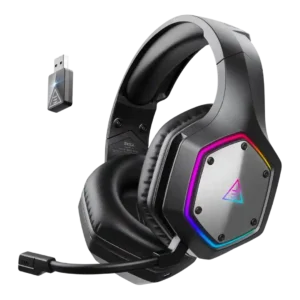
Passive isolation varies by fit: some reviewers say it blocks outside sound well, while another says noise isolation leaves something to be desired.
Pros: Connectivity versatility, USB-C
Cons: Active noise cancellation, Bluetooth
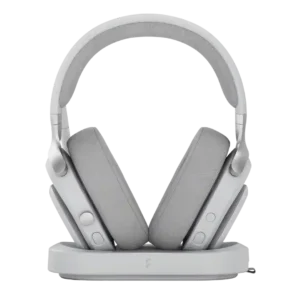
Passive isolation is usually described as good enough for home gaming and office use, but it varies with fit and the fabric pads; several reviewers point out it will not...
Pros: Design and Aesthetics, Equalizer customization
Cons: Active noise cancellation effectiveness, Multipoint connectivity reliability
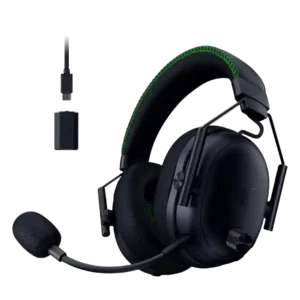
Passive isolation depends heavily on fit and pad material: some found a useful seal, while others reported weak isolation or tricky sealing.
Pros: Wireless latency, Positional audio accuracy
Cons: RGB lighting customization, Integrated microphone
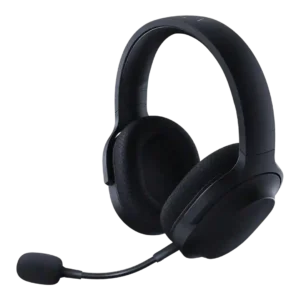
Passive isolation ranges from excellent in some user tests to only decent or weak against speech and low-frequency noise.
Pros: Multi-platform compatibility, Connectivity versatility
Cons: Water/sweat resistance rating, aptX
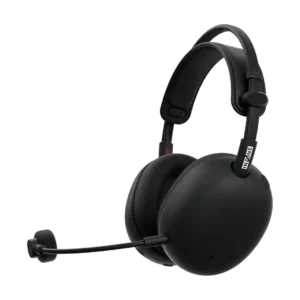
Passive isolation is mixed: the pads and seal help, but the light clamp and airy fit mean it is not the most cocooning on its own. Many reviewers frame ANC...
Pros: Weight comfort, Ear cup swivel/rotation range
Cons: Xbox compatibility, Replaceable battery
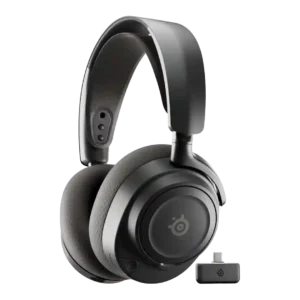
Passive isolation was serviceable but not complete; reviewers said noise was muffled or reasonably reduced, while loud surroundings still came through.
Pros: Wireless latency, Multi-platform compatibility
Cons: Active noise cancellation, Water/sweat resistance rating
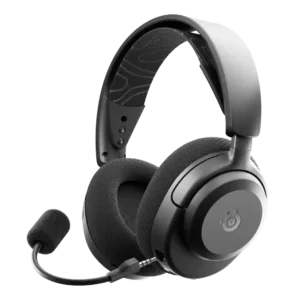
Passive isolation is average: it reduces some higher-frequency noise but leaves plenty of awareness of your environment, and at least one review warns sound leakage can be noticeable.
Pros: Maximum volume clarity, Audio-video sync accuracy
Cons: Active noise cancellation effectiveness, Simultaneous wireless + Bluetooth audio
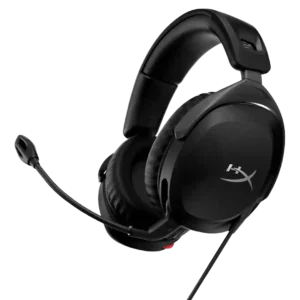
Passive isolation is only moderate: some tests and seal reports are favorable, while others say external noise remains distracting.
Pros: Wireless latency, Xbox compatibility
Cons: RGB lighting customization, Detachable cable convenience
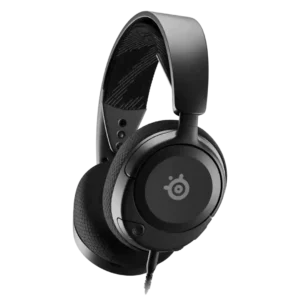
Passive isolation is modest; reviewers repeatedly say outside noise is not blocked strongly.
Pros: Multi-platform compatibility, Earpad replacement ease
Cons: Active noise cancellation, Bluetooth
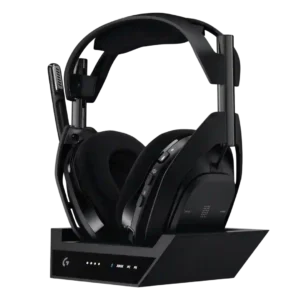
Passive isolation is weaker than many premium competitors because of the fabric pads and semi-open feel; this improves comfort for some but hurts immersion in loud rooms.
Pros: Maximum volume clarity, Volume output
Cons: Active noise cancellation effectiveness, Wired connection sound quality
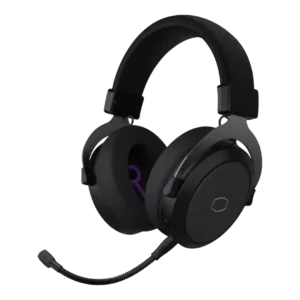
Passive isolation is limited, with one review explicitly noting that room sounds still bleed through.
Pros: Microphone noise reduction, Microphone quality for calls
Cons: Active noise cancellation effectiveness, Bluetooth connectivity stability
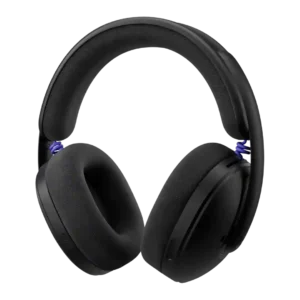
Passive isolation is light. Reviewers repeatedly mention hearing nearby people or household noise, and at least one notes that others can hear audio leaking out as well.
Pros: Weight comfort, Comfort during long use
Cons: Active noise cancellation effectiveness, Microphone noise reduction
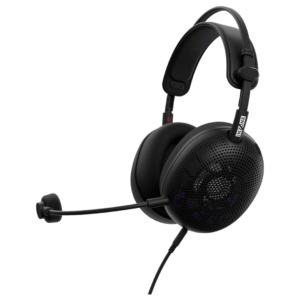
Passive isolation was poor by design, with open backs allowing sound in and only slight attenuation measured.
Pros: Battery, Weight comfort
Cons: Water/sweat resistance rating, Active noise cancellation
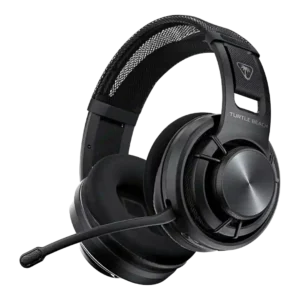
Passive isolation is minimal by design. Sound leaks out and outside noise comes in, so it’s poorly suited to shared rooms, offices, or commuting.
Pros: Comfort during long use, Weight comfort
Cons: Active noise cancellation effectiveness, Noise isolation (passive)
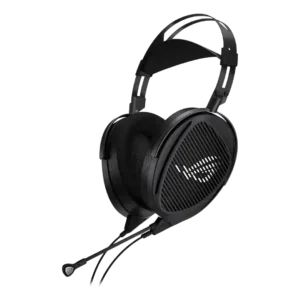
Passive isolation is minimal because of the open-back design, so outside noise remains audible.
Pros: Instrument separation, Software/setup simplicity
Cons: Noise isolation (passive), Active noise cancellation