Best for Noise isolation (passive)
Sennheiser HDB 630 Wireless Over-Ear Headphones
4.5 feature score
Highest scored product for this feature based on supporting review evidence.
Highest scored product for this feature based on supporting review evidence.
Balances feature score, supporting reviews, and overall product strength.
Has the broadest review evidence for this feature.
Strongest overall product among items with scored evidence for this feature.
Showing Over-Ear Headphones only. Switch back to all Headphones & Earbuds anytime.
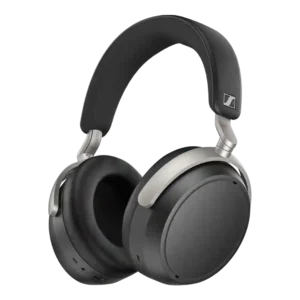
Passive isolation is above average thanks to thicker pads and a strong seal, helping even before ANC is engaged.
Pros: Battery, Equalizer customization
Cons: Xbox compatibility, Water/sweat resistance rating

Review evidence is strongly positive for noise isolation (passive), with reviewers describing it as a standout strength.
Pros: Premium feel, Award recognition
Cons: aptX, LDAC
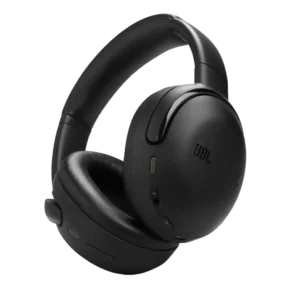
Passive isolation is strong even before ANC is engaged.
Pros: Battery, Connectivity options
Cons: Water/sweat resistance rating, Replaceable earpads
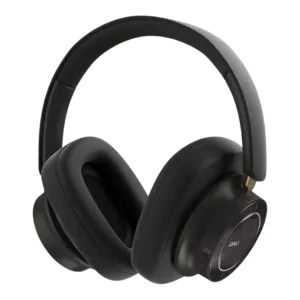
Passive noise isolation is described as strong thanks to large, well-sealing earcups and design details aimed at closing gaps around the ear, providing a solid foundation before ANC is even...
Pros: Maximum volume clarity, Replaceable earpads
Cons: App, Equalizer customization
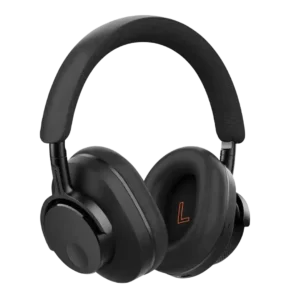
Passive isolation is frequently praised thanks to the seal and pads, with some reviewers saying it blocks a lot even before ANC is enabled.
Pros: Battery, Replaceable battery
Cons: LDAC, Water/sweat resistance rating
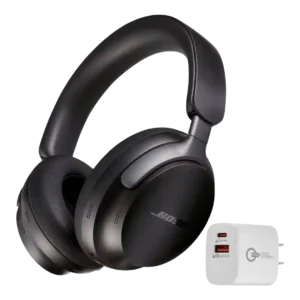
Large, plush pads create a strong seal that boosts passive isolation and supports the overall noise-reduction performance.
Pros: Volume output, Comfort during long use
Cons: Water/sweat resistance rating, USB-C
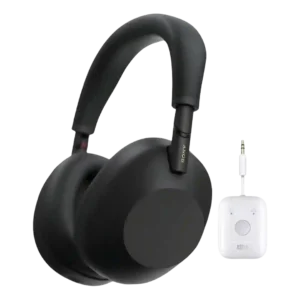
Even before ANC, the seal provides strong passive isolation; multiple reviews mention the natural seal doing a lot of the work for travel and office noise.
Pros: Active noise cancellation effectiveness, Weight comfort
Cons: Water/sweat resistance rating, Replaceable battery
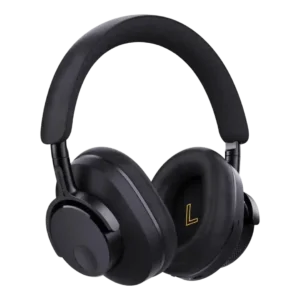
Passive isolation is strong thanks to large pads and a solid seal, with some users noting it can block a lot of ambient noise even before ANC is enabled.
Pros: Replaceable earpads, Replaceable battery
Cons: Water/sweat resistance rating, Touch control responsiveness
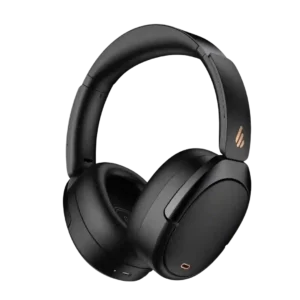
The seal around the ear helps with passive isolation.
Pros: Microphone quality for calls, Comfort during long use
Cons: aptX, Water/sweat resistance rating
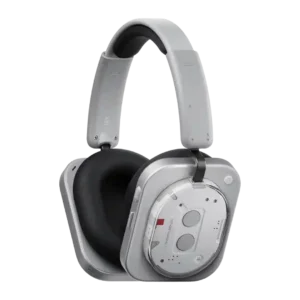
Passive isolation is consistently strong thanks to a good seal and memory-foam style pads, meaning ANC has a solid foundation in many real-world environments.
Pros: LDAC, Equalizer customization
Cons: Replaceable battery, Sustainability materials
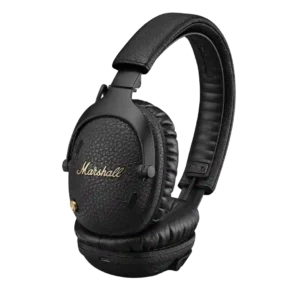
Passive isolation is strong thanks to a very good seal from the pads, helping block higher-frequency noise even before ANC is enabled.
Pros: Battery, Clamping force comfort
Cons: aptX, LDAC

Passive isolation is helped by the sealed earcups and clamping/fit, adding to the ANC performance.
Pros: Bluetooth version, Battery
Cons: Water/sweat resistance rating, Wind noise handling
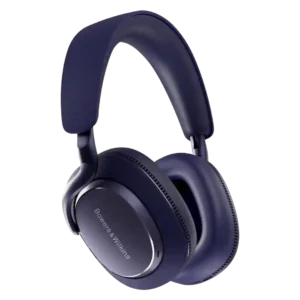
Passive isolation benefits from an easy-to-achieve seal and helps overall noise reduction. A few notes suggest fit, glasses, or positioning can change results noticeably.
Pros: aptX, Multipoint connectivity reliability
Cons: Replaceable battery, LDAC
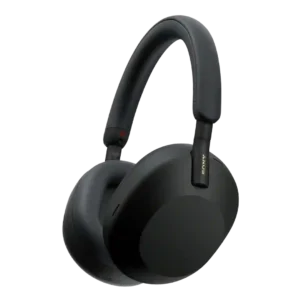
Passive isolation is strong for an ANC headphone and improves overall attenuation, but seal quality matters; glasses or worn pads can noticeably reduce isolation and ANC impact.
Pros: Active noise cancellation effectiveness, Weight comfort
Cons: aptX, Water/sweat resistance rating
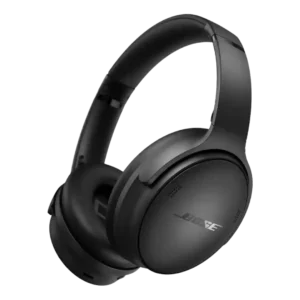
Passive isolation benefits from a strong seal and well-sized earcups; multiple reviews mention minimal leakage and good baseline isolation even before ANC.
Pros: Volume output, Weight comfort
Cons: aptX, LDAC
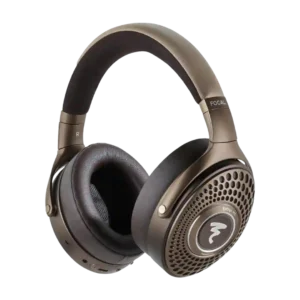
Passive isolation benefits from the over-ear seal and softer pads, though seal sensitivity with glasses is noted by at least one reviewer and total isolation still leans on ANC.
Pros: Build quality, Instrument separation
Cons: LDAC, Touch control responsiveness
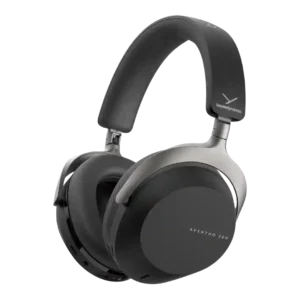
Passive isolation benefits from a solid seal, but it does not fully replace top-tier ANC in louder environments.
Pros: aptX, Battery
Cons: Frequency response accuracy, Clamping force comfort
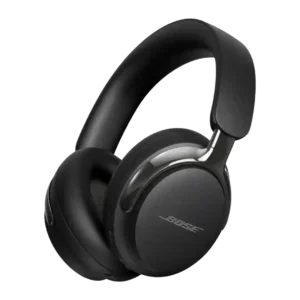
Passive isolation benefits from a good seal and deep cups, but a few reviewers note the foam is not the thickest; overall, it helps the ANC work even better on...
Pros: Android compatibility, Multi-platform compatibility
Cons: Water/sweat resistance rating, Dongle
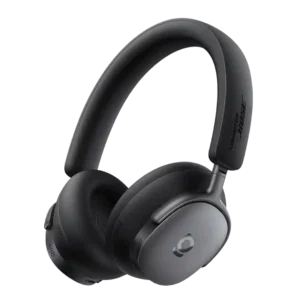
Passive isolation varies with fit: some report a good seal and useful isolation, while at least one reviewer found surprisingly weak passive isolation.
Pros: Battery, Charging
Cons: Sensors, Wired connection sound quality
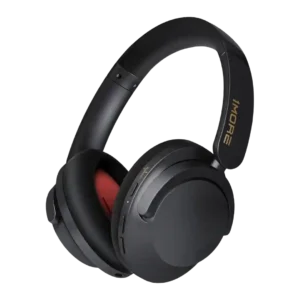
The ear pads generally form a good seal with minimal leakage, providing solid passive isolation that complements ANC for commuting and home/office use.
Pros: Battery, USB-C
Cons: aptX, Water/sweat resistance rating
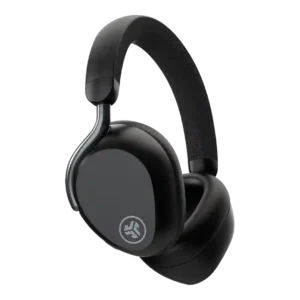
Passive isolation is decent thanks to the plush over-ear seal, but glasses and imperfect sealing can reduce bass and outside-noise blocking.
Pros: USB-C, Award recognition
Cons: Water/sweat resistance rating, Sidetone adjustment quality
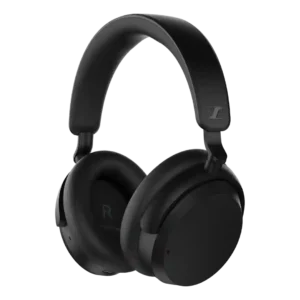
Passive isolation is helped by the firm fit and cup design, with lab-style commentary noting strong attenuation at higher frequencies even before ANC.
Pros: Audio-video sync accuracy, USB-C
Cons: Water/sweat resistance rating, Carry case quality
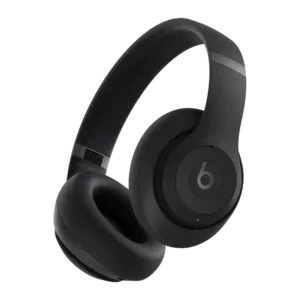
Passive isolation depends heavily on seal: the strong clamp and updated pads help, but the shallow or smaller cups can leak with glasses or larger ears. When the seal breaks,...
Pros: Design and Aesthetics, Multi-platform compatibility
Cons: aptX, LDAC
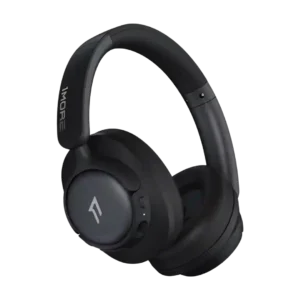
Passive isolation is respectable but not perfect. The seal is good enough for everyday use, though fit and cup size can limit isolation for some listeners.
Pros: Battery, Charging
Cons: Carry case quality, Sensors
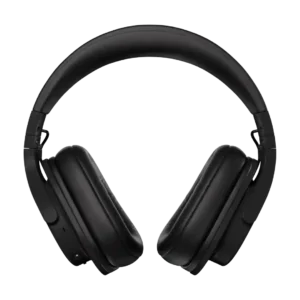
The large pads and good seal deliver meaningful passive isolation for home use, but traffic, construction, and other louder sounds still cut through.
Pros: Weight comfort, Audio-video sync accuracy
Cons: Active noise cancellation effectiveness, Noise cancellation adjustability
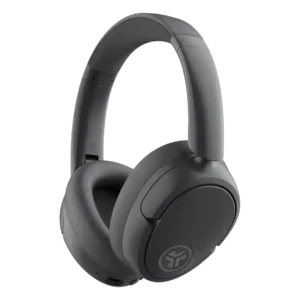
Passive isolation varies by fit: some reviewers praise the seal and cup shape for blocking higher-frequency noise, while others find passive blocking weak enough that ANC is needed to meaningfully...
Pros: Battery, Cable quality
Cons: aptX, LDAC
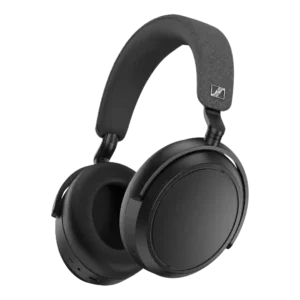
Passive isolation is a recurring weak point in several lab-style reviews, sometimes attributed to a softer seal; others find it adequate in real travel use.
Pros: Battery, aptX
Cons: LDAC, Water/sweat resistance rating
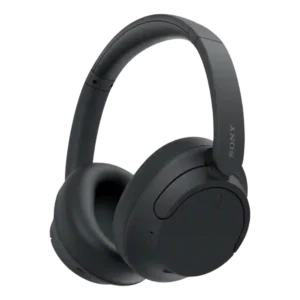
Passive isolation is typically described as decent but limited by lighter padding versus premium models, making ANC do more of the heavy lifting.
Pros: USB-C, Weight comfort
Cons: aptX, Water/sweat resistance rating
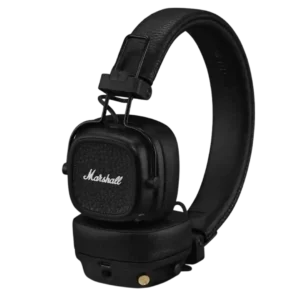
Passive isolation was context-dependent: pads helped muffle office noise, but the on-ear design still let outside sound in.
Pros: Battery, Connectivity options
Cons: Active noise cancellation, Transparency mode quality
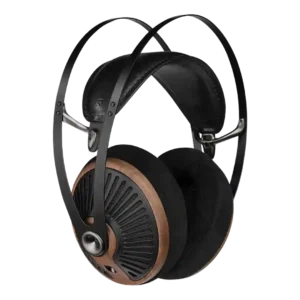
As open-backs, passive isolation is low and sound leakage is expected; a couple of reviewers note mild attenuation compared to very open designs, but these are still best for quiet...
Pros: Sustainability materials, Replaceable earpads
Cons: Noise isolation (passive), Portability/foldability
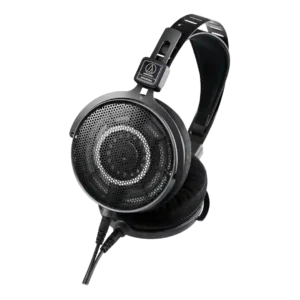
As an open-back design, passive isolation is weak; reviewers note outside sound gets in and the headphones are poor for recording around microphones or noisy environments.
Pros: Wired connection sound quality, 3.5mm analog input availability
Cons: Travel friendliness, Sound leakage