Best for Noise isolation (passive)
Sony WF-C710N Earbuds
4.7 feature score
Highest scored product for this feature based on supporting review evidence.
Highest scored product for this feature based on supporting review evidence.
Balances feature score, supporting reviews, and overall product strength.
Has the broadest review evidence for this feature.
Strongest overall product among items with scored evidence for this feature.
Showing Earbud Headphones only. Switch back to all Headphones & Earbuds anytime.
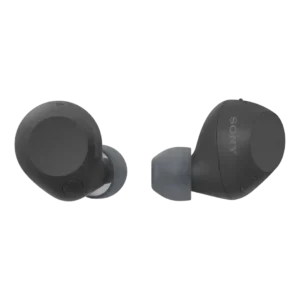
The passive seal is strong in the cited reviews, helping block outside noise even before ANC is engaged.
Pros: Weight comfort, Value for money
Cons: aptX, LDAC
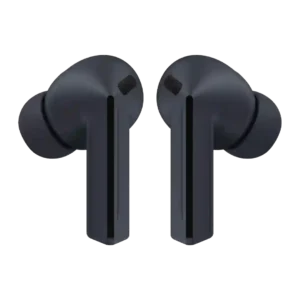
Sealed ear tips are repeatedly credited for strong passive isolation and more consistent fit compared with unsealed designs. Seal quality varies by ear shape and included tip sizing, and some...
Pros: Volume output, Noise isolation (passive)
Cons: Multipoint connectivity reliability, aptX
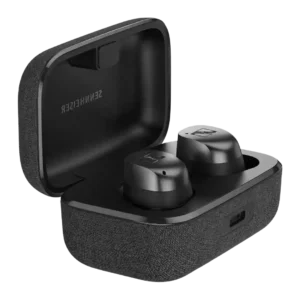
Passive isolation is strong when the seal is right, helped by multiple ear tip sizes and stabilizing fins. A few users report seal sensitivity depending on ear shape and tip...
Pros: Codec support, aptX
Cons: Spatial audio, Find My
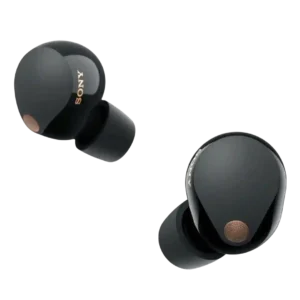
Passive isolation is a standout thanks to the foam-style tips and strong seal; performance is highly dependent on getting the fit right and the tips can be delicate over time.
Pros: LDAC, Weight comfort
Cons: aptX, Replaceable battery
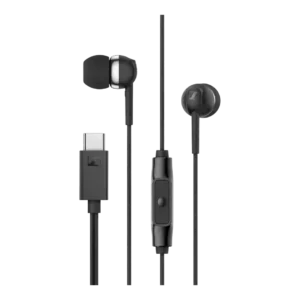
Passive isolation is a standout strength, with the seal doing a surprisingly strong job of reducing office chatter and everyday outside noise.
Pros: Software/setup simplicity, Built-in DAC and hi-res playback
Cons: Equalizer customization, Water/sweat resistance rating
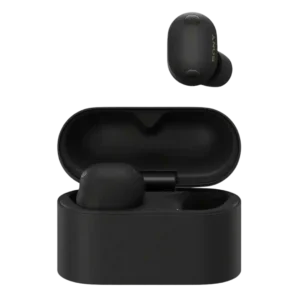
The stock foam-style tips deliver strong passive isolation and help the buds feel like a quiet-zone switch. Fit and comfort vary, and multiple reviewers report better results after swapping to...
Pros: USB-C, LDAC
Cons: None
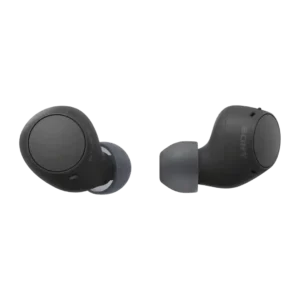
Passive isolation is repeatedly praised as impressive for a non-ANC model, with multiple reviewers describing a strong seal that blocks a meaningful amount of outside noise.
Pros: Weight comfort, Audio-video sync accuracy
Cons: Active noise cancellation effectiveness, aptX
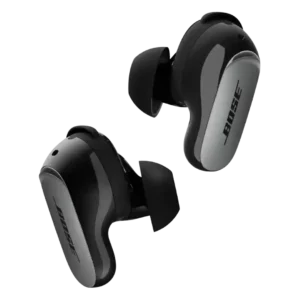
Choose if you want class-leading ANC and a punchy, high-detail sound; Skip if you have small ears or expect all-day battery and a bargain price.
Pros: Active noise cancellation effectiveness, Android compatibility
Cons: Preset EQ profile quality, Equalizer customization
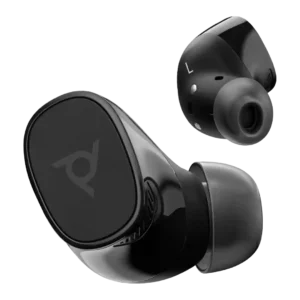
Passive isolation is generally strong due to the in-ear seal, with fit tests and tip sizing helping reduce leakage and block outside noise even before ANC.
Pros: Audio-video sync accuracy, Instrument separation
Cons: Spatial audio, Smudge resistance
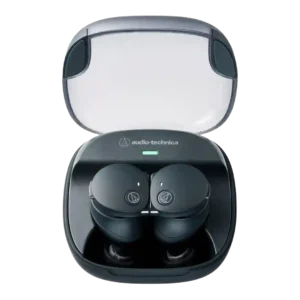
The seal provides solid passive isolation, sometimes good enough to reduce noise even before ANC is enabled.
Pros: Battery, USB-C
Cons: Sensors, Voice assistant integration
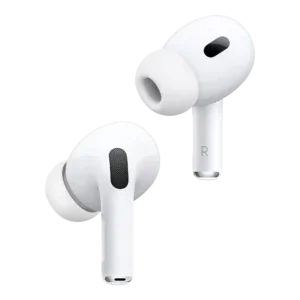
Passive isolation is strong with a proper seal and contributes meaningfully to overall noise reduction. Some users still prefer deeper-inserting foam tips on competitors for maximum passive blocking.
Pros: Portability/foldability, Apple H2 chip support
Cons: aptX, Replaceable battery
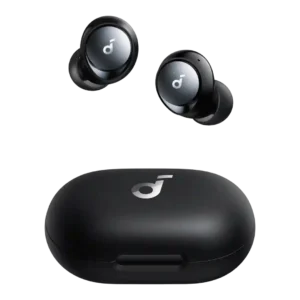
Passive isolation is generally above average with a good seal, providing a solid baseline even before ANC; fit-dependent leakage is the main limiter if tips do not seal well.
Pros: USB-C, Charging
Cons: aptX, Sensors
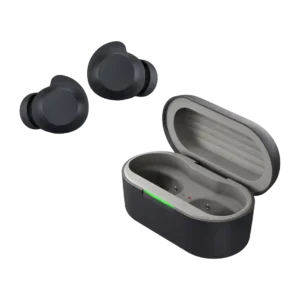
Passive isolation benefits from a snug seal and secure in-ear fit when the right tips are used.
Pros: USB-C, Portability/foldability
Cons: aptX, LDAC

Foam-infused silicone tips and the deeper fit improve passive sealing for many users, helping low-frequency rumble and chatter before ANC kicks in. It still does not behave like full memory-foam...
Pros: USB-C, Apple H2 chip support
Cons: aptX, LDAC
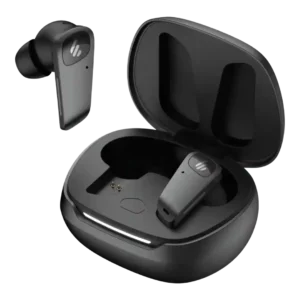
One review says the earbuds provide decent passive isolation with a proper fit.
Pros: Bluetooth, Codec support
Cons: Spatial audio, Soundstage depth
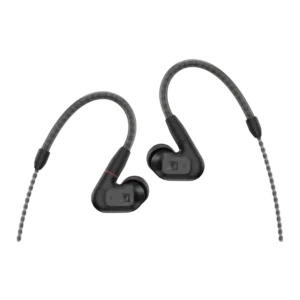
Passive isolation is generally good with a proper seal and improves with foam tips, though silicone tips can leak more and it is not close to ANC silence.
Pros: Weight comfort, Comfort during long use
Cons: Microphone quality for calls, Water/sweat resistance rating
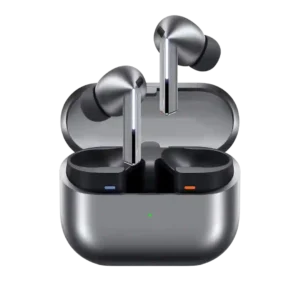
Passive isolation is decent with a good seal, but it varies by fit and ear tips; some reviewers say it lags behind foam-tip competitors for blocking high-pitched noise.
Pros: Water/sweat resistance rating, Android compatibility
Cons: aptX, LDAC
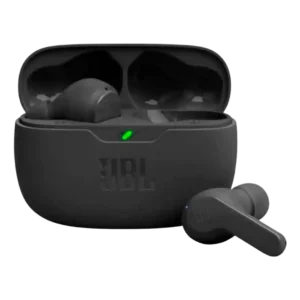
Passive isolation is decent when the fit works, with reviews noting measurable physical blocking and effective noise reduction in some activity tests.
Pros: Charging, Battery
Cons: Active noise cancellation, Multipoint connectivity reliability
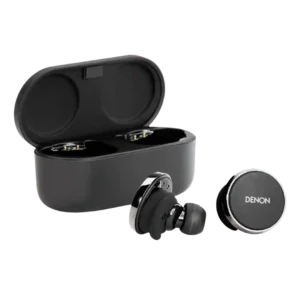
Passive isolation depends heavily on getting a good seal; with the right tips, attenuation is described as decent, but it is not the main selling point versus active cancellation.
Pros: aptX, USB-C
Cons: LDAC, Noise cancellation adjustability
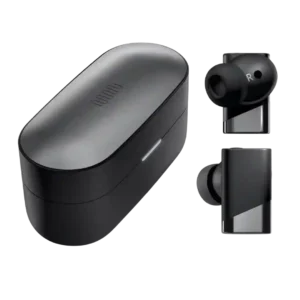
With ANC off, passive isolation is described as usable but not standout, and tip choice plays a big role in the seal.
Pros: Codec support, Sound quality
Cons: aptX, Noise cancellation adjustability

Passive isolation depends heavily on tip fit and seal; the shallow/nozzle design can trade isolation for comfort, so a perfect seal is not guaranteed for everyone.
Pros: Android compatibility, Portability/foldability
Cons: aptX, LDAC
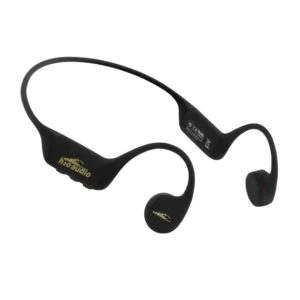
The open-ear design provides almost no passive isolation on its own. The included earplugs make a noticeable difference in the pool by reducing splash noise and improving perceived clarity and...
Pros: Water/sweat resistance rating, Weight comfort
Cons: Multipoint connectivity reliability, Equalizer customization
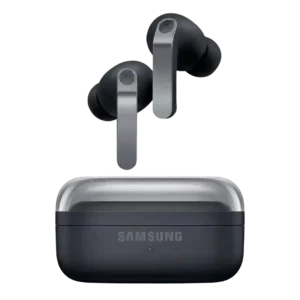
Passive isolation depends heavily on fit: reviewers with a strong seal found it effective, while others said the tips failed to seal well enough for class-leading isolation.
Pros: Comfort during long use, Water/sweat resistance rating
Cons: Multipoint connectivity reliability, Audio-video sync accuracy
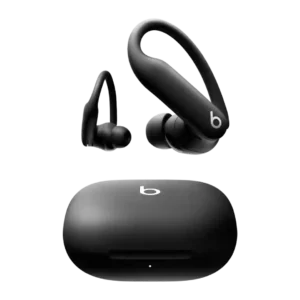
Passive isolation depends heavily on achieving a good seal; with the right tips it blocks a lot of gym/street noise, but inconsistent fit can let voices and sharp sounds leak...
Pros: Audio-video sync accuracy, USB-C
Cons: aptX, LDAC
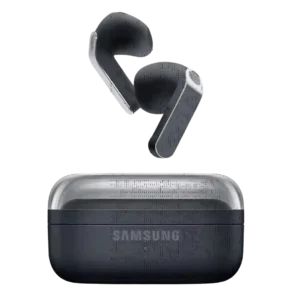
Passive isolation is weak because the open design does not create a proper seal. That physical limitation is a big reason the ANC never becomes truly class-competitive.
Pros: Equalizer customization, Treble clarity
Cons: Noise isolation (passive), Multi-platform compatibility