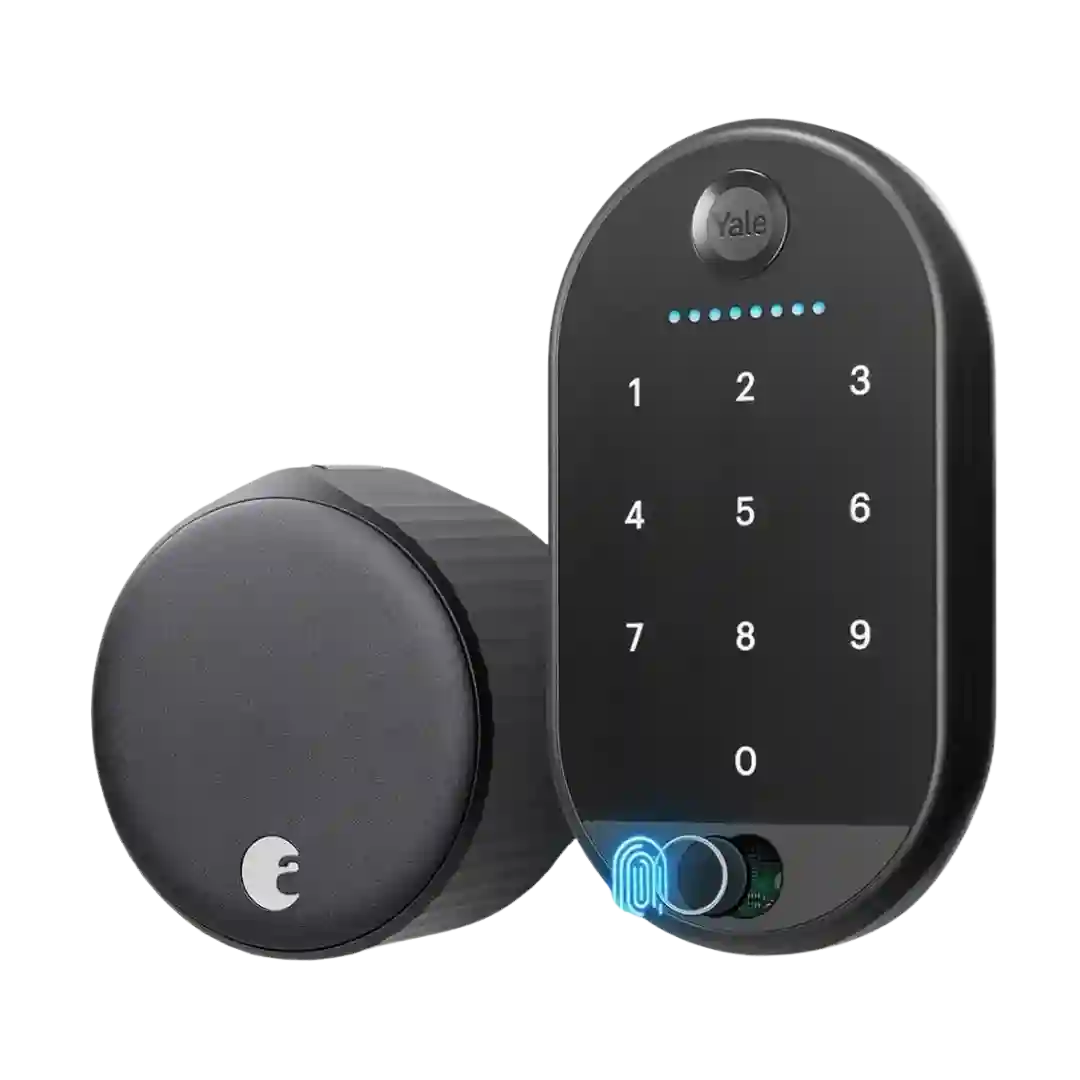
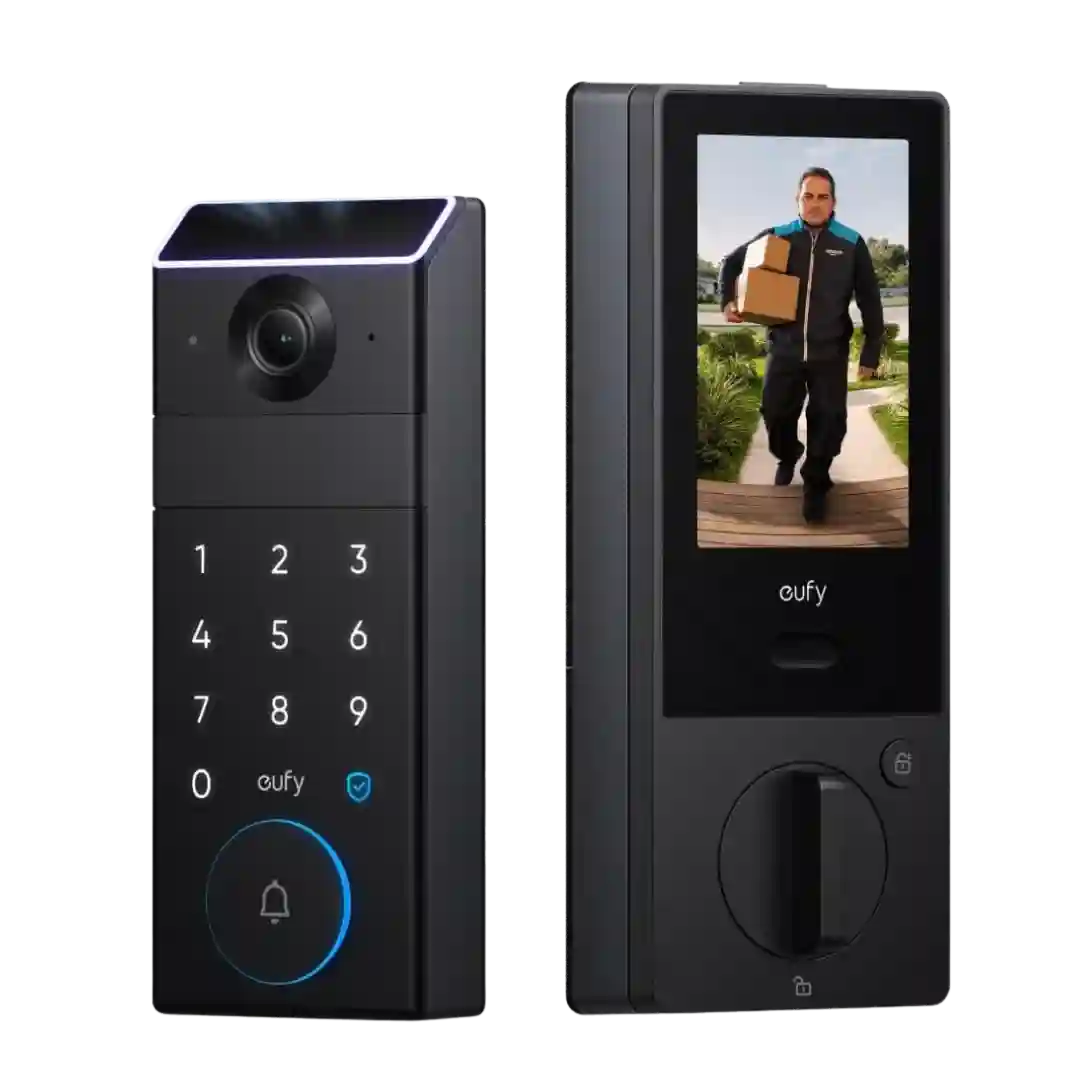
One review highlights high BHMA and ANSI grade certifications, and others emphasize Schlage's reputation for security hardware. Overall, physical security is presented as strong for a residential smart deadbolt, though detailed pick/drill testing is not common in the transcripts.
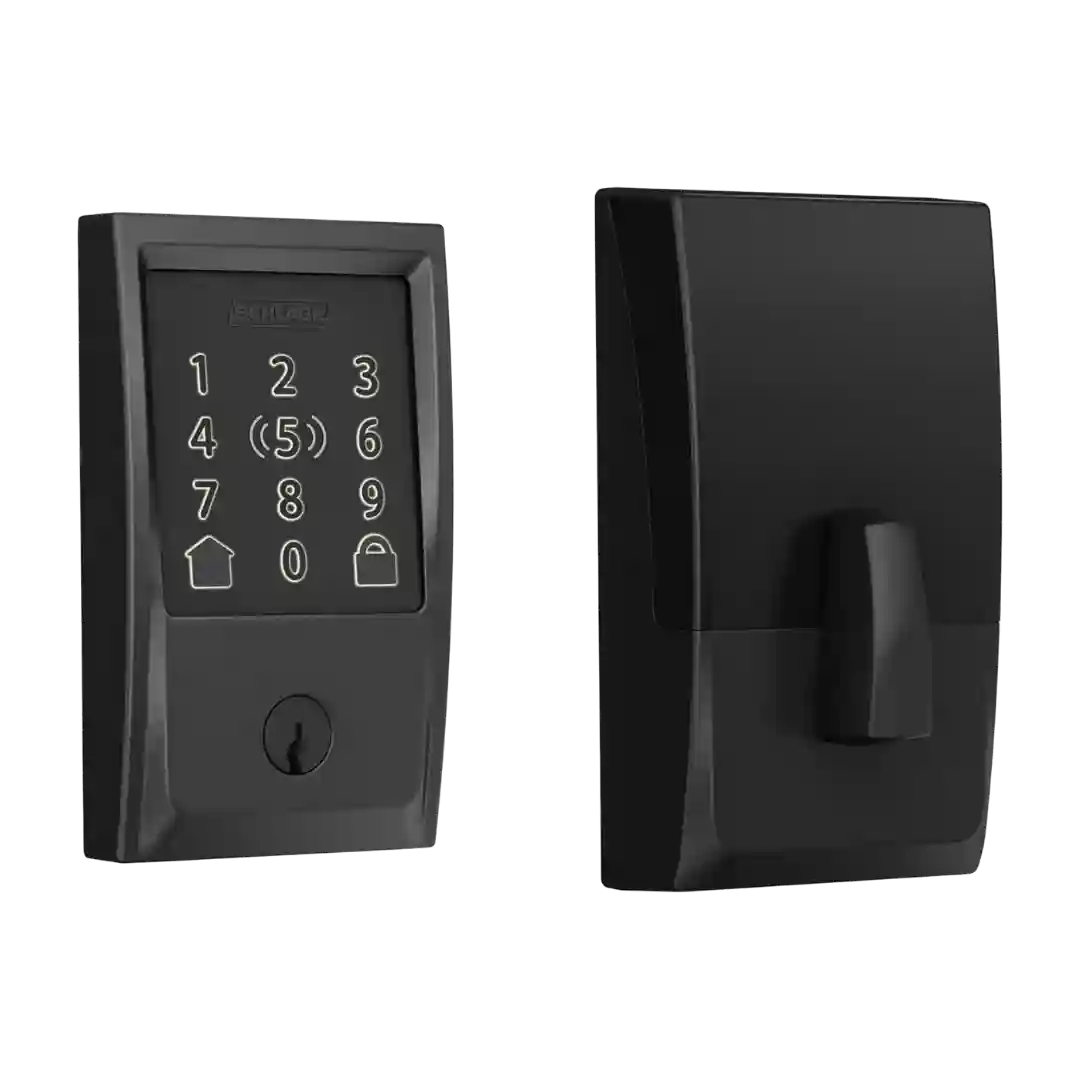
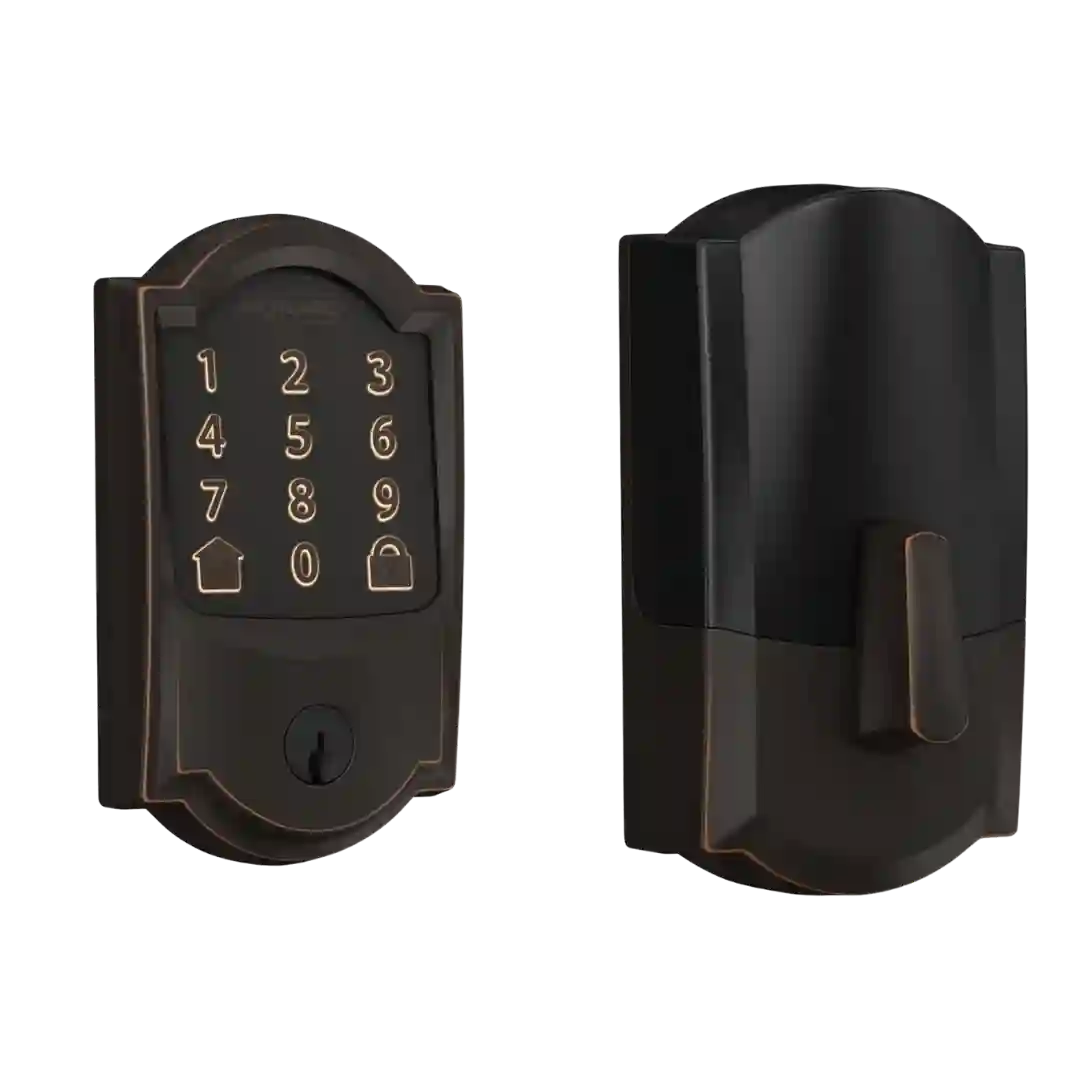
Encode’s ANSI/BHMA Grade 1 ratings are repeatedly cited as a major advantage, with reviewers framing it as unusually robust for a consumer smart lock and better than typical Grade 2 options.
Physical security is positioned as a major selling point, with repeated references to Grade 1 certification and a solid, heavy build intended to withstand force and long-term use.
Physical attack resistance is supported in reviews by BHMA/ANSI Grade 2 references and repeated claims of stronger resistance to force/wear than typical budget Grade 3 locks.
Security-focused commentary includes claims of strong overall security ratings on some variants and at least one discussion of strong bump resistance in the mechanical cylinder. However, in-depth, standardized attack testing is not consistently provided across reviews.
Against brute-force attacks, reviewers point to strong hardware ratings and argue the deadbolt strength is solid, with the door or frame likely failing before the bolt does in many scenarios.
At least two reviews cite BHMA/ANSI Grade 2 level certification for the lock, suggesting solid baseline physical security for residential use, though most testing focused on convenience and software rather than attack trials.
Physical attack resistance is framed as strong on Wi-Fi/door-sensor variants that reference commercial-grade/Grade 1 claims, while at least one older evaluation notes the model was not officially certified and was described as closer to Grade 2 in spirit. Overall, reviewers still describe it as robust for typical residential use.
Reviewers generally feel confident in the physical security thanks to a sturdy deadbolt and Grade 2 positioning; key-free models are also seen as reducing attack surface by removing the keyway, though no one provides lab-grade break-in testing.
Reviews mention solid construction and at least one cites an ANSI/BHMA Grade 2 rating, suggesting above-minimum residential strength. The keyless design also removes common keyway attack surfaces, though reviewers still warn about keypad code hygiene.
Physical security is generally positioned as solid for typical homes, with BHMA or ANSI Grade 2 level claims cited in multiple sources, but not presented as top-tier Grade 1 hardware.
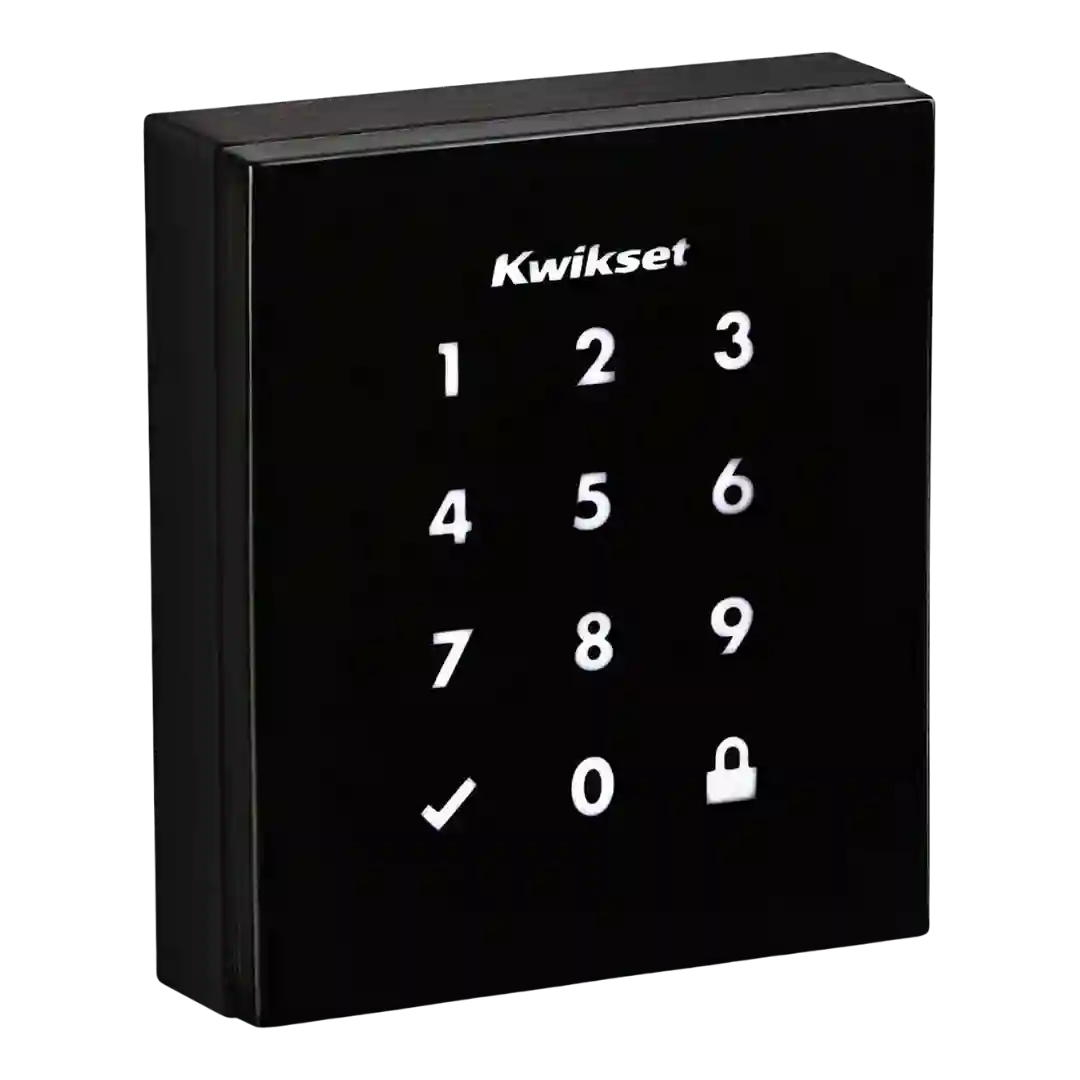
Physical security is generally treated as appropriate for typical homes, with the hidden keyhole design adding a small deterrent and overall construction seen as sturdy.
Removing the keyway reduces exposure to key-based attacks, but otherwise Obsidian is a standard deadbolt without advanced intrusion sensing or active defense features.
Physical security is described as solid, with references to ANSI Level 2 requirements, though at least one review noted the lock may not be formally certified, making it harder to validate beyond manufacturer claims.
Some reviews cite BHMA/ANSI compliance and sturdy construction for basic physical resilience, but it is not positioned as the highest-grade security hardware. The practical security story is the combination of durability, alerts, and logs.
Several reviews cite the U400 as BHMA Grade 3, which is a basic certification tier. Reviewers generally accept it for typical residential use but note it is not the top choice if you are prioritizing maximum forced-entry resistance.
Physical robustness is most often framed around BHMA Grade 3, which is a baseline residential-grade rating; it is not positioned as a high-security, hardened deadbolt.