Best for Physical attack resistance
Schlage Encode Smart Lock
5.0 feature score
Highest scored product for this feature based on supporting review evidence.
Highest scored product for this feature based on supporting review evidence.
Balances feature score, supporting reviews, and overall product strength.
Has the broadest review evidence for this feature.
Strongest overall product among items with scored evidence for this feature.
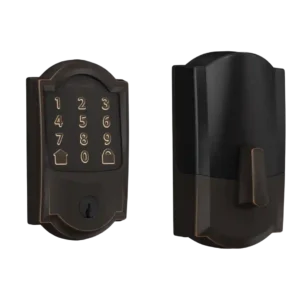
Physical security was repeatedly praised through Grade 1/AAA ratings, reinforced hardware, and confidence against forced entry.
Pros: Bluetooth, Hub requirement
Cons: Door-sense, Fingerprint
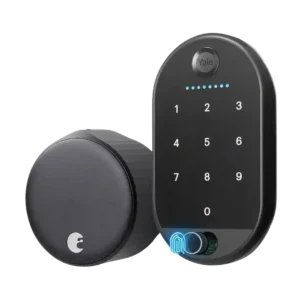
Physical security received strong praise from TechGearLab, which highlighted the ANSI Grade 1 strength rating and intruder resistance.
Pros: Locking motor, Physical attack resistance
Cons: Fingerprint, Battery
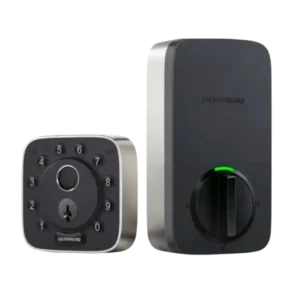
Physical attack resistance had strong evidence from ANSI-grade commentary and especially from an expert’s praise for bump resistance.
Pros: Weather resistance, User access management
Cons: Locking motor, Remote access
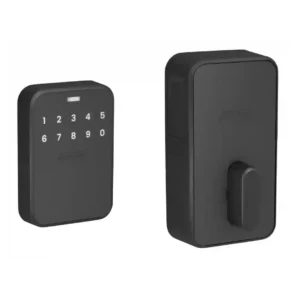
The all-metal build, higher BHMA rating, and removal of the pickable key cylinder inspired confidence. Reviewers generally viewed the physical security design as a strength.
Pros: Door compatibility (deadbolt fit), Locking motor
Cons: Door-sense, Facial recognition
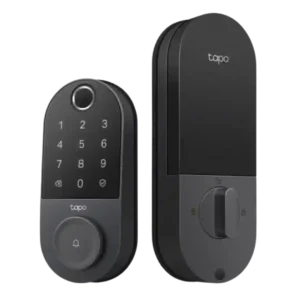
Physical security drew strong praise from reviewers citing Grade 2/BHMA positioning and stronger resistance than many lower-grade locks.
Pros: Value and Price, Lock/unlock speed
Cons: Existing hardware reuse, Door compatibility (deadbolt fit)
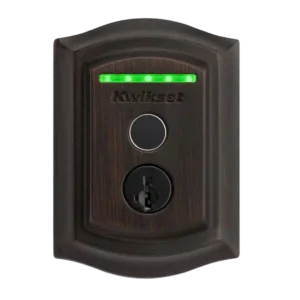
Physical attack resistance was viewed positively through strong deadbolt hardware, SmartKey security, and passed break-in testing references.
Pros: Lock/unlock speed, Locking reliability
Cons: Auto-relock after failed attempts, Door compatibility (deadbolt fit)
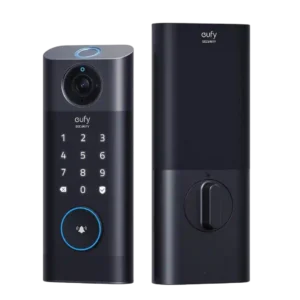
Physical security impressions were positive, centered on wanting a sturdier alternative to flimsy plastic doorbells.
Pros: Lock/unlock speed, Wi-Fi
Cons: Jam detection, Door compatibility (deadbolt fit)
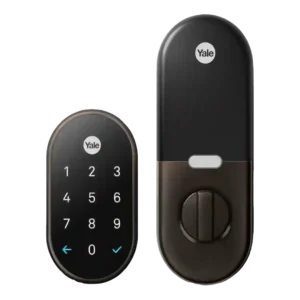
Physical attack resistance had limited evidence, but one installer praised the longer strike screws for making the deadbolt more secure against break-in attempts.
Pros: Weather resistance, Notifications
Cons: Door-sense, Bluetooth
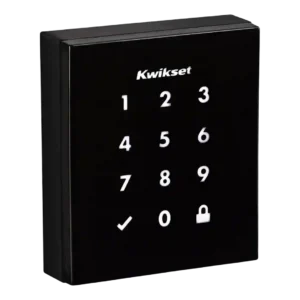
Physical attack resistance was praised because the keywayless design removes common keyed-entry attack paths.
Pros: Existing hardware reuse, Build quality and durability
Cons: Weather resistance, Locking motor
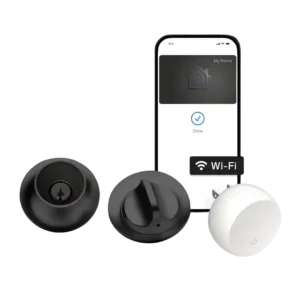
Physical forced-entry strength was praised by one reviewer based on the lock's residential rating and deadbolt strength.
Pros: Industrial design, Build quality and durability
Cons: Pick/drill resistance (if rated), Keyway quality
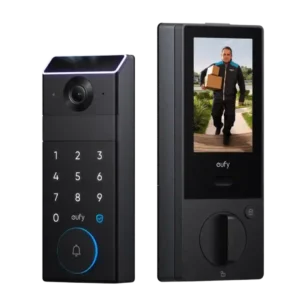
Physical attack resistance had limited but positive evidence, with reviewers pointing to solid construction and tough security design.
Pros: Lock/unlock speed, Locking reliability
Cons: Door compatibility (deadbolt fit), Hub requirement
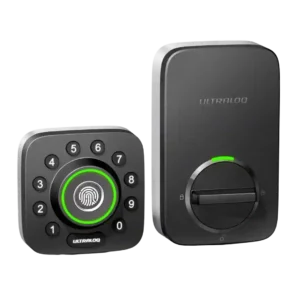
Physical security impressions were positive where discussed, with reviewers valuing stronger screws, reinforced security, and ANSI-related strength claims.
Pros: Locking reliability, Build quality and durability
Cons: Two-factor authentication availability, Backset compatibility
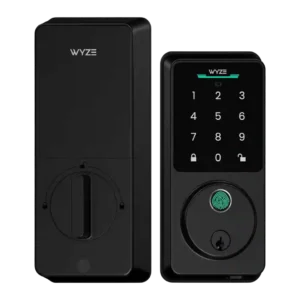
Physical durability/security is treated as good enough for typical homes, with one review citing suburban suitability and another praising durability.
Pros: Lock/unlock speed, Keypad
Cons: Door-sense, Battery
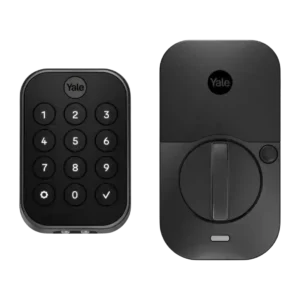
Physical attack resistance impressions were positive where discussed, especially for the key-free model and reviewers’ sense that the lock felt tough.
Pros: Lock/unlock speed, Guest Codes and Access
Cons: Backset compatibility, Warranty and support
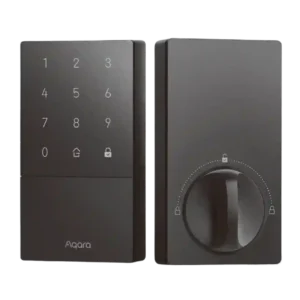
Residential security was treated as adequate rather than premium, with one reviewer saying the lock was good enough for most homes.
Pros: Access logs, Value and Price
Cons: Warranty and support, Wi-Fi
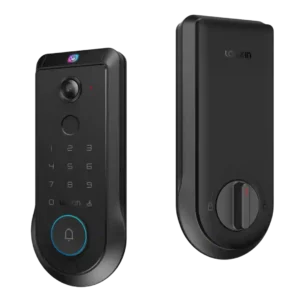
Physical attack resistance has limited positive support through residential durability language tied to the lock’s certification and construction.
Pros: Lock/unlock speed, Wi-Fi
Cons: Feature additions via updates, Warranty and support
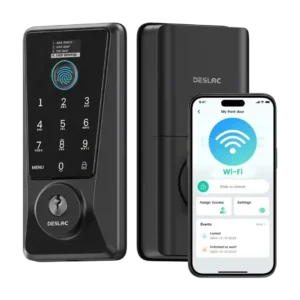
Physical resistance evidence was moderate: reviewers cited BHMA certification and durability, but one emphasized it is the lowest acceptable commercial level.
Pros: Feature additions via updates, Locking reliability
Cons: Door-sense, Auto-relock after failed attempts
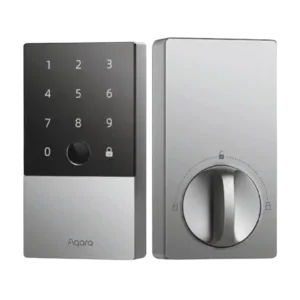
Physical attack evidence was limited, but one reviewer framed the lock’s lowest BHMA grade as still providing meaningful durability.
Pros: Lock/unlock speed, Fingerprint
Cons: Keyway quality, Wi-Fi
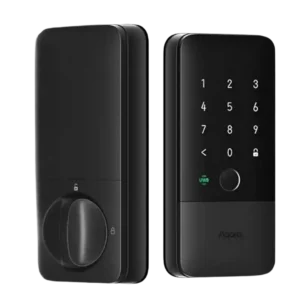
Physical attack resistance drew a caveat: the reviewer appreciated certification but clearly wished the U400 had a stronger Grade 2 rating instead of Grade 3.
Pros: Locking reliability, Lock/unlock speed
Cons: Bluetooth, Physical attack resistance