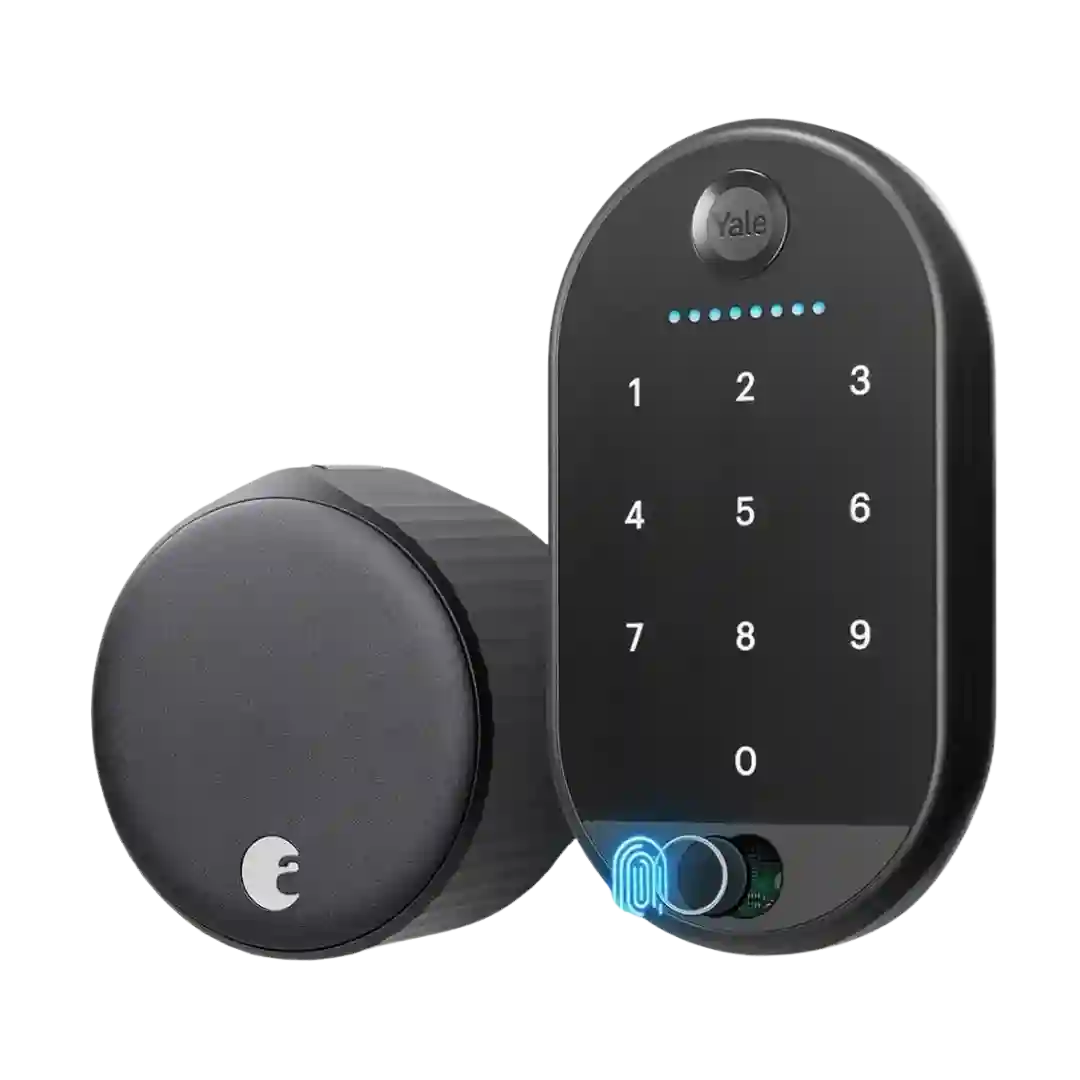
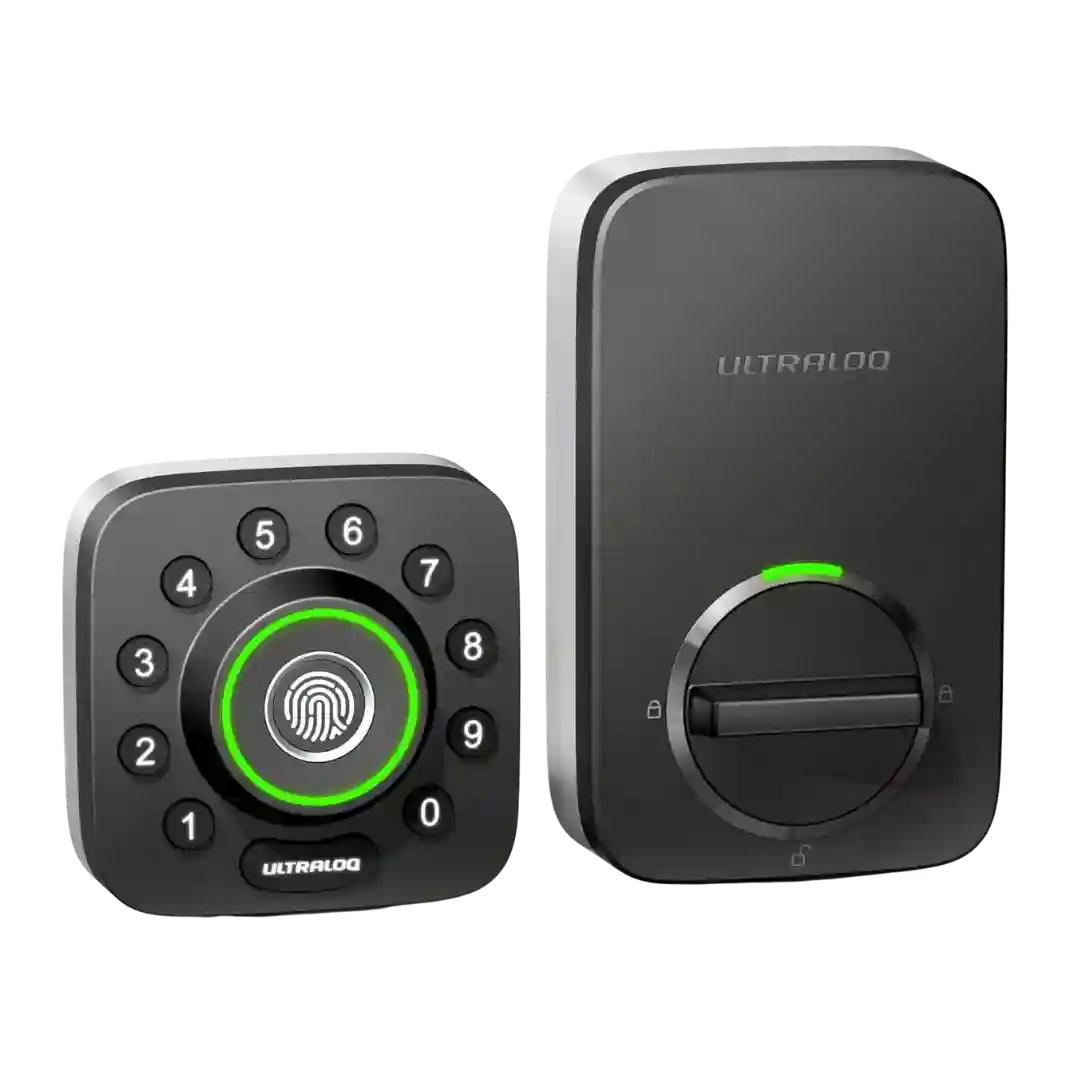
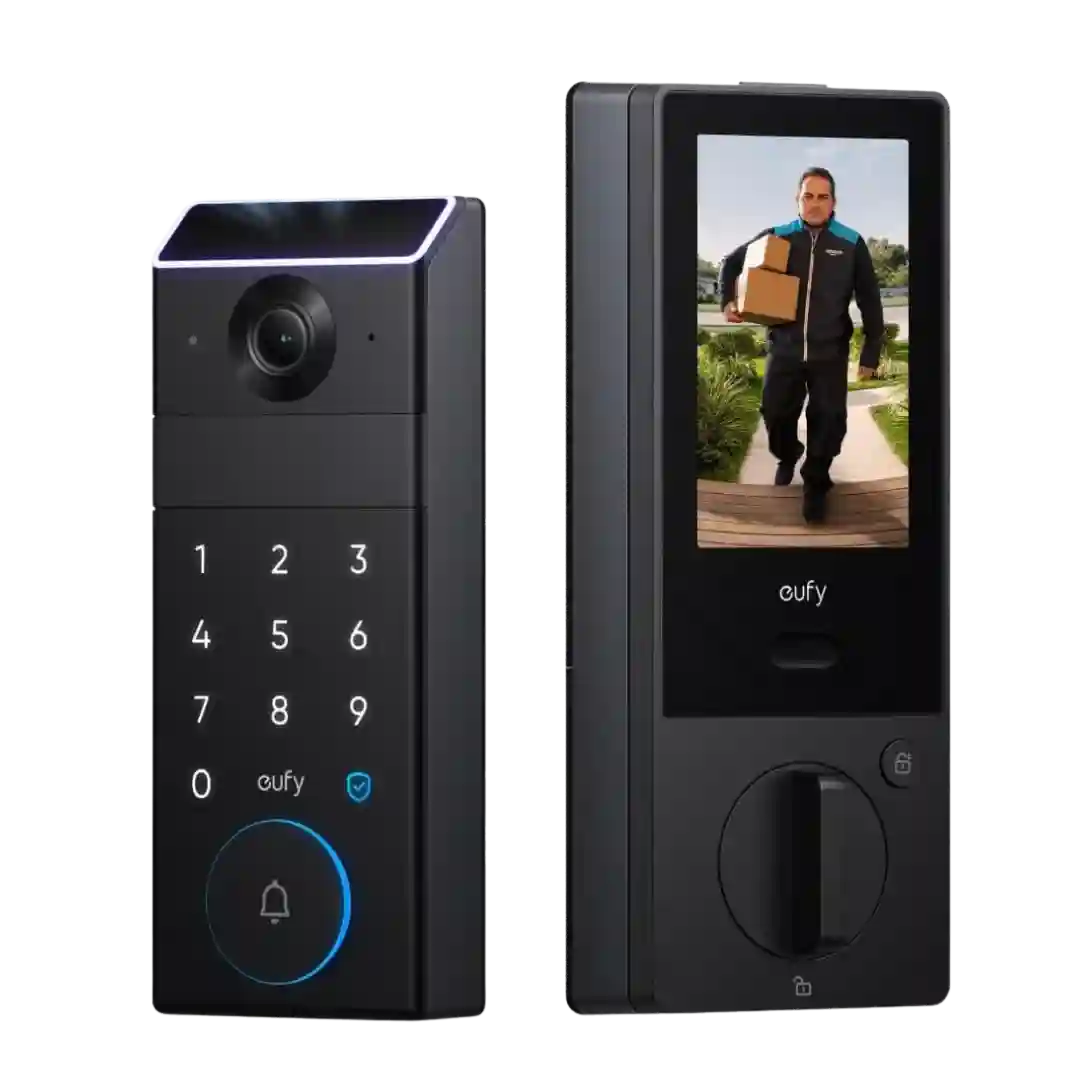
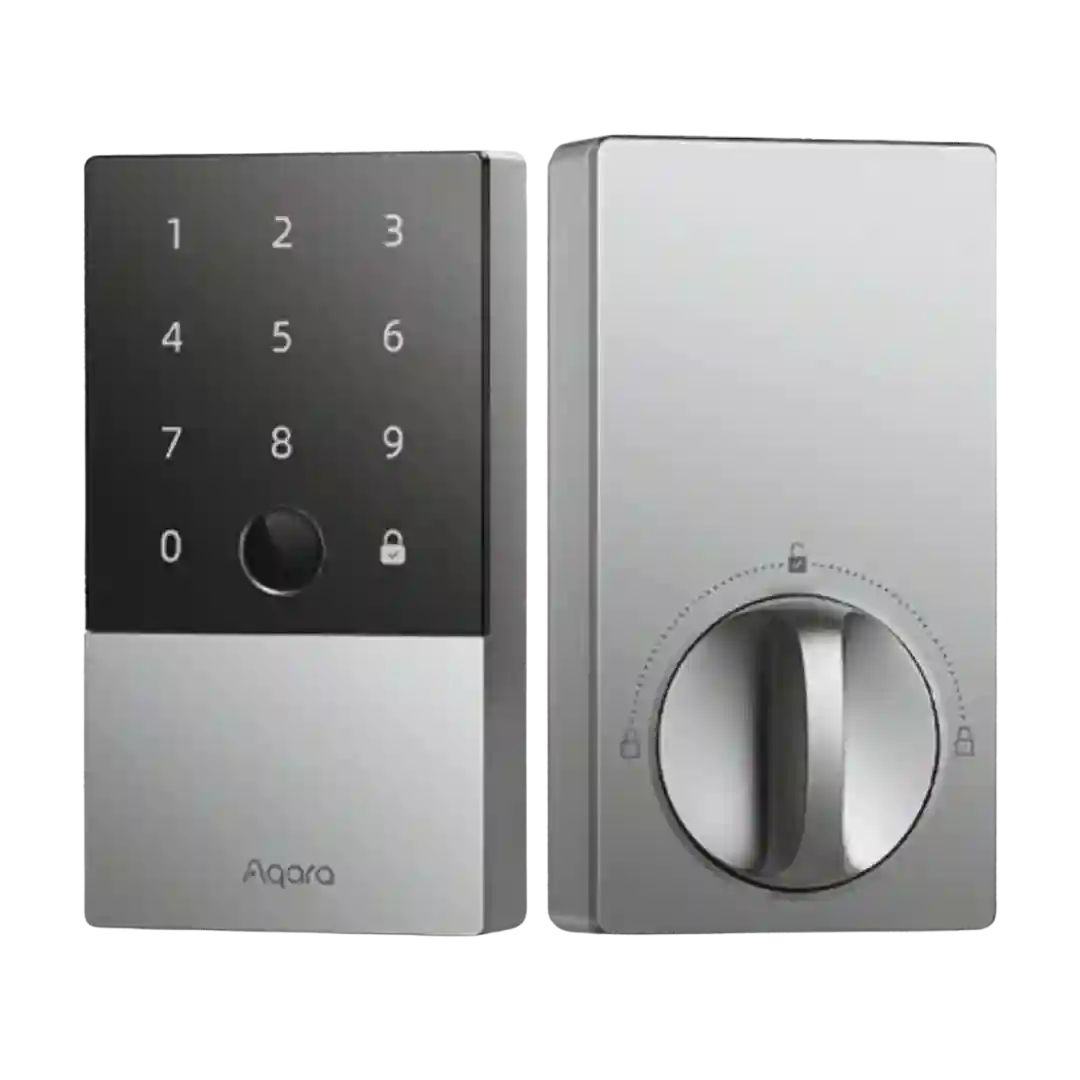
Security discussions highlight encrypted wireless communication (especially over Bluetooth in locksmith-focused reviews) and the importance of PIN requirements for sensitive actions like voice unlocking.
Security notes include locally stored fingerprints protected with AES encryption, multi-layer encryption for app/account data, and restrictions that require local Bluetooth for certain sensitive setting changes.
One review explicitly cites 128-bit AES encryption as part of the lock's security approach. Most other reviews focus more on ecosystem security and account practices than on cryptography details.
Security features discussed include encrypted connections (Bluetooth and app traffic) and safeguards like voice PIN requirements, contributing to reviewer confidence for typical smart-lock use.
Security features commonly mentioned include dual-layer encryption claims, the anti-peep keypad, activity logs, and a lockout mode that disables electronic access. These are generally seen as meaningful safeguards, though account-level protections are not universally praised.
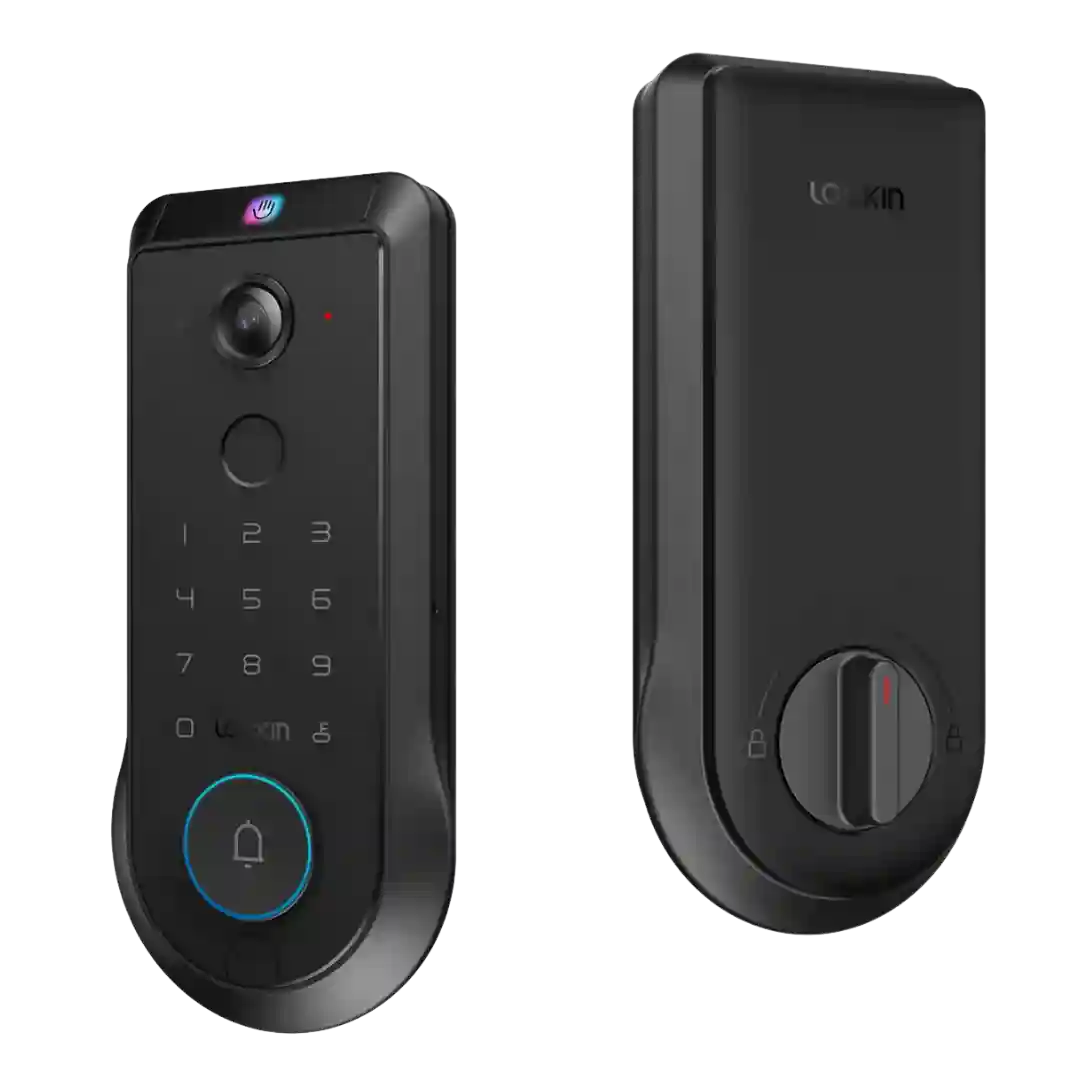
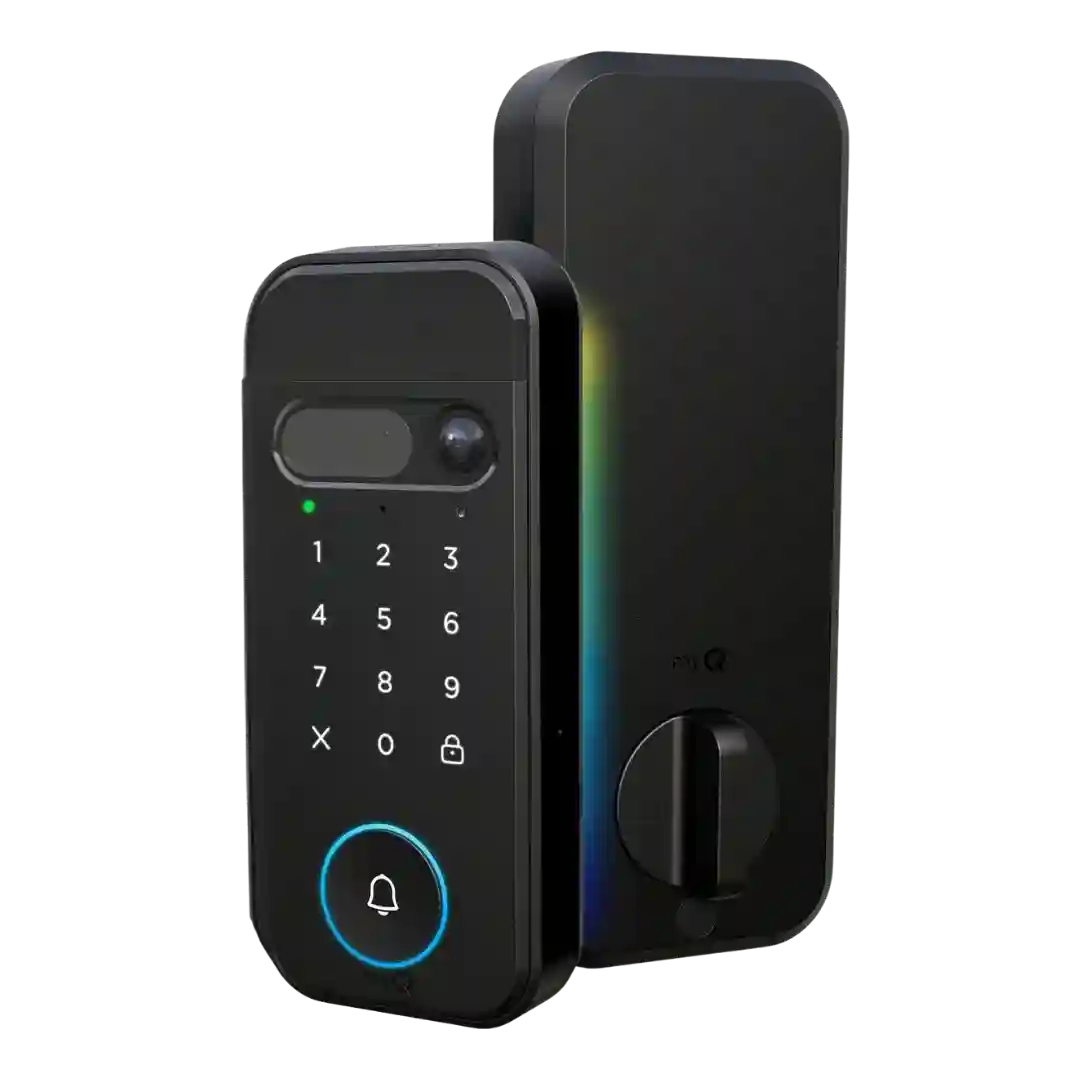
Security features mentioned across reviews include local video storage, scramble passcodes, configurable lockout after failed attempts, and encrypted communications. Privacy and local data storage are frequently framed as benefits versus subscription-first competitors.
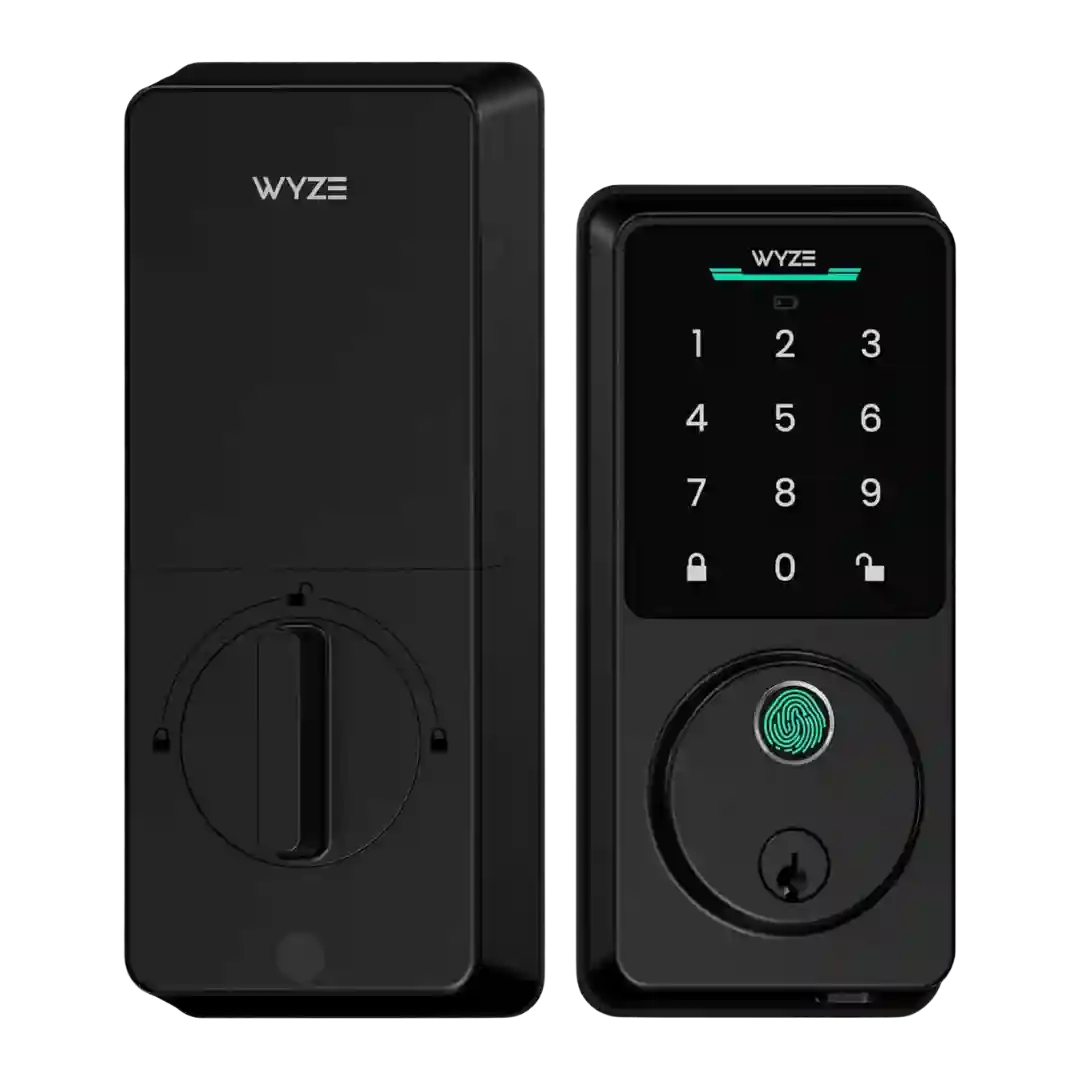
Security is reinforced with AES-128 style encryption claims and on-device fingerprint storage, which reviewers view positively for privacy. The feature set focuses on secure access methods and auditability rather than ultra-high-security cylinders.
Security is framed around modern app and platform controls, with some reviews explicitly calling out AES-style encryption and secure ecosystem integrations.
Digital security notes include AES-128 encrypted communication and local storage of biometric data (faces/fingerprints) rather than cloud dependence in several reviews. On the physical side, overall security still depends on the strength of your existing cylinder and door hardware.
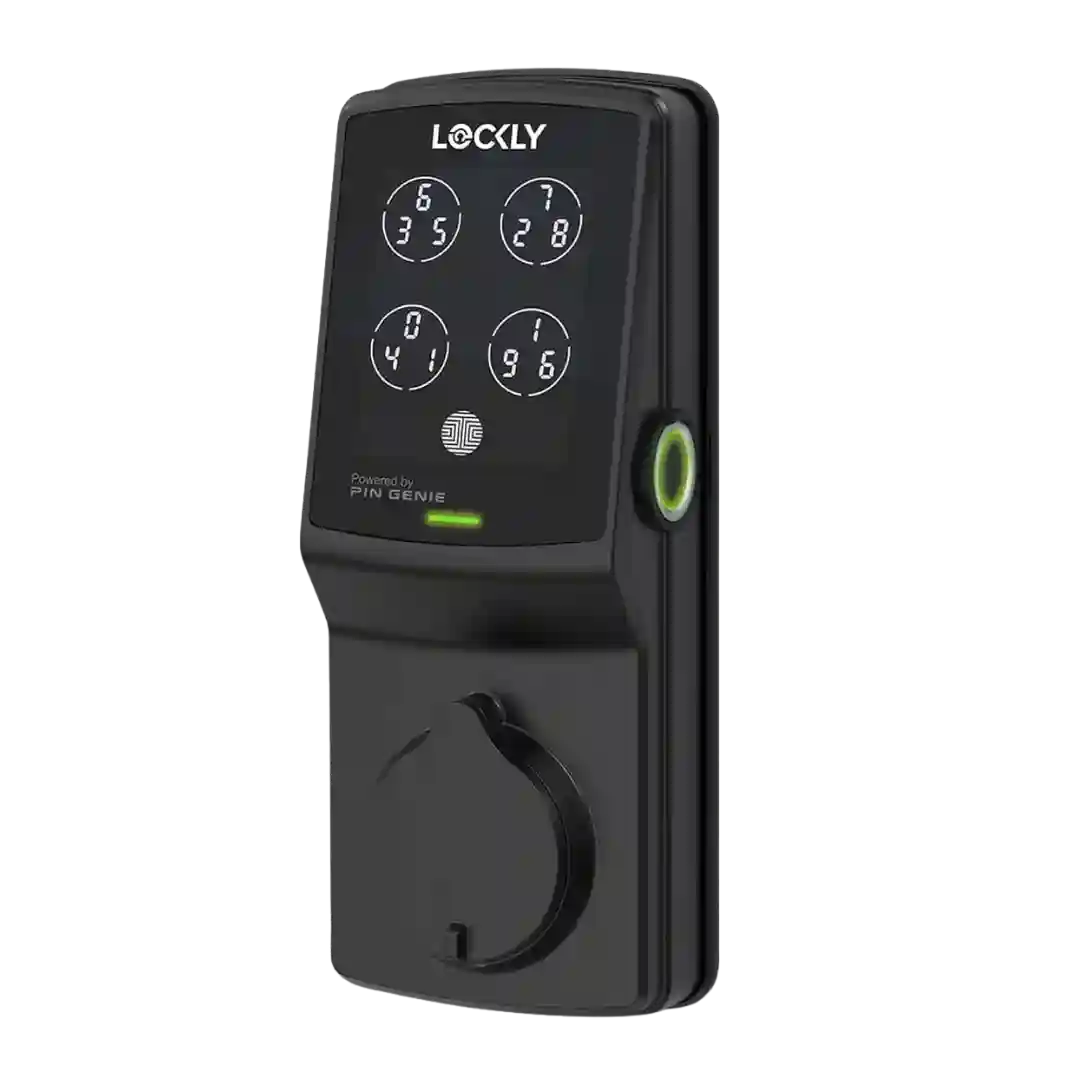
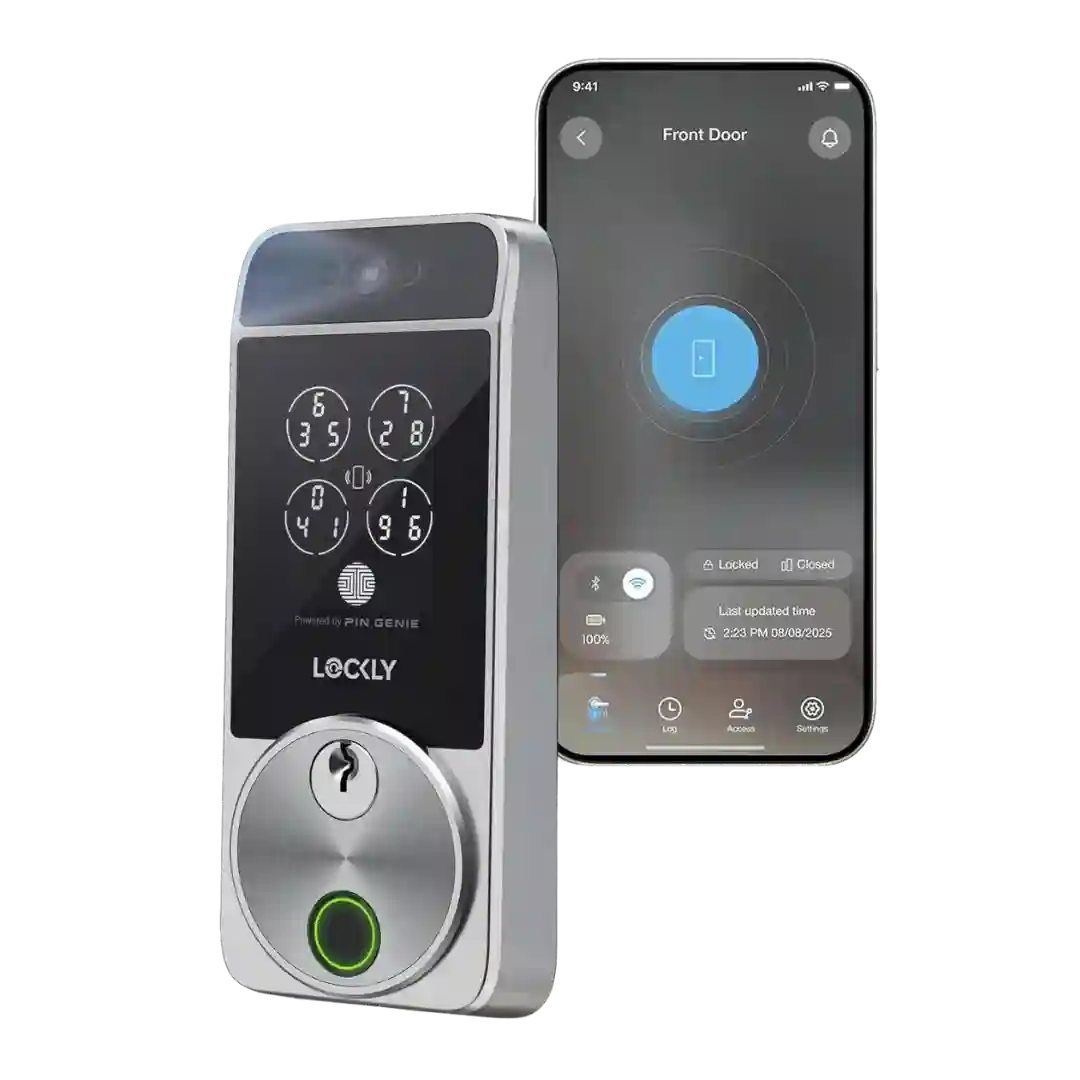
Security is reinforced by 3D facial scanning that resists photo spoofing, encrypted data handling claims, and the PIN Genie keypad design that reduces shoulder-surfing risk.
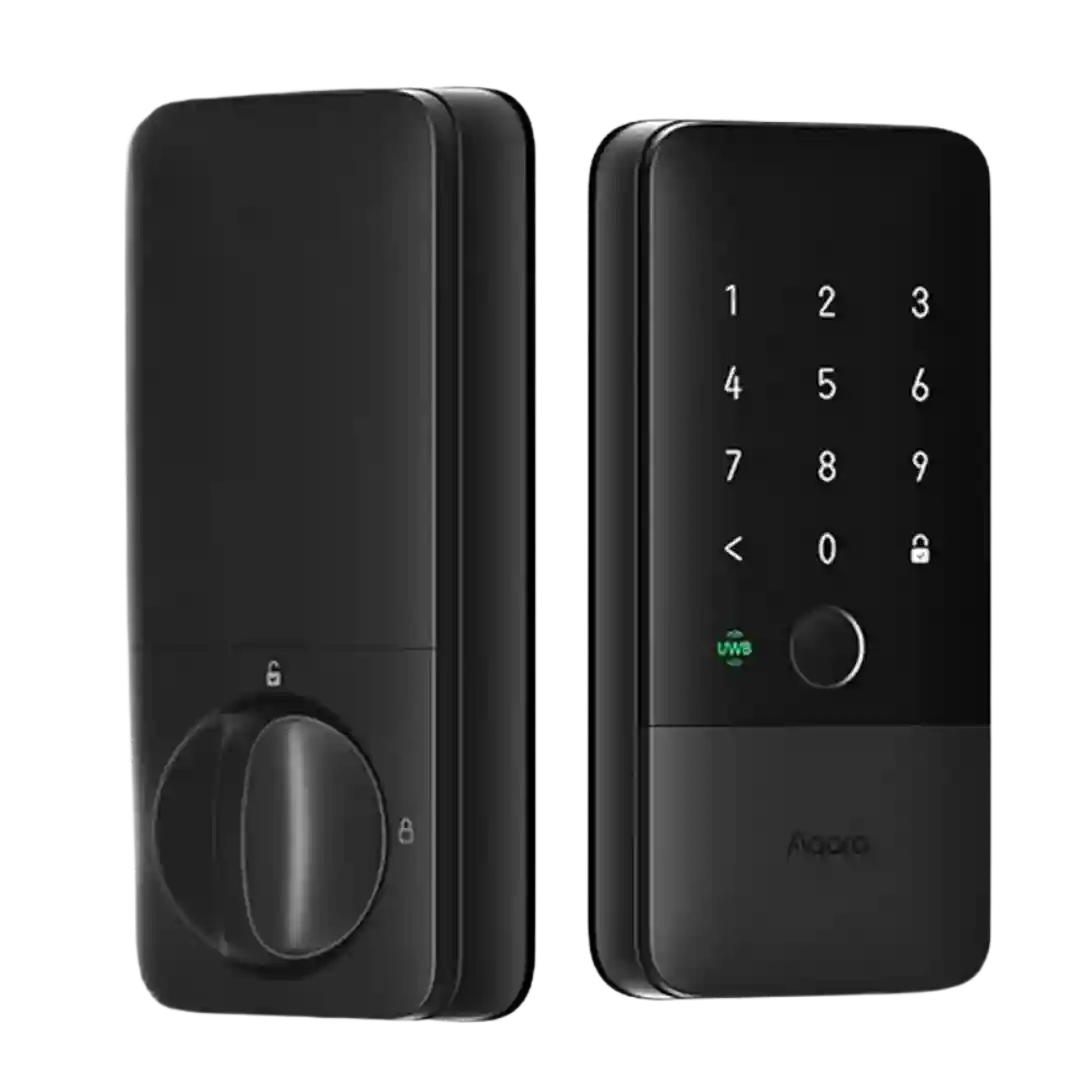
Security discussions center on UWB precision and anti-relay style benefits compared with Bluetooth-based proximity unlocking. Reviewers frame UWB as more intent-aware and harder to spoof in typical use than older Bluetooth/geofence approaches.
Some reviewers highlight on-device processing, local storage, and direct device-to-phone style connections (often described as more private), but concrete third-party verification details are limited; advanced security claims should be weighed against real-world software stability.
Security posture is framed around local biometric storage and standard app-based control; reviews emphasize fingerprints staying on-device rather than in the cloud, but do not deeply audit encryption specifics.
One walkthrough emphasizes that facial data stays on-device and references network protection settings, pointing to a privacy/security-first approach for biometrics.
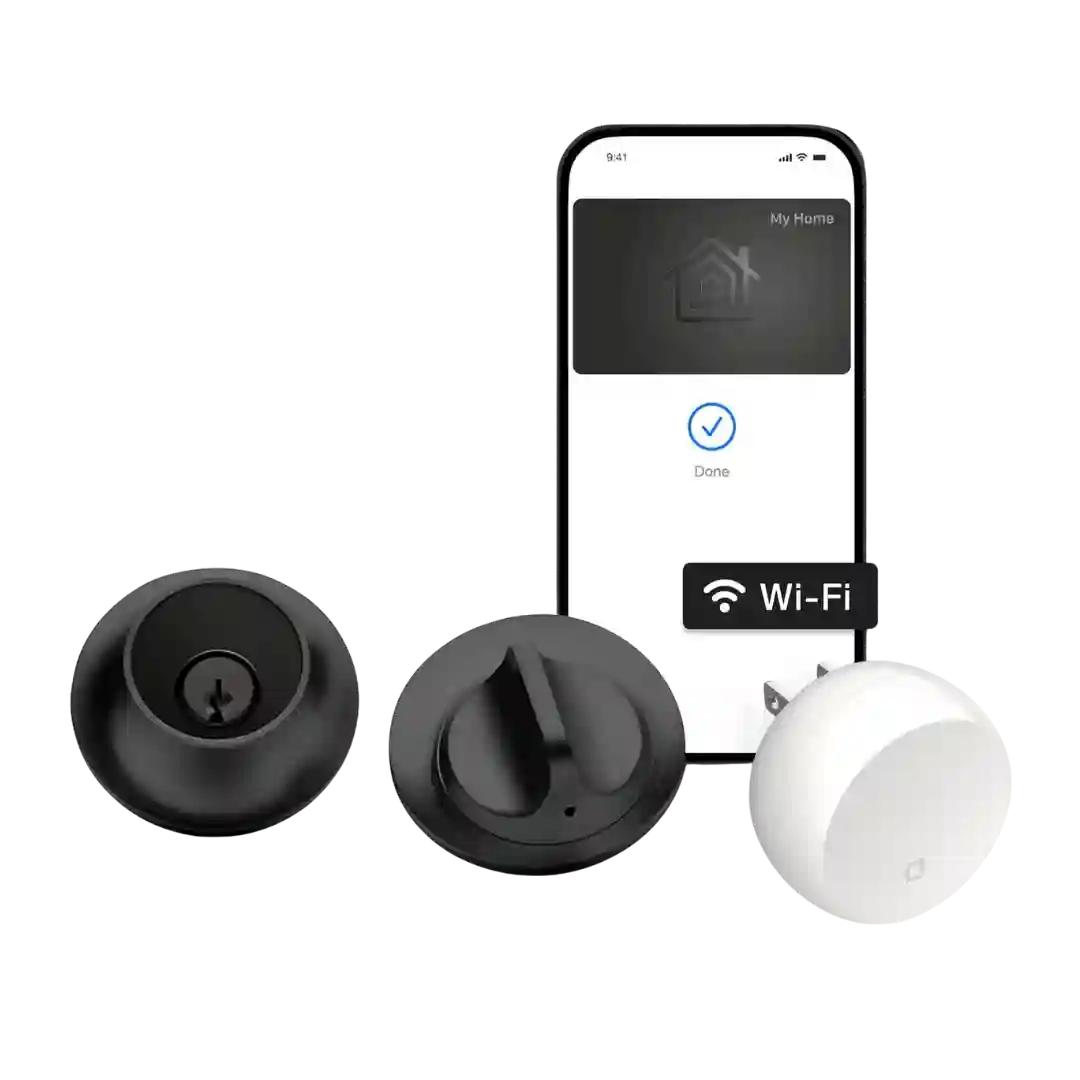
Security-wise, encryption is described positively (including end-to-end encryption mentions), and Home Key offers choices like Express Mode vs requiring device authentication, letting users balance speed and protection.
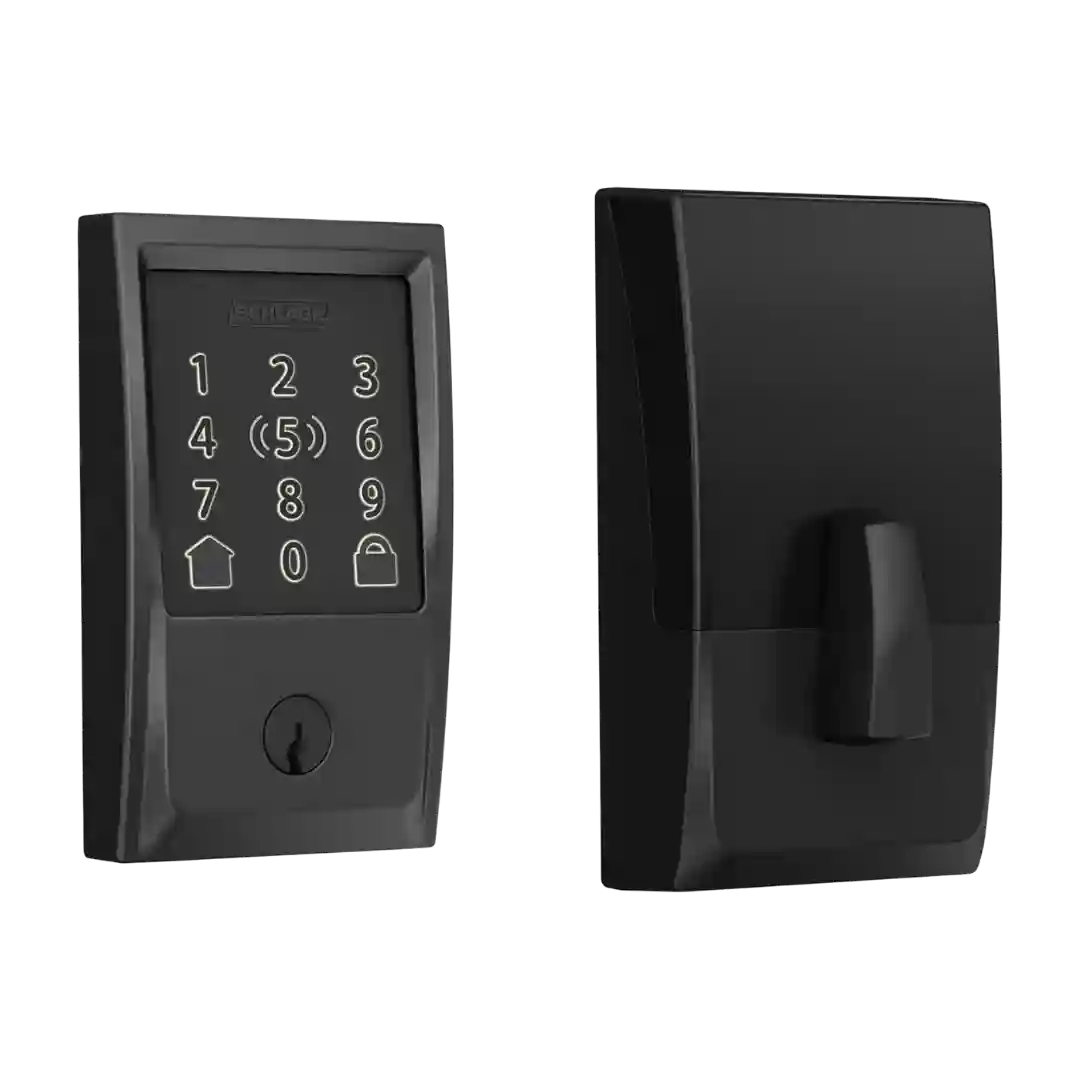
SecureScreen (decoy/random digits) helps prevent fingerprint-based code guessing, and Z-Wave versions mention encryption; the keywayless design also removes common key-based attack vectors like bump keys.
Security features mentioned include anti-peeping PIN entry, vacation-style restriction modes, failed-attempt lockouts, and anti-hijacking or SOS-style alerts; some sources also mention encrypted fingerprint storage, but overall physical security is positioned as budget-grade.
Security and privacy discussion centers on local storage and app behavior; one reviewer noted an on-screen encryption message before video streams to the bridge. Overall, the product is framed as privacy-leaning due to non-subscription local storage, with some mention of broader brand scrutiny.