Best for Weight comfort
Yamaha YH-L500A Headphones
5.0 feature score
Highest scored product for this feature based on supporting review evidence.
Highest scored product for this feature based on supporting review evidence.
Balances feature score, supporting reviews, and overall product strength.
Has the broadest review evidence for this feature.
Strongest overall product among items with scored evidence for this feature.
Showing Over-Ear Headphones only. Switch back to all Headphones & Earbuds anytime.
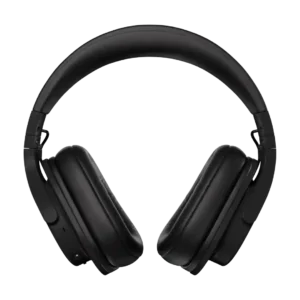
At roughly 9.3 ounces, the L500A is highlighted as very light for an over-ear wireless model, which contributes heavily to long-wear comfort.
Pros: Weight comfort, Audio-video sync accuracy
Cons: Active noise cancellation effectiveness, Noise cancellation adjustability
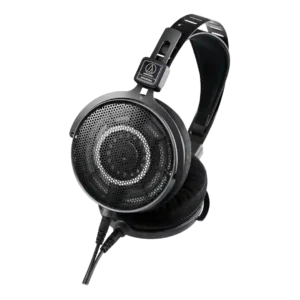
Nearly every review highlights how exceptionally light they feel, often framing that as a major comfort advantage.
Pros: Wired connection sound quality, 3.5mm analog input availability
Cons: Travel friendliness, Sound leakage

At roughly 105 grams, the Wesley is unusually light for an over-ear, and that featherweight feel is repeatedly praised.
Pros: Charging, Design and Aesthetics
Cons: Active noise cancellation effectiveness, Maximum volume clarity
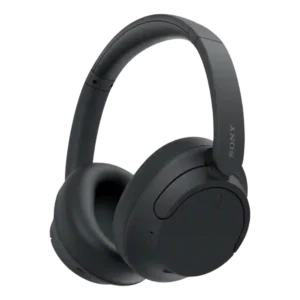
A consistent standout: reviewers repeatedly call these exceptionally light for over-ears (around the ~190g range) and easy to wear for long sessions.
Pros: USB-C, Weight comfort
Cons: aptX, Water/sweat resistance rating
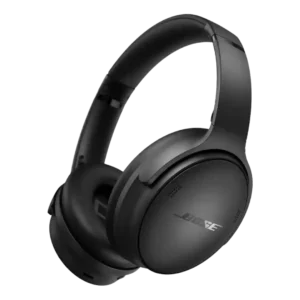
Reviewers consistently highlight the light weight as a major comfort advantage, helping reduce fatigue during long sessions.
Pros: Volume output, Weight comfort
Cons: aptX, LDAC
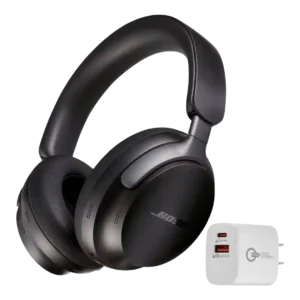
Weight is generally considered light for the class (around 250g), contributing to reduced fatigue over long sessions.
Pros: Volume output, Comfort during long use
Cons: Water/sweat resistance rating, USB-C

Low weight is consistently praised, with reviewers citing roughly 261–265g and easy long-session wear.
Pros: Bluetooth version, Battery
Cons: Water/sweat resistance rating, Wind noise handling
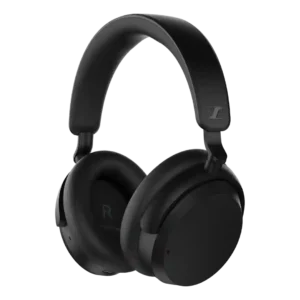
Weight is a clear advantage across reviews, frequently cited as making long sessions easier than heavier competitors.
Pros: Audio-video sync accuracy, USB-C
Cons: Water/sweat resistance rating, Carry case quality
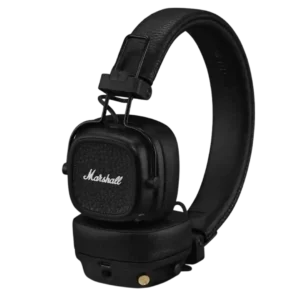
The light weight was one of the most consistently praised comfort traits, with multiple reviews emphasizing the roughly 165-186g build.
Pros: Ear cup swivel/rotation range, USB-C
Cons: Active noise cancellation, Transparency mode quality
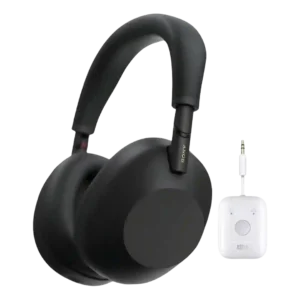
At roughly 254g, weight is a consistent advantage; multiple comparisons highlight it as far lighter than AirPods Max and easy to wear for travel days.
Pros: Active noise cancellation effectiveness, Weight comfort
Cons: Water/sweat resistance rating, Replaceable battery
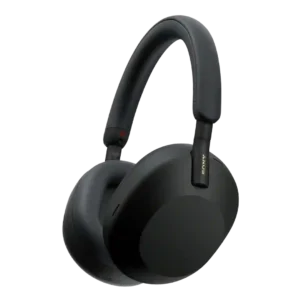
At roughly 250g, the XM5 is widely considered lightweight for the category and less fatiguing than heavier competitors.
Pros: Active noise cancellation effectiveness, Weight comfort
Cons: aptX, Water/sweat resistance rating
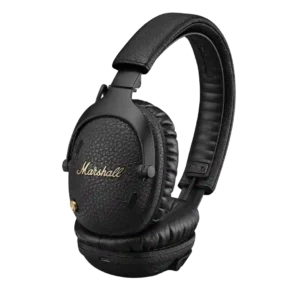
Weight is consistently called light for the class (around the mid-200g range), contributing strongly to comfort and portability.
Pros: Battery, Clamping force comfort
Cons: aptX, LDAC
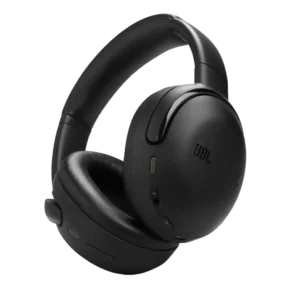
Low weight contributes directly to comfort in multiple reviews.
Pros: Battery, Connectivity options
Cons: Water/sweat resistance rating, Replaceable earpads
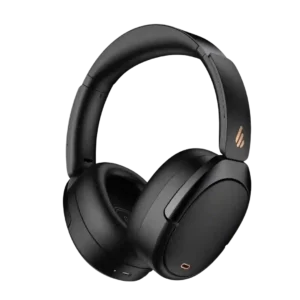
The weight is low enough to be considered comfortable for portable use.
Pros: Microphone quality for calls, Comfort during long use
Cons: aptX, Water/sweat resistance rating
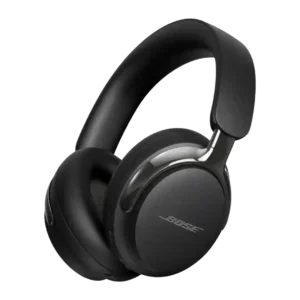
Weight is repeatedly highlighted as a major comfort advantage versus heavier rivals, making it easier to wear for travel and workdays.
Pros: Android compatibility, Multi-platform compatibility
Cons: Water/sweat resistance rating, Dongle
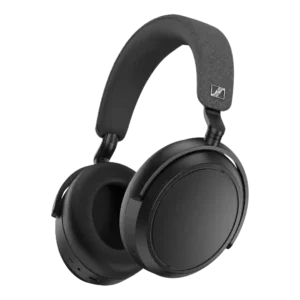
Weight is typically reported around the 290g range and perceived as manageable, though not the lightest in class and still a factor for ultra-long sessions for some users.
Pros: Battery, aptX
Cons: LDAC, Water/sweat resistance rating
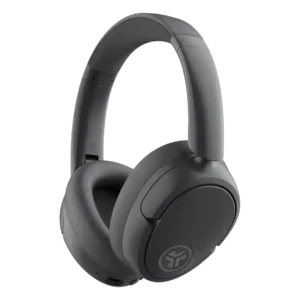
Weight comfort is generally positive, with multiple sources noting the ~235g build feels light on the head.
Pros: Battery, Cable quality
Cons: aptX, LDAC
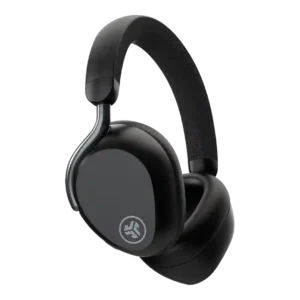
Weight comfort is good despite the roughly 300g build, with most reviewers saying the headphones feel balanced rather than burdensome.
Pros: USB-C, Award recognition
Cons: Water/sweat resistance rating, Sidetone adjustment quality
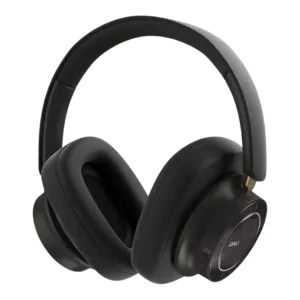
Weight is noted as present but generally not burdensome once worn, though some acknowledge the overall heft and size compared to mainstream travel headphones.
Pros: Maximum volume clarity, Replaceable earpads
Cons: App, Equalizer customization
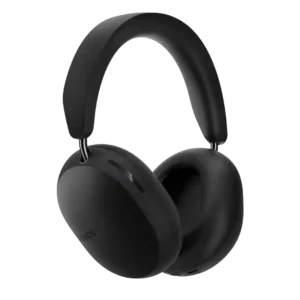
Weight comfort is routinely praised, especially compared with heavier metal competitors. The lighter feel is a major contributor to long-session wearability.
Pros: USB-C, Replaceable earpads
Cons: Water/sweat resistance rating, Cable quality
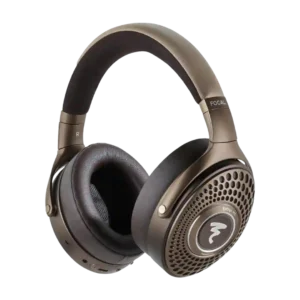
At about 350g the Bathys MG is not especially light, but most reviewers still find the weight well managed and comfortable in practice.
Pros: Build quality, Instrument separation
Cons: LDAC, Touch control responsiveness
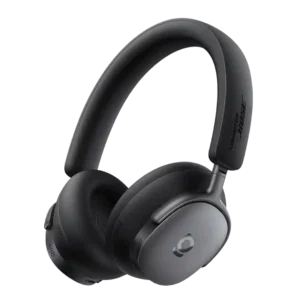
At roughly 275 g, weight comfort is generally good for over-ears, though a few note it is slightly heavier than top Sony/Bose models.
Pros: Battery, Charging
Cons: Sensors, Wired connection sound quality
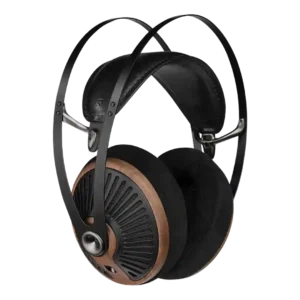
At roughly mid-300g, the Silva isn’t ultra-light, but reviewers frequently say it feels lighter on-head due to excellent weight distribution. Most report minimal fatigue from weight during extended sessions.
Pros: Sustainability materials, Replaceable earpads
Cons: Noise isolation (passive), Portability/foldability
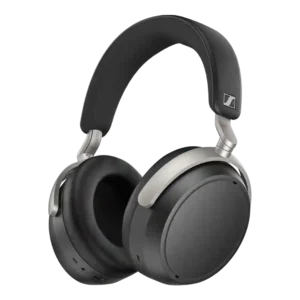
At roughly 311g, weight is noticeable but often well-distributed. Some still prefer lighter competitors for all-day travel comfort.
Pros: Battery, Equalizer customization
Cons: Xbox compatibility, Water/sweat resistance rating
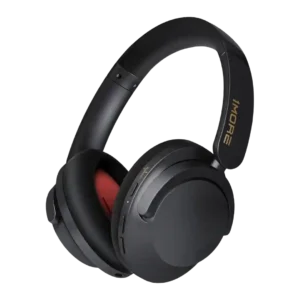
At roughly 246g, weight comfort is generally excellent and reduces fatigue; an older-model review mentions a headband-heavy feel, but most comments emphasize the lightweight build.
Pros: Battery, USB-C
Cons: aptX, Water/sweat resistance rating
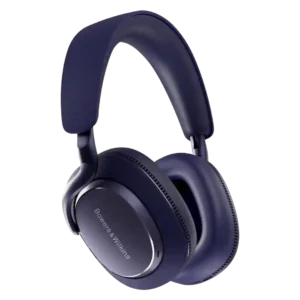
At roughly 300g, weight is acceptable for the materials and feels lighter than some heavy flagships, but heavier than the lightest Sony/Bose options. A few reviewers notice shifting while moving.
Pros: aptX, Multipoint connectivity reliability
Cons: Replaceable battery, LDAC
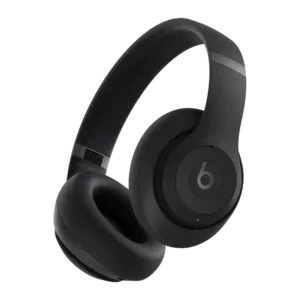
Weight is generally considered manageable for an over-ear at roughly 260 to 270 grams, and it is noticeably lighter than AirPods Max. Comfort complaints more often stem from clamp and...
Pros: Design and Aesthetics, Multi-platform compatibility
Cons: aptX, LDAC
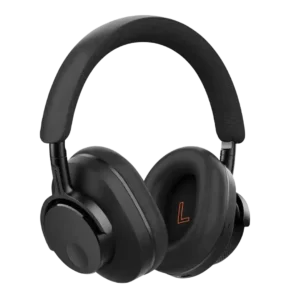
Weight is repeatedly cited around 330g, which is heavier than many peers and can impact comfort for those sensitive to top-of-head pressure.
Pros: Battery, Replaceable battery
Cons: LDAC, Water/sweat resistance rating
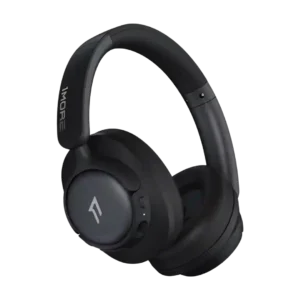
Weight comfort is mixed. Some reviewers found them light enough for long wear, while others noticed the mass quickly and preferred lighter alternatives.
Pros: Battery, Charging
Cons: Carry case quality, Sensors
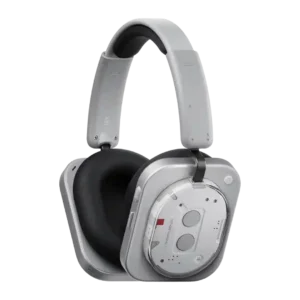
At ~329g, weight is noticeable: reviewers often say it’s lighter than AirPods Max but heavier than Sony/Bose alternatives, which can affect long-wear comfort.
Pros: LDAC, Equalizer customization
Cons: Replaceable battery, Sustainability materials
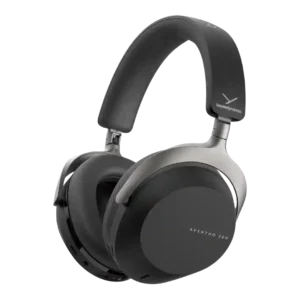
At roughly 319g, weight is noticeable for some listeners and is part of the comfort complaints, though others still consider it manageable.
Pros: aptX, Battery
Cons: Frequency response accuracy, Clamping force comfort
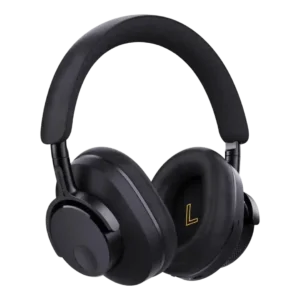
At roughly 330g, weight is acceptable to some but heavy to others, and it can feel cumbersome around the neck or in a bag compared with lighter rivals.
Pros: Replaceable earpads, Replaceable battery
Cons: Water/sweat resistance rating, Touch control responsiveness
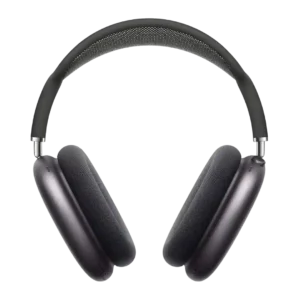
Nearly all reviewers mention the heft; comfort is good for the weight, but it is still heavier than key rivals.
Pros: Hinge durability, Transparency mode quality
Cons: aptX, LDAC
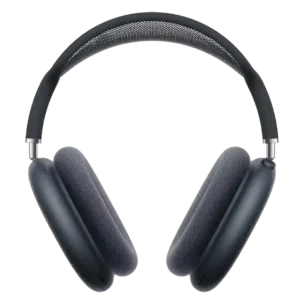
Weight comfort is one of the biggest tradeoffs. The headphones feel premium but heavy, and several reviewers said long sessions reveal the 385-386g mass.
Pros: Award recognition, Software/setup simplicity
Cons: aptX, LDAC