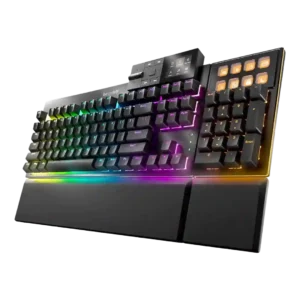
Hot-swappable switches were consistently praised for making switches and keycaps easy to replace or customize.
Pros: key stability, per-key lighting control
Cons: analog input support, wireless performance
Hot-swappable switches were consistently praised for making switches and keycaps easy to replace or customize.
Pros: key stability, per-key lighting control
Cons: analog input support, wireless performance
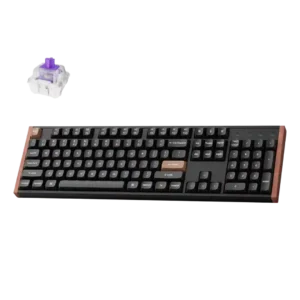
Hot-swappable switch support was praised as seamless with compatible magnetic switches.
Pros: wireless performance, key responsiveness
Cons: switch options, desk space efficiency
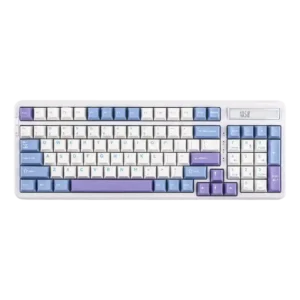
Hot-swappable switches were a clear positive where reviewers judged the feature, especially because swapping avoids soldering and was called a godsend.
Pros: ease of switch replacement, typing feel
Cons: key spacing, layout options
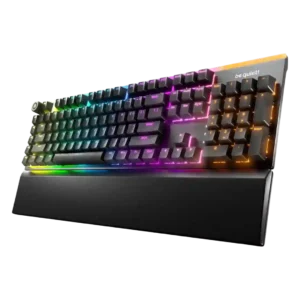
Hot-swappable switch support is praised when reviewers connect it to easy customization and 5-pin switch flexibility.
Pros: ease of switch replacement, acoustics
Cons: rapid trigger support, analog input support
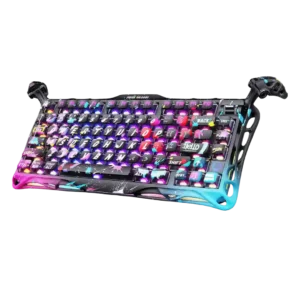
One reviewer highlighted the Hall-effect switches as easy to swap.
Pros: legend visibility, key responsiveness
Cons: connectivity, cable quality
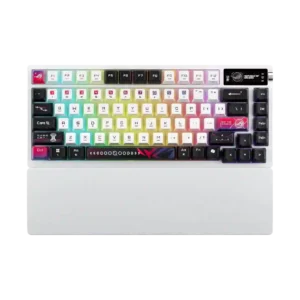
Hot-swappable switches were seen as a meaningful enthusiast-friendly advantage, especially for users who want to experiment or replace switches.
Pros: latency, wireless performance
Cons: rapid trigger support, analog input support
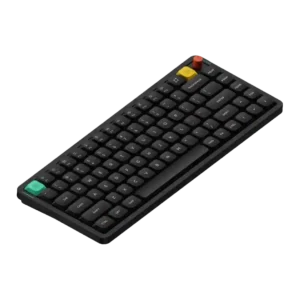
Hot-swappable switch support was useful and positive, giving reviewers flexibility to change switches later.
Pros: key responsiveness, typing feel
Cons: per-key lighting control, legend visibility
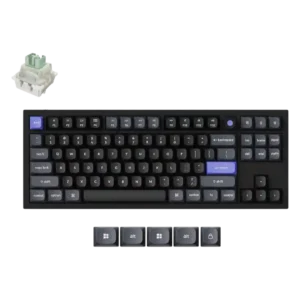
Hot-swap support is useful but notably limited because only Keychron’s Ultra-Fast Lime Magnetic switches are compatible.
Pros: key responsiveness, polling rate
Cons: switch options, portability
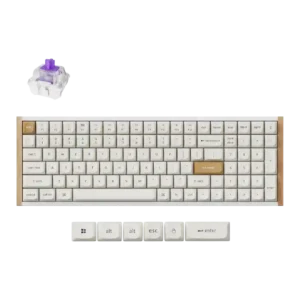
Hot-swapping was treated as limited: reviewers acknowledged swappability but stressed that traditional switches or broader switch ecosystems are not supported.
Pros: durability, rapid trigger support
Cons: per-key lighting control, stabilizer quality
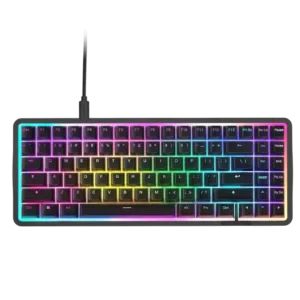
Hot-swap support was treated as useful but limited, because Hall-effect compatibility and proprietary switch support reduce flexibility.
Pros: latency, acoustics
Cons: passthrough features, wireless performance
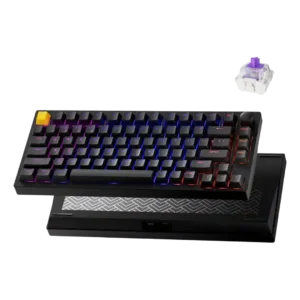
Hot-swappable switch support was mixed to negative: some valued magnetic hot-swap support, but others emphasized the narrow compatible-switch range.
Pros: frame rigidity, stabilizer quality
Cons: per-key lighting control, RGB customization
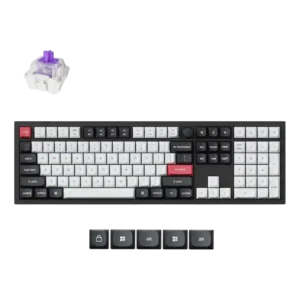
Hot-swappable switch support was mixed-to-negative because replacement is possible but limited to compatible Gateron magnetic switches.
Pros: key stability, frame rigidity
Cons: portability, switch options
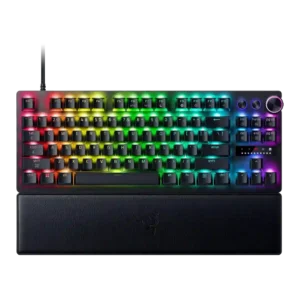
Hot-swappable switches were a weakness where discussed because the keyboard is not hot-swappable at the switch level.
Pros: key responsiveness, actuation consistency
Cons: switch options, hot-swappable switches