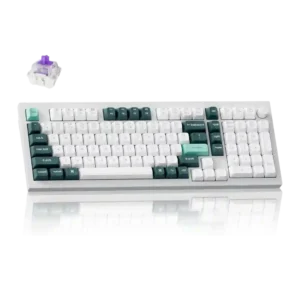
One supplied review praised hot-swappable switch flexibility, though most Q5 HE-specific switch discussion focused on limited magnetic switch options.
Pros: cable quality, typing comfort
Cons: portability, switch options
One supplied review praised hot-swappable switch flexibility, though most Q5 HE-specific switch discussion focused on limited magnetic switch options.
Pros: cable quality, typing comfort
Cons: portability, switch options
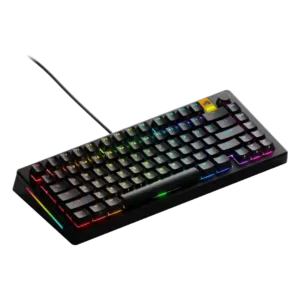
Hot-swappability was a standout, especially the unusual ability to use both magnetic HE and mechanical MX-style switches.
Pros: RGB lighting quality, layout options
Cons: frame rigidity, value for money
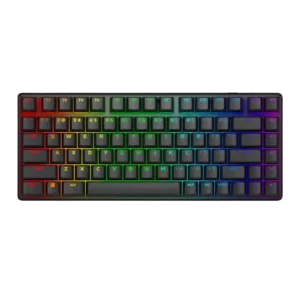
Hot-swappable switches were widely appreciated as a practical way to extend the board and tailor its feel.
Pros: key stability, backlight brightness
Cons: rapid trigger support, wrist rest quality
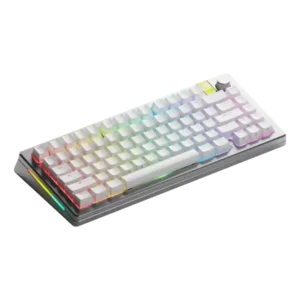
Hot-swappable switch support was highly praised, especially the dual MX and Hall effect socket implementation.
Pros: materials quality, customization options
Cons: reliability, actuation consistency
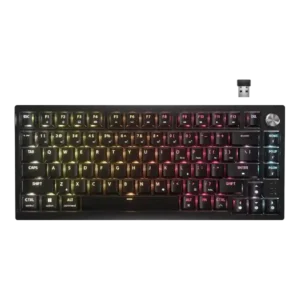
Hot-swappable switches were one of the strongest points, repeatedly praised for making the keyboard easy to tailor after purchase.
Pros: latency, durability
Cons: legend visibility, rapid trigger support
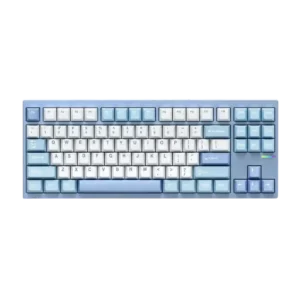
Hot-swappable switches were consistently treated as a benefit because users can replace switches without soldering and personalize the board.
Pros: value for money, customization options
Cons: cable quality, portability
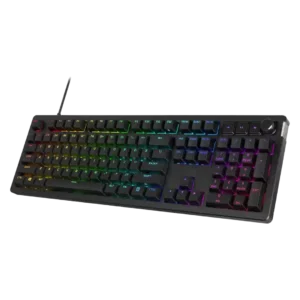
Hot-swappable switches are consistently positive, giving users functional flexibility and easy future upgrades without soldering.
Pros: compatibility, legend visibility
Cons: wrist rest quality, cable quality
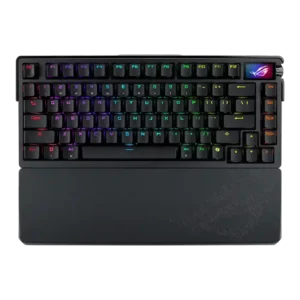
Hot-swappable switches were viewed as useful and convenient, though one reviewer felt the feature is less valuable at such a high prebuilt price.
Pros: key spacing, reliability
Cons: rapid trigger support, analog input support
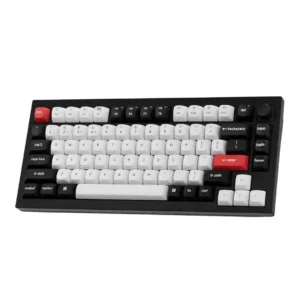
Hot-swap support is useful but constrained because compatible switches are limited to specific magnetic options rather than standard MX-style choices.
Pros: key stability, frame rigidity
Cons: profile management, reliability
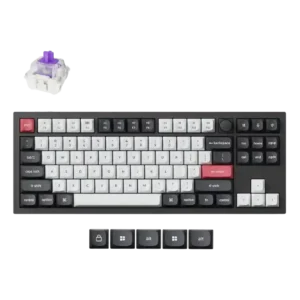
Hot-swap support was limited by compatibility, because the switches are swappable but not compatible with traditional mechanical switches.
Pros: build quality, extra gaming features
Cons: switch options, hot-swappable switches
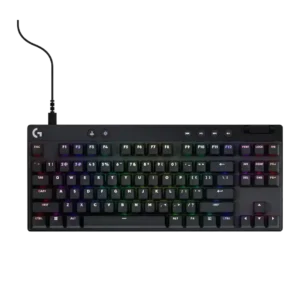
Hot-swappability is a major plus on older Pro X boards but a major complaint on later TKL, 60%, and Rapid versions when absent or proprietary.
Pros: durability, per-key lighting control
Cons: noise level, sound dampening
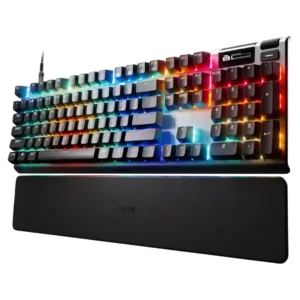
Hot-swap evidence was mixed by model and reviewer, ranging from no hot-swap support to Hall-effect switch swapping on TKL/Mini units.
Pros: key responsiveness, durability
Cons: passthrough features, analog input support
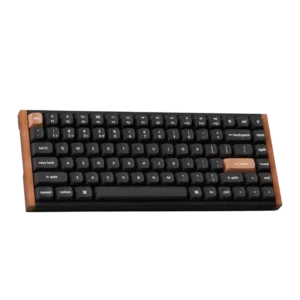
Hot-swap support was consistently treated as limited because the board only accepts compatible Hall effect double-rail switches.
Pros: wrist rest quality, onboard memory
Cons: per-key lighting control, switch options
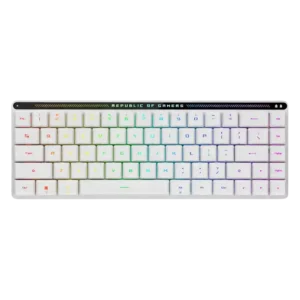
Hot-swappability is a limitation: several reviewers note the board is not hot-swappable, with only one reviewer downplaying the issue.
Pros: reliability, typing comfort
Cons: cable quality, wrist rest quality
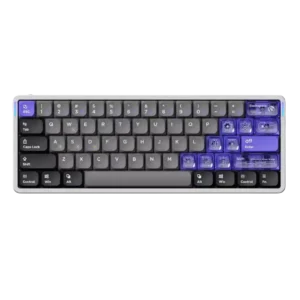
Hot-swap support was limited in practical value because compatible low-profile magnetic switch choices were narrow.
Pros: frame rigidity, rapid trigger support
Cons: switch options, legend visibility
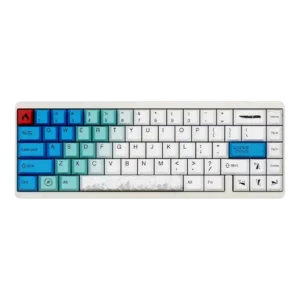
Hot-swappable switch support was scored low from one review because switch choice and hot-swap ability were described as limited.
Pros: durability, key responsiveness
Cons: reliability, RGB customization
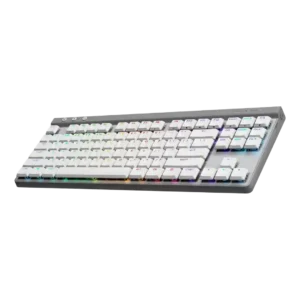
Hot-swap support was a clear weakness: reviewers repeatedly noted the switches are not hot-swappable or customizable at the hardware level.
Pros: latency, wireless performance
Cons: rapid trigger support, ease of switch replacement
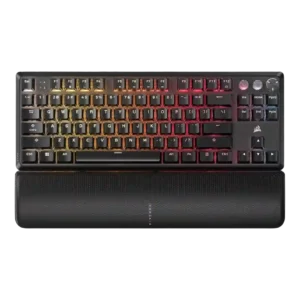
Hot-swappable switch support was a major split: some models finally offered it, while many Pro/RGB Pro reviews criticized the lack of hot-swap repairability.
Pros: per-key lighting control, key responsiveness
Cons: ease of switch replacement, battery life
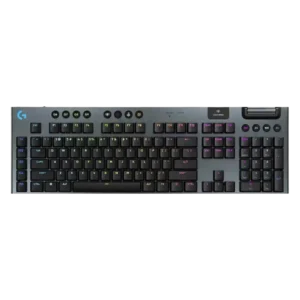
Hot-swappable switch support was consistently criticized because the switches are soldered and cannot be easily replaced.
Pros: stabilizer quality, latency
Cons: ease of switch replacement, hot-swappable switches