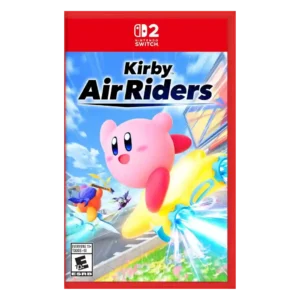
City Trial's open city design was praised for rewarding map knowledge and making repeated exploration worthwhile.
Pros: flying mechanics, exploration quality
Cons: AI behavior, boss design
City Trial's open city design was praised for rewarding map knowledge and making repeated exploration worthwhile.
Pros: flying mechanics, exploration quality
Cons: AI behavior, boss design
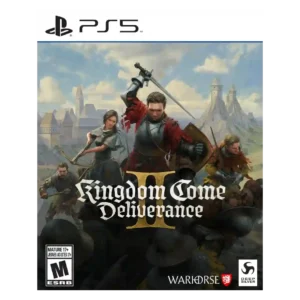
The open world drew strong praise for its scale, density, historically grounded cities, and lived-in regions across multiple maps.
Pros: soundtrack quality, fun factor
Cons: checkpoint system, family friendliness

The open world is repeatedly praised as varied, beautiful, and more densely interesting, with Australia seen as a stronger setting than before.
Pros: animation quality, facial animations
Cons: quest design, AI behavior
Semi-open design was praised for broader spaces, optional content and player choice in objectives.
Pros: environmental detail, polish
Cons: camera behavior, value for money

The open-ended structure was praised for feeling more exploratory than a typical curated 3D platformer.
Pros: gameplay mechanics, world interactivity
Cons: economy and resource balance, enemy variety

The open world is widely praised for beauty, density, organic discovery, and restraint, with dissenting notes about repetition, over-guidance, or familiar structure.
Pros: movement feel, environmental detail
Cons: puzzle design, age appropriateness
The open-world side is usually praised for scale and usefulness, though one reviewer found it somewhat disconnected.
Pros: load times, crash stability
Cons: originality, voice acting

Open-world design is broadly praised as a smart evolution for the series, yet several reviewers criticize emptiness, old-fashioned structure, or frustrating traversal barriers.
Pros: sandbox freedom, art direction
Cons: polish, save system reliability
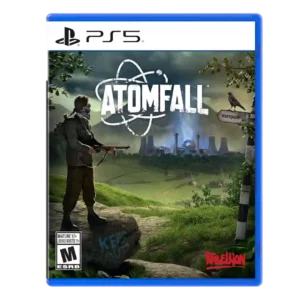
Open-world design was praised when reviewers liked its compact less-is-more structure, but criticized when the world felt static or underbaked.
Pros: art direction, frame rate stability
Cons: boss design, camera behavior

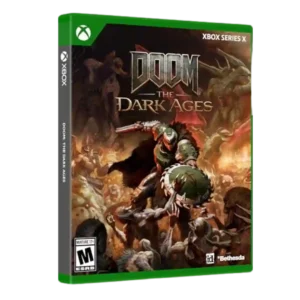
Open-world design was divisive: some praised the living, connected ecosystems, while others felt large spaces were wasted or spectacle-first.
Pros: art direction, cross-play support
Cons: dialogue quality, monetization fairness

Open-zone design split reviewers: many liked curated, dense hubs, while others found the world restrictive, lifeless, or not interactive enough.
Pros: tutorial quality, level design
Cons: stealth mechanics, endgame content
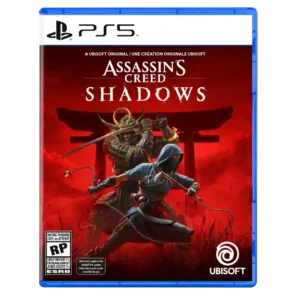
Open-world design divides reviewers: some admire the quality-over-quantity direction and road flow, while others find the checklist structure damaging to pacing.
Pros: environmental detail, cross-save support
Cons: writing quality, enemy variety
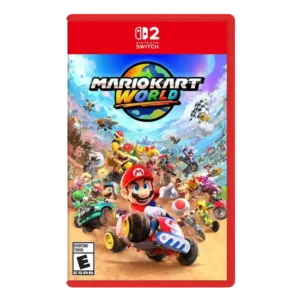
The open-world design was the most divisive feature, praised as clever or game-changing by some and criticized as lean, half-baked, or unnecessary by others.
Pros: animation quality, sound design
Cons: difficulty balance, AI behavior
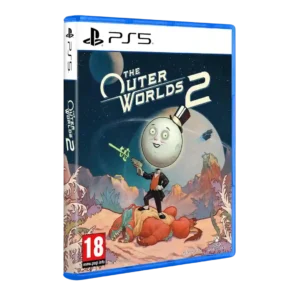
Open-zone design drew mixed reactions, with compact areas praised but barren spaces and shallow depth criticized.
Pros: world-building, mission design
Cons: mission variety, enemy variety

Open-world design scored low where the game’s static map was contrasted with mainline Zelda’s open world.
Pros: animation quality, multiplayer design
Cons: save system reliability, companion AI

Open-world design scored poorly overall because multiple reviewers disliked or mourned the removal of THPS4’s freer career structure, even when they accepted the compromise.
Pros: core gameplay loop, controls responsiveness
Cons: crash stability, cross-save support

Open-world design was mixed to negative, with some appreciating a dense city focus while others disliked the single-location limits.
Pros: crash stability, gameplay mechanics
Cons: AI behavior, monetization fairness

Sol Valley was the most consistent criticism, described by many reviewers as empty, barren, padded, or less interesting than the dungeons.
Pros: world-building, frame rate stability
Cons: companion AI, upgrade system
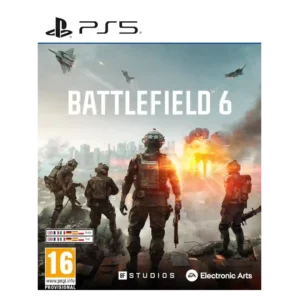
the open-world-style campaign mission was criticized for falling flat.
Pros: haptic feedback integration, performance optimization
Cons: pacing, microtransaction impact