Best for expandability
EcoFlow Delta 3 Plus Review
5.0 feature score
Highest scored product for this feature based on supporting review evidence.
Highest scored product for this feature based on supporting review evidence.
Balances feature score, supporting reviews, and overall product strength.
Has the broadest review evidence for this feature.
Strongest overall product among items with scored evidence for this feature.
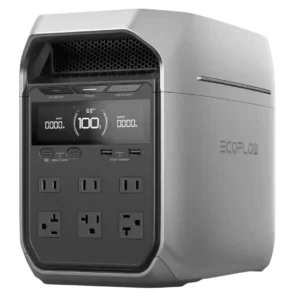
Extra batteries, alternator charging, solar, and Smart Generator support let the system grow from a simple portable station into a larger backup setup.
Pros: rated output, peak output
Cons: 30-amp output, parallel operation support
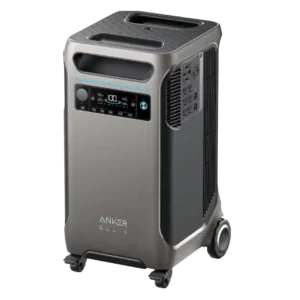
The platform can grow through batteries, a second F3800, solar, transfer hardware, and smart-home accessories, making it unusually future-proof.
Pros: rated output, output stability
Cons: car charging speed, USB-A ports
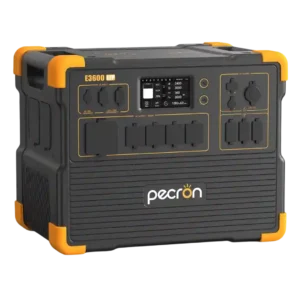
The broader system is highly expandable, including dual-unit 240-volt configurations and large battery banks.
Pros: power output, rated output
Cons: output stability, voltage regulation
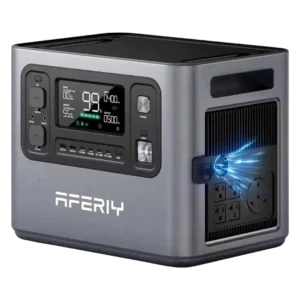
The modular system can grow from 2,048Wh to roughly 10.24kWh, making it adaptable from portable use to extended backup.
Pros: rated output, peak output
Cons: app connectivity, voltage regulation

Modular capacity is a major strength, letting owners grow from short-outage coverage to several days without replacing the base unit.
Pros: power output, rated output
Cons: USB-A ports, 12-volt outlet
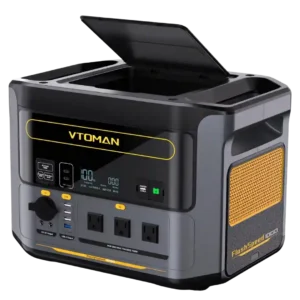
The station can grow into a broader battery-and-solar system, letting owners start with the base unit and add capacity later.
Pros: inverter quality, power quality
Cons: Wi-Fi connectivity, weather resistance
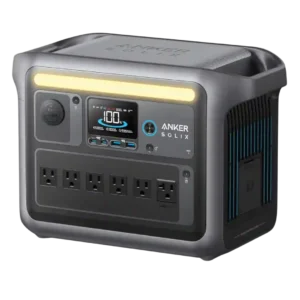
Doubling capacity with one add-on battery is valuable for longer trips and backup. The single-battery limit keeps it from scaling into a large home system.
Pros: power output, rated output
Cons: dual-input charging, cable storage
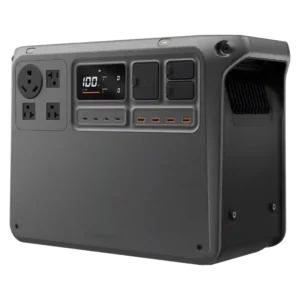
Capacity can scale to a serious home-backup system, although expansion batteries are expensive and add considerable bulk.
Pros: rated output, peak output
Cons: startup reliability, full-load noise
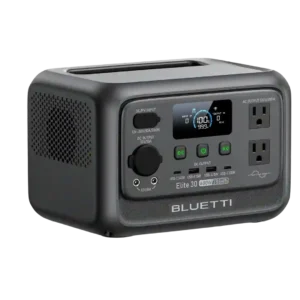
Direct battery expansion is not supported. Buyers who expect their energy needs to grow should start with a larger model.
Pros: rated output, output stability
Cons: over-voltage protection, cold-weather performance
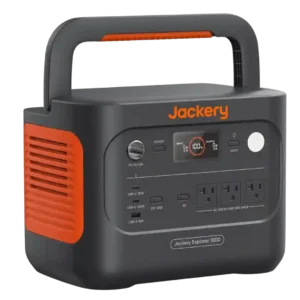
The fixed-capacity design keeps the unit simple and portable, but it is a major limitation for buyers expecting to add batteries later.
Pros: rated output, peak output
Cons: standby power loss, specification accuracy
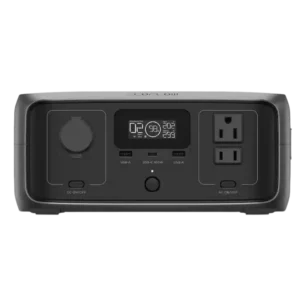
The base model is fixed at 245Wh and cannot accept expansion batteries; buyers needing growth should consider a higher model.
Pros: noise level, idle noise
Cons: self-discharge rate, air travel suitability
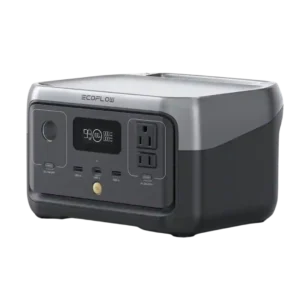
The base unit lacks the modular capacity options found on newer or larger models.
Pros: surge capacity, output stability
Cons: dual-input charging, whole-home integration
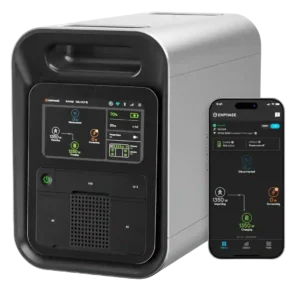
The fixed 1.5 kWh battery cannot be stacked or expanded, a meaningful drawback beside modular competitors.
Pros: rated output, output stability
Cons: runtime at full load, RV outlet
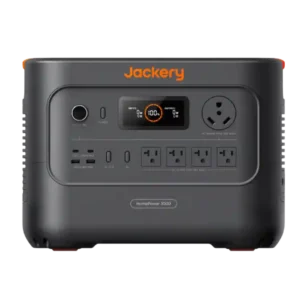
The system cannot grow beyond its built-in battery, a serious limitation for buyers planning multi-day or scalable home backup.
Pros: power output, rated output
Cons: battery expandability, car charging speed
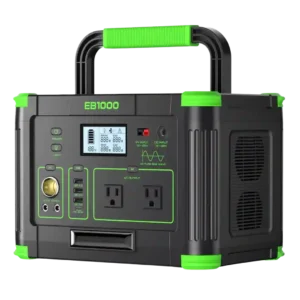
There is no capacity-expansion path, so growing power needs require a separate or larger station.
Pros: rated output, output stability
Cons: battery expandability, startup reliability