If you want better dust resistance
Choose Jackery Explorer 1000 V2. It scores 4.5 vs 1.0 for dust resistance, with a 4.4 overall score.
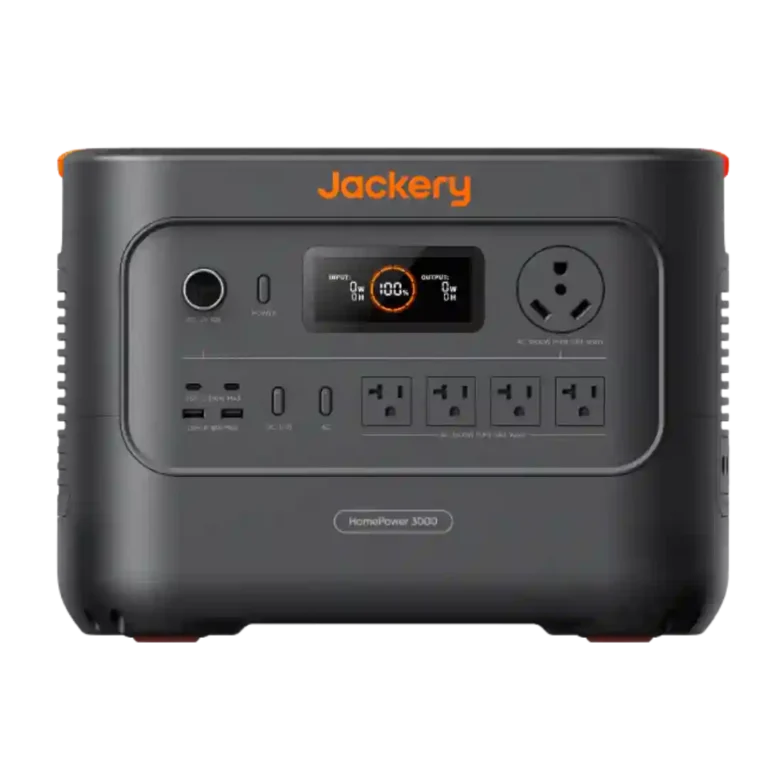
Choose it for unusually portable 3kWh backup power, fast wall charging, and confident appliance support. Skip it if you need expandable capacity, 240V output, built-in wheels, or painless third-party solar compatibility.
Best for homeowners, off-grid workers, van users, and mobile production crews who need serious appliance power in a relatively movable 3kWh station. It is especially compelling for short outages and high-draw equipment.
Skip it for multi-day expandable backup, 240V appliances, or setups built around inexpensive third-party solar panels. It is also too heavy for hiking and casual carry-first camping.
The Explorer 3000 v2 stands out by squeezing 3,072Wh and 3,600W output into a body that several testers found dramatically easier to move than rival 3kWh stations. It handled kettles, heaters, induction hobs, compressors, tools, and production equipment confidently, while fast AC or hybrid charging makes it practical between outages. The LFP battery, quiet operation, clear display, and transfer-switch or UPS options strengthen its home-backup case. The tradeoff is flexibility: the battery cannot expand, third-party solar panels often need adapters, the UK version has only three AC outlets, and there is no 240V output. At sale pricing it can be excellent value, but full-price buyers should weigh those ecosystem limits carefully.
Compared with other Generators, this product is above average in startup reliability, self-discharge rate, standby power loss, near average in overall product satisfaction, battery longevity, below average in dust resistance, expandability, remote control.
| Attribute | This product | Category average | Difference |
|---|---|---|---|
| dust resistance | 1.0 | 3.7 | -2.7 |
| expandability | 1.0 | 3.6 | -2.6 |
| startup reliability | 5.0 | 2.4 | +2.6 |
| remote control | 2.0 | 4.5 | -2.5 |
| battery expandability | 1.0 | 3.3 | -2.3 |
| solar panel compatibility | 1.8 | 3.9 | -2.1 |
| car charging speed | 1.0 | 3.1 | -2.1 |
| accessory ecosystem | 2.3 | 4.1 | -1.8 |
Choose Jackery Explorer 1000 V2. It scores 4.5 vs 1.0 for dust resistance, with a 4.4 overall score.
Choose EcoFlow Delta 3 Plus Review. It scores 5.0 vs 1.0 for battery expandability, with a 4.6 overall score.
Choose Anker Solix F3800. It scores 5.0 vs 1.0 for expandability, with a 4.0 overall score.
Choose AFERIY P280. It scores 5.0 vs 1.8 for solar cable compatibility, with a 4.5 overall score.
Products reviewers directly compared with this model, grouped into quick takeaways.
Yes. It handled kettles, heaters, induction hobs, compressors, power tools, and multiple mixed loads, with 3,600W continuous output and substantial surge headroom.
At roughly a 300W mixed load, estimates land around 8–9 hours, while a refrigerator alone can run much longer.
Most supplied accounts place a full AC recharge around 1.7–1.8 hours, while one comparison reported about 2.4 hours. Hybrid wall-and-solar charging can be similarly fast.
No. The 3,072Wh battery is fixed, so the system cannot be expanded for longer multi-day backup.
It can, but the proprietary DC8020-style input often requires an MC4, XT60, or similar adapter. Several accounts considered this one of the product's main drawbacks.
It is unusually portable for a 3kWh station, but still weighs about 59 pounds. Fan noise is generally very low, including under demanding loads.
These are a few of the reviews included in our analysis.
Expert reviews and head-to-head comparisons of the best portable power stations in 2026. Anker SOLIX F3800 Plus, EcoFlow Delta Pro 3, Jackery...
Jackery Explorer 3000 v2 Review for 2026: 3072Wh with 3600W output, ideal for van life, camping, and home backup. Ticks all the boxes?
In-depth analysis of the Jackery Explorer 3000 v2, a 3072Wh LFP portable power station with 3600W output, ZeroDrain technology, and transfer...
The Jackery Explorer 3000 V2’s comparatively low weight is a major coup
Jackery’s biggest power station to date is built for serious users, from off-grid homes to mobile workshops and events teams on the go - and...
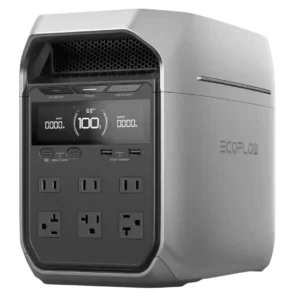
Best for rapid charging, versatile ports, excellent app control, and portable backup for appliances or electronics. Skip it for unattended low-load use or sustained heavy loads unless fan behavior and...
Pros: rated output, peak output
Cons: 30-amp output, parallel operation support
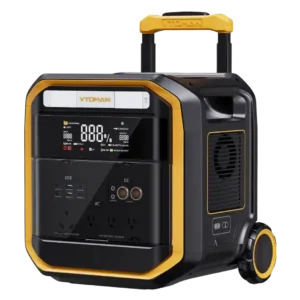
Best for fast-charging, high-output backup power that can run major appliances and roll easily between locations. Skip it if you need frequent lifting, a small footprint, or a screen that...
Pros: power output, surge capacity
Cons: specification accuracy, peak output
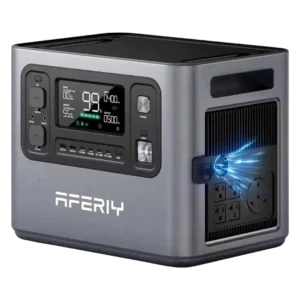
Choose the P280 for high-output home, RV, or off-grid backup with fast charging, strong usable capacity, UPS protection, and expansion. Skip it if you need lightweight portability, polished app control,...
Pros: rated output, peak output
Cons: app connectivity, voltage regulation
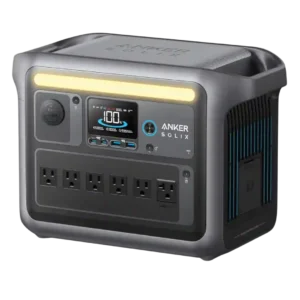
Best for fast charging, strong portable output, and short outage or camping duty. Skip it for quiet rooms, multi-day whole-home backup, or solar-only use with small panels.
Pros: power output, rated output
Cons: dual-input charging, cable storage