Best for peak output
Anker Solix C1000
5.0 feature score
Highest scored product for this feature based on supporting review evidence.
Highest scored product for this feature based on supporting review evidence.
Balances feature score, supporting reviews, and overall product strength.
Has the broadest review evidence for this feature.
Strongest overall product among items with scored evidence for this feature.
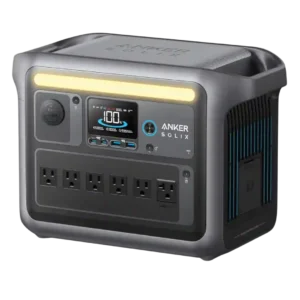
The 2,400W surge capability is exceptional for a compact 1kWh station and helps start heaters, tools, and cooking appliances.
Pros: power output, rated output
Cons: dual-input charging, cable storage
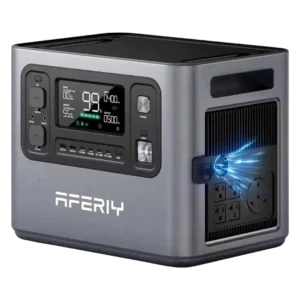
The advertised 5,600W peak capability is viewed as a strong specification, although high-inrush behavior still involves voltage throttling.
Pros: rated output, peak output
Cons: app connectivity, voltage regulation
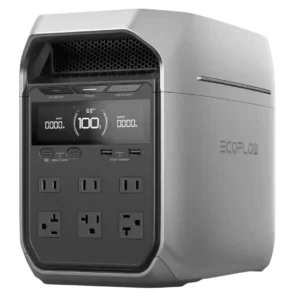
X-Boost can stretch appliance support beyond the normal rating, which helped with high-wattage cooking gear. Its usefulness depends on the appliance tolerating reduced voltage.
Pros: rated output, peak output
Cons: 30-amp output, parallel operation support
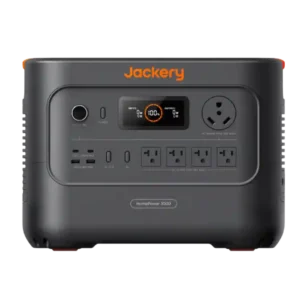
The 7,200W peak gives the station enough headroom for brief, demanding startup loads.
Pros: power output, rated output
Cons: battery expandability, car charging speed
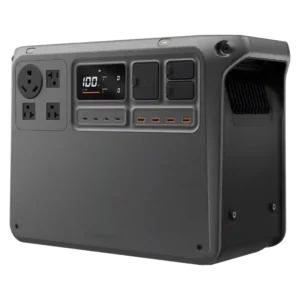
A business user praised the high inrush capability for equipment that would overwhelm many battery stations.
Pros: rated output, peak output
Cons: startup reliability, full-load noise
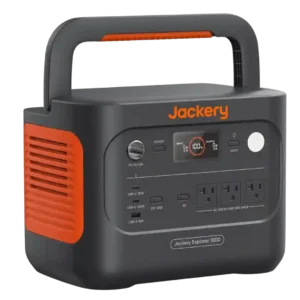
The 3,000W surge rating gives short startup bursts enough headroom for many motors and kitchen appliances.
Pros: rated output, peak output
Cons: standby power loss, specification accuracy
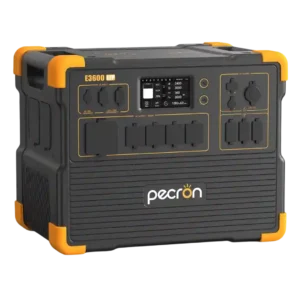
Short bursts can reach roughly double rated output according to one review, providing useful startup headroom.
Pros: power output, rated output
Cons: output stability, voltage regulation
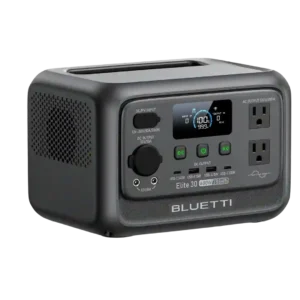
The 1,500W Power Lifting claim is useful but easy to misunderstand. It helps simple resistive appliances by lowering voltage; it does not turn the station into a true 1,500W inverter.
Pros: rated output, output stability
Cons: over-voltage protection, cold-weather performance
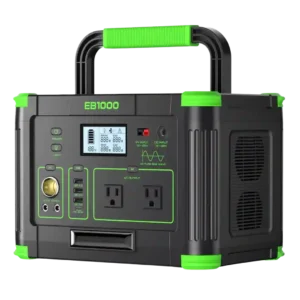
Peak output gives useful short bursts above the continuous limit, including brief operation near the advertised 2000W surge level.
Pros: rated output, output stability
Cons: battery expandability, startup reliability
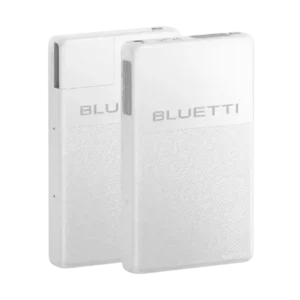
The inverter offered useful short-term headroom, reaching roughly 2.7kW before overload shutdown.
Pros: power output, rated output
Cons: USB-A ports, 12-volt outlet
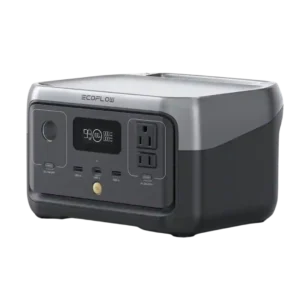
X-Boost can keep some appliances rated up to 600W operating, but it does so by reducing voltage rather than delivering a true 600W continuous output.
Pros: surge capacity, output stability
Cons: dual-input charging, whole-home integration
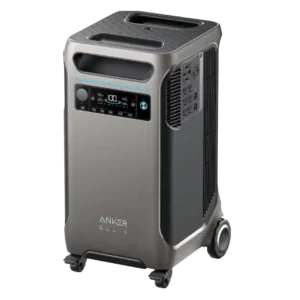
The 9,000W surge claim performed well in several tests, though one lab found the highest spikes lasted only a few seconds.
Pros: rated output, output stability
Cons: car charging speed, USB-A ports
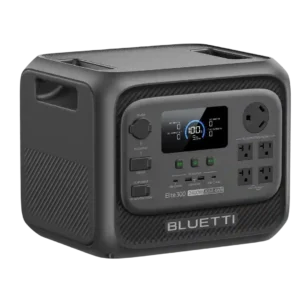
Power Lifting can help with resistive appliances, but it does not turn the station into a true 4,800W continuous source. One test still capped around the normal 2,400W output.
Pros: surge capacity, voltage regulation
Cons: water resistance, ventilation requirements
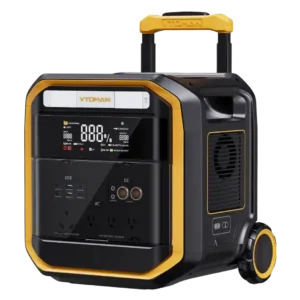
The high peak figure looks promising, but the exact distinction between surge power and V-Beyond voltage reduction is not consistently explained.
Pros: power output, surge capacity
Cons: specification accuracy, peak output