Best for voltage regulation
Anker Solix C1000
5.0 feature score
Highest scored product for this feature based on supporting review evidence.
Highest scored product for this feature based on supporting review evidence.
Balances feature score, supporting reviews, and overall product strength.
Has the broadest review evidence for this feature.
Strongest overall product among items with scored evidence for this feature.
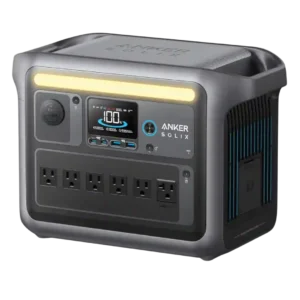
Testing found stable voltage under demanding loads, and the unit maintained usable AC output even near empty.
Pros: power output, rated output
Cons: dual-input charging, cable storage
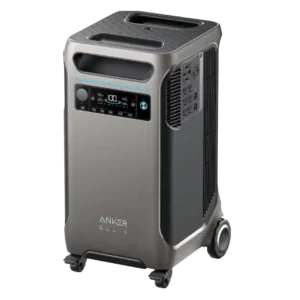
Measured output held close to 120V and earned strong praise for stability.
Pros: rated output, output stability
Cons: car charging speed, USB-A ports
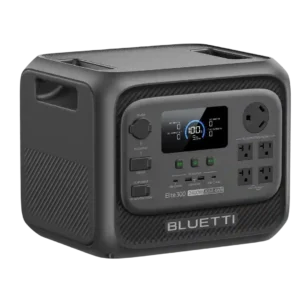
A measured 120V output remained clean under a 1,500W load, supporting confidence in voltage stability.
Pros: surge capacity, voltage regulation
Cons: water resistance, ventilation requirements
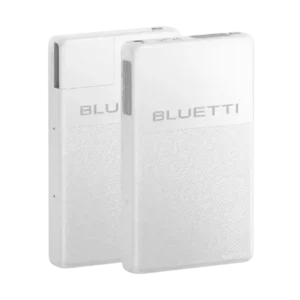
Output held near 118V at 60Hz under full load with very low distortion, indicating stable regulation.
Pros: power output, rated output
Cons: USB-A ports, 12-volt outlet
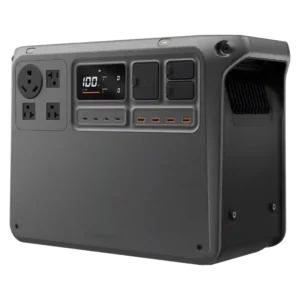
Heavy-load testing found almost no voltage drop, indicating excellent regulation.
Pros: rated output, peak output
Cons: startup reliability, full-load noise
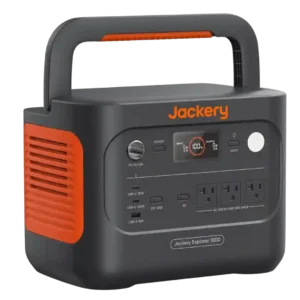
Appliances ran smoothly without flicker or power fluctuation, indicating stable voltage delivery.
Pros: rated output, peak output
Cons: standby power loss, specification accuracy
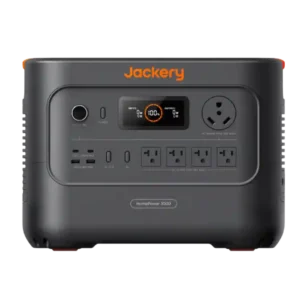
Voltage stayed stable during multi-device testing, including demanding household loads.
Pros: power output, rated output
Cons: battery expandability, car charging speed
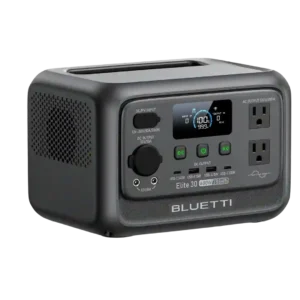
Normal output holds stable voltage, but Power Lifting deliberately lowers voltage to keep resistive appliances running. That behavior is useful for heaters and kettles but inappropriate for sensitive electronics.
Pros: rated output, output stability
Cons: over-voltage protection, cold-weather performance
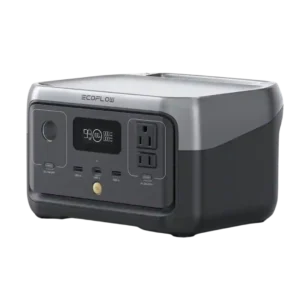
X-Boost keeps some oversized resistive loads running by lowering voltage, so appliances may work more slowly or weakly.
Pros: surge capacity, output stability
Cons: dual-input charging, whole-home integration
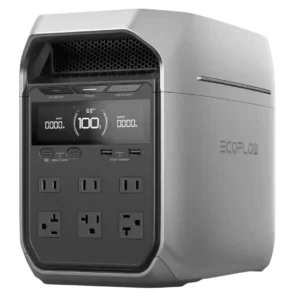
Normal inverter output is stable, but X-Boost deliberately lowers voltage to run larger resistive loads. That tradeoff can reduce performance and may be unsuitable for sensitive or motor-driven equipment.
Pros: rated output, peak output
Cons: 30-amp output, parallel operation support
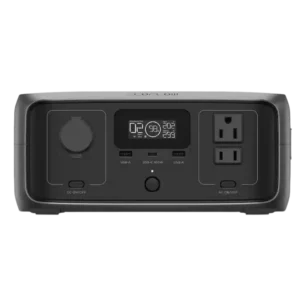
Normal operation is stable, but reports of high line voltage and X-Boost voltage reduction show that some modes are not ideal for sensitive equipment.
Pros: noise level, idle noise
Cons: self-discharge rate, air travel suitability
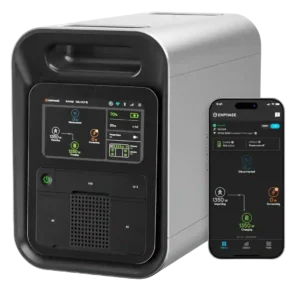
Voltage is strong at normal loads but drops when demand exceeds the 1,500 W rating, which is risky for sensitive electronics.
Pros: rated output, output stability
Cons: runtime at full load, RV outlet
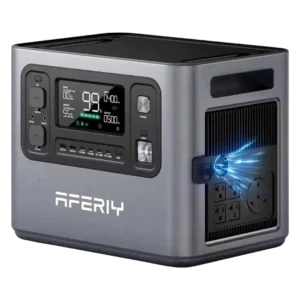
Voltage stays acceptable at rated loads but can fall sharply once demand exceeds the limit, creating risk for sensitive electronics and motors.
Pros: rated output, peak output
Cons: app connectivity, voltage regulation
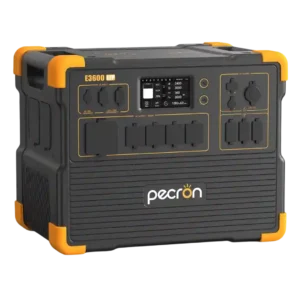
One unit’s voltage repeatedly swung from the 90s to 120 volts, an unacceptable regulation failure.
Pros: power output, rated output
Cons: output stability, voltage regulation