Best for car charging speed
Grecell T-1000
5.0 feature score
Highest scored product for this feature based on supporting review evidence.
Highest scored product for this feature based on supporting review evidence.
Balances feature score, supporting reviews, and overall product strength.
Has the broadest review evidence for this feature.
Strongest overall product among items with scored evidence for this feature.
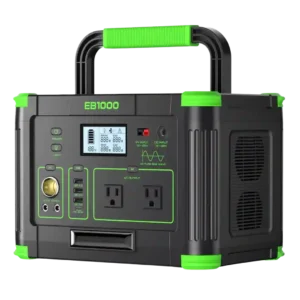
Charging from a vehicle is consistently useful on road trips and camping drives, with several owners saying it replenished the station quickly enough to keep fridges running.
Pros: rated output, output stability
Cons: battery expandability, startup reliability
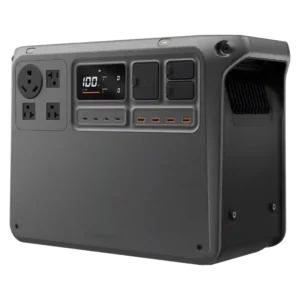
The optional fast car chargers replenish the station quickly and efficiently while traveling between locations.
Pros: rated output, peak output
Cons: startup reliability, full-load noise
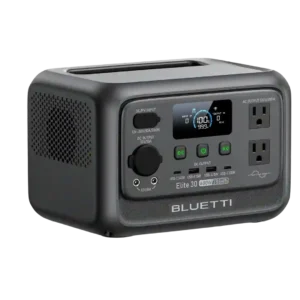
The included 12V cable is convenient and works well on the road, but a full recharge can take several hours. The optional alternator charger is dramatically faster.
Pros: rated output, output stability
Cons: over-voltage protection, cold-weather performance
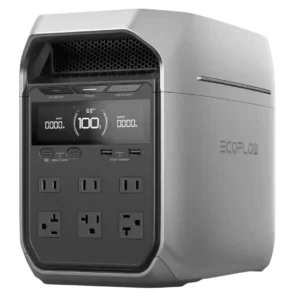
The optional 800W alternator charger is highly effective and can refill the battery during a drive. The included cigarette-lighter cable is much slower.
Pros: rated output, peak output
Cons: 30-amp output, parallel operation support

Standard cigarette-lighter charging is painfully slow, while the optional alternator charger makes vehicle charging far more practical.
Pros: output stability, pure sine wave output
Cons: specification accuracy, startup reliability

Bluetti’s vehicle charger added meaningful charge during ordinary driving, giving owners another practical outage-recovery option.
Pros: power output, rated output
Cons: USB-A ports, 12-volt outlet
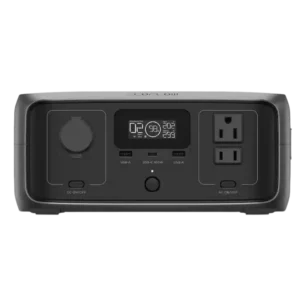
Vehicle charging is slower than wall charging but practical for topping up the small battery while driving.
Pros: noise level, idle noise
Cons: self-discharge rate, air travel suitability
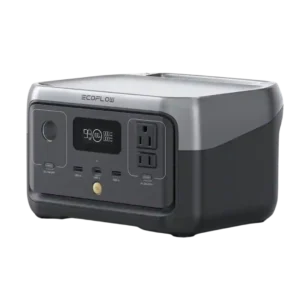
The 12V input is convenient and can approach 100W, but isolated owners reported car-charging failures and inverter compatibility problems.
Pros: surge capacity, output stability
Cons: dual-input charging, whole-home integration
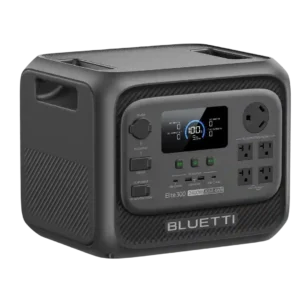
Charging from a basic vehicle socket is painfully slow, often taking more than a day. Dedicated alternator hardware improves that dramatically to roughly three to six hours.
Pros: surge capacity, voltage regulation
Cons: water resistance, ventilation requirements

Charging from a vehicle works, but it is slow—typically taking most of a long drive or roughly 7–8 hours.
Pros: inverter quality, power quality
Cons: Wi-Fi connectivity, weather resistance

Vehicle charging works but is usually slower than high-power USB-C or dual input. Results range from acceptable top-ups to six- or eight-hour full charges in older-model coverage.
Pros: power output, rated output
Cons: AC outlet count, repairability

Vehicle charging works as a travel top-up, but it is too slow for quick refills and makes the most sense on long drives.
Pros: rated output, peak output
Cons: standby power loss, specification accuracy
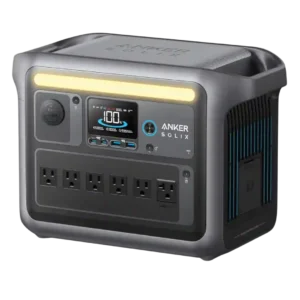
Standard vehicle charging is slow and can take much of a driving day. Higher-voltage setups improve speed, but ordinary 12V input remains a weak point.
Pros: power output, rated output
Cons: dual-input charging, cable storage
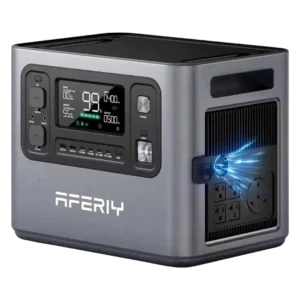
Charging from a basic 12V vehicle socket is very slow—around 17–18 hours in one estimate—so it is best used only for topping up.
Pros: rated output, peak output
Cons: app connectivity, voltage regulation

Charging from a vehicle is possible but painfully slow, taking roughly 34 hours in one calculation.
Pros: power output, rated output
Cons: output stability, voltage regulation

The 12-volt vehicle input is best treated as a slow top-off; a full charge takes around 14 hours.
Pros: rated output, output stability
Cons: runtime at full load, RV outlet
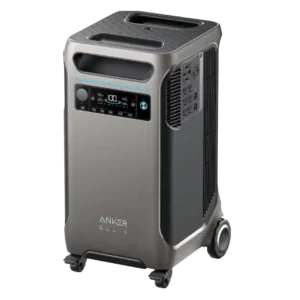
Charging from a vehicle’s accessory socket is extremely slow, taking roughly a full day or longer from empty.
Pros: rated output, output stability
Cons: car charging speed, USB-A ports

Charging from a standard vehicle socket is painfully slow and is unsuitable as the primary refill method.
Pros: power output, rated output
Cons: battery expandability, car charging speed