Best for battery longevity
Anker Solix C1000
5.0 feature score
Highest scored product for this feature based on supporting review evidence.
Highest scored product for this feature based on supporting review evidence.
Balances feature score, supporting reviews, and overall product strength.
Has the broadest review evidence for this feature.
Strongest overall product among items with scored evidence for this feature.
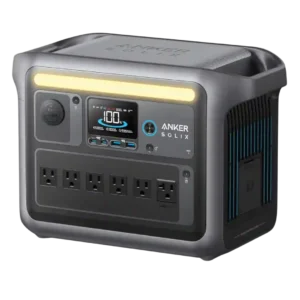
Long-life chemistry and several extended-use reports support confidence in years of service. A few owners nevertheless reported capacity or charging problems after prolonged use.
Pros: power output, rated output
Cons: dual-input charging, cable storage
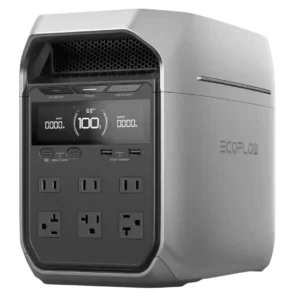
Long-life LFP cells and adjustable charge limits make the station attractive for daily UPS or solar-buffer use.
Pros: rated output, peak output
Cons: 30-amp output, parallel operation support
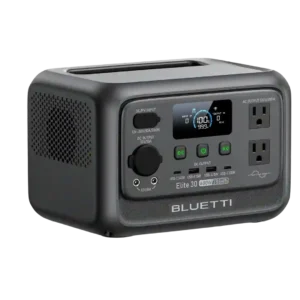
Long battery life is one of the most consistent ownership positives. Several buyers expect many years of service and specifically prefer it over UPS batteries that need replacement every two...
Pros: rated output, output stability
Cons: over-voltage protection, cold-weather performance
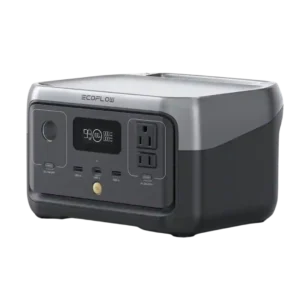
Several reviewers expect roughly eight to ten years of regular use before capacity falls to about 80%.
Pros: surge capacity, output stability
Cons: dual-input charging, whole-home integration
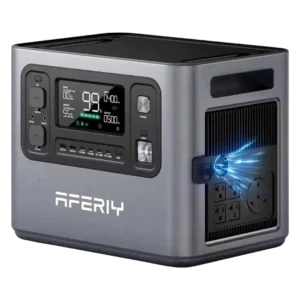
Long-life cells, charge-limit controls, and the high cycle rating give owners confidence that the battery can remain useful for many years.
Pros: rated output, peak output
Cons: app connectivity, voltage regulation
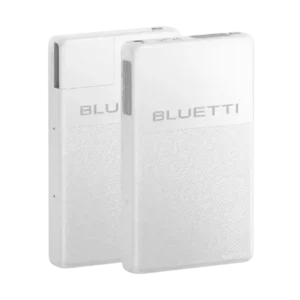
The LiFePO4 pack is expected to retain useful capacity for roughly 4,000 cycles or around a decade. Charge limits and maintenance cycling may extend practical life further.
Pros: power output, rated output
Cons: USB-A ports, 12-volt outlet
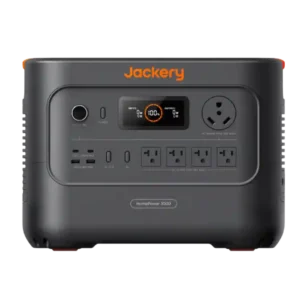
Long battery life is a core selling point, with the LFP pack expected to remain useful for many years.
Pros: power output, rated output
Cons: battery expandability, car charging speed
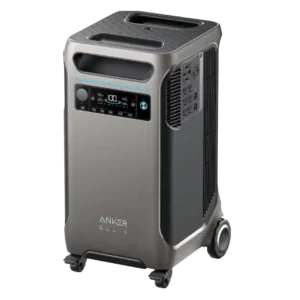
Reviewers expect the LiFePO4 pack to age well, with long cycle ratings and better durability than older lithium-ion designs.
Pros: rated output, output stability
Cons: car charging speed, USB-A ports
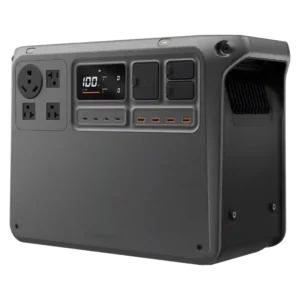
Testers highlighted an expected service life around a decade or longer before major capacity loss.
Pros: rated output, peak output
Cons: startup reliability, full-load noise
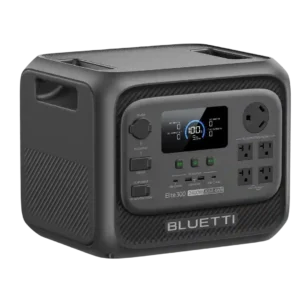
Long cycle life makes the pack feel suitable for daily use rather than occasional emergencies, with estimates extending beyond 16 years at one cycle per day.
Pros: surge capacity, voltage regulation
Cons: water resistance, ventilation requirements
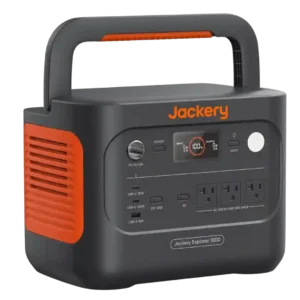
Long service life is a defining strength, with the battery expected to remain useful for many years of regular cycling.
Pros: rated output, peak output
Cons: standby power loss, specification accuracy
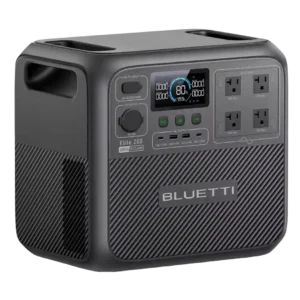
Most reviewers expect the battery to last well over a decade, though isolated early failures keep the outlook from being flawless.
Pros: output stability, pure sine wave output
Cons: specification accuracy, startup reliability
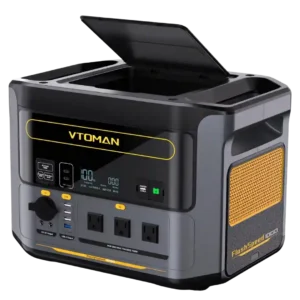
Long-cycle LiFePO4 cells and active battery management make the station a credible long-term power investment.
Pros: inverter quality, power quality
Cons: Wi-Fi connectivity, weather resistance
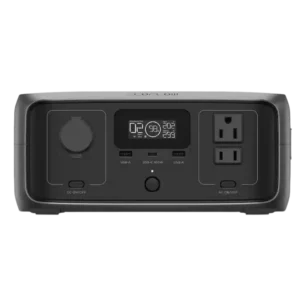
LiFePO4 chemistry and a 3,000-cycle rating promise a long service life, supported by several positive ownership reports.
Pros: noise level, idle noise
Cons: self-discharge rate, air travel suitability
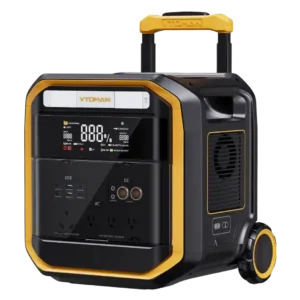
Reviewers expect many years of service from the LFP pack, with several describing a decade of useful life as realistic when treated well.
Pros: power output, surge capacity
Cons: specification accuracy, peak output
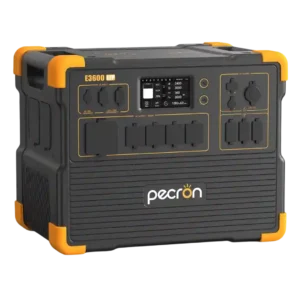
Grid bypass reduces unnecessary charge cycles, which should help preserve the battery over time.
Pros: power output, rated output
Cons: output stability, voltage regulation
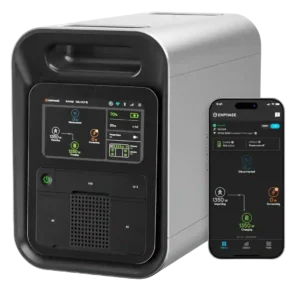
LFP cells, controlled charging options, and long cycle coverage support strong long-term battery life.
Pros: rated output, output stability
Cons: runtime at full load, RV outlet
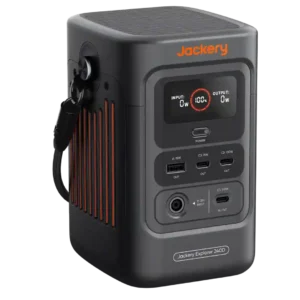
The LiFePO4-equipped 240D is expected to last many years, with claims around a decade. A few sources caution that electronics and the BMS may fail before the cells reach their...
Pros: power output, rated output
Cons: AC outlet count, repairability
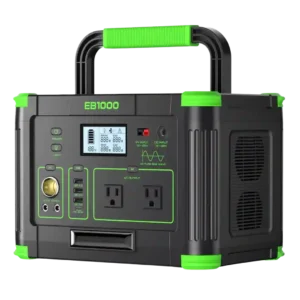
Battery aging is a real concern: daily users reported reduced capacity, and several lightly used units lost charging ability within a year. A few long-term owners still saw acceptable retention.
Pros: rated output, output stability
Cons: battery expandability, startup reliability