Best for solar cable compatibility
AFERIY P280
5.0 feature score
Highest scored product for this feature based on supporting review evidence.
Highest scored product for this feature based on supporting review evidence.
Balances feature score, supporting reviews, and overall product strength.
Has the broadest review evidence for this feature.
Strongest overall product among items with scored evidence for this feature.
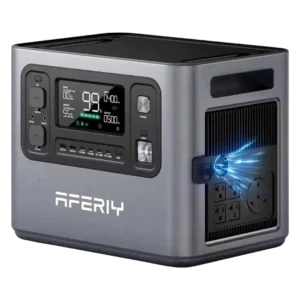
The included XT90-to-MC4 cable makes it easy to connect common portable or residential solar panels.
Pros: rated output, peak output
Cons: app connectivity, voltage regulation
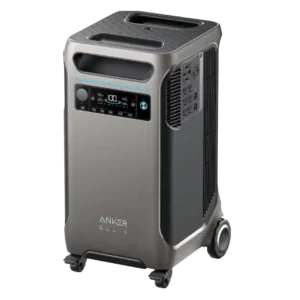
MC4-to-XT60 connections are practical and widely usable, though owners may need to buy additional cables for custom arrays.
Pros: rated output, output stability
Cons: car charging speed, USB-A ports
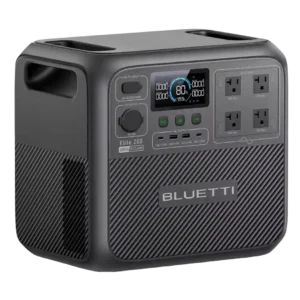
The included splitter arrangement supports multiple panel strings and flexible solar-array layouts.
Pros: output stability, pure sine wave output
Cons: specification accuracy, startup reliability
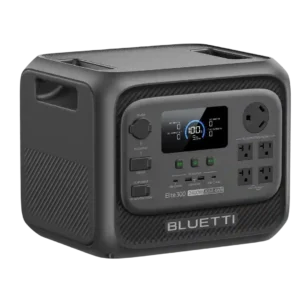
Standard-style solar connectors were easy to join and worked immediately, avoiding proprietary-cable frustration.
Pros: surge capacity, voltage regulation
Cons: water resistance, ventilation requirements
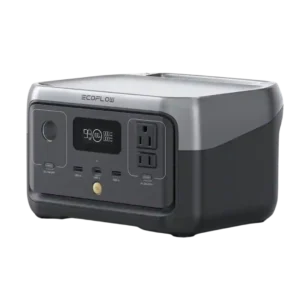
XT60 works with EcoFlow and third-party panel cables, though separate shipments, missing cables, and isolated input failures caused frustration.
Pros: surge capacity, output stability
Cons: dual-input charging, whole-home integration
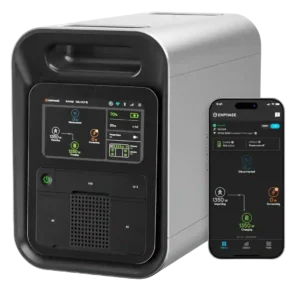
The common XT60 connection and readily available adapters make third-party solar cabling relatively straightforward.
Pros: rated output, output stability
Cons: runtime at full load, RV outlet
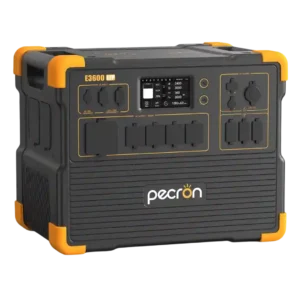
Standard XT60 solar inputs are easy to source cables for, but the included splitter caused confusion and did not work properly in one test.
Pros: power output, rated output
Cons: output stability, voltage regulation
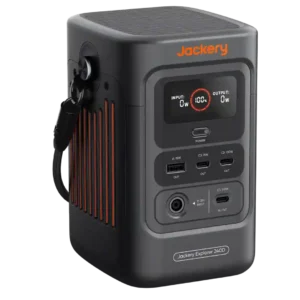
The dedicated 8020 input is sturdy, but third-party panels may require adapters. Compatibility is broad once the correct connector and voltage range are matched.
Pros: power output, rated output
Cons: AC outlet count, repairability
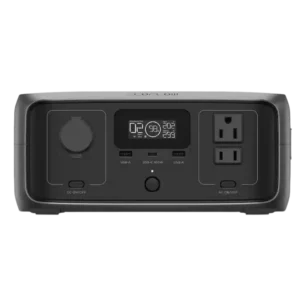
Solar setups often require a specific adapter or cable, which adds friction for campers using third-party panels.
Pros: noise level, idle noise
Cons: self-discharge rate, air travel suitability
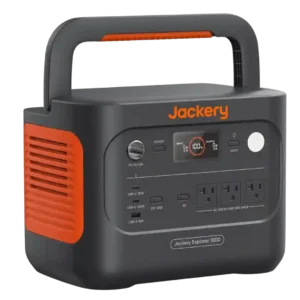
Proprietary 8mm connections are a recurring frustration, although inexpensive adapters can open the door to third-party panels.
Pros: rated output, peak output
Cons: standby power loss, specification accuracy
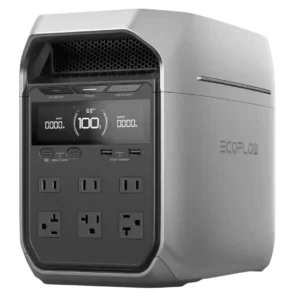
The station uses common XT60i connections, but a solar charging cable is not always included and may need to be purchased separately.
Pros: rated output, peak output
Cons: 30-amp output, parallel operation support
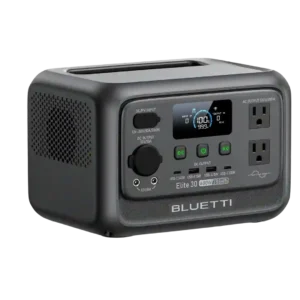
Solar input is not fully ready out of the box for every panel because the needed XT60 or barrel adapter may be missing.
Pros: rated output, output stability
Cons: over-voltage protection, cold-weather performance
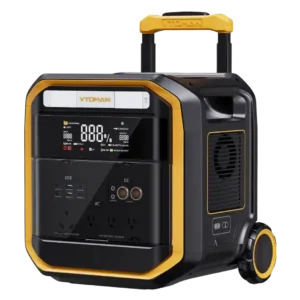
The Anderson input is flexible, but the lack of an included MC4-to-Anderson cable means many solar users will need an aftermarket adapter.
Pros: power output, surge capacity
Cons: specification accuracy, peak output
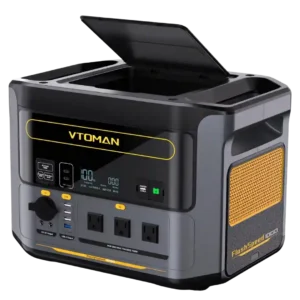
Solar connectivity can require adapters or awkward placement, and one bundled lead was criticized for being too short.
Pros: inverter quality, power quality
Cons: Wi-Fi connectivity, weather resistance
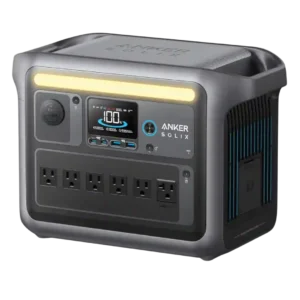
XT60-based solar connections work with the supplied adapters, but some owners needed MC4 adapters or dealt with a loose connector.
Pros: power output, rated output
Cons: dual-input charging, cable storage
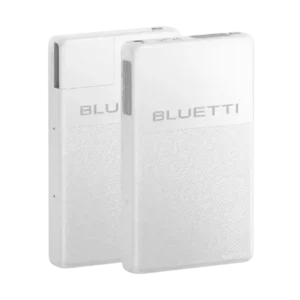
Solar charging commonly requires an extension cable or an XT60-to-MC4 adapter that is not included. Buyers should prepare the correct cable before an emergency.
Pros: power output, rated output
Cons: USB-A ports, 12-volt outlet
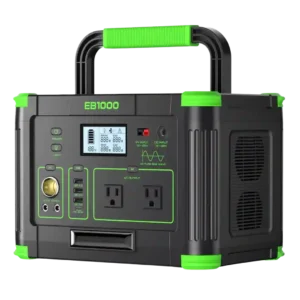
The supplied solar lead works through the main input, but the lack of Anderson connectors disappointed a buyer with an existing solar setup.
Pros: rated output, output stability
Cons: battery expandability, startup reliability
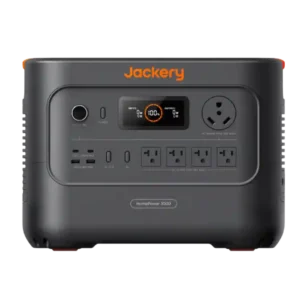
Solar cable compatibility is poor out of the box because common MC4 and XT-style setups generally require a DC8020 adapter.
Pros: power output, rated output
Cons: battery expandability, car charging speed
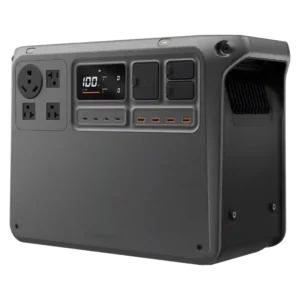
Solar charging depends on proprietary or extra conversion hardware, and required cables have sometimes been difficult to obtain.
Pros: rated output, peak output
Cons: startup reliability, full-load noise