Best for solar panel compatibility
EcoFlow Delta 3 Plus Review
5.0 feature score
Highest scored product for this feature based on supporting review evidence.
Highest scored product for this feature based on supporting review evidence.
Balances feature score, supporting reviews, and overall product strength.
Has the broadest review evidence for this feature.
Strongest overall product among items with scored evidence for this feature.
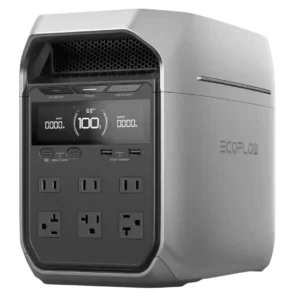
The XT60i inputs work with a wide range of EcoFlow and third-party panels, including larger fixed panels, which makes solar setups easier to customize.
Pros: rated output, peak output
Cons: 30-amp output, parallel operation support
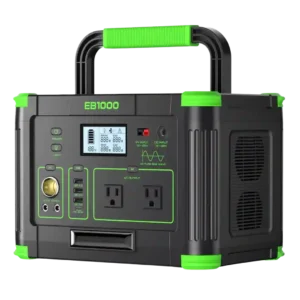
It pairs successfully with Grecell, Renogy, and other common solar panels, making it flexible for camping, RV, and emergency setups.
Pros: rated output, output stability
Cons: battery expandability, startup reliability
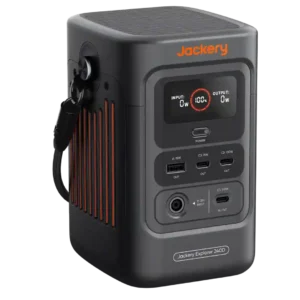
The station works well with Jackery and many third-party panels when voltage and connectors match. The dedicated solar input is more robust than relying only on USB-C.
Pros: power output, rated output
Cons: AC outlet count, repairability
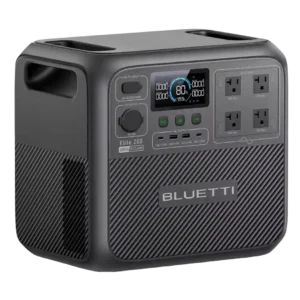
The non-proprietary XT60 input works with a broad range of standard third-party panels, a major practical advantage.
Pros: output stability, pure sine wave output
Cons: specification accuracy, startup reliability
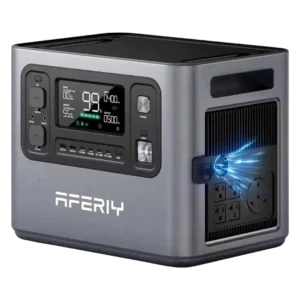
Independent XT90 controllers accept different arrays and work well with portable or residential panels, provided the 55V limit is respected.
Pros: rated output, peak output
Cons: app connectivity, voltage regulation
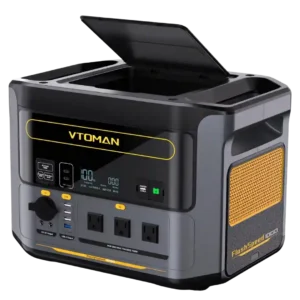
The available panels and multi-connector leads work with several battery standards, giving buyers flexibility beyond a single proprietary setup.
Pros: inverter quality, power quality
Cons: Wi-Fi connectivity, weather resistance
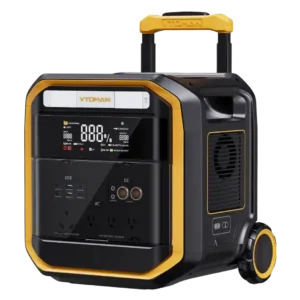
The 12V-to-80V input range supports a wide variety of panel arrangements and makes series wiring easier than on lower-voltage competitors.
Pros: power output, surge capacity
Cons: specification accuracy, peak output
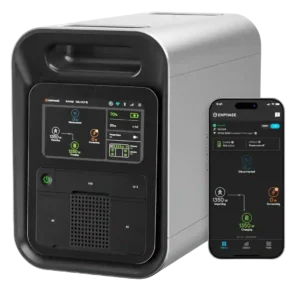
The common XT60 input makes third-party panel use practical, though buyers should confirm voltage, current, and connector limits.
Pros: rated output, output stability
Cons: runtime at full load, RV outlet
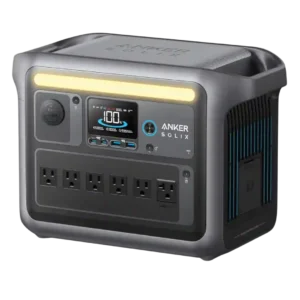
It works with Anker and many third-party panels when voltage and connectors match. Buyers should verify limits and cable standards before purchasing panels.
Pros: power output, rated output
Cons: dual-input charging, cable storage
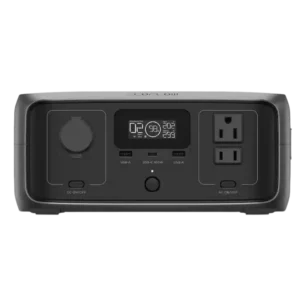
Standard panels can work through the solar input, but buyers may need the correct XT60-style adapter and must stay within voltage limits.
Pros: noise level, idle noise
Cons: self-discharge rate, air travel suitability
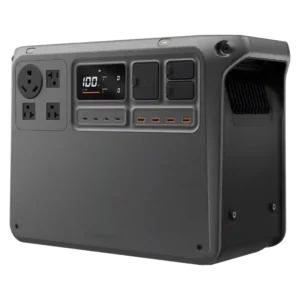
A range of panels worked successfully, but proprietary adapters, voltage limits, and occasional third-party incompatibility complicate setup.
Pros: rated output, peak output
Cons: startup reliability, full-load noise
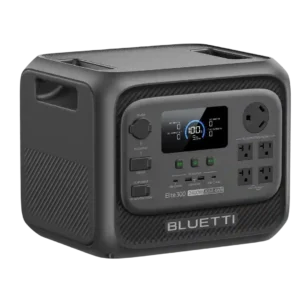
Standard connectors and straightforward setup are positives, but the low voltage ceiling complicates series wiring and can force parallel arrays into the current limit.
Pros: surge capacity, voltage regulation
Cons: water resistance, ventilation requirements
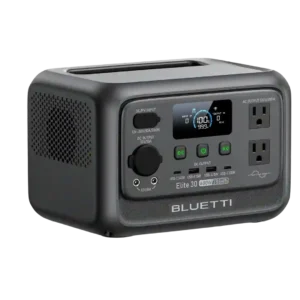
It works with Bluetti and third-party panels that stay within the supported voltage and current range. Existing high-voltage panels may be incompatible even when their wattage seems suitable.
Pros: rated output, output stability
Cons: over-voltage protection, cold-weather performance
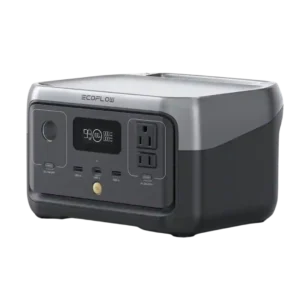
XT60 input works with EcoFlow and many third-party panels through adapters, although the voltage/current window can be awkward and some owners hit compatibility problems.
Pros: surge capacity, output stability
Cons: dual-input charging, whole-home integration
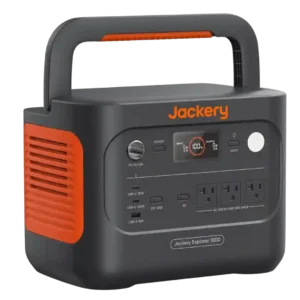
Compatibility is disputed: some accounts call it Jackery-only, while others say adapters allow standard third-party panels.
Pros: rated output, peak output
Cons: standby power loss, specification accuracy
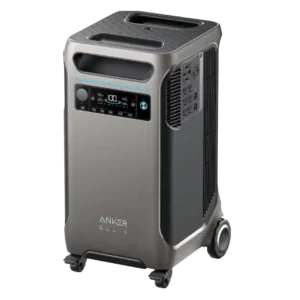
Compatibility is one of the most repeated complaints. The 60V and amperage windows favor carefully configured or proprietary panels and can prevent rooftop or common fixed arrays from reaching full...
Pros: rated output, output stability
Cons: car charging speed, USB-A ports
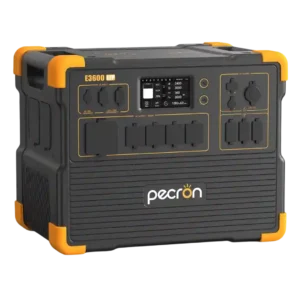
Panel setup can be restrictive because of voltage and amperage limits, and one owner received a mechanically faulty XT60 input.
Pros: power output, rated output
Cons: output stability, voltage regulation
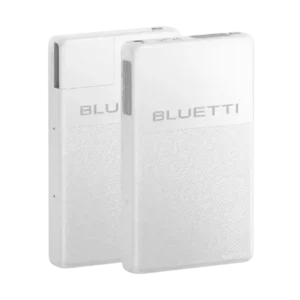
Solar input works on the main unit, but expansion batteries cannot be charged independently. Larger systems must remain connected and charge together.
Pros: power output, rated output
Cons: USB-A ports, 12-volt outlet
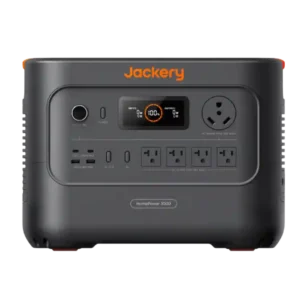
Solar compatibility is a recurring weakness because Jackery's proprietary connector complicates third-party panel use.
Pros: power output, rated output
Cons: battery expandability, car charging speed