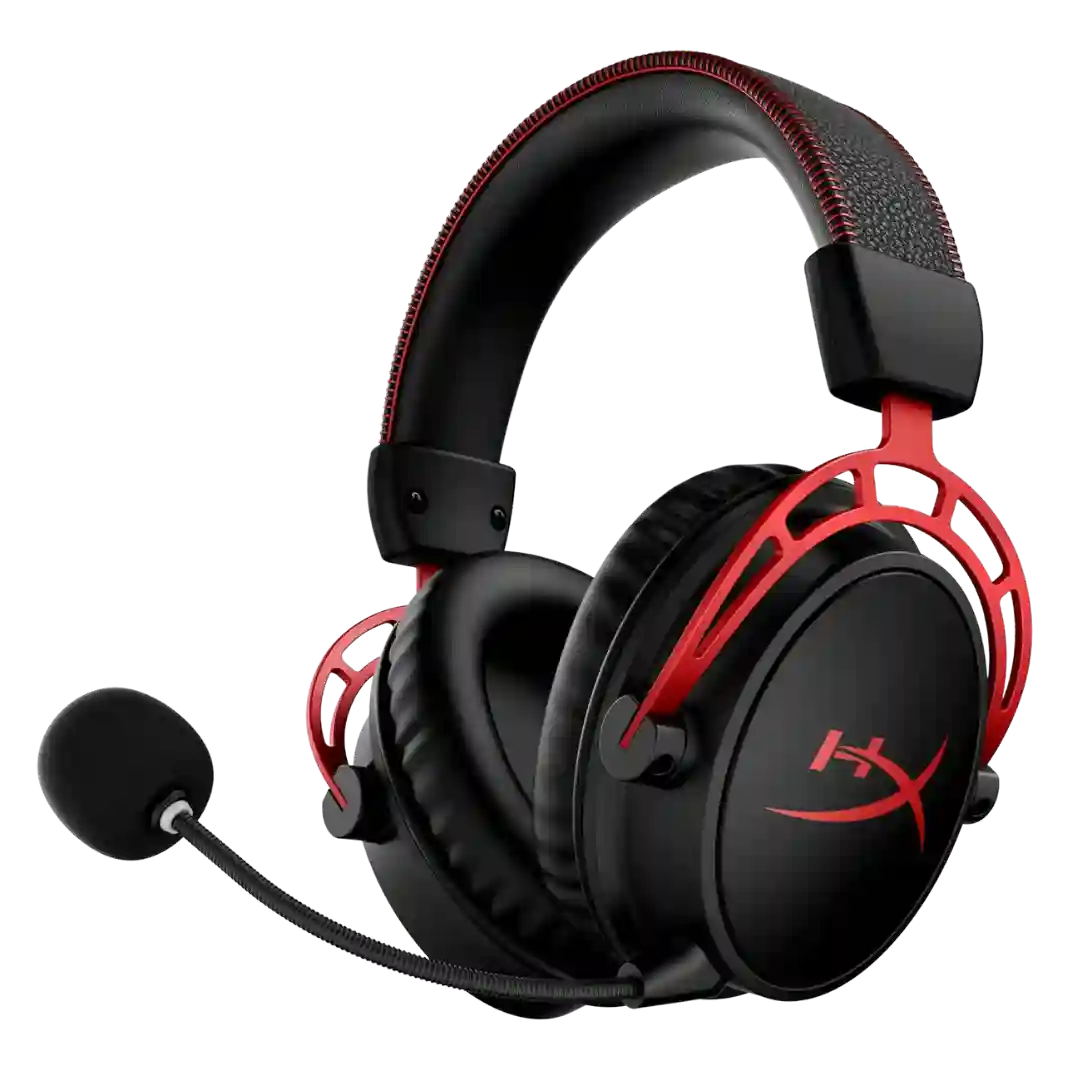
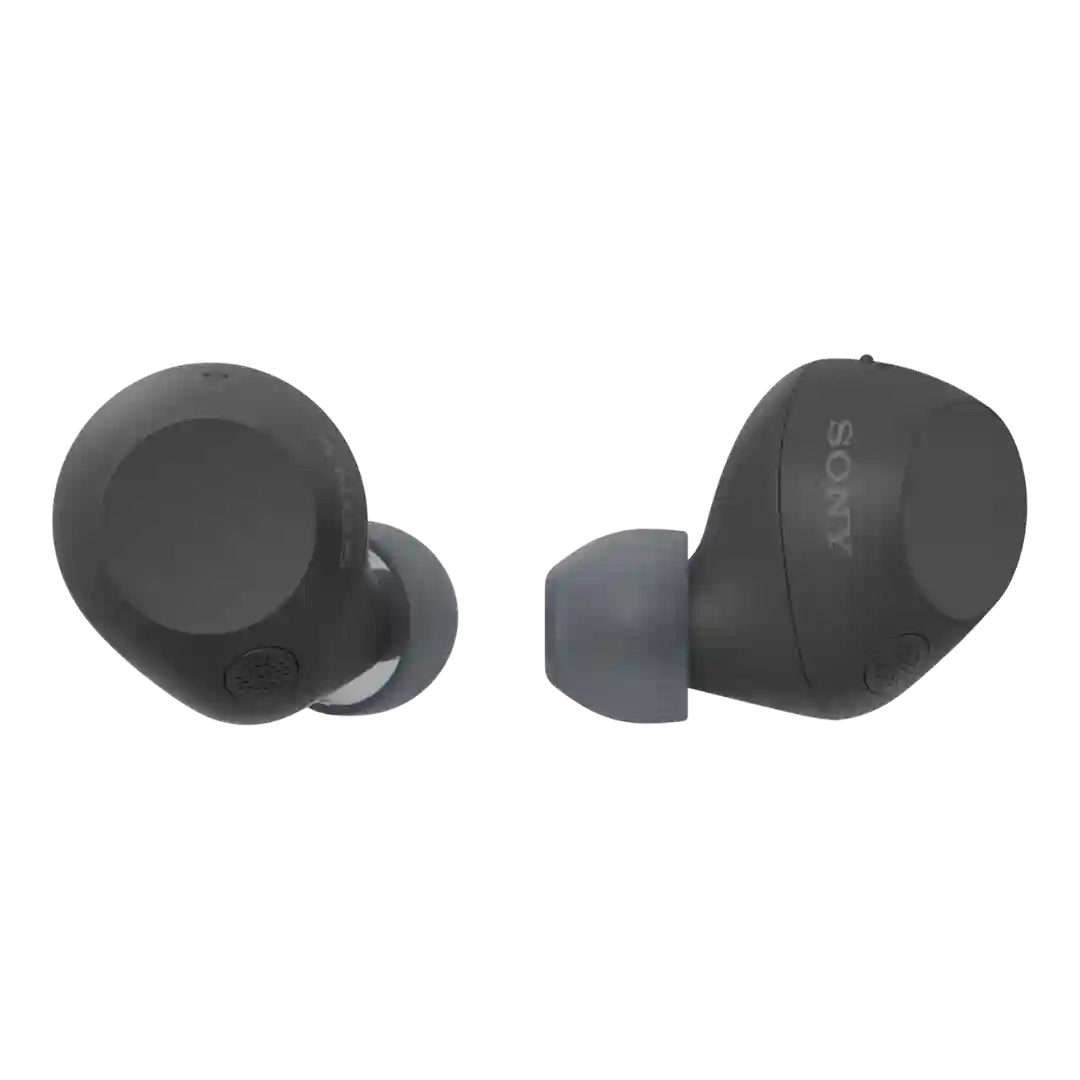
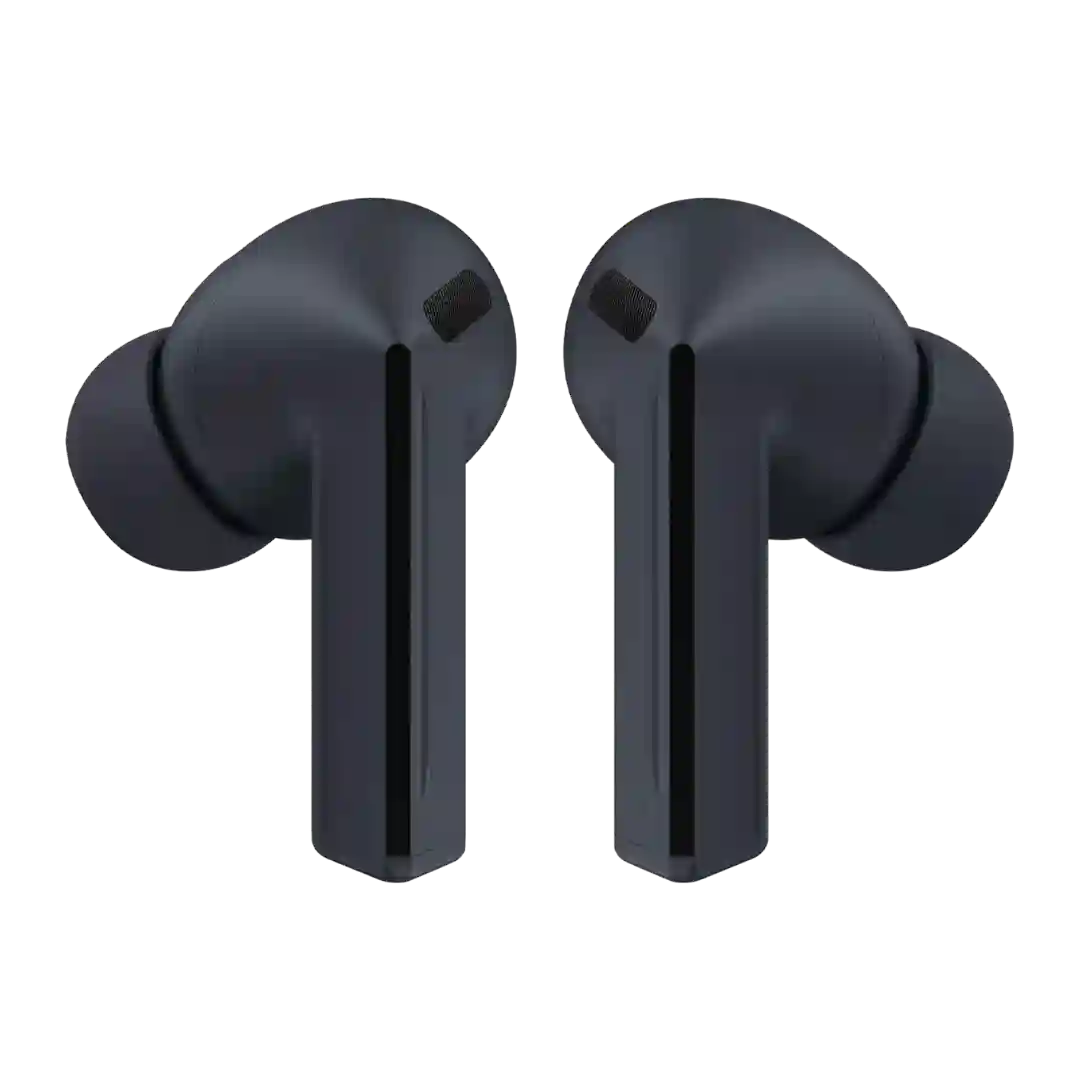
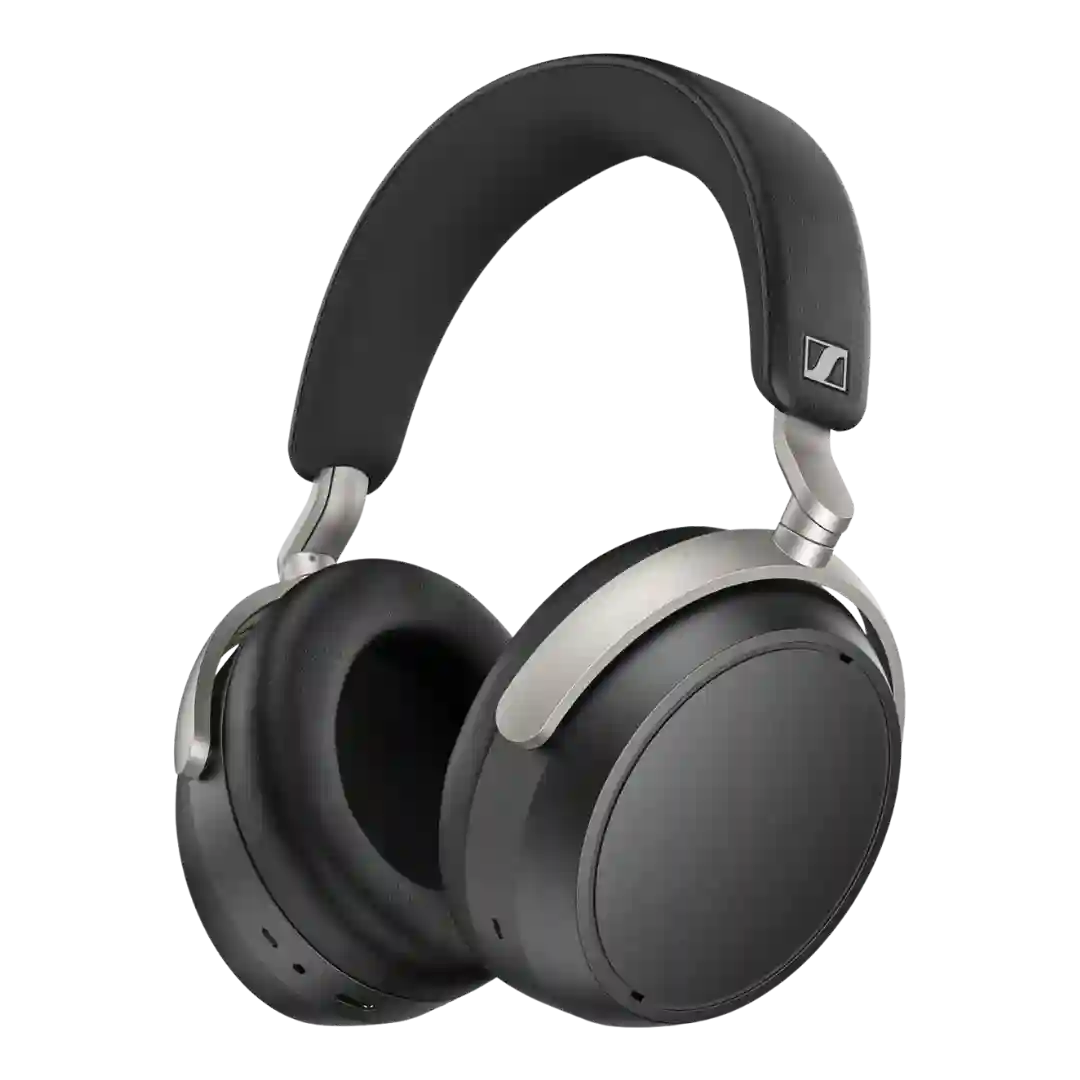
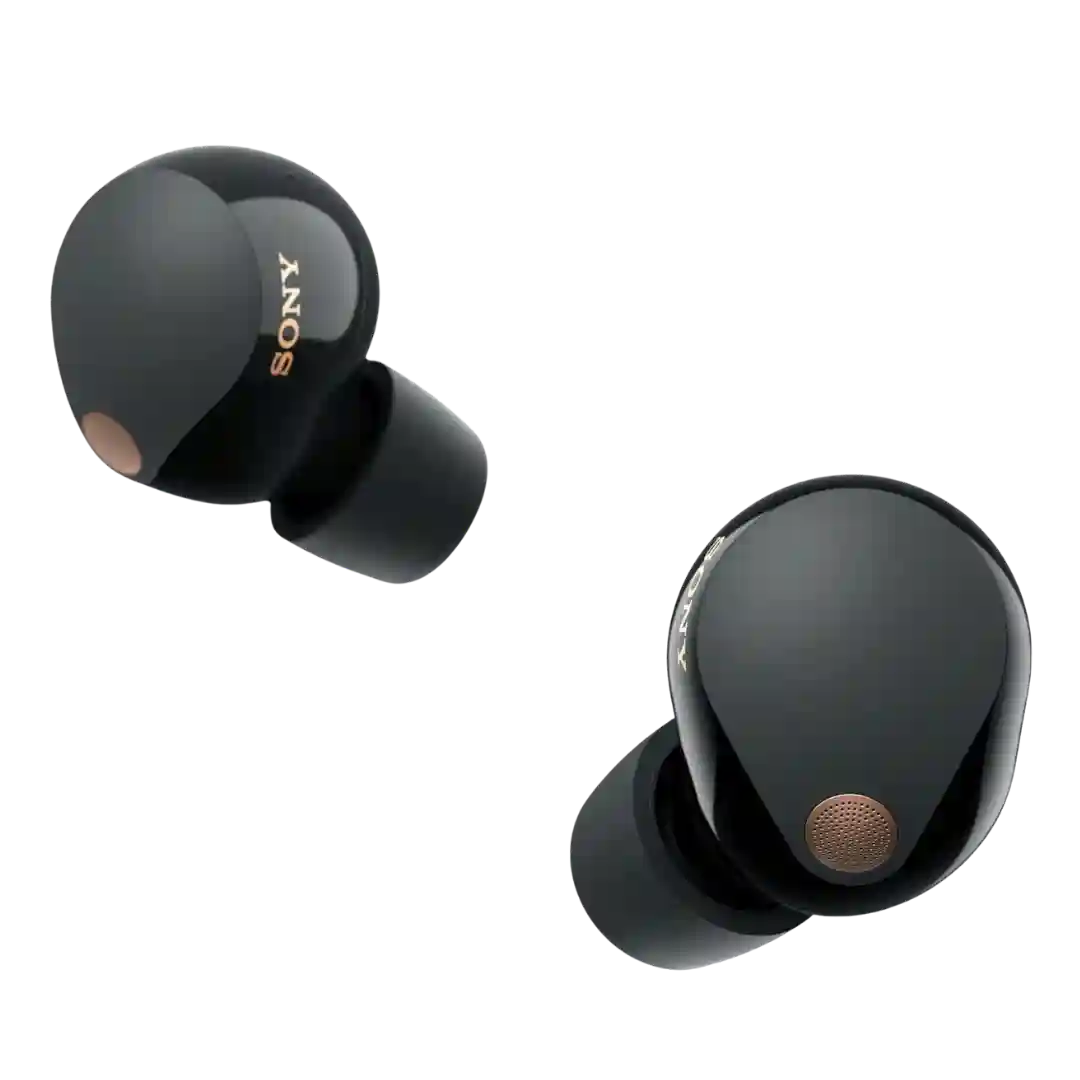
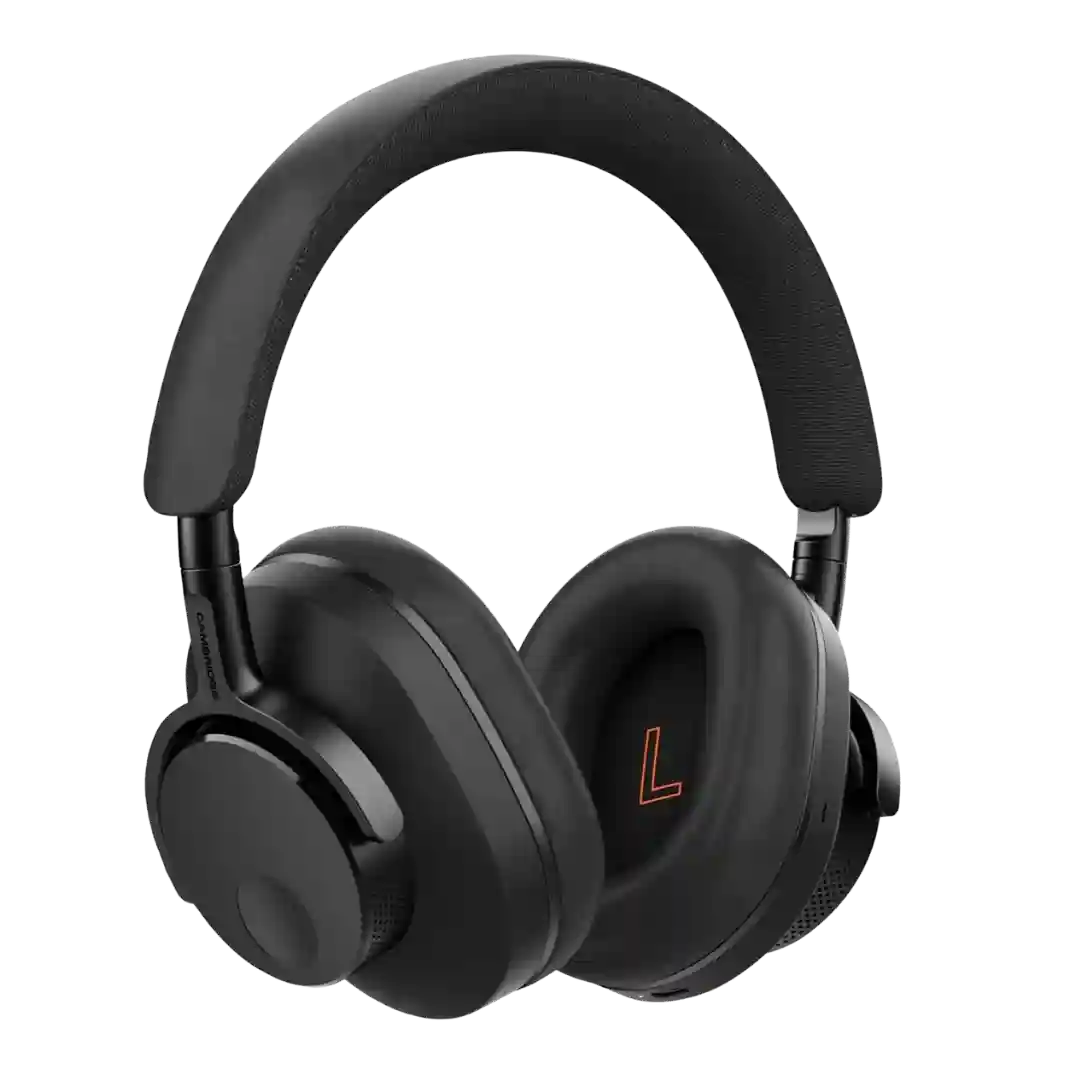
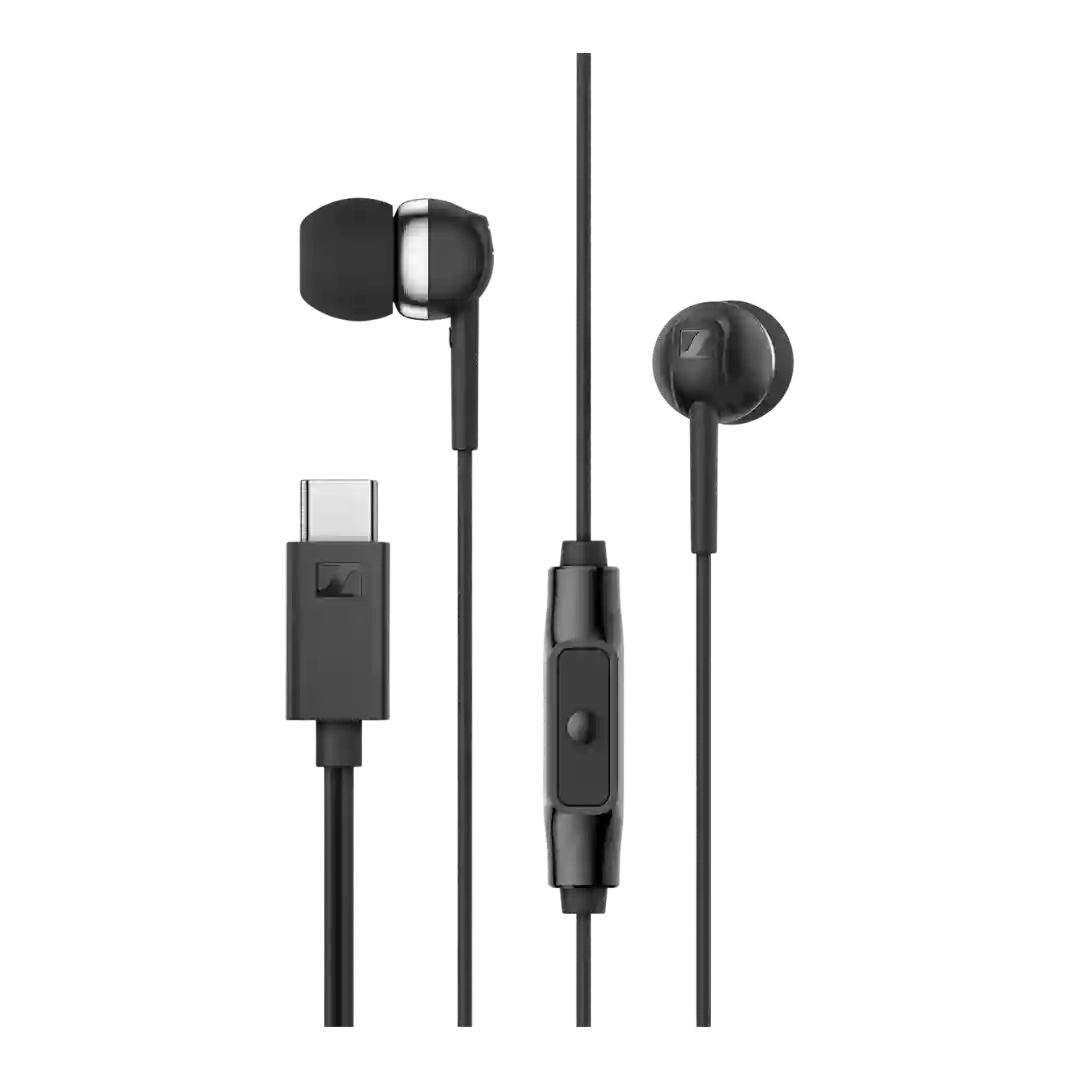
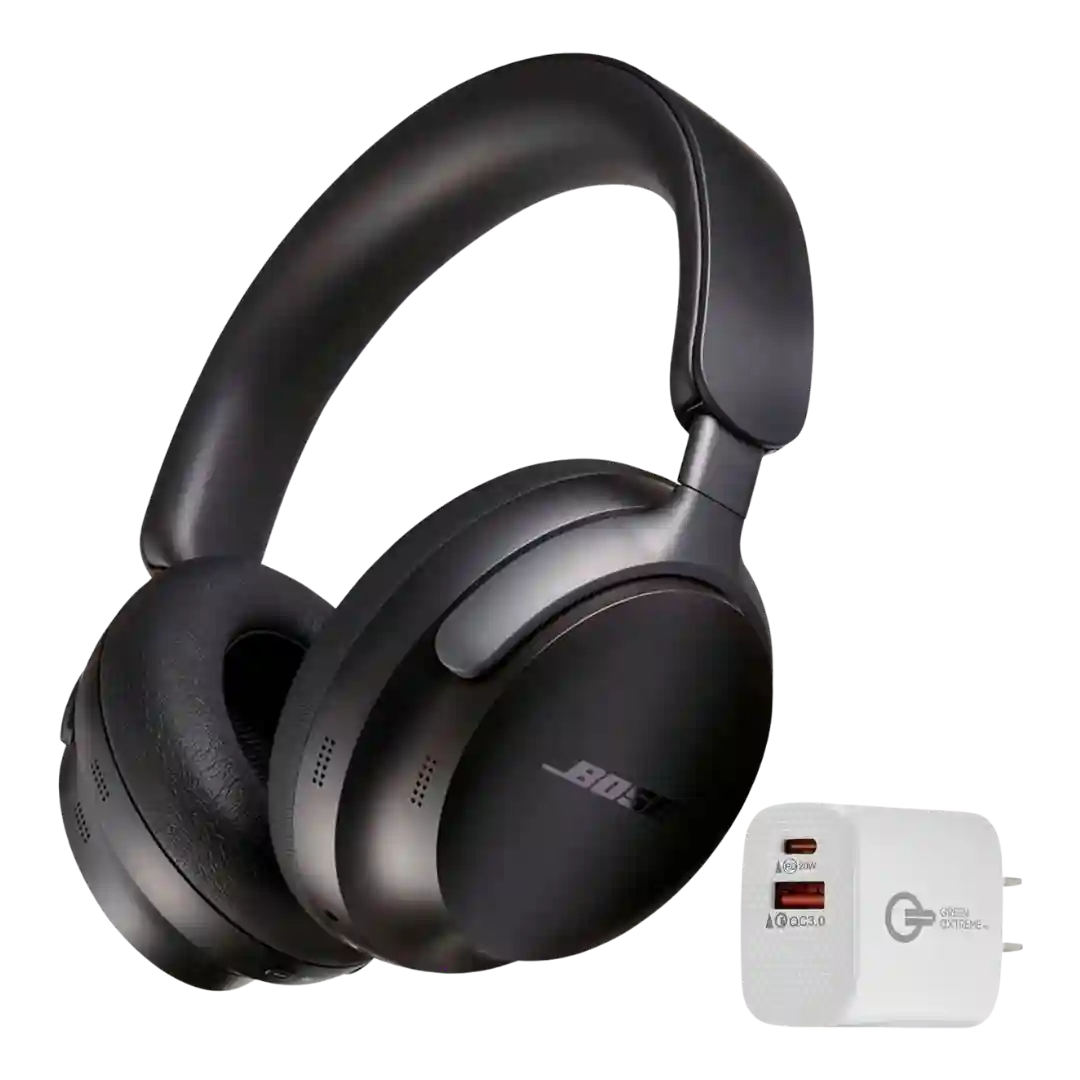
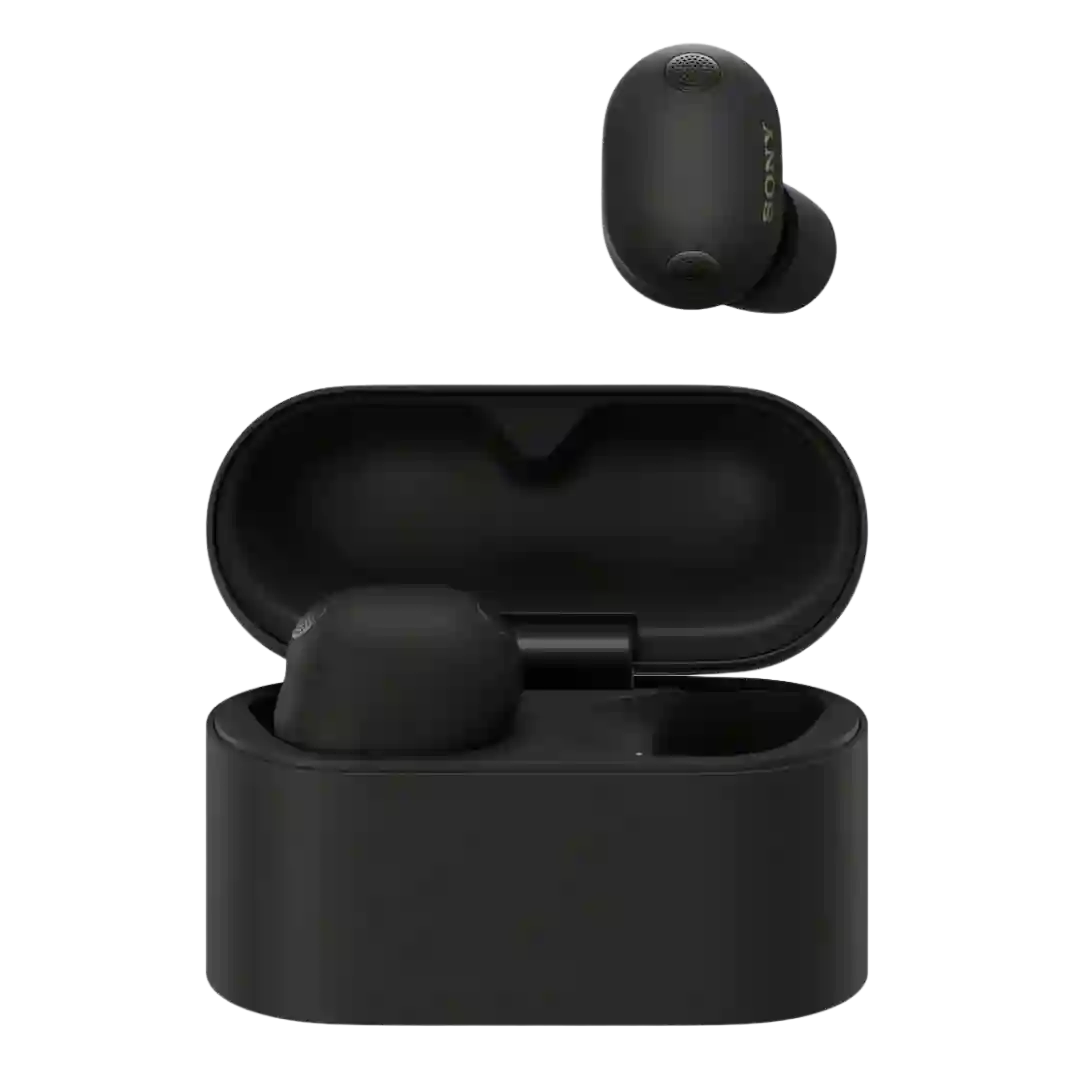
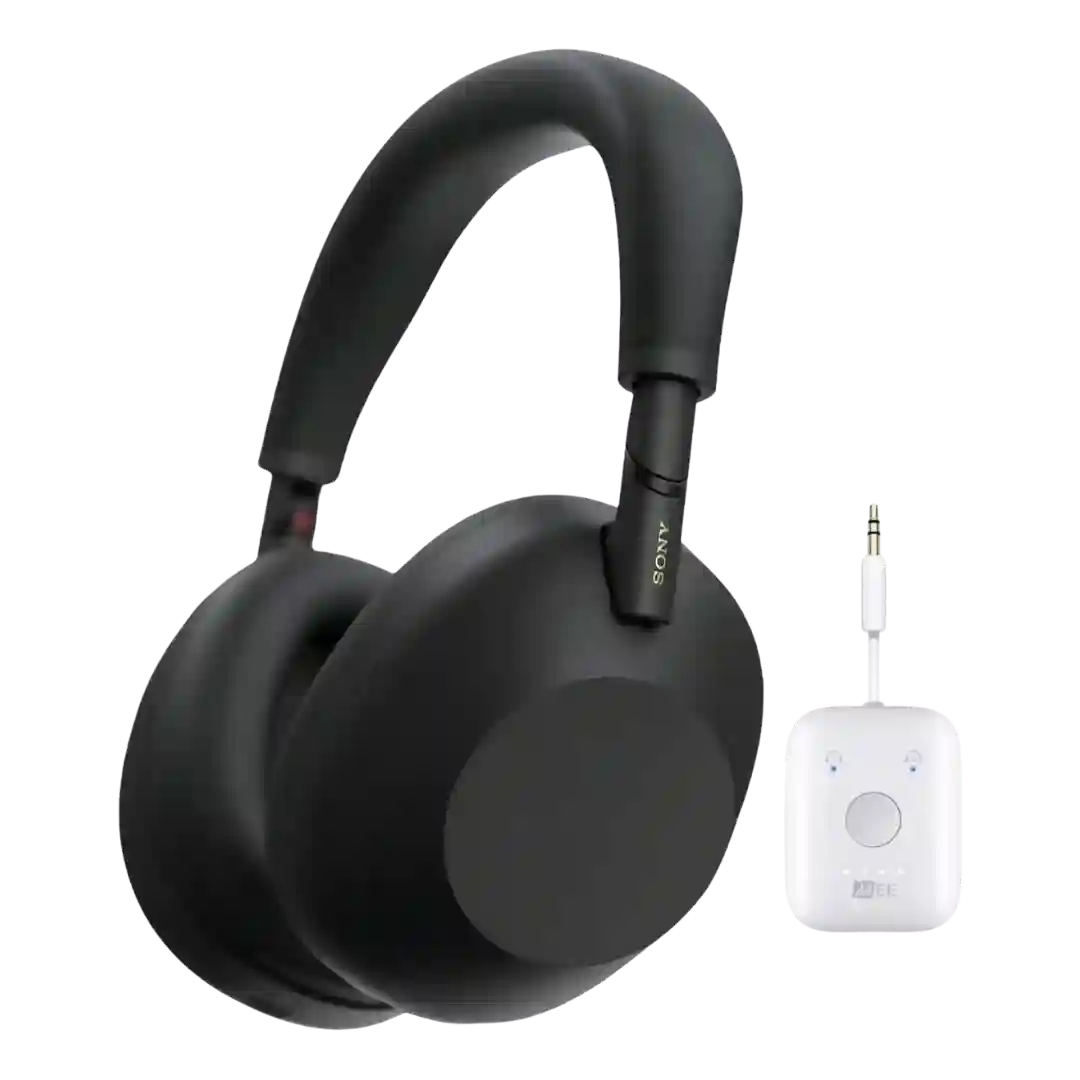
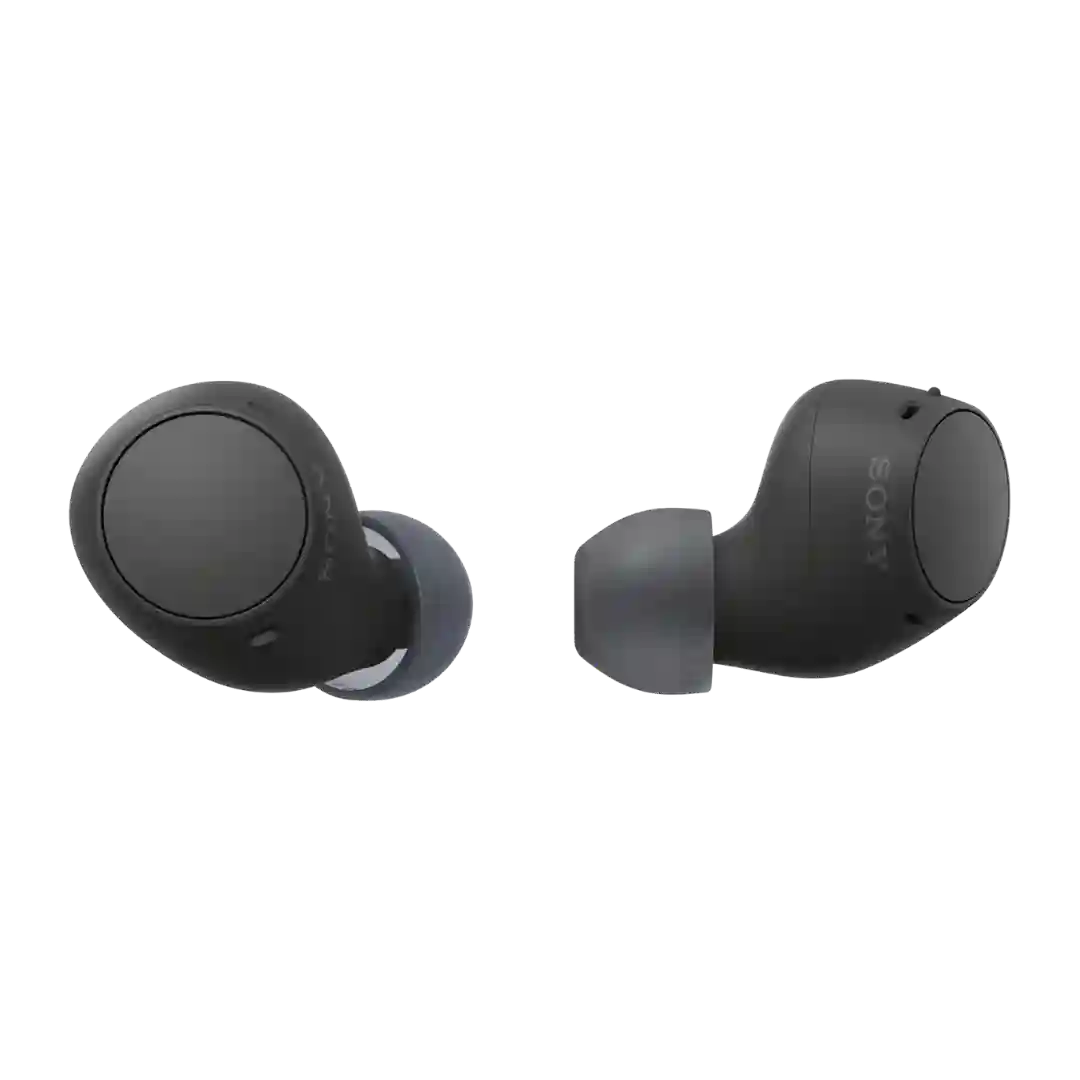
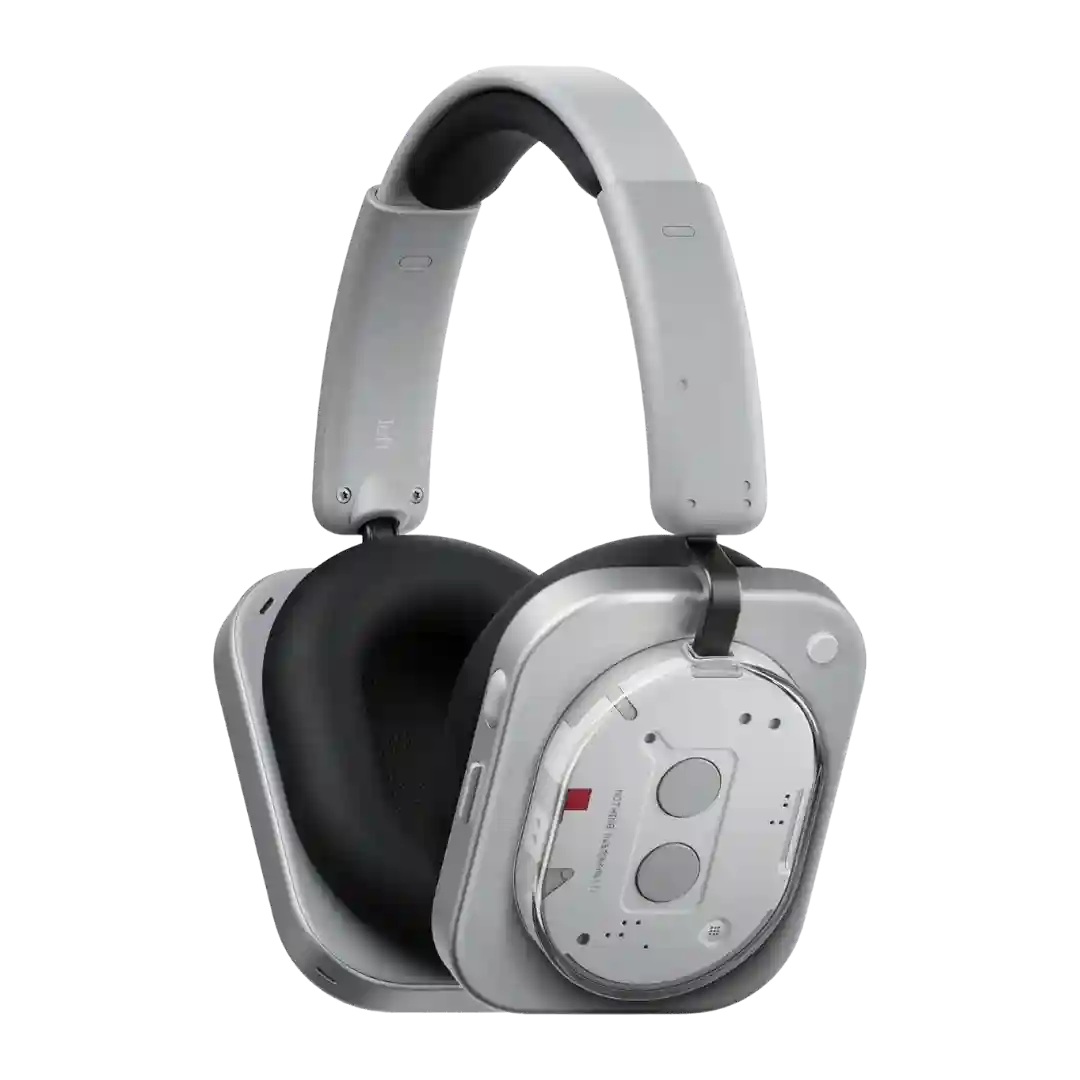
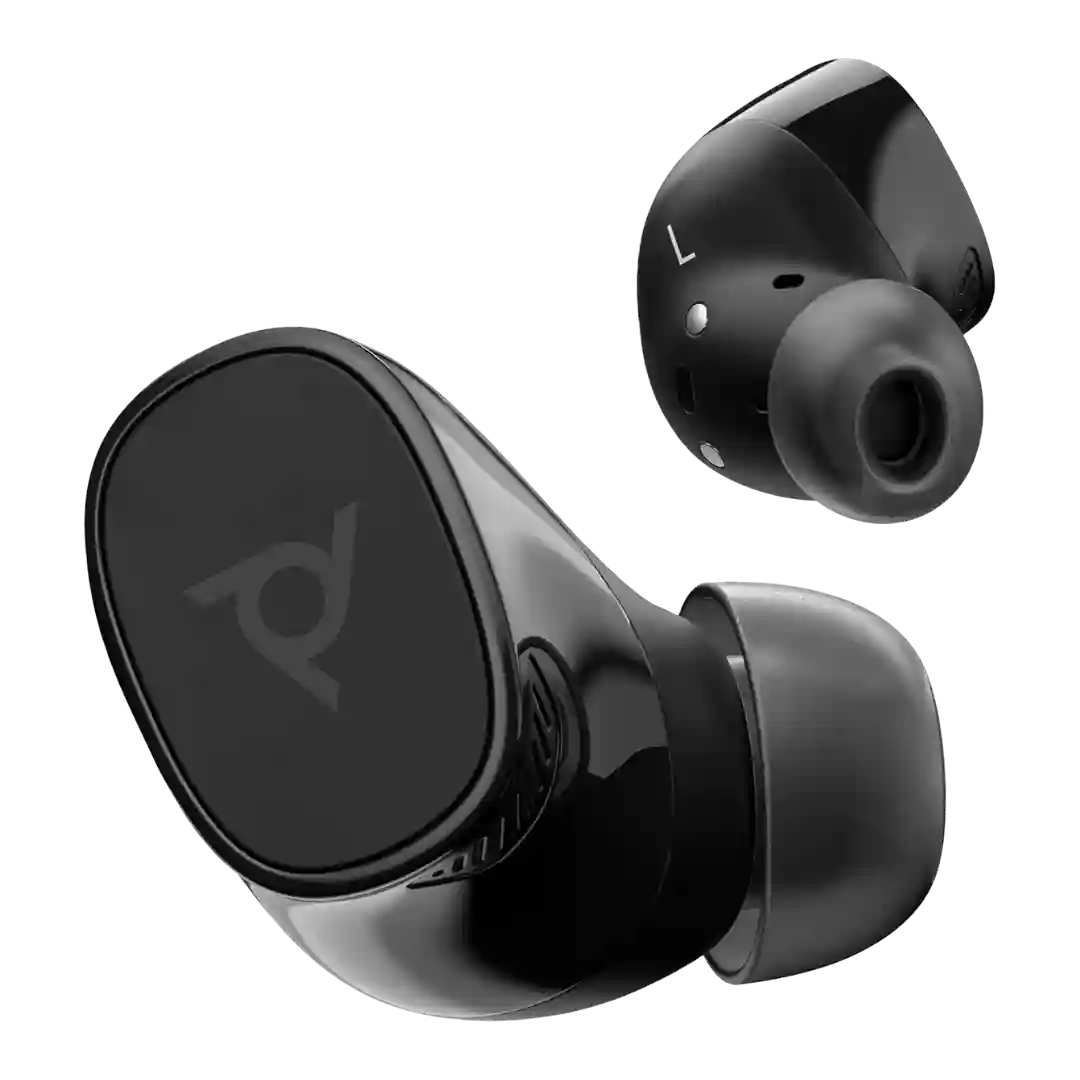
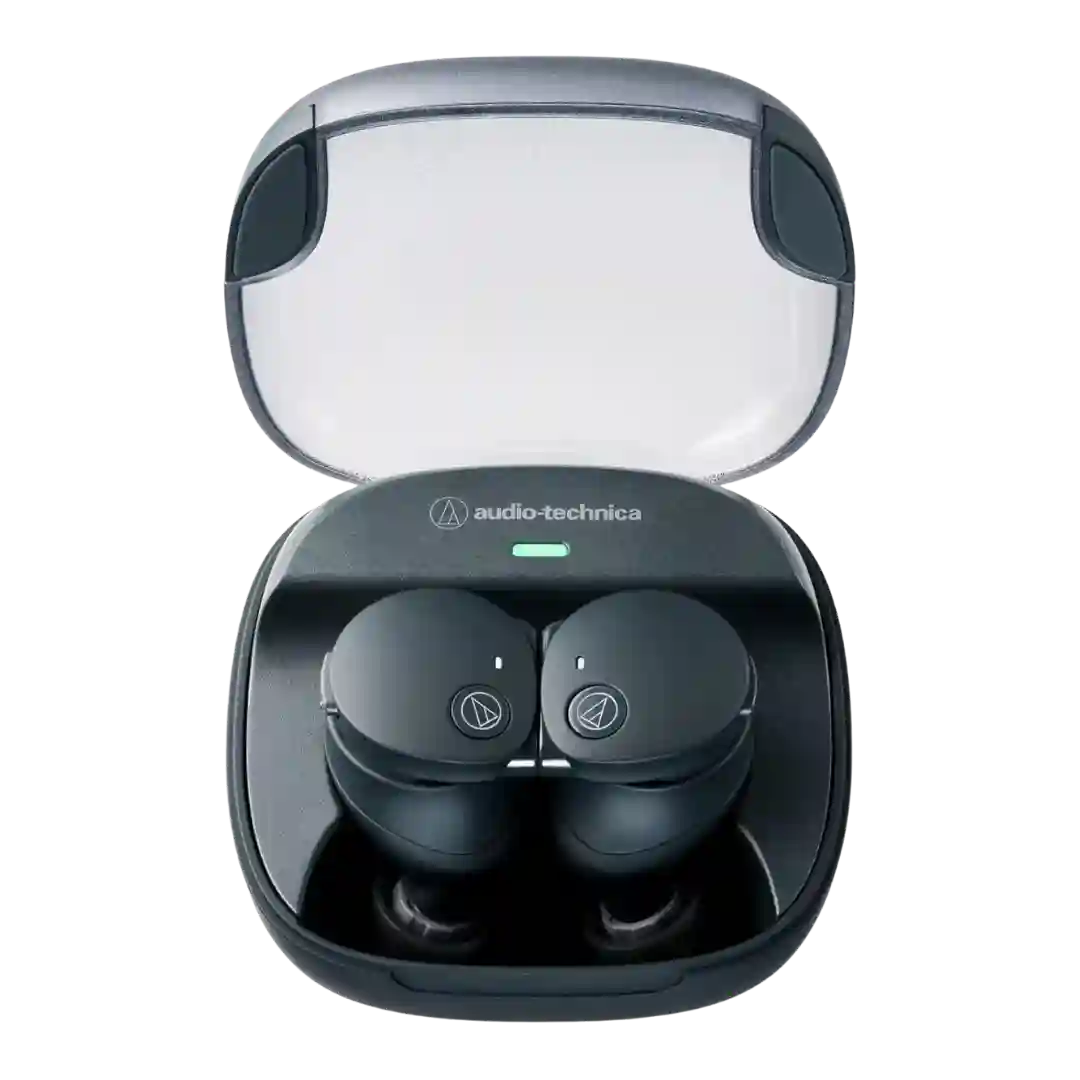
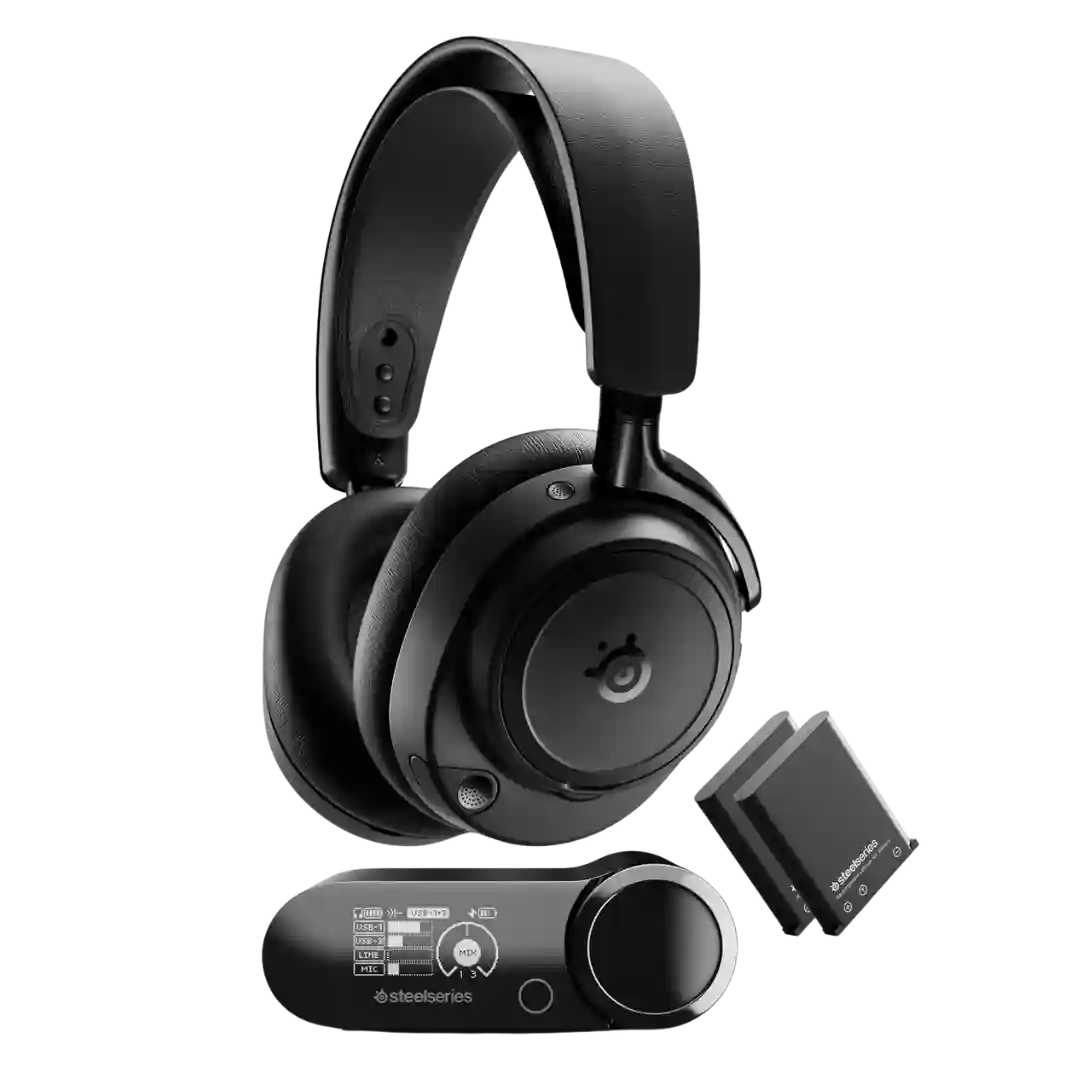
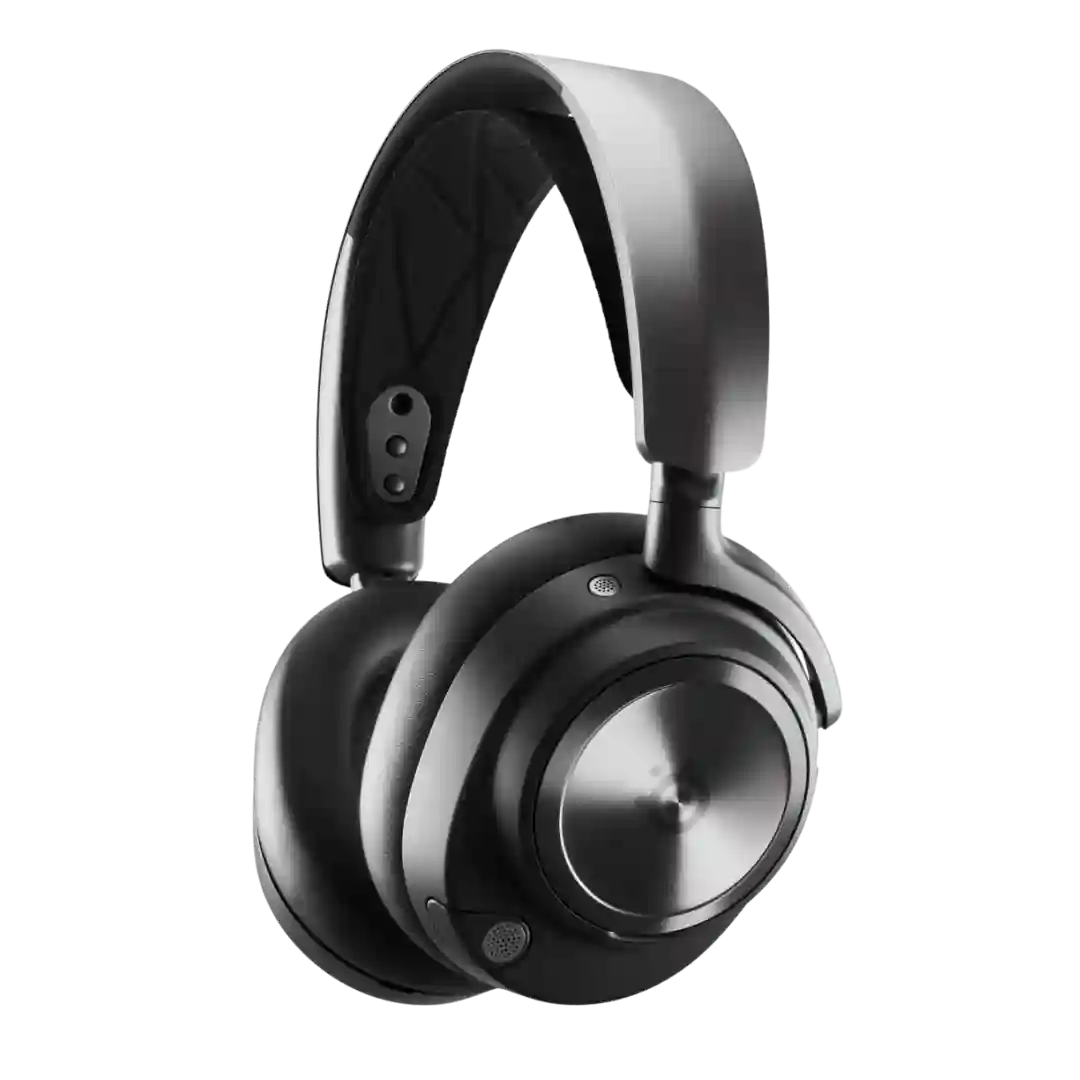
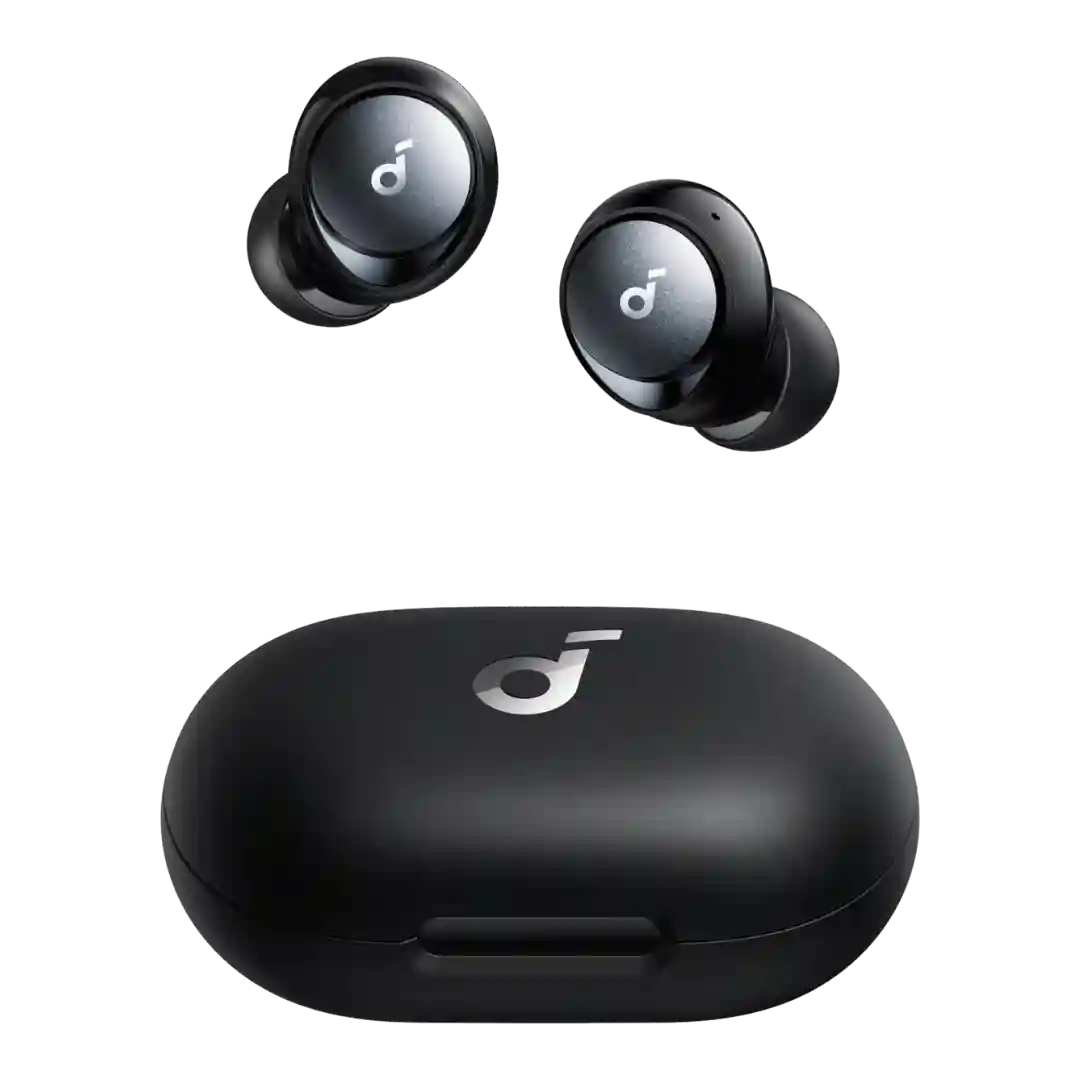
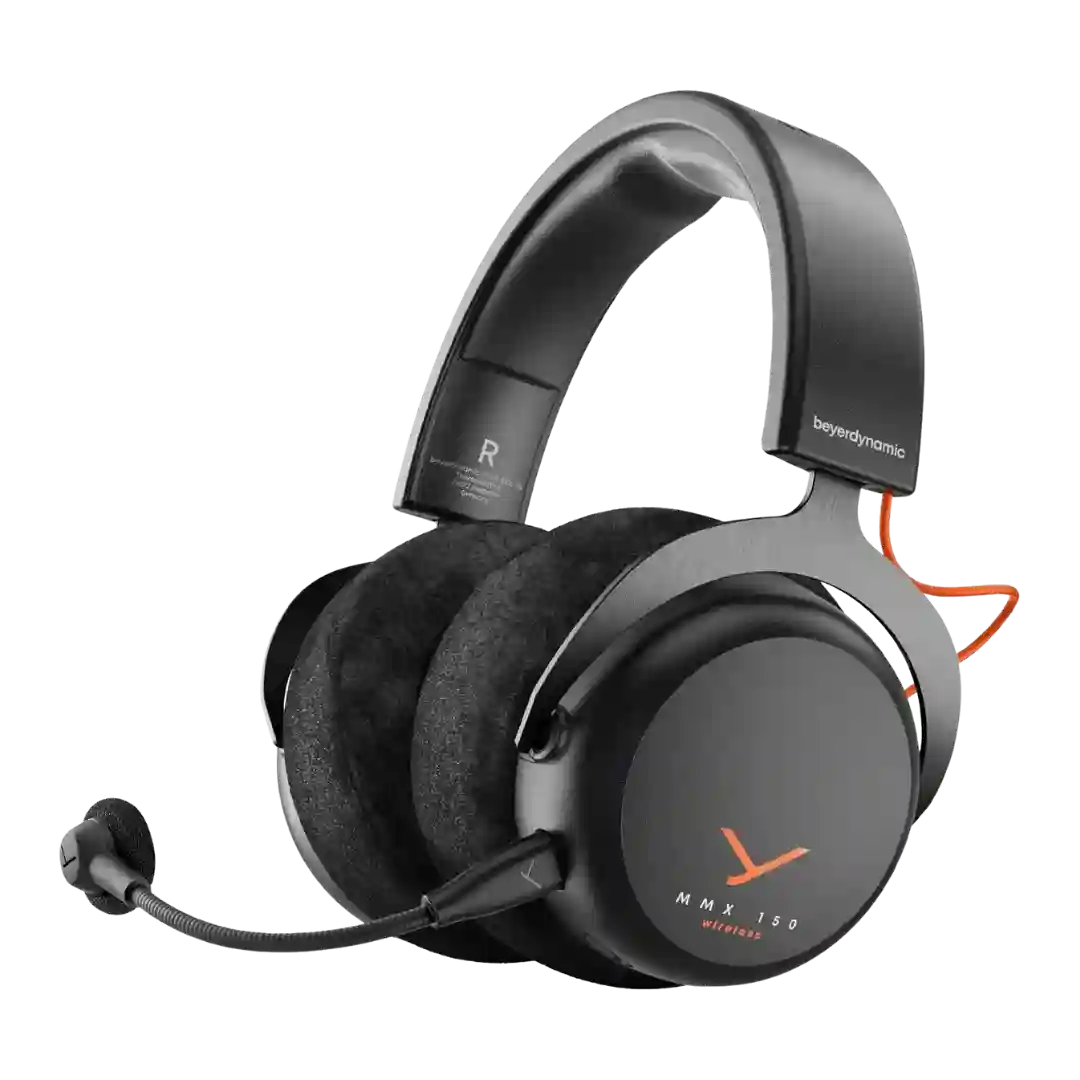
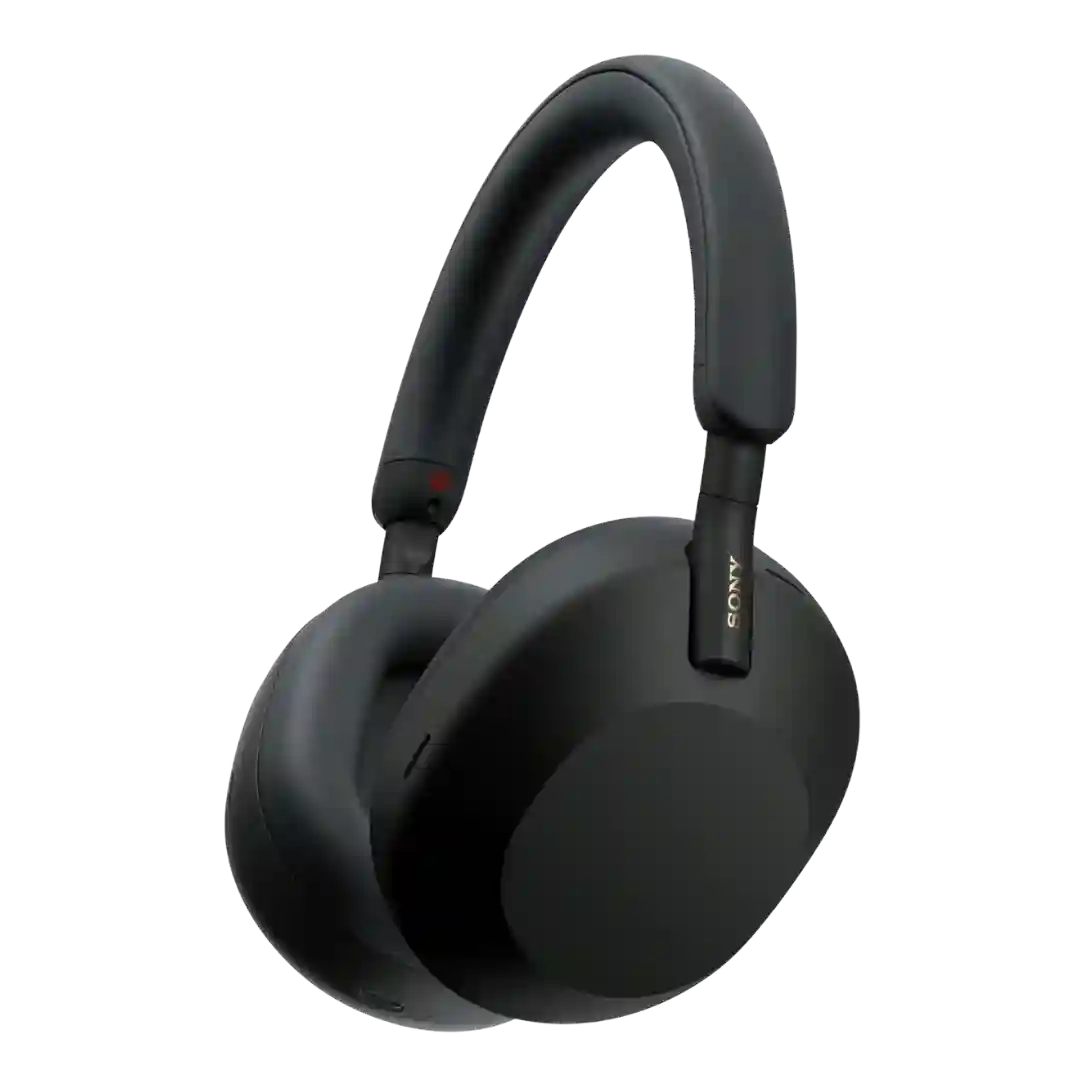
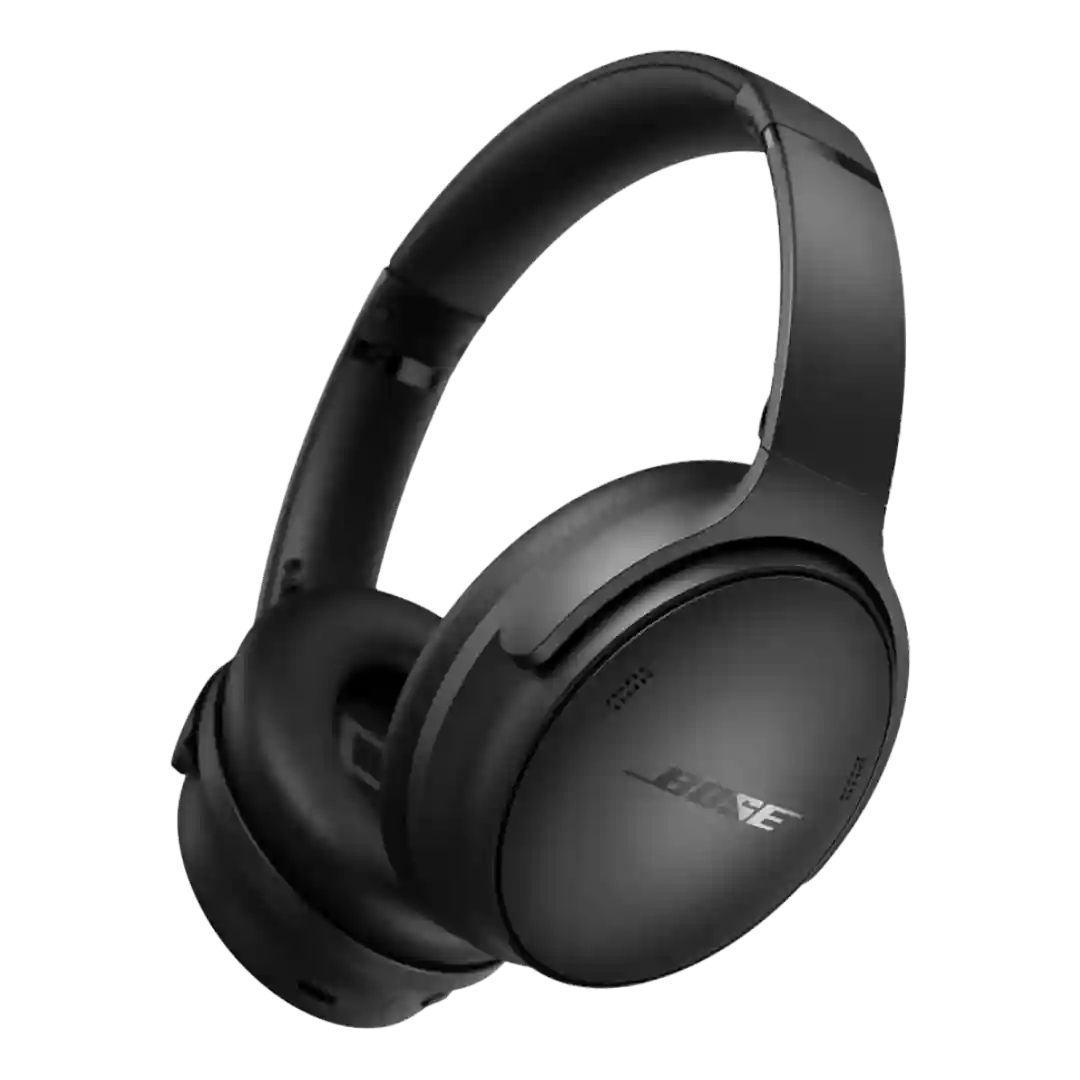
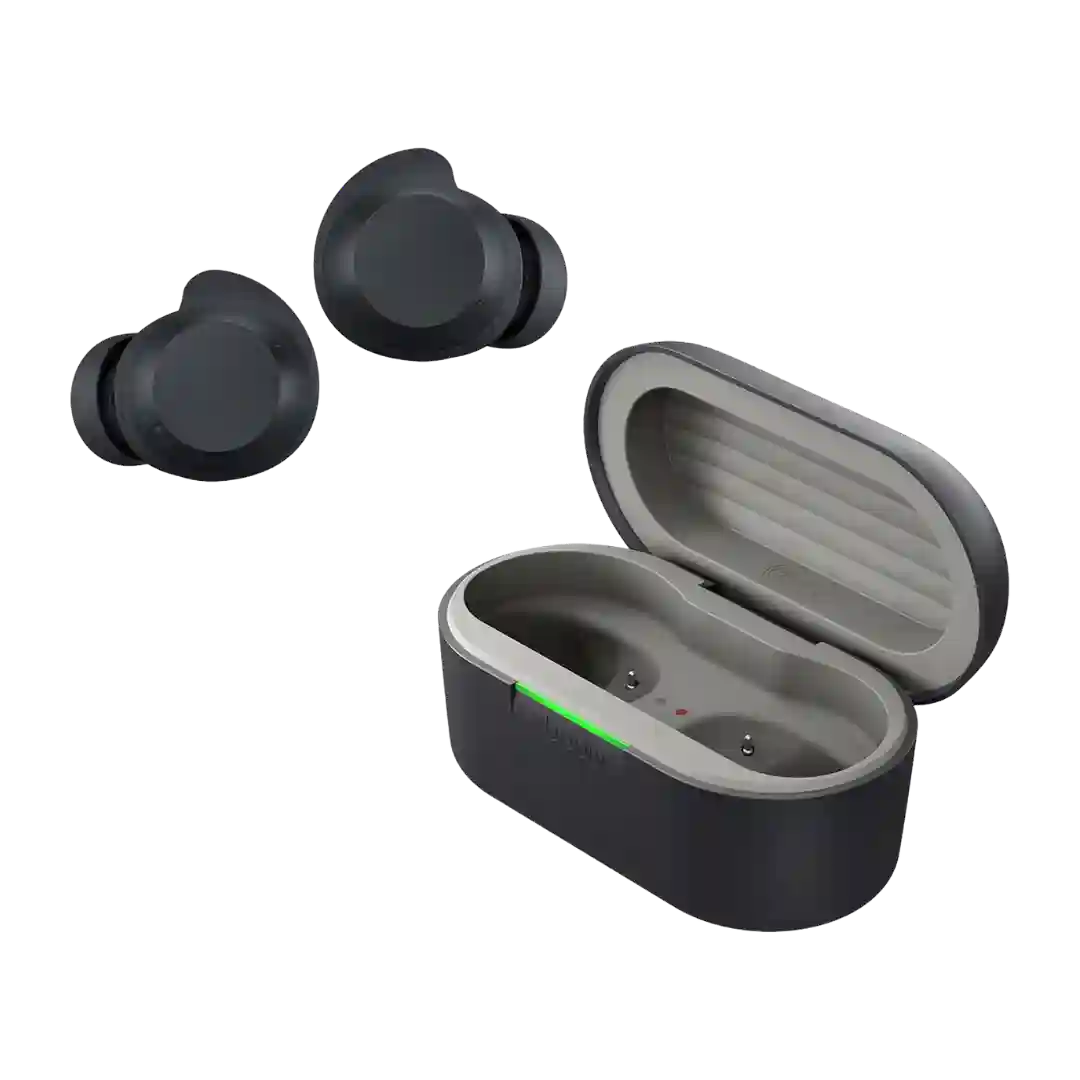
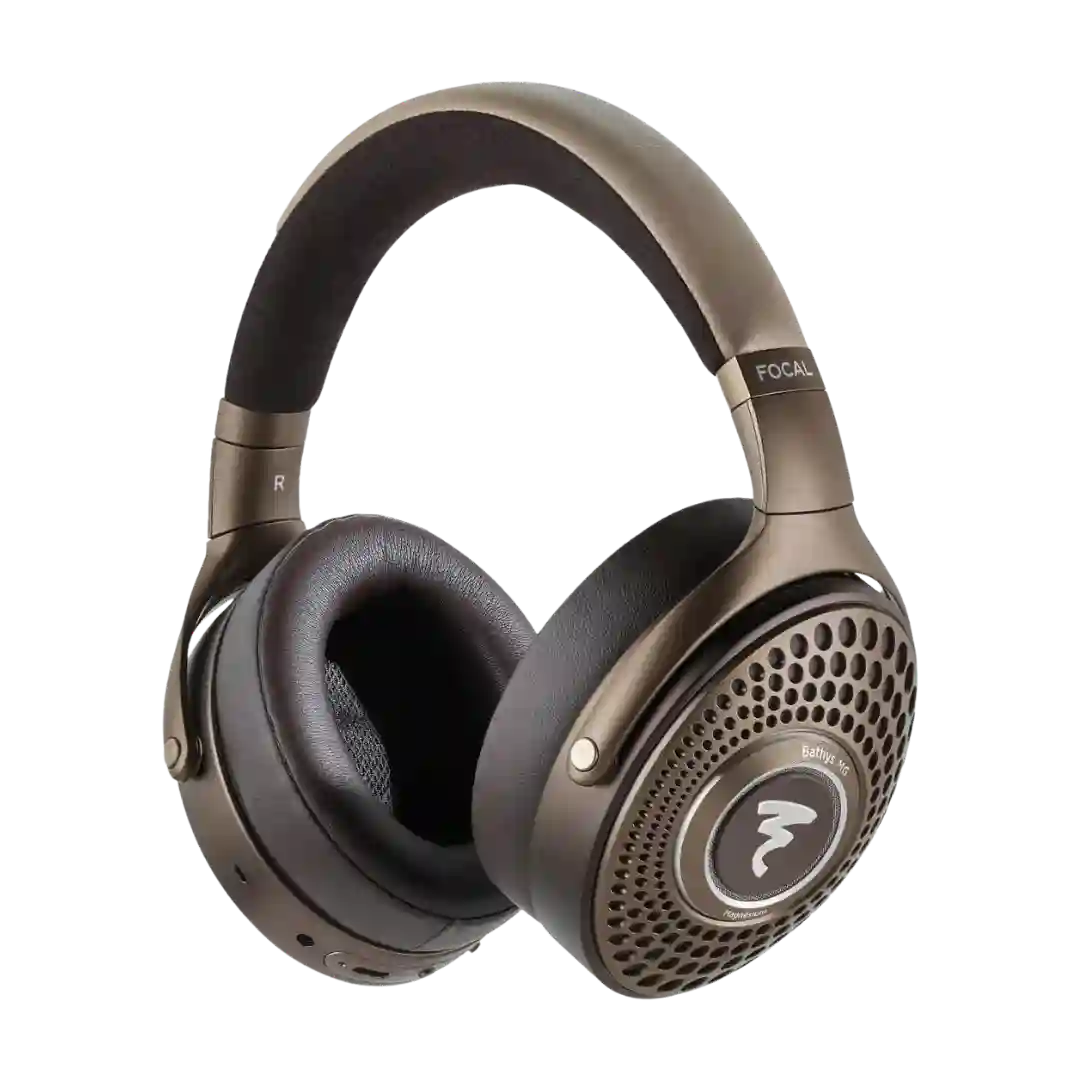
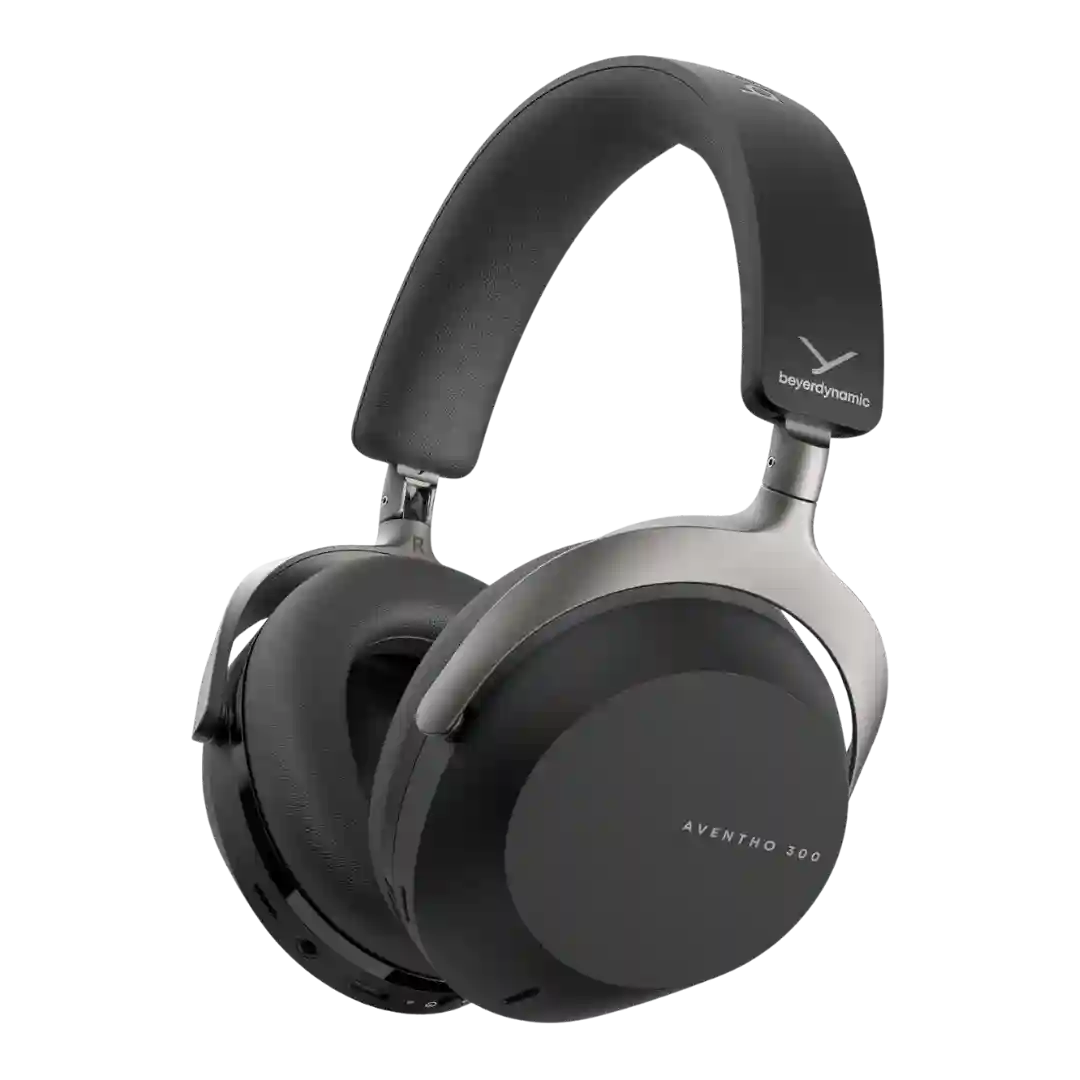
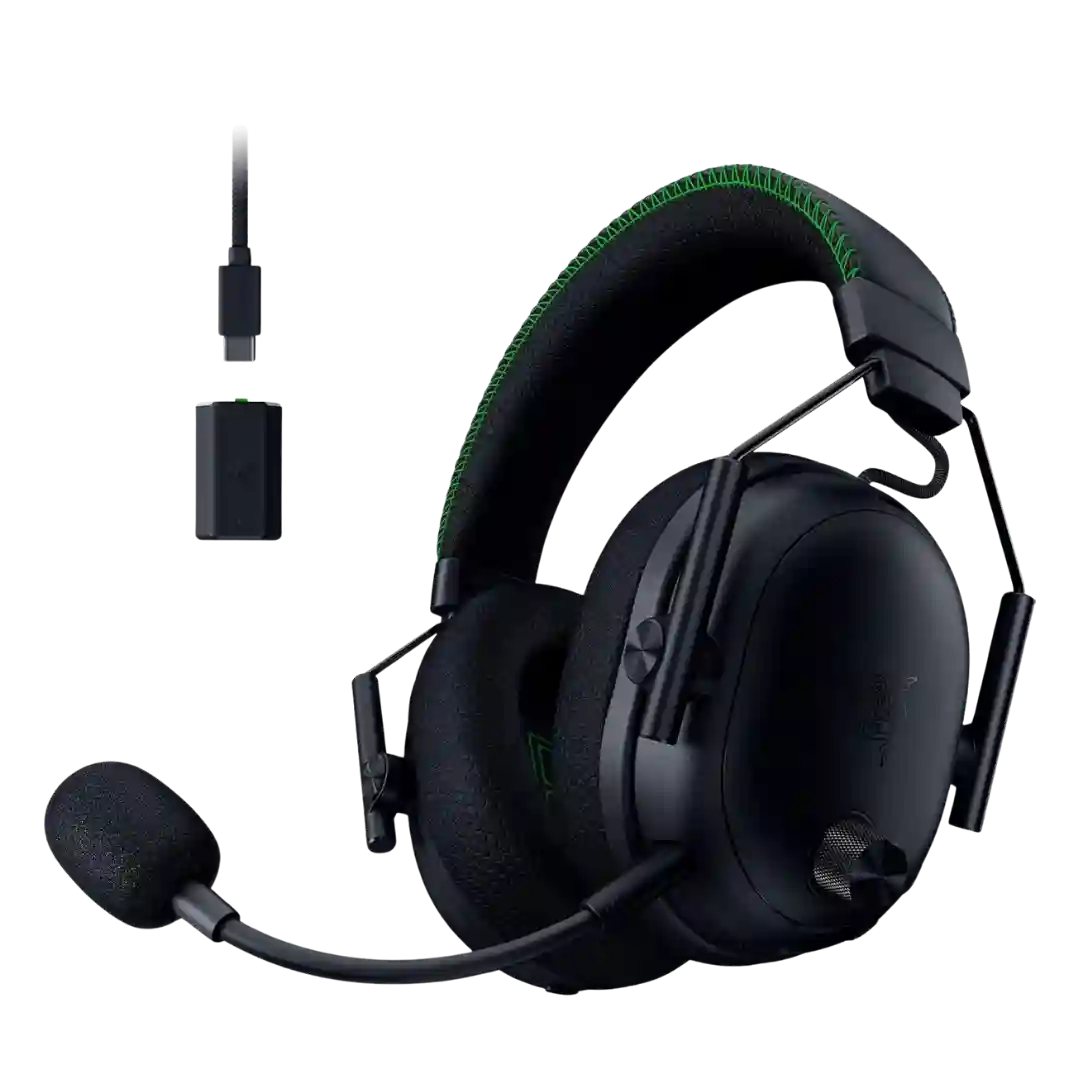
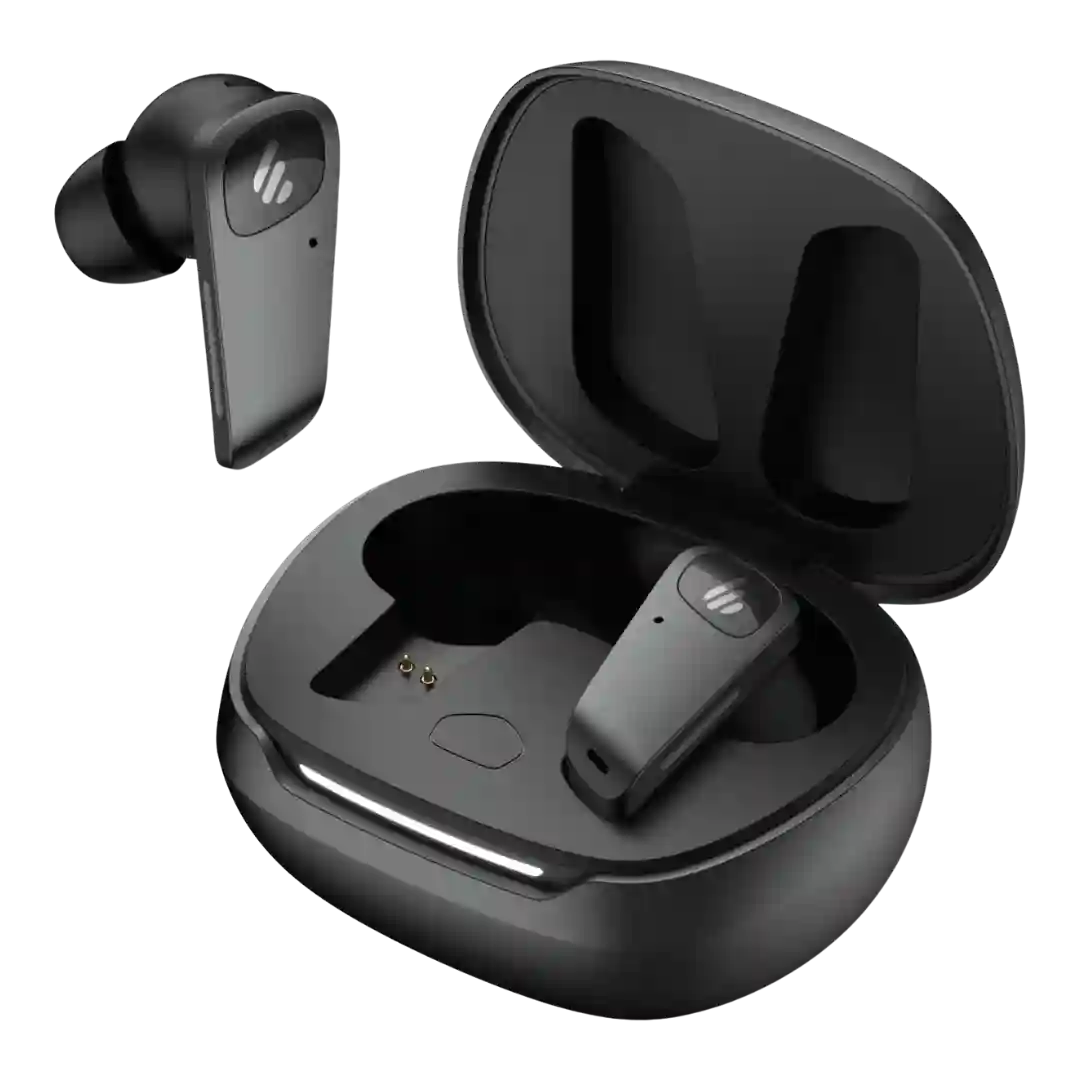
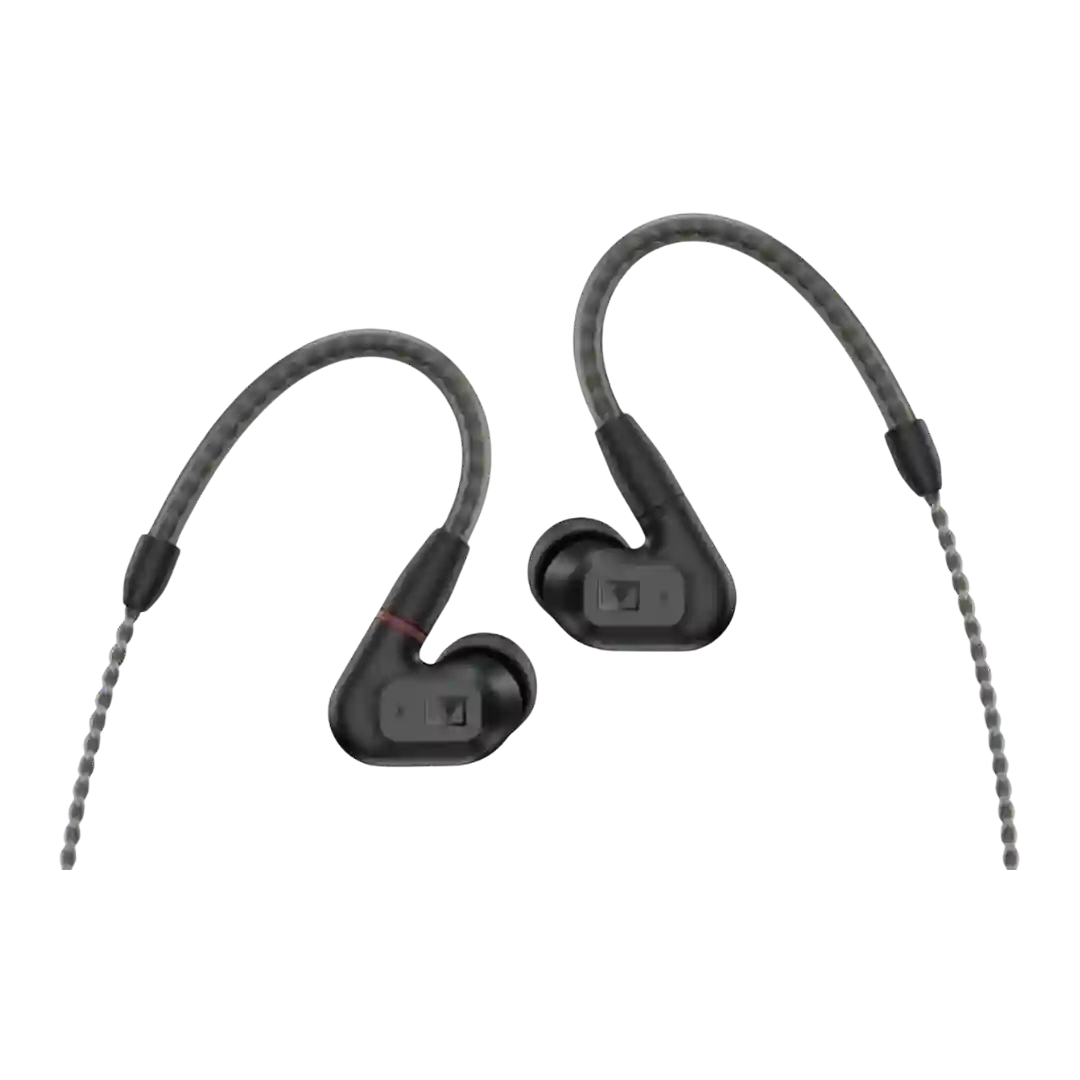
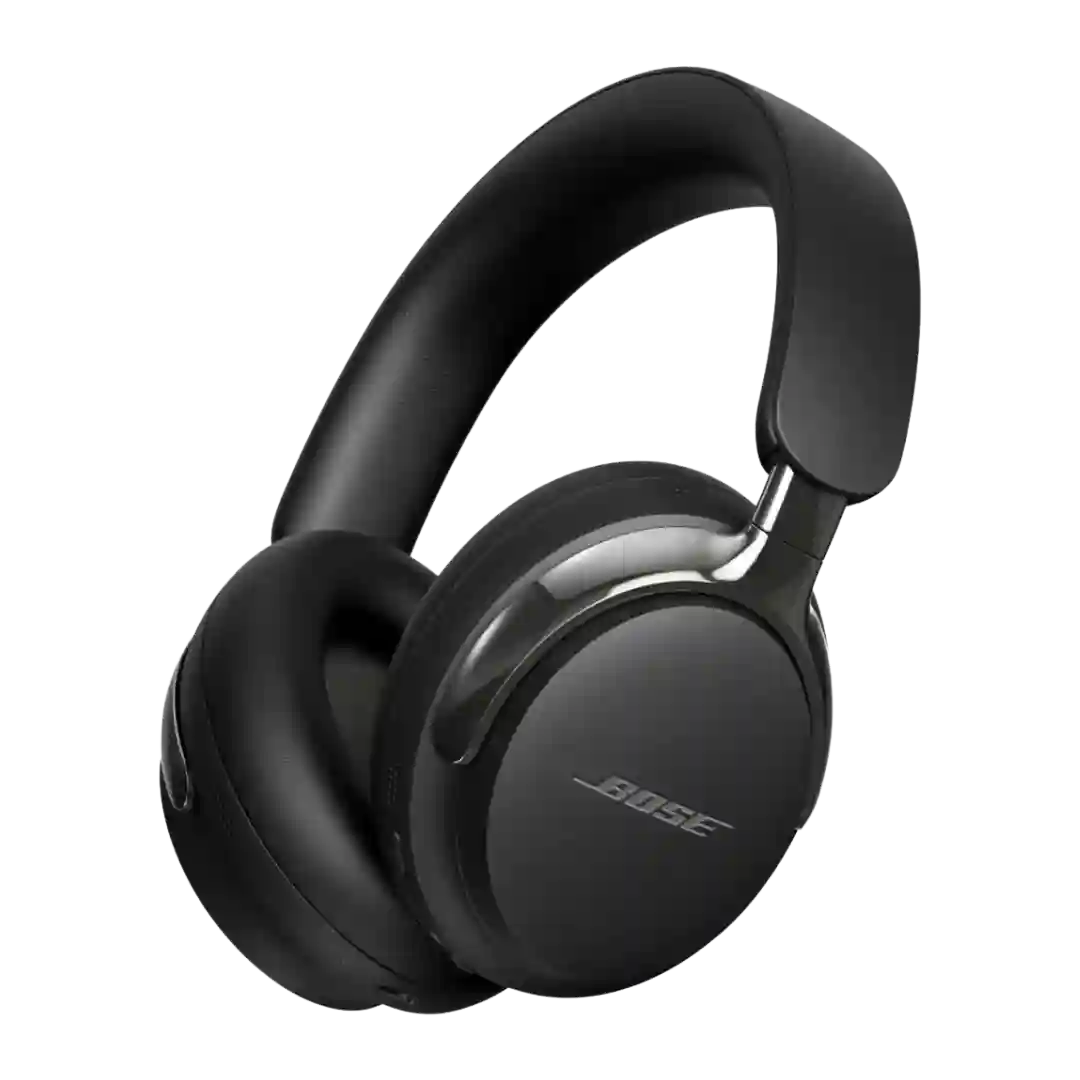
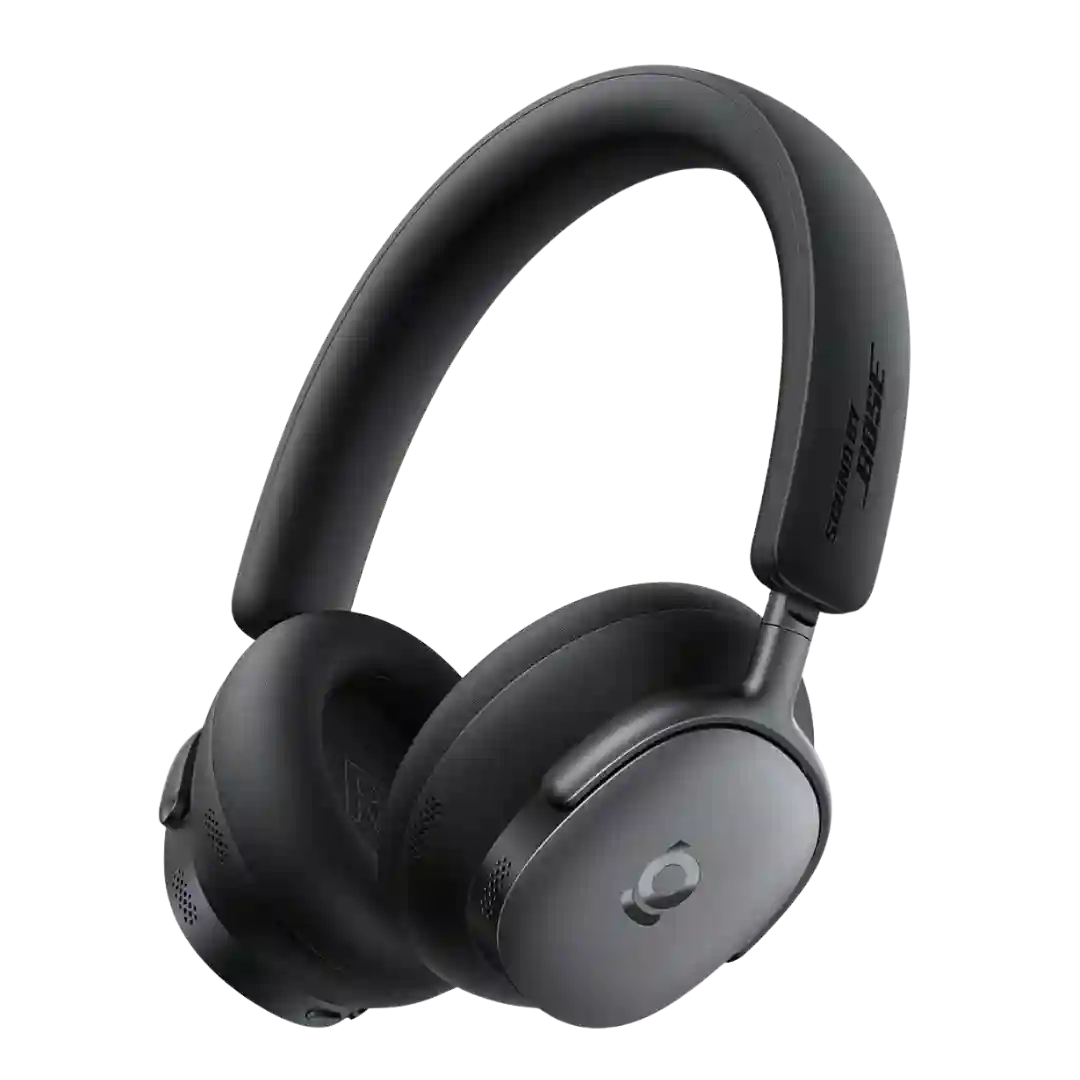
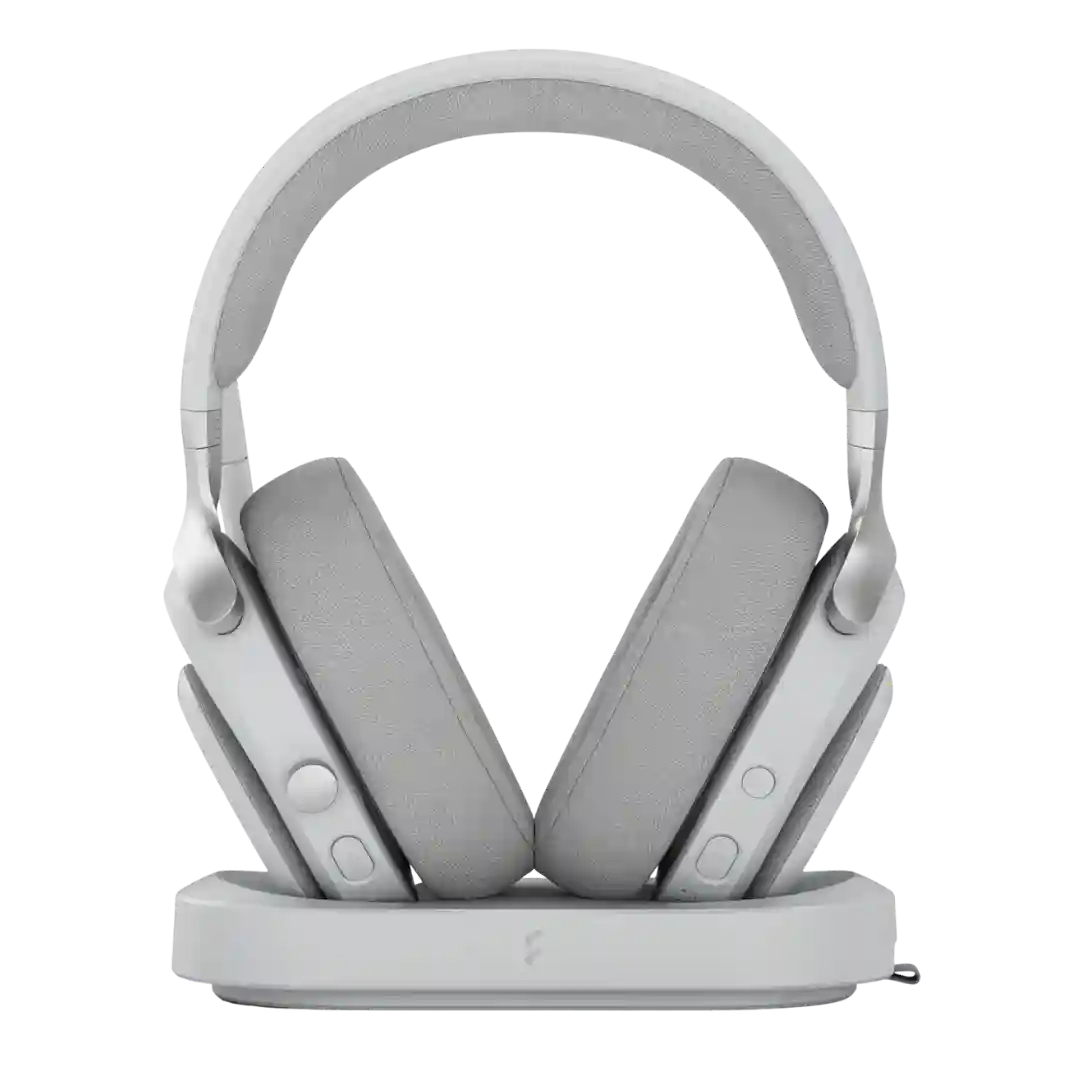
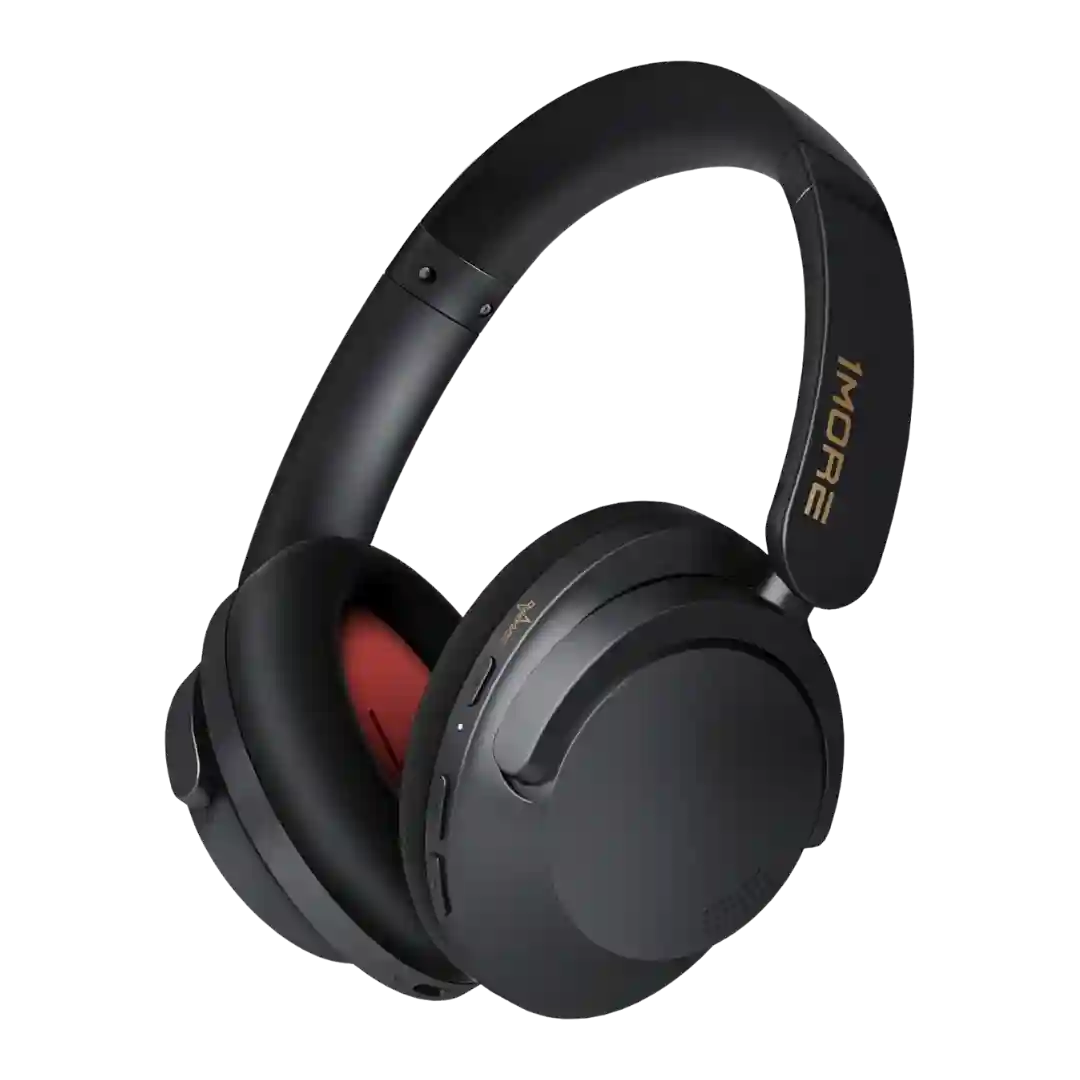
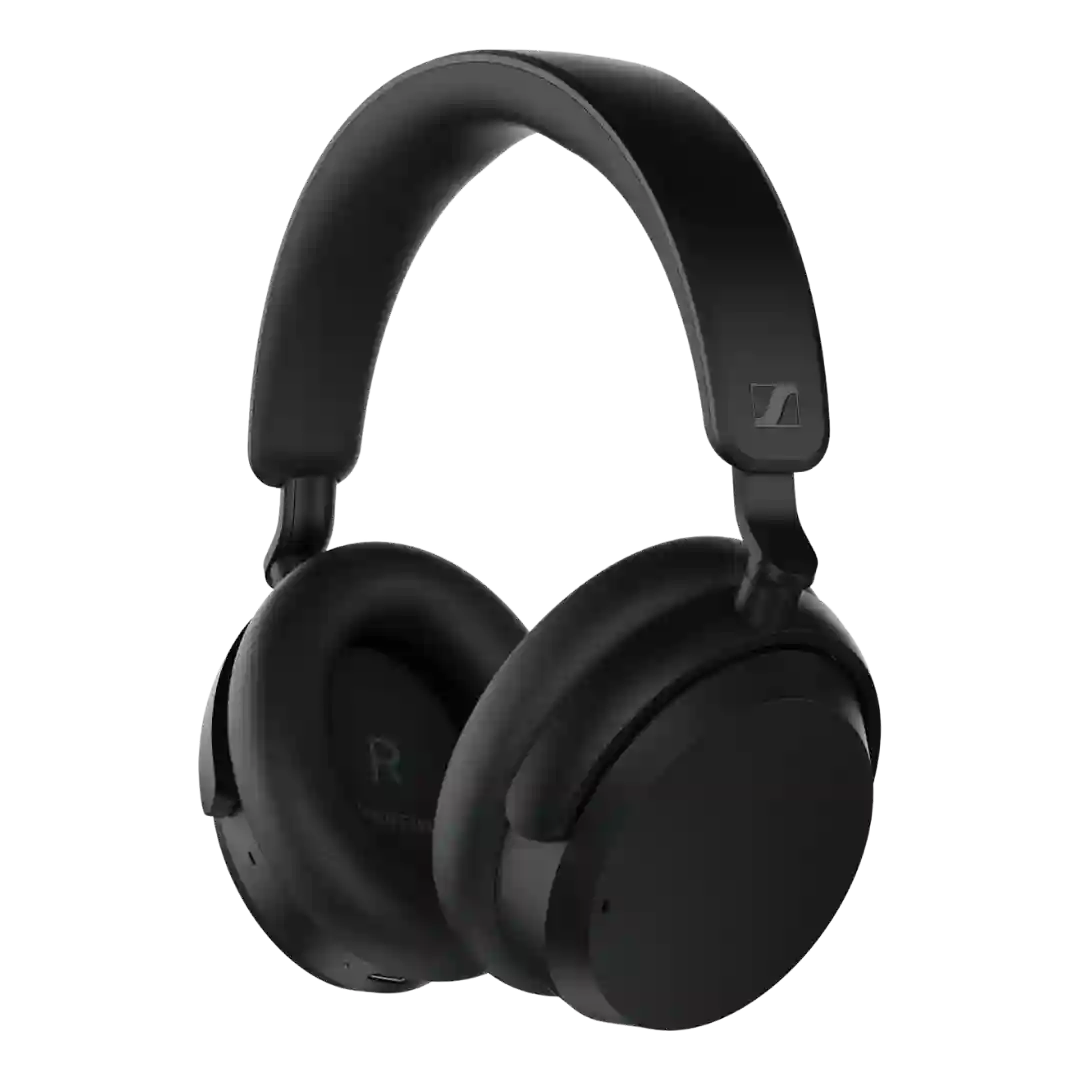
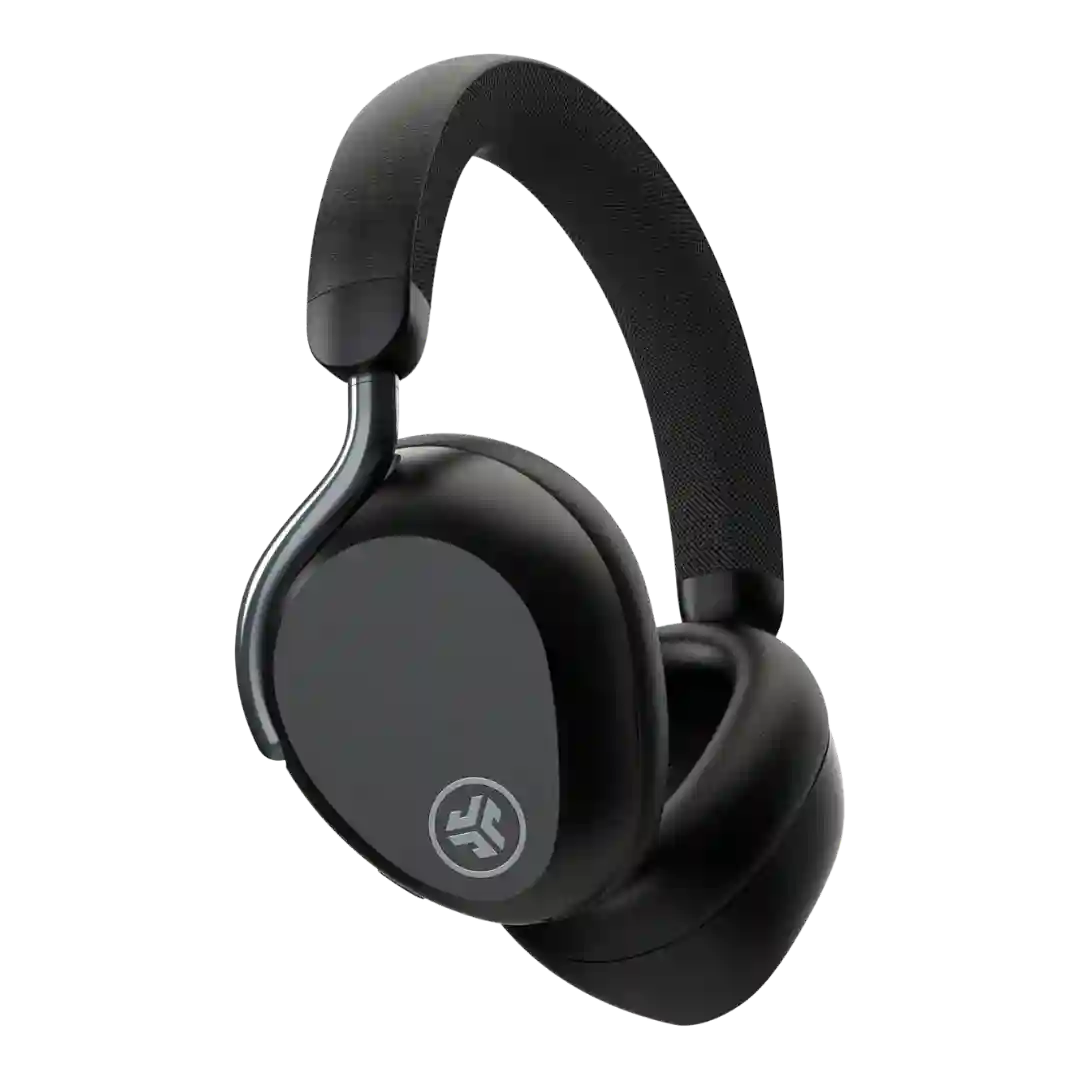
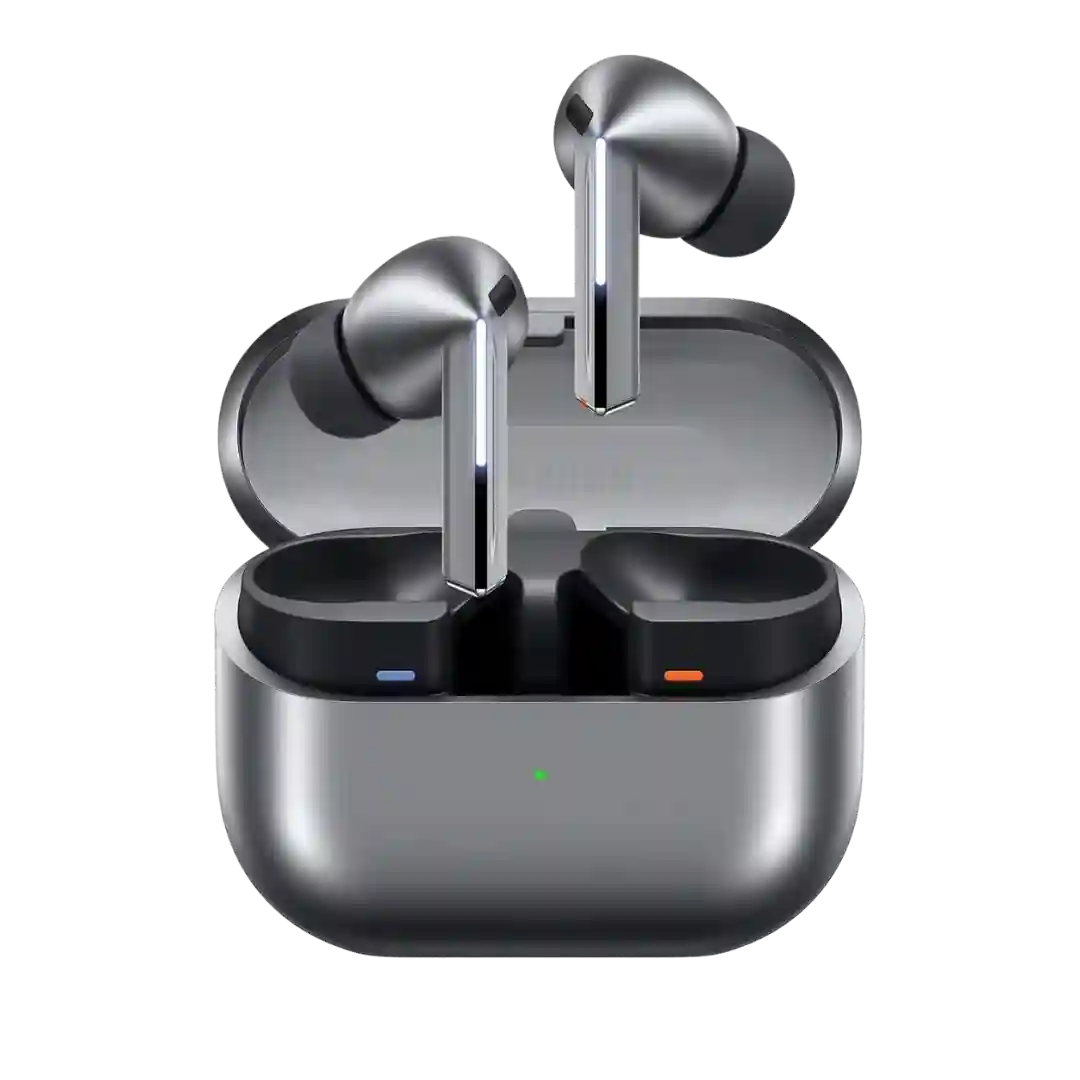
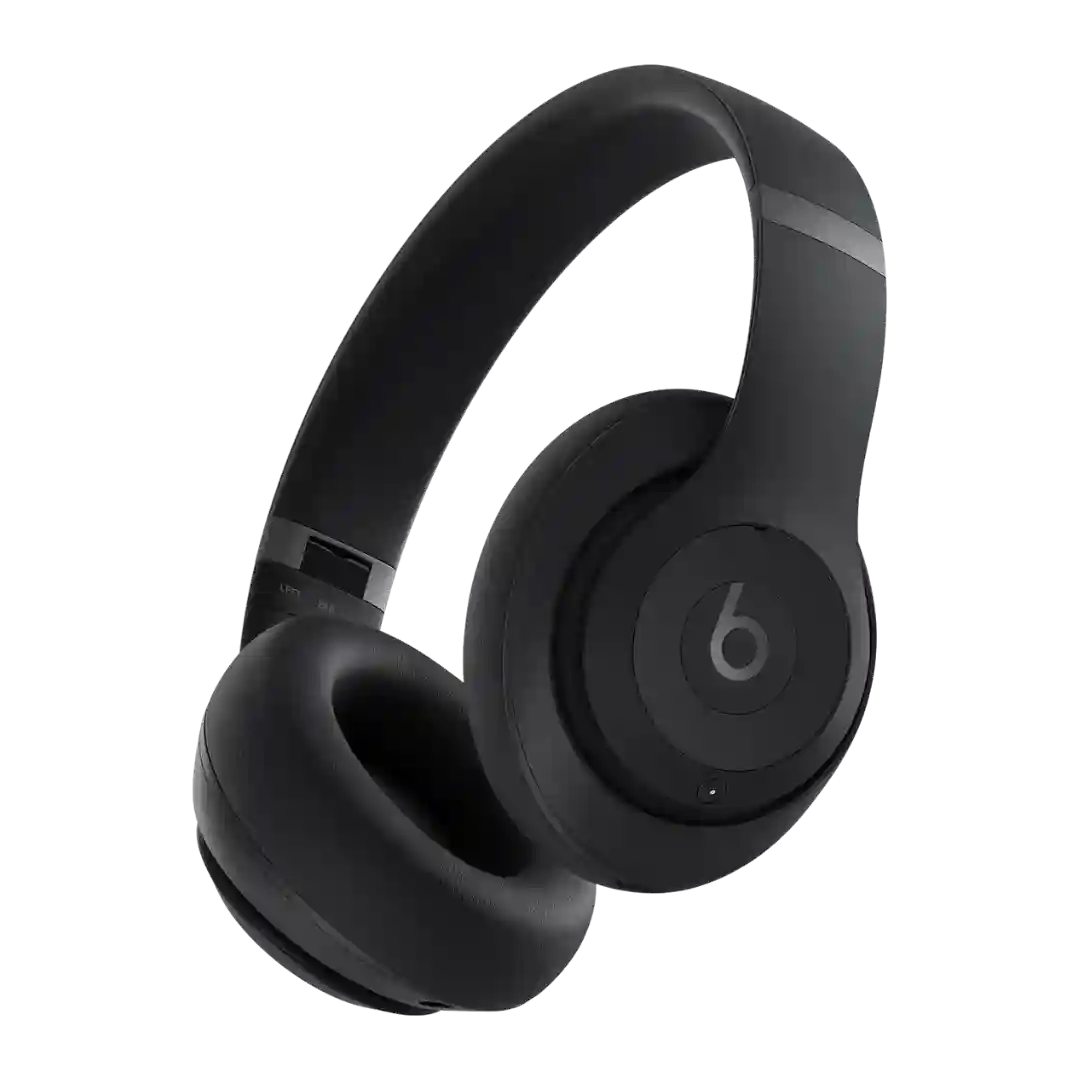
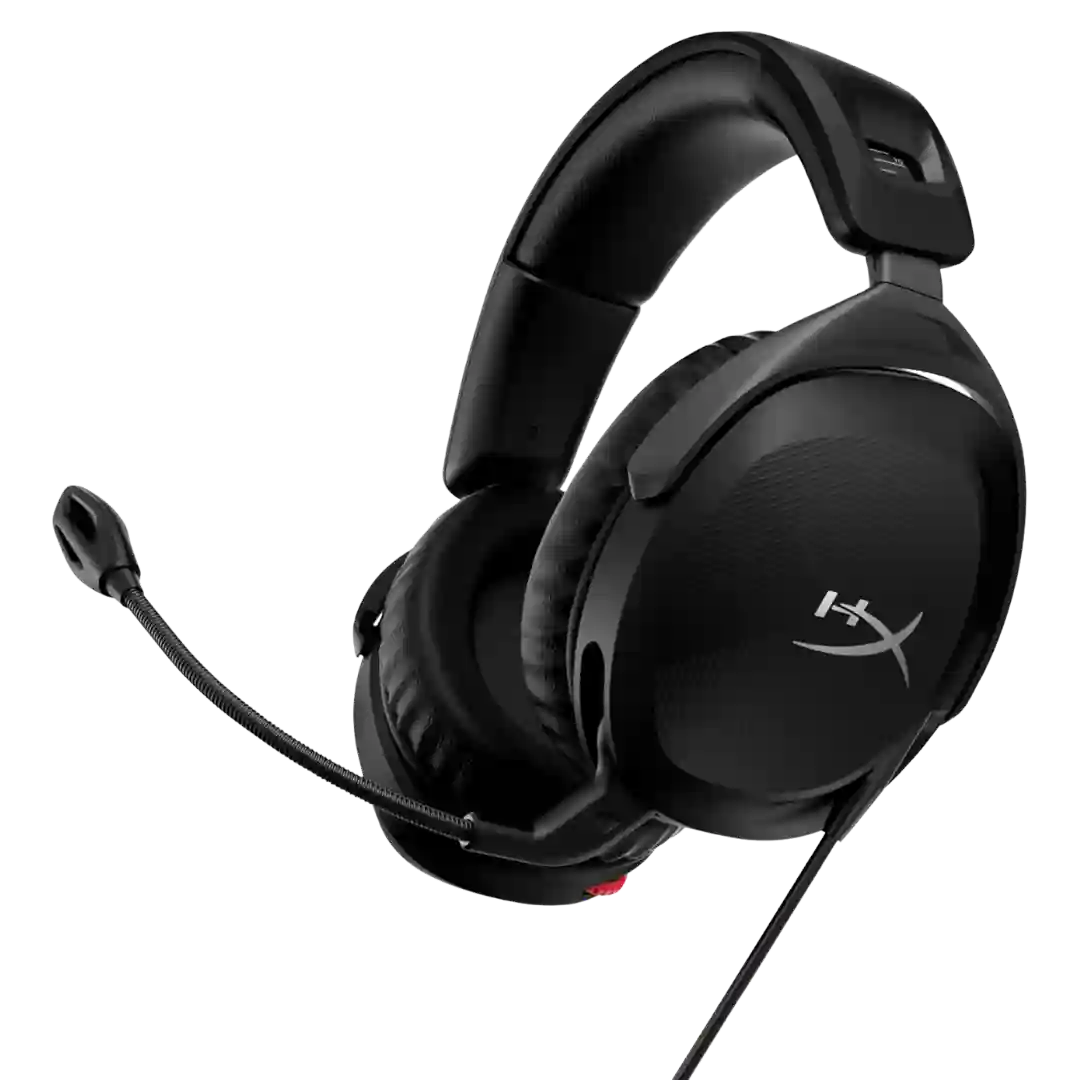
Sealed ear tips are repeatedly credited for strong passive isolation and more consistent fit compared with unsealed designs. Seal quality varies by ear shape and included tip sizing, and some users may need third-party tips.
Passive noise isolation is described as strong thanks to large, well-sealing earcups and design details aimed at closing gaps around the ear, providing a solid foundation before ANC is even enabled.
Passive isolation is strong when the seal is right, helped by multiple ear tip sizes and stabilizing fins. A few users report seal sensitivity depending on ear shape and tip stiffness, which can impact both sound and ANC.
Passive isolation is a standout thanks to the foam-style tips and strong seal; performance is highly dependent on getting the fit right and the tips can be delicate over time.
The stock foam-style tips deliver strong passive isolation and help the buds feel like a quiet-zone switch. Fit and comfort vary, and multiple reviewers report better results after swapping to third-party tips for a tighter seal or softer feel.
Even before ANC, the seal provides strong passive isolation; multiple reviews mention the natural seal doing a lot of the work for travel and office noise.
Passive isolation is repeatedly praised as impressive for a non-ANC model, with multiple reviewers describing a strong seal that blocks a meaningful amount of outside noise.
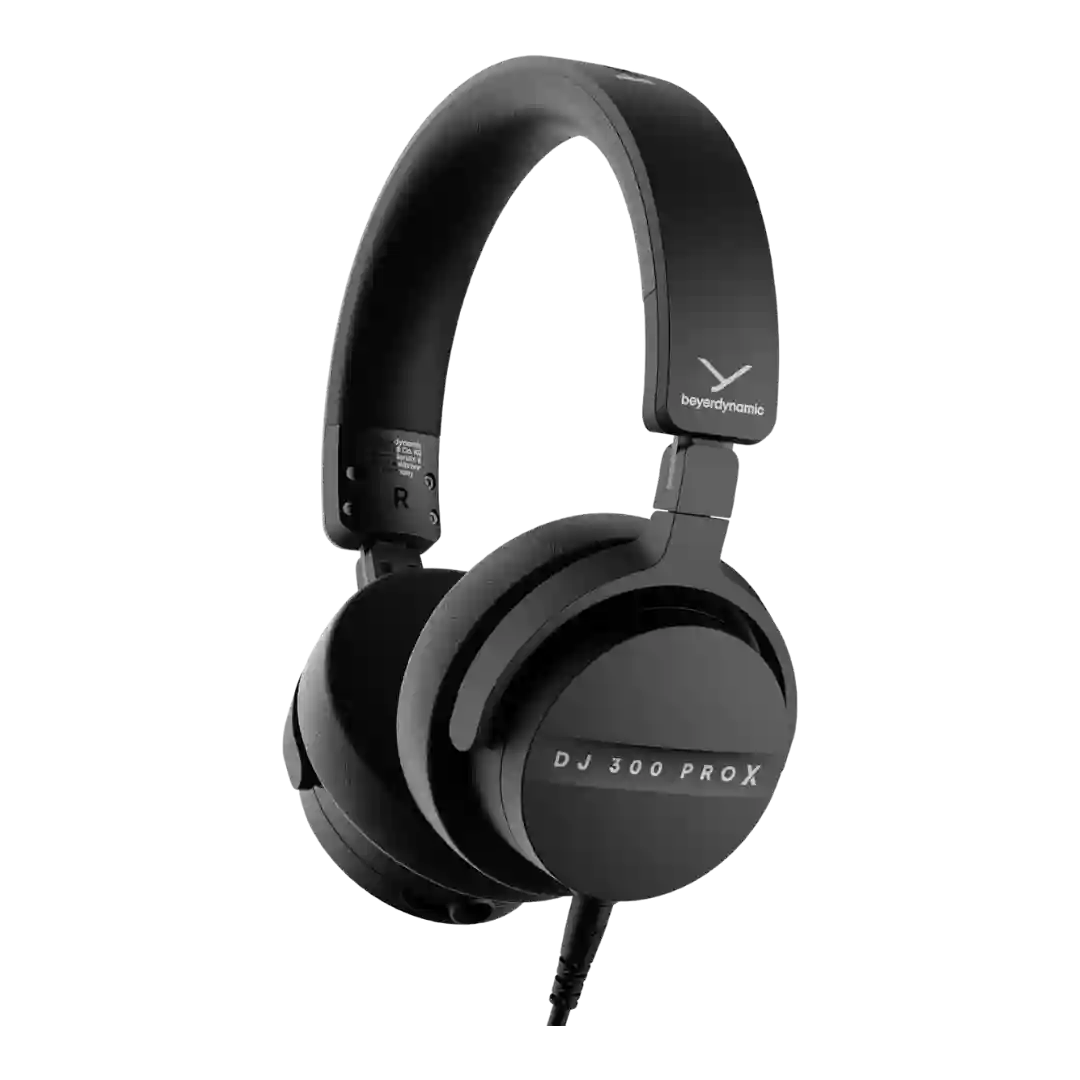
Passive isolation is consistently presented as strong for a closed-back DJ headphone, including explicit claims around club-friendly attenuation. It appears well suited to loud environments where cueing needs to cut through outside noise.
Passive isolation is strong thanks to large pads and a solid seal, with some users noting it can block a lot of ambient noise even before ANC is enabled.
Passive isolation is consistently strong thanks to a good seal and memory-foam style pads, meaning ANC has a solid foundation in many real-world environments.
Passive isolation is generally strong due to the in-ear seal, with fit tests and tip sizing helping reduce leakage and block outside noise even before ANC.
Passive isolation benefits from a strong seal and plush pads; several reviewers say it blocks a lot even before ANC, though the tighter clamp that helps isolation can affect comfort.
Passive isolation benefits from an easy-to-achieve seal and helps overall noise reduction. A few notes suggest fit, glasses, or positioning can change results noticeably.
Passive isolation is strong with a proper seal and contributes meaningfully to overall noise reduction. Some users still prefer deeper-inserting foam tips on competitors for maximum passive blocking.
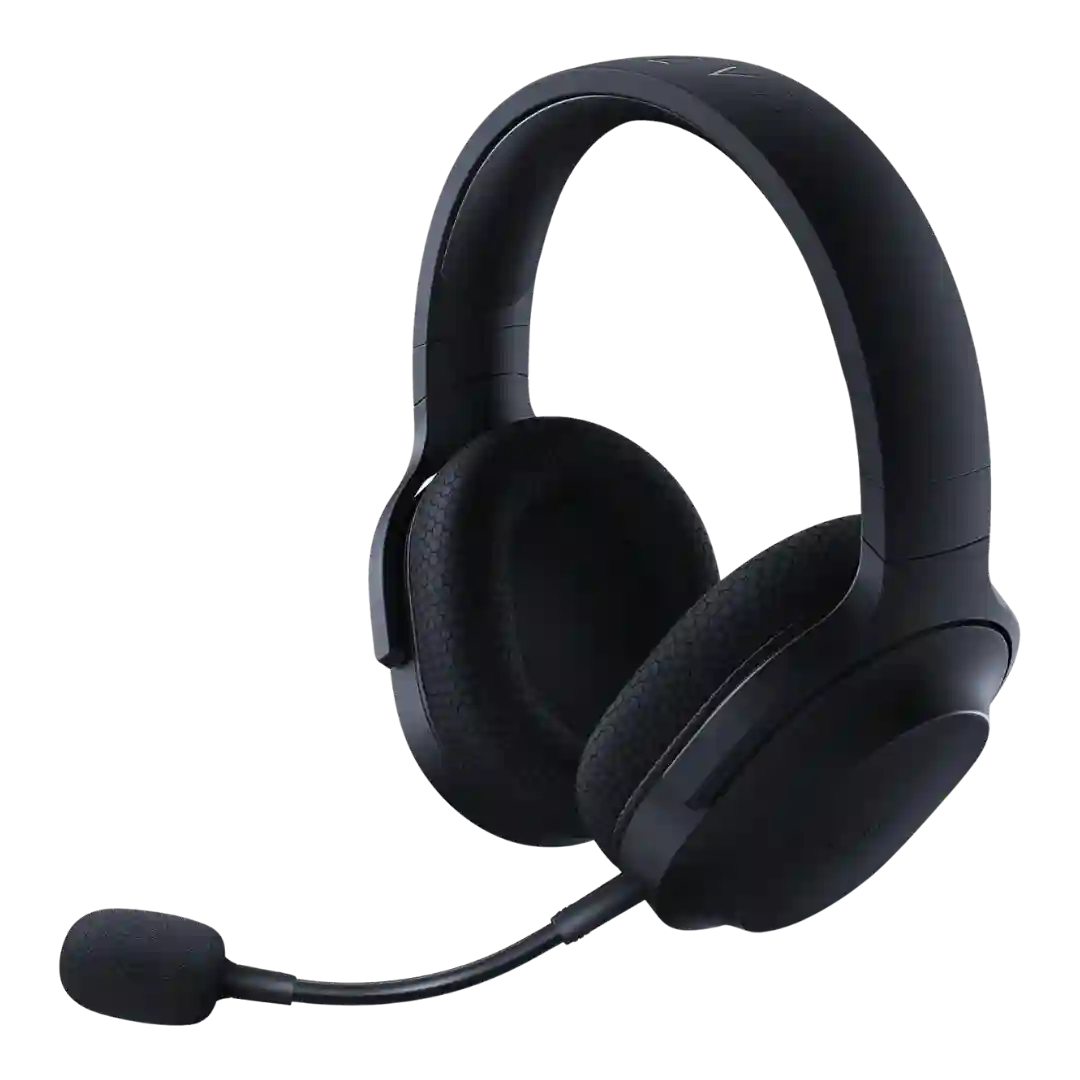
Passive isolation is strong for a closed-back gaming headset thanks to the leatherette seal. Several users note it remains effective even when ANC performance is only average or turned off.
Passive isolation is generally above average with a good seal, providing a solid baseline even before ANC; fit-dependent leakage is the main limiter if tips do not seal well.
Passive isolation is generally described as good for voices and incidental noise, helped by thick pads and a solid seal, but it is less effective against constant low-frequency hum like engines or appliances.
Passive isolation is strong for an ANC headphone and improves overall attenuation, but seal quality matters; glasses or worn pads can noticeably reduce isolation and ANC impact.
Passive isolation benefits from a strong seal and well-sized earcups; multiple reviews mention minimal leakage and good baseline isolation even before ANC.
Passive isolation benefits from the over-ear seal and softer pads, though seal sensitivity with glasses is noted by at least one reviewer and total isolation still leans on ANC.
Foam-infused silicone tips and the deeper fit improve passive sealing for many users, helping low-frequency rumble and chatter before ANC kicks in. It still does not behave like full memory-foam isolation for everyone.
Passive isolation is helped by the over-ear seal, but the fabric-style pads and lighter clamp can make results inconsistent across head shapes. Some reviewers find it good enough without ANC, while others say the seal is harder to maintain, especially with the yoke design.
Passive isolation is generally good with a proper seal and improves with foam tips, though silicone tips can leak more and it is not close to ANC silence.
Passive isolation benefits from a good seal and deep cups, but a few reviewers note the foam is not the thickest; overall, it helps the ANC work even better on commutes.
Passive isolation varies with fit: some report a good seal and useful isolation, while at least one reviewer found surprisingly weak passive isolation.
Passive isolation is usually described as good enough for home gaming and office use, but it varies with fit and the fabric pads; several reviewers point out it will not replace ANC in louder environments.
The ear pads generally form a good seal with minimal leakage, providing solid passive isolation that complements ANC for commuting and home/office use.
Passive isolation is decent with a good seal, but it varies by fit and ear tips; some reviewers say it lags behind foam-tip competitors for blocking high-pitched noise.
Passive isolation depends heavily on seal: the strong clamp and updated pads help, but the shallow or smaller cups can leak with glasses or larger ears. When the seal breaks, both bass and noise control can drop noticeably.
Passive isolation was usually described as acceptable rather than exceptional, with some reviews praising the seal and others wanting stronger blocking of outside noise.