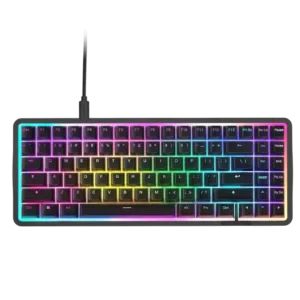
Customization was one of the strongest areas, especially per-key actuation, remapping, RGB, and performance tuning through CAM.
Pros: latency, acoustics
Cons: passthrough features, wireless performance
Customization was one of the strongest areas, especially per-key actuation, remapping, RGB, and performance tuning through CAM.
Pros: latency, acoustics
Cons: passthrough features, wireless performance
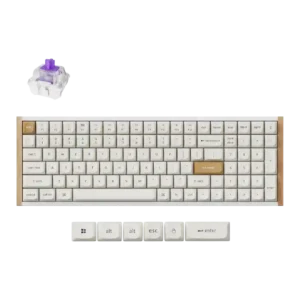
Customization was one of the strongest areas, with reviewers highlighting deep actuation, gaming, RGB, macro, and web-launcher controls.
Pros: durability, rapid trigger support
Cons: per-key lighting control, stabilizer quality
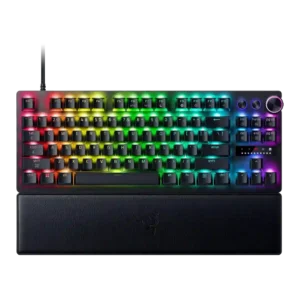
Customization options were a major strength, with reviewers praising actuation tuning, onboard controls, deep Synapse options, and flexible per-game settings.
Pros: key responsiveness, actuation consistency
Cons: switch options, hot-swappable switches
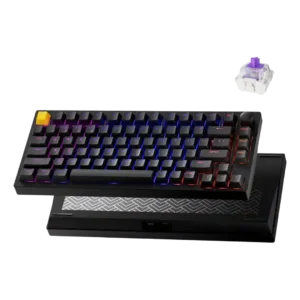
Customization options were a major strength, spanning actuation, remapping, lighting, macros, profiles, and physical modification.
Pros: frame rigidity, stabilizer quality
Cons: per-key lighting control, RGB customization
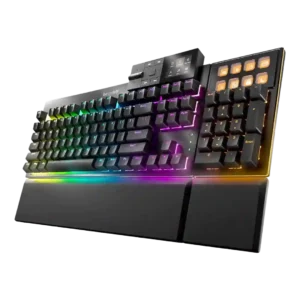
Customization options were a defining strength, with reviewers highlighting modular layouts, remapping, display keys, RGB, macros, and flexible setup choices.
Pros: key stability, per-key lighting control
Cons: analog input support, wireless performance
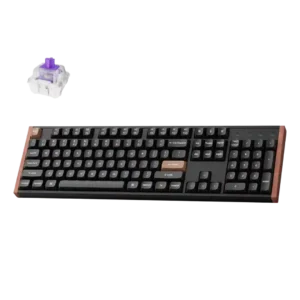
Customization was one of the strongest themes, with reviewers praising personal actuation tuning, broad control, and key behavior flexibility.
Pros: wireless performance, key responsiveness
Cons: switch options, desk space efficiency
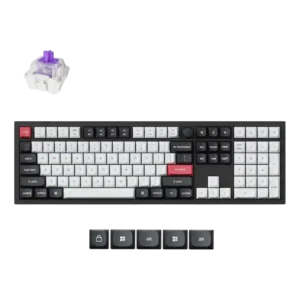
Customization was repeatedly praised across actuation settings, key mapping, macros, RGB, and per-key commands.
Pros: key stability, frame rigidity
Cons: portability, switch options
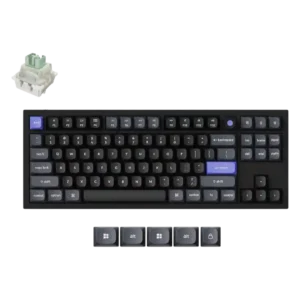
Customization was a clear strength, with both reviews emphasizing deep behavior tuning and flexible remapping.
Pros: key responsiveness, polling rate
Cons: switch options, portability
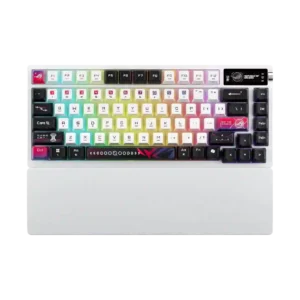
Customization options were a major strength, covering disassembly, OLED settings, RGB, macros, web tools, and component tinkering.
Pros: latency, wireless performance
Cons: rapid trigger support, analog input support
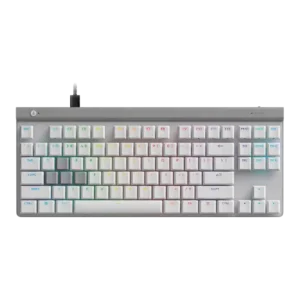
Customization was a major strength, especially per-key actuation, key remapping, RGB, macros, and deep G Hub tuning.
Pros: key responsiveness, ergonomics
Cons: wireless performance, volume control
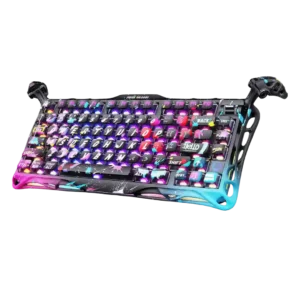
Customization was praised for Hall-effect tuning, broad feature access, and the number of available controls.
Pros: legend visibility, key responsiveness
Cons: connectivity, cable quality
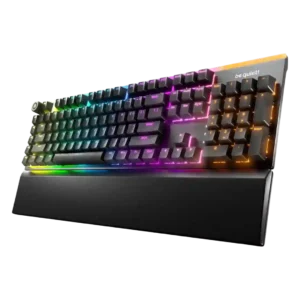
Customization is praised across lighting, remapping, macros, layers, profiles, and web/software controls.
Pros: ease of switch replacement, acoustics
Cons: rapid trigger support, analog input support
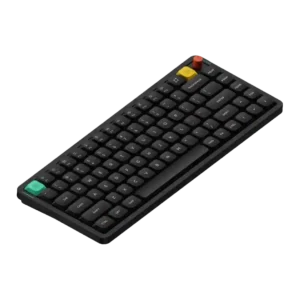
Customization options were strong across key remapping, knob actions, lighting, and software functions, despite one reviewer calling advanced options limited.
Pros: key responsiveness, typing feel
Cons: per-key lighting control, legend visibility
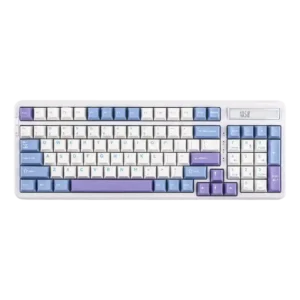
Customization options were praised across software, inputs, lighting and key changes, with reviewers calling the tools intuitive or full-featured.
Pros: ease of switch replacement, typing feel
Cons: key spacing, layout options
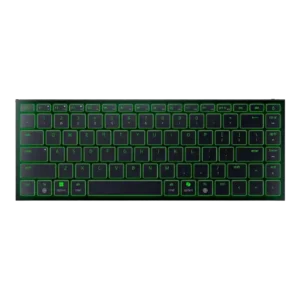
Customization was often useful through Synapse, remapping, lighting, and profiles, though some reviewers found limits around remappable keys and software dependence.
Pros: frame rigidity, size and form factor
Cons: sound dampening, per-key lighting control