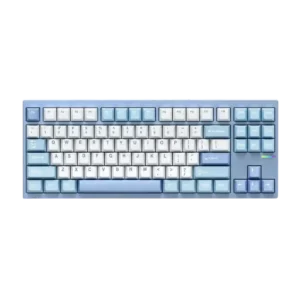
Customization options were a major strength, especially the magnetic or ball-catch quick-disassembly case, hot-swap design, and easy access for mods.
Pros: value for money, customization options
Cons: cable quality, portability
Customization options were a major strength, especially the magnetic or ball-catch quick-disassembly case, hot-swap design, and easy access for mods.
Pros: value for money, customization options
Cons: cable quality, portability
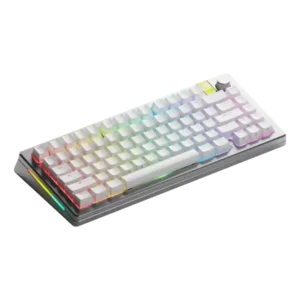
Customization options were the strongest consensus positive, with reviewers repeatedly calling the keyboard deeply, uniquely, or extremely customizable.
Pros: materials quality, customization options
Cons: reliability, actuation consistency
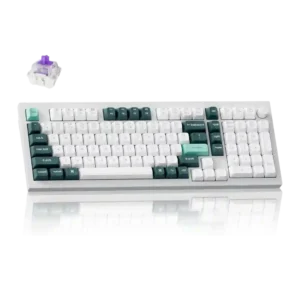
Customization options were a major strength, with reviewers praising actuation tuning, RGB control, macros, layers, and broad remapping.
Pros: cable quality, typing comfort
Cons: portability, switch options
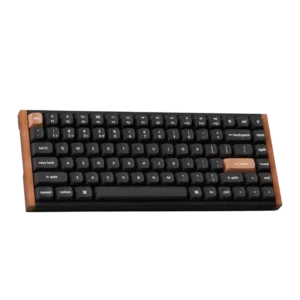
Customization was one of the strongest themes, with reviewers praising per-key actuation, remapping, lighting, macros, and Hall effect controls.
Pros: wrist rest quality, onboard memory
Cons: per-key lighting control, switch options
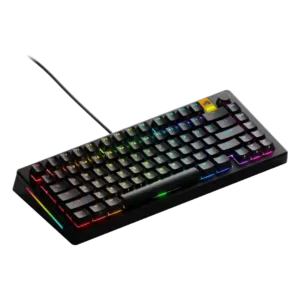
Customization was the strongest consensus attribute, with every review highlighting unusually deep physical, software, or checkout configuration options.
Pros: RGB lighting quality, layout options
Cons: frame rigidity, value for money
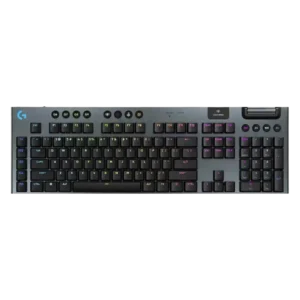
Customization options were a major strength thanks to remapping layers, G-Shift, Keycontrol, lighting controls, and broad key assignment options.
Pros: stabilizer quality, latency
Cons: ease of switch replacement, hot-swappable switches
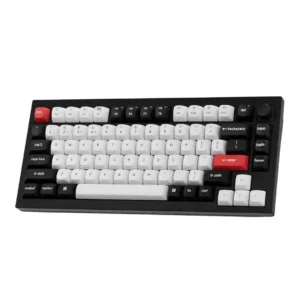
Customization is widely praised for actuation, keymaps, macros, layers, HE features, and browser-based controls, though one dissenting review argued its practical appeal is narrow.
Pros: key stability, frame rigidity
Cons: profile management, reliability
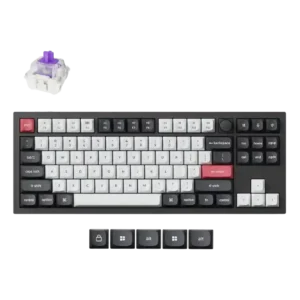
Customization options were a major strength, spanning actuation tuning, key remapping, macros, lighting, keycaps, and per-key settings.
Pros: build quality, extra gaming features
Cons: switch options, hot-swappable switches
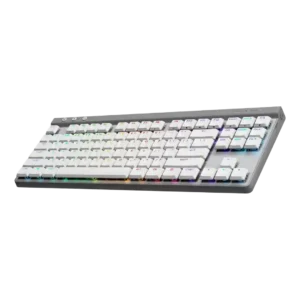
Customization was one of the strongest themes, with reviewers praising broad remapping, profiles, lighting control, and KEYCONTROL depth.
Pros: latency, wireless performance
Cons: rapid trigger support, ease of switch replacement
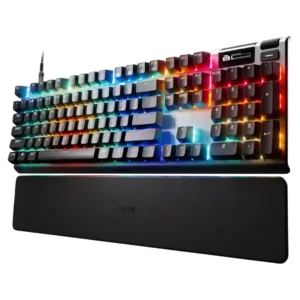
Customization was a major strength, with reviewers praising granular actuation, bindings, RGB, and profiles despite occasional complexity.
Pros: key responsiveness, durability
Cons: passthrough features, analog input support
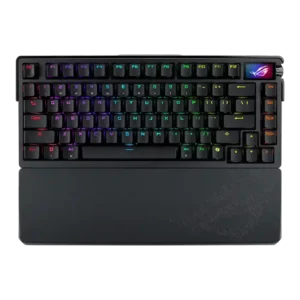
Customization options were a defining strength, led by the adjustable gasket, hot-swap design, OLED options, and broad software controls.
Pros: key spacing, reliability
Cons: rapid trigger support, analog input support
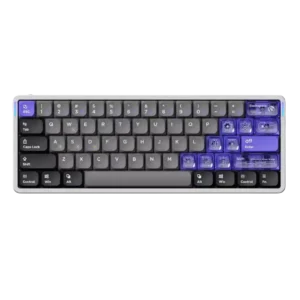
Customization options were strongly praised for remapping, actuation tuning, lighting, layers, and Hall Effect controls.
Pros: frame rigidity, rapid trigger support
Cons: switch options, legend visibility
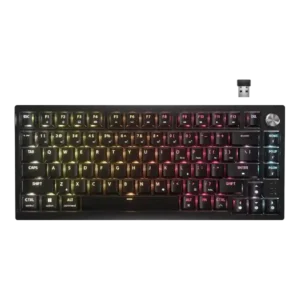
Customization was strongly praised, especially hot-swap support, onboard shortcuts, iCUE controls, remapping, lighting control, and hardware-level adjustments.
Pros: latency, durability
Cons: legend visibility, rapid trigger support
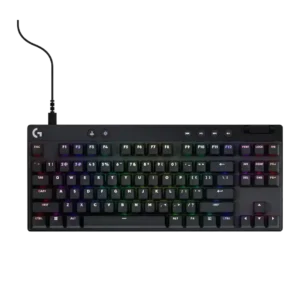
Customization is one of the line’s clearest strengths, from hot-swap layouts to Keycontrol, though cost and closed ecosystems limit it on some versions.
Pros: durability, per-key lighting control
Cons: noise level, sound dampening
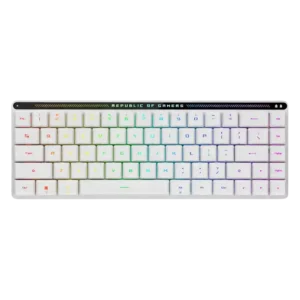
Customization is generally strong thanks to remapping, profiles, touch-panel options, and RGB controls, though software quality varies.
Pros: reliability, typing comfort
Cons: cable quality, wrist rest quality
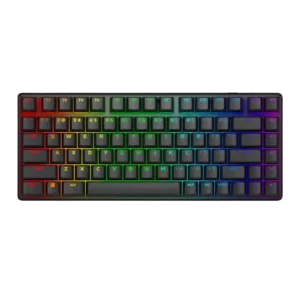
Customization options were good for switches, lighting, and key behavior, but reviewers noted the lack of Hall effect-style advanced actuation.
Pros: key stability, backlight brightness
Cons: rapid trigger support, wrist rest quality
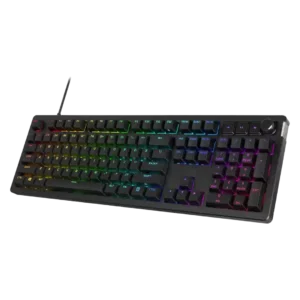
Customization options are a core strength, with broad praise for plates, badges, switches, RGB, and profiles, though some reviewers felt the ecosystem was premature or overpriced.
Pros: compatibility, legend visibility
Cons: wrist rest quality, cable quality
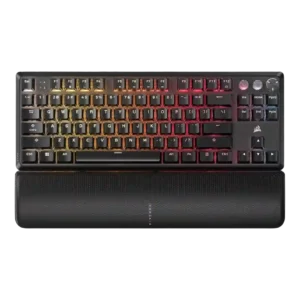
Customization options were strong overall, especially on Hall-effect TKL models and iCUE, but some reviews saw limits from mixed switch coverage or brand software.
Pros: per-key lighting control, key responsiveness
Cons: ease of switch replacement, battery life
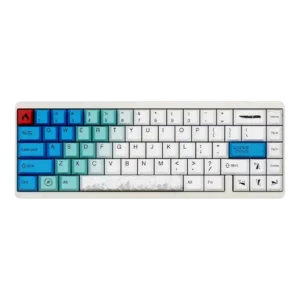
Customization options were mixed: the board offers layers and actuation control, but reviewers criticized the software workflow and sliders.
Pros: durability, key responsiveness
Cons: reliability, RGB customization