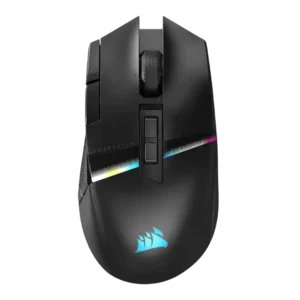
Onboard memory earns praise because configured profiles and lighting can run without keeping iCUE open.
Pros: long-session comfort, sensor performance
Cons: handedness options, software stability
Onboard memory earns praise because configured profiles and lighting can run without keeping iCUE open.
Pros: long-session comfort, sensor performance
Cons: handedness options, software stability
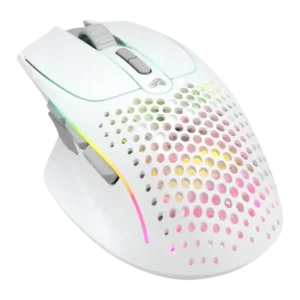
Onboard memory was praised for helping the mouse move between devices.
Pros: skate durability, cross-platform compatibility
Cons: handedness options, click noise
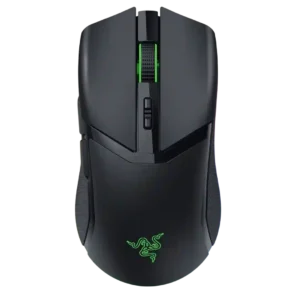
Onboard memory was praised for storing profiles and reducing dependence on software once settings were configured.
Pros: motion consistency, sensor performance
Cons: software stability, MMO gaming suitability
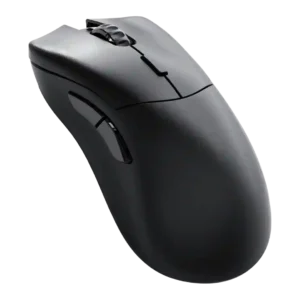
Onboard memory was praised because settings and multiple profiles could be stored without relying on software every time.
Pros: click latency, switch durability
Cons: Bluetooth support, handedness options
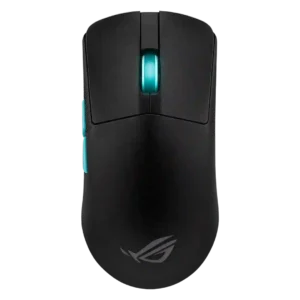
Onboard memory was useful for profile storage and for reducing dependence on software after setup.
Pros: button responsiveness, cable flexibility
Cons: firmware reliability, MMO gaming suitability
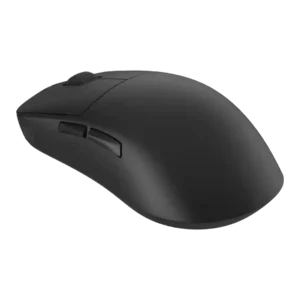
Onboard memory has limited positive evidence because a reviewer liked that switch-related settings could be saved directly on the mouse.
Pros: durability over time, sensor performance
Cons: MMO gaming suitability, surface compatibility
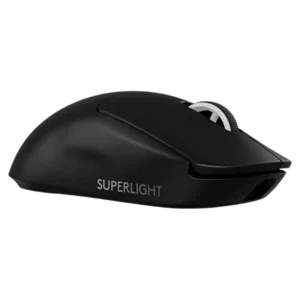
Onboard memory was supported by the ability to save multiple profiles, though evidence was more about usefulness than enthusiasm.
Pros: macro support, fingertip grip comfort
Cons: weight tuning, cable flexibility
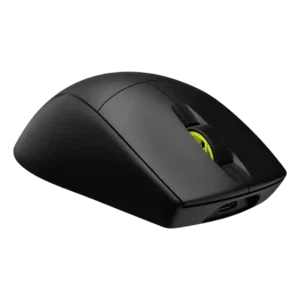
Onboard memory is useful but limited, with reviewers liking saved hardware settings while noting only one profile in one review.
Pros: click latency, fingertip grip comfort
Cons: firmware reliability, skate durability
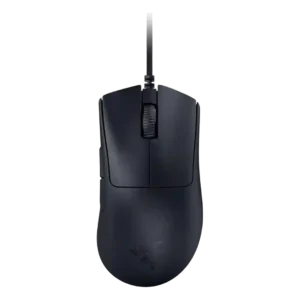
Onboard memory was mixed because profiles exist, but one reviewer criticized internal memory limitations for button assignments.
Pros: Accuracy and tracking precision, sensor performance
Cons: handedness options, tilt gesture controls
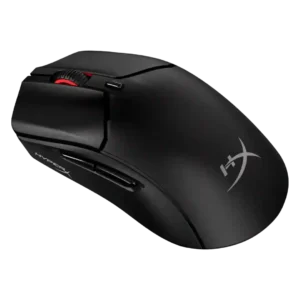
Onboard memory was a weakness, with reviewers disappointed by the lack of multiple onboard profiles even when app-based presets partly softened the issue.
Pros: long-session comfort, balance and weight distribution
Cons: software stability, firmware reliability
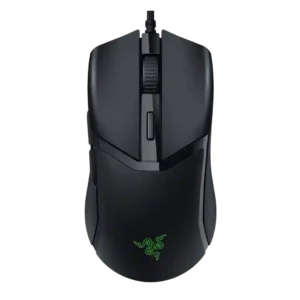
Onboard memory was a clear limitation, with reviews noting only one profile or no saved settings across computers.
Pros: Accuracy and tracking precision, motion consistency
Cons: click noise, onboard memory
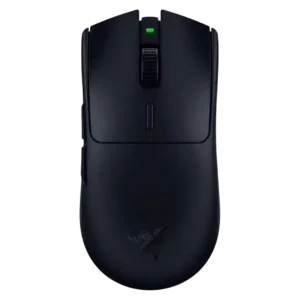
Onboard memory was a recurring limitation because reviewers noted it stores only one profile or one preset slot.
Pros: motion consistency, wireless latency
Cons: handedness options, onboard memory