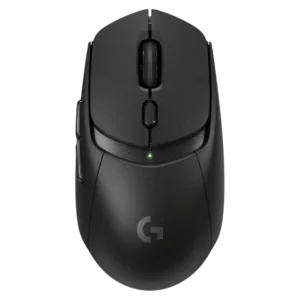
Onboard memory was praised by one reviewer for saving sensitivity profiles to the mouse and using them on a computer without G Hub.
Pros: click latency, onboard memory
Cons: lift-off distance, debounce customization
Onboard memory was praised by one reviewer for saving sensitivity profiles to the mouse and using them on a computer without G Hub.
Pros: click latency, onboard memory
Cons: lift-off distance, debounce customization
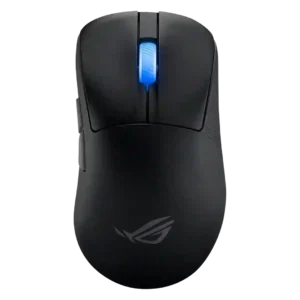
Onboard control and memory features were praised when reviewers could change settings or avoid software.
Pros: connection stability, weight
Cons: handedness options, software usability
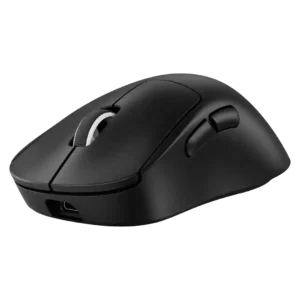
Onboard memory was valued for saving profiles and reducing dependence on G Hub, with reviewers noting multiple memory slots or dongle/profile convenience.
Pros: motion consistency, acceleration control
Cons: cable flexibility, cross-platform compatibility
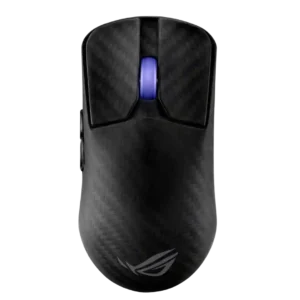
Onboard memory was appreciated because settings could be saved and the software avoided after setup.
Pros: Accuracy and tracking precision, sensor performance
Cons: software stability, value for money
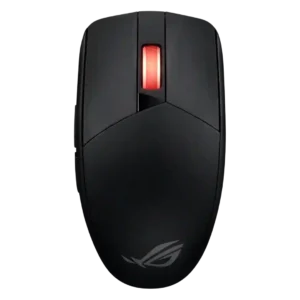
Onboard memory is treated positively because reviewers connect it with saved presets, calibration, profile storage, and portability across devices.
Pros: motion consistency, Accuracy and tracking precision
Cons: cable flexibility, palm grip comfort
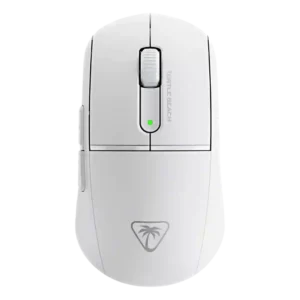
Onboard memory was viewed positively because stored profiles supported extra use cases and game/task-specific setups.
Pros: weight, balance and weight distribution
Cons: water and dust resistance, RGB features
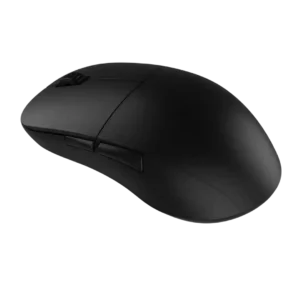
Onboard memory was praised because saved profiles let the mouse run well without keeping software installed.
Pros: drag click support, claw grip comfort
Cons: handedness options, Bluetooth support
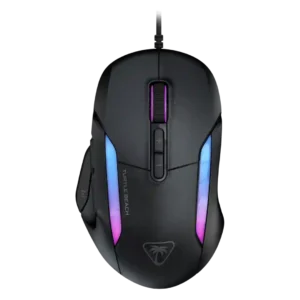
Onboard profile handling was described as straightforward in the software, supporting a positive score for onboard memory/profile use.
Pros: click latency, motion consistency
Cons: handedness options, portability
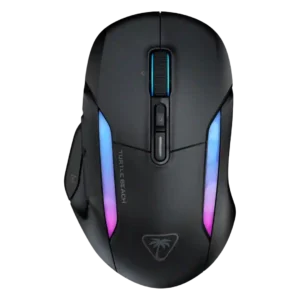
Onboard memory was praised in one review for saving settings directly to the mouse for use on other computers.
Pros: left and right click quality, software stability
Cons: polling rate, cross-platform compatibility
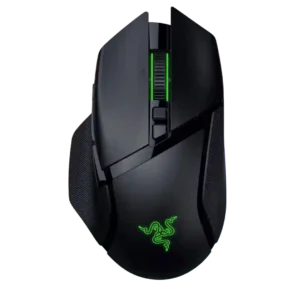
Onboard memory was useful for profile storage and for reducing dependence on Synapse after setup.
Pros: lift-off distance, motion consistency
Cons: cross-platform compatibility, handedness options
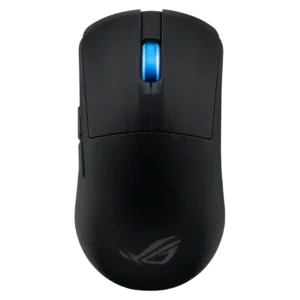
Onboard memory had limited positive evidence, with one reviewer praising memory profiles for use on the go.
Pros: cable flexibility, weight
Cons: software stability, handedness options
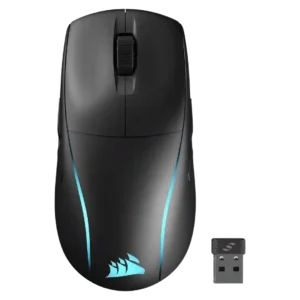
Onboard memory was appreciated because settings could be saved and iCUE avoided after setup, though only one profile was noted.
Pros: handedness options, Accuracy and tracking precision
Cons: tilt gesture controls, software stability
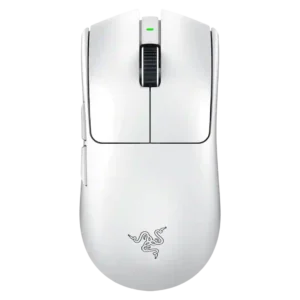
Onboard memory was valued for carrying settings between PCs, but the single-profile limitation drew criticism.
Pros: click latency, balance and weight distribution
Cons: 2.4GHz connectivity, software stability
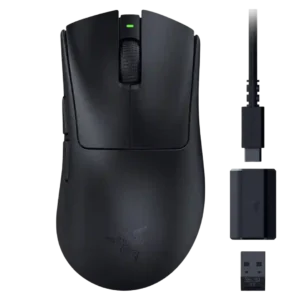
Onboard memory was mixed: saving settings was useful, but the single onboard profile limited travel or multi-game convenience.
Pros: click latency, motion consistency
Cons: handedness options, Bluetooth support