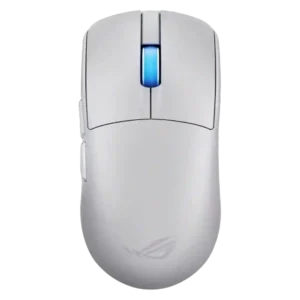
Software usability was a major win, with Gear Link described as clear, responsive, resource-saving, handy, full-featured, and better than Armoury Crate.
Pros: acceleration control, wireless latency
Cons: onboard memory, MMO gaming suitability
Software usability was a major win, with Gear Link described as clear, responsive, resource-saving, handy, full-featured, and better than Armoury Crate.
Pros: acceleration control, wireless latency
Cons: onboard memory, MMO gaming suitability
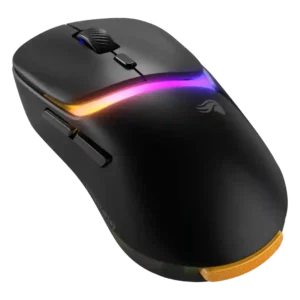
Software usability was broadly praised for being clean, intuitive, simple, and informative, with one battery-percentage criticism.
Pros: glide smoothness, sensor performance
Cons: grip texture, firmware reliability
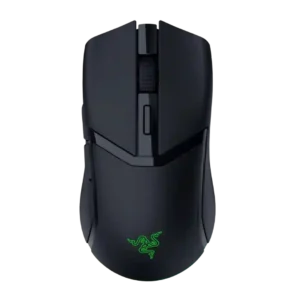
Software usability was broadly positive thanks to clear controls and deep settings, though Synapse could be finicky.
Pros: 2.4GHz connectivity, surface compatibility
Cons: click noise, software stability
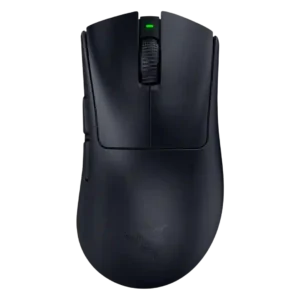
Software usability was mixed-to-positive: Synapse offers deep control and helpful explanations, but bloat, external tools, and confusing descriptions hurt it.
Pros: Accuracy and tracking precision, sensor performance
Cons: onboard memory, handedness options
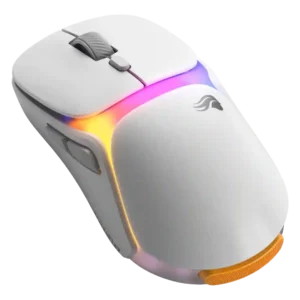
Software usability was mostly positive after updates, with repeated praise for intuitive controls, though one reviewer found it rougher than rivals.
Pros: battery life, programmable buttons
Cons: software stability, firmware reliability
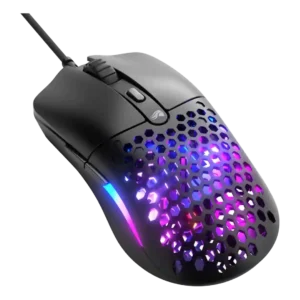
Software usability was generally positive for being simple, tidy, and functional, even if not loaded with advanced controls.
Pros: value for money, click latency
Cons: water and dust resistance, cable flexibility
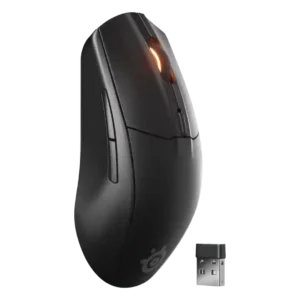
SteelSeries GG was often considered useful and straightforward for mouse settings, though some reviewers found it cluttered, dated, or less intuitive than rivals.
Pros: build quality, ergonomic design
Cons: handedness options, RGB features
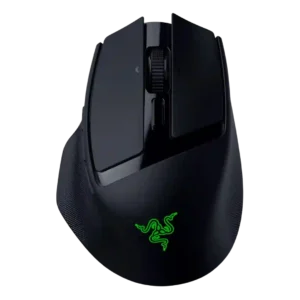
Software usability was mostly positive and intuitive, though reviewers noted basic support or extra configuration for deeper performance tuning.
Pros: ecosystem integration, sensor performance
Cons: AI Prompt Master, durability over time
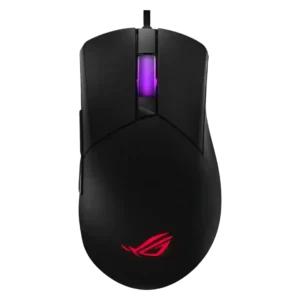
Software usability was mostly positive for helpful diagrams and Gear Link convenience, but some reviewers found Armoury Crate less slick or mixed.
Pros: onboard memory, software stability
Cons: handedness options
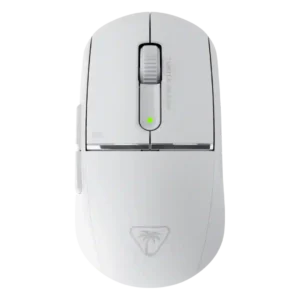
Software usability was mostly positive for clear controls and depth, but duplicate reviews found one update/setup flow confusing.
Pros: wireless latency, surface compatibility
Cons: RGB features, firmware reliability
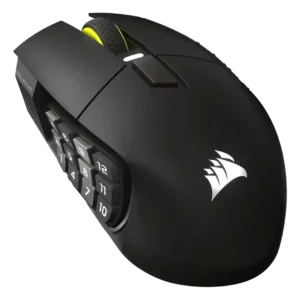
Software usability was mixed, with reviewers praising Stream Deck or productivity setup while criticizing iCUE clarity and intuitiveness.
Pros: click latency, macro support
Cons: firmware reliability, tilt gesture controls
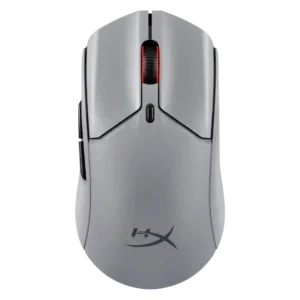
Software usability was mixed: NGENUITY was easy and versatile for basics, but reviewers wanted more shortcuts, layers, and advanced depth.
Pros: motion consistency, wireless latency
Cons: palm grip comfort, software stability
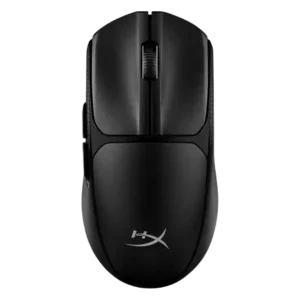
Software usability was mixed: positive reviews found it straightforward or beginner-friendly, while a negative review said the limited options were barely worth downloading.
Pros: wireless latency, Accuracy and tracking precision
Cons: side button quality, materials quality
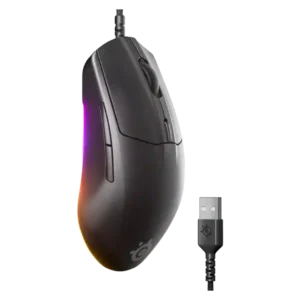
Software usability was mixed: GG was praised by some, but other reviewers found it cluttered or unintuitive.
Pros: connection stability, left and right click quality
Cons: palm grip comfort, profile switching
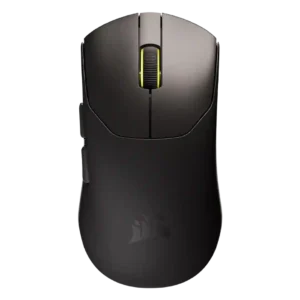
Software usability was highly mixed: reviewers liked the clean lightweight web hub, but disliked online dependence, sparse options, iCUE friction, and limited tuning.
Pros: connection stability, weight
Cons: click latency, cable flexibility