Best for AC outlet count
EcoFlow Delta 3 Plus Review
5.0 feature score
Highest scored product for this feature based on supporting review evidence.
Highest scored product for this feature based on supporting review evidence.
Balances feature score, supporting reviews, and overall product strength.
Has the broadest review evidence for this feature.
Strongest overall product among items with scored evidence for this feature.
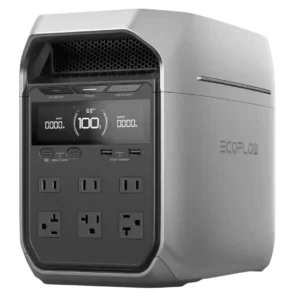
Six AC outlets are unusually generous for this size and let users connect several household devices at once.
Pros: rated output, peak output
Cons: 30-amp output, parallel operation support
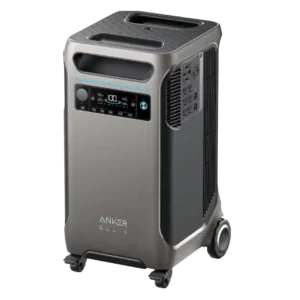
The six household AC outlets are considered generous, especially alongside the two heavy-duty 240V connections.
Pros: rated output, output stability
Cons: car charging speed, USB-A ports
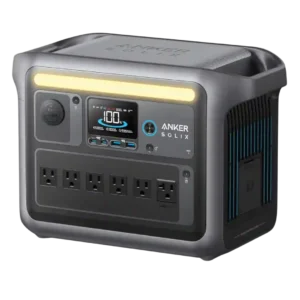
The front AC outlets are generous for a station this size and are spaced well enough for bulky plugs. Reviewers appreciated being able to connect several household devices.
Pros: power output, rated output
Cons: dual-input charging, cable storage
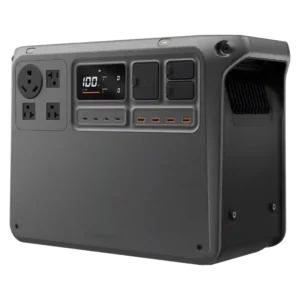
Four AC outlets provide more plug capacity than several comparable stations and were viewed as a practical advantage.
Pros: rated output, peak output
Cons: startup reliability, full-load noise
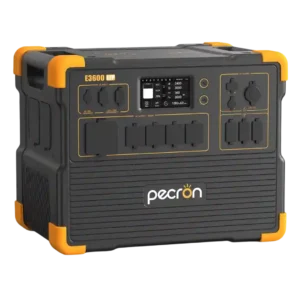
Four household AC receptacles give the station enough plug capacity for multi-device backup setups.
Pros: power output, rated output
Cons: output stability, voltage regulation
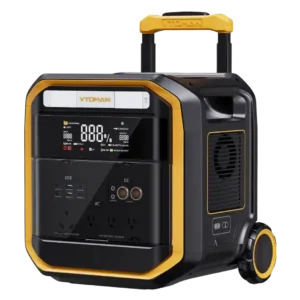
Four AC receptacles were repeatedly called generous, making it easier to run several household appliances without an external power strip.
Pros: power output, surge capacity
Cons: specification accuracy, peak output
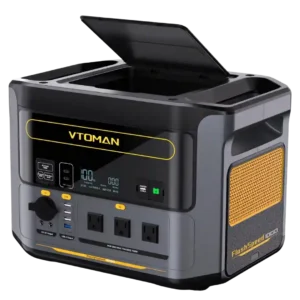
Three grounded AC outlets give the station more plug-in flexibility than many similarly sized models.
Pros: inverter quality, power quality
Cons: Wi-Fi connectivity, weather resistance
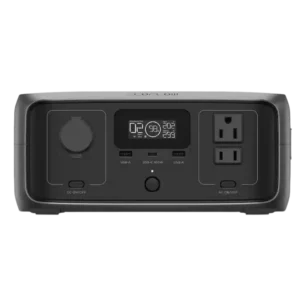
Two AC outlets are useful for the unit’s size, although bulky plugs may block the neighboring socket.
Pros: noise level, idle noise
Cons: self-discharge rate, air travel suitability
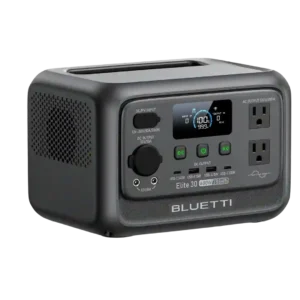
The 230V version has only one AC socket, while the US model has two. The single-outlet layout is considered workable with an extension lead, but it is less flexible than...
Pros: rated output, output stability
Cons: over-voltage protection, cold-weather performance
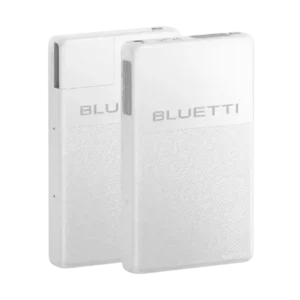
Two AC outlets are enough for a refrigerator plus one additional critical load. The limited count reinforces the product’s focused purpose.
Pros: power output, rated output
Cons: USB-A ports, 12-volt outlet
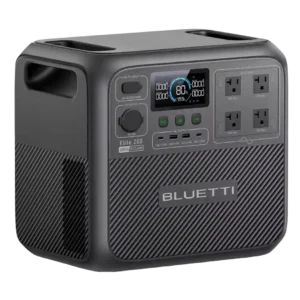
Four AC sockets satisfy most US users, but UK reviewers found two restrictive and some buyers still wanted more outlets.
Pros: output stability, pure sine wave output
Cons: specification accuracy, startup reliability
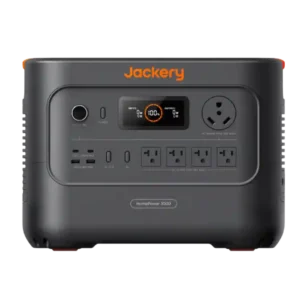
Three UK AC outlets are adequate for many uses, yet several accounts wished for the four outlets common on competing models.
Pros: power output, rated output
Cons: battery expandability, car charging speed
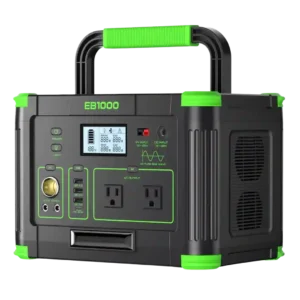
Two AC outlets are enough for basic use but can feel restrictive in an RV or multi-appliance setup where a third socket would be useful.
Pros: rated output, output stability
Cons: battery expandability, startup reliability
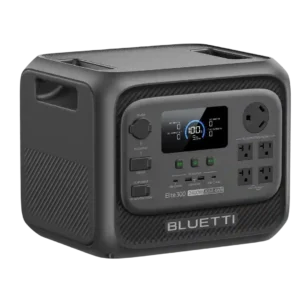
Outlet count depends on region, and the two-socket European configuration drew repeated criticism. The four- or five-outlet versions are more flexible, but total inverter output still limits combined loads.
Pros: surge capacity, voltage regulation
Cons: water resistance, ventilation requirements
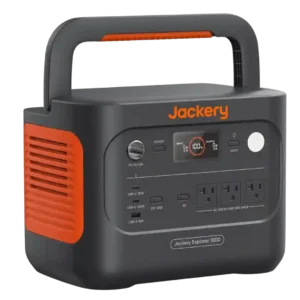
One comparison-focused review found the limited number of AC sockets disappointing beside rivals that provide more plug space.
Pros: rated output, peak output
Cons: standby power loss, specification accuracy
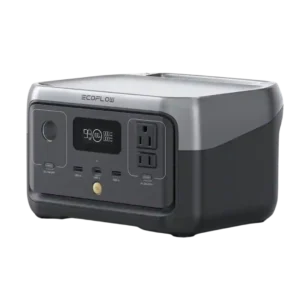
One or two regional AC sockets are not enough for every setup, and bulky plugs can effectively reduce the usable count.
Pros: surge capacity, output stability
Cons: dual-input charging, whole-home integration
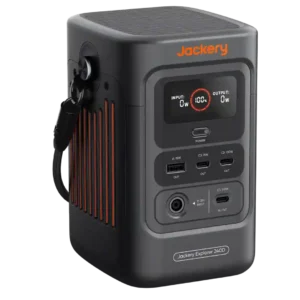
The defining limitation is the complete absence of an AC outlet on the 240D. Anything with a standard wall plug requires a different power station.
Pros: power output, rated output
Cons: AC outlet count, repairability