Best for whole-home integration
AFERIY P280
5.0 feature score
Highest scored product for this feature based on supporting review evidence.
Highest scored product for this feature based on supporting review evidence.
Balances feature score, supporting reviews, and overall product strength.
Has the broadest review evidence for this feature.
Strongest overall product among items with scored evidence for this feature.
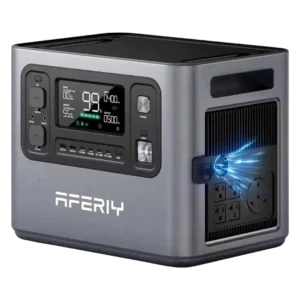
The 30A RV connection let one owner power an entire trailer directly, demonstrating simple integration for mobile-home electrical use.
Pros: rated output, peak output
Cons: app connectivity, voltage regulation
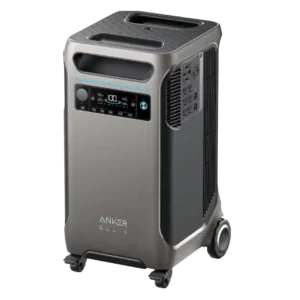
Transfer switches and the Smart Home Power Panel turn the F3800 into a polished household backup system with circuit prioritization, automation, solar integration, and room to expand.
Pros: rated output, output stability
Cons: car charging speed, USB-A ports
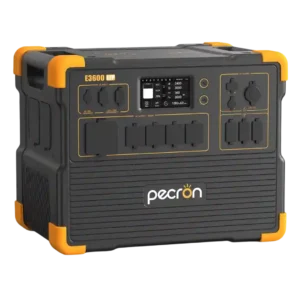
With two units and the voltage hub, the system can feed a breaker panel and run major 240-volt household loads.
Pros: power output, rated output
Cons: output stability, voltage regulation
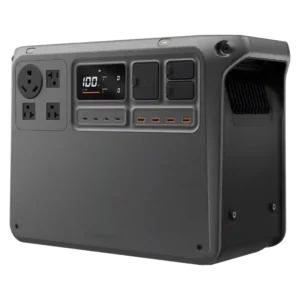
It can support selected household circuits through a transfer switch, though its 120V-only output and base capacity limit true whole-home coverage.
Pros: rated output, peak output
Cons: startup reliability, full-load noise
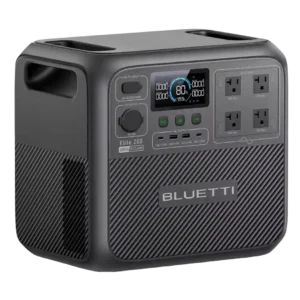
It can support selected household circuits and essential loads, but lacks the output and expansion needed for true whole-home backup.
Pros: output stability, pure sine wave output
Cons: specification accuracy, startup reliability
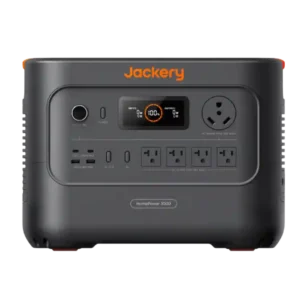
Transfer-switch compatibility expands home use, yet the lack of 240V output and battery expansion keeps it from being a complete whole-home solution.
Pros: power output, rated output
Cons: battery expandability, car charging speed
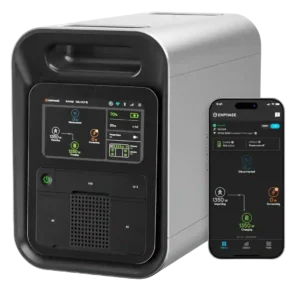
The Enphase branding can be misleading: it fits naturally into the company’s app ecosystem but does not directly connect to rooftop solar or replace a true whole-home battery.
Pros: rated output, output stability
Cons: runtime at full load, RV outlet
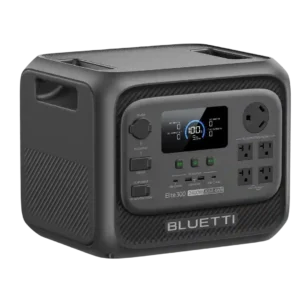
The Elite 300 is best for selected circuits and appliances, not days of whole-home power. Buyers needing scalable household backup should look at a modular system.
Pros: surge capacity, voltage regulation
Cons: water resistance, ventilation requirements
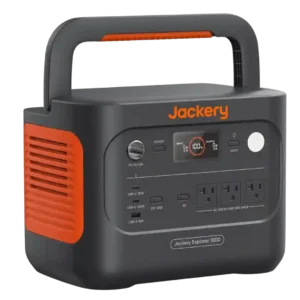
This is an essentials battery rather than a whole-home system; central HVAC, electric heat, pumps, and multiple major appliances exceed its role.
Pros: rated output, peak output
Cons: standby power loss, specification accuracy
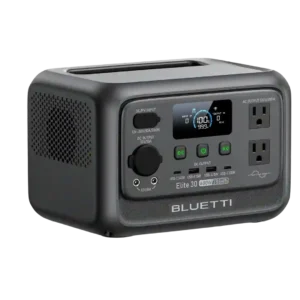
This is not designed for whole-home backup or transfer-switch duty. It is best treated as a localized source for a few critical devices.
Pros: rated output, output stability
Cons: over-voltage protection, cold-weather performance

FridgePower is not designed to run HVAC, hardwired circuits, or an entire house. Buyers needing broad backup should look to a generator or installed battery system.
Pros: power output, rated output
Cons: USB-A ports, 12-volt outlet
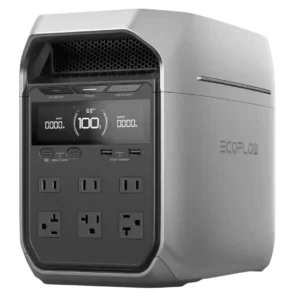
This is a device-level 120V backup station, not a native whole-home 240V solution.
Pros: rated output, peak output
Cons: 30-amp output, parallel operation support
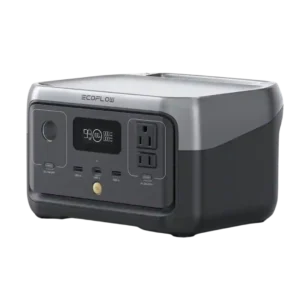
The River 2 is not intended for a household distribution board or whole-home backup; it is limited to individual low-power essentials.
Pros: surge capacity, output stability
Cons: dual-input charging, whole-home integration