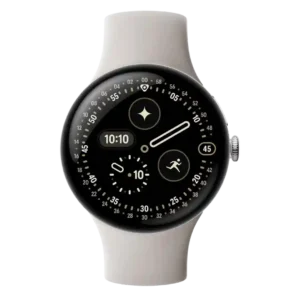
Step counting accuracy had limited but strong evidence from one manual-count test.
Pros: step counting accuracy, charging speed
Cons: stress tracking, band quality
Step counting accuracy had limited but strong evidence from one manual-count test.
Pros: step counting accuracy, charging speed
Cons: stress tracking, band quality

Step counting was praised in one detailed comparison as very close to manual counts.
Pros: blood oxygen tracking, step counting accuracy
Cons: LTE connectivity, calorie tracking usefulness
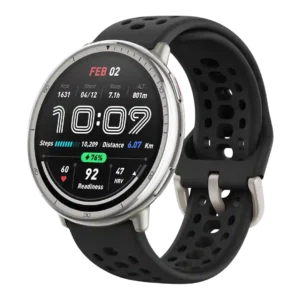
Step counting was one of the stronger basic metrics, with reviewers reporting close comparisons or very accurate results.
Pros: pairing reliability, value for money
Cons: stress tracking, onboard music storage
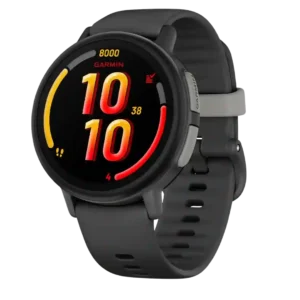
Step counts are generally useful and can record individual steps more precisely than some alternatives. One owner still relied on steps only because pairing failures disabled the connected features.
Pros: Wi-Fi connectivity, cross-platform compatibility
Cons: charging convenience, third-party app support
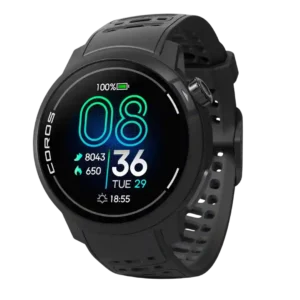
Step counts were reported as aligning well with Garmin and Apple watches in testing.
Pros: comfort, value for money
Cons: third-party app support, contactless payments
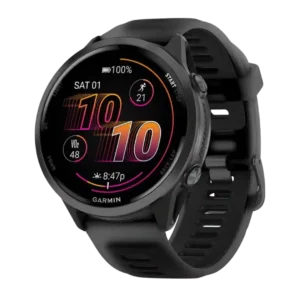
Step counting accuracy had limited positive evidence, with one controlled walk test missing by only about 40 steps.
Pros: charging speed, GPS accuracy
Cons: ECG functionality, smartphone notifications
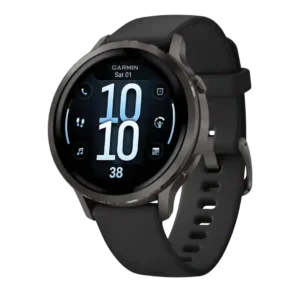
Step counting performed well in explicit testing and event use, with exact or sound counts reported despite separate distance-tracking hiccups.
Pros: activity auto-detection, style and design
Cons: LTE connectivity, charging convenience
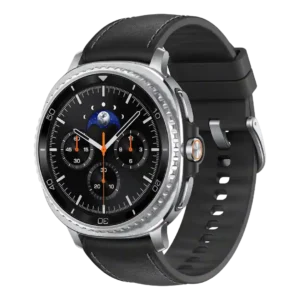
Step counting was considered good overall, with manual checks lining up and only small offsets in one comparison.
Pros: third-party app support, heart rate accuracy
Cons: music controls, cross-platform compatibility
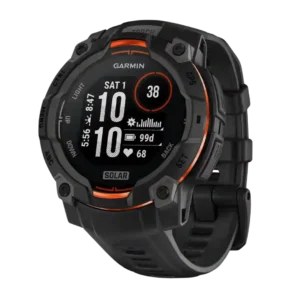
Step counting accuracy has limited support from a broader wellness-metrics judgment that steps remain reliable and accessible.
Pros: customization options, charging speed
Cons: onboard music storage, voice assistant quality
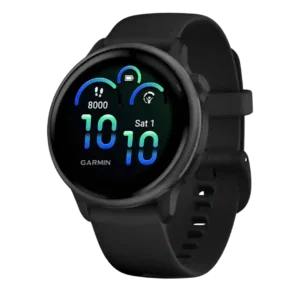
Step counting is generally reliable against other trackers, though one reviewer saw an inconsistent first test before better later results.
Pros: software smoothness, comfort
Cons: LTE connectivity, voice assistant quality
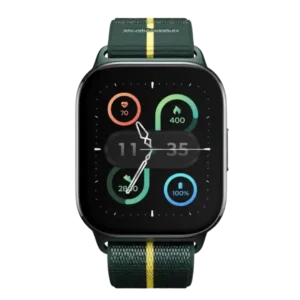
Step tracking was included in the basic metrics that seemed to work well, with one review saying workouts were logged accurately overall.
Pros: software smoothness, menu navigation
Cons: contactless payments, stress tracking
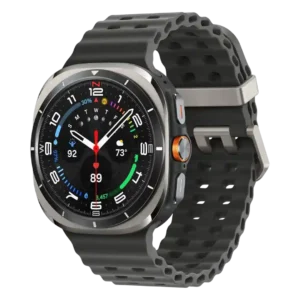
Step counting is strong during normal arm-swinging walks, with a caveat that carts or strollers reduce accuracy.
Pros: LTE connectivity, pairing reliability
Cons: antioxidant index, blood oxygen tracking
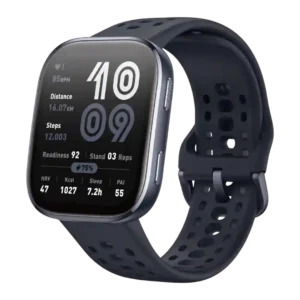
Step counting was mostly acceptable against other trackers, but Wareable saw day-to-day variation.
Pros: value for money, battery life
Cons: contactless payments, stress tracking
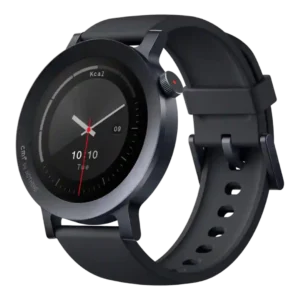
Step counting had limited but mixed evidence, with one reviewer reporting a wide variance and another finding it close enough against a Garmin comparison.
Pros: workout tracking variety, user interface
Cons: Wi-Fi connectivity, onboard music storage
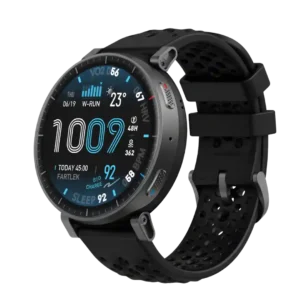
Step counting had limited evidence and was described as slightly imprecise in one detailed review.
Pros: workout tracking variety, outdoor visibility
Cons: calorie tracking usefulness, safety features
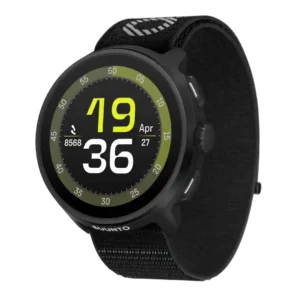
Step counting accuracy was inconsistent: several reviewers found counts low, while one reviewer found steps nearly perfect in their use.
Pros: comfort, value for money
Cons: contactless payments, Wi-Fi connectivity
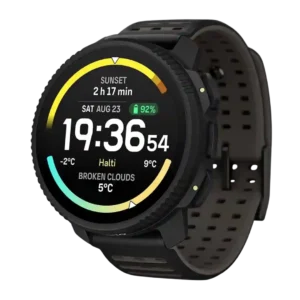
Step counting had a minor accuracy concern, with one reviewer saying the watch frequently overcounted steps.
Pros: operating system experience, materials quality
Cons: contactless payments, onboard music storage
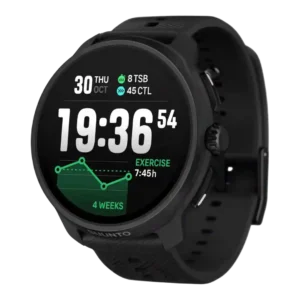
Step counting was a recurring weak spot in the evidence, with reviewers saying the Race 2 miscalculated steps or produced very low counts.
Pros: operating system experience, brightness
Cons: safety features, health tracking accuracy