
One full reviewer reported no bugs at all, making basic stability a bright spot in that tested version.
Pros: bug frequency, movement feel
Cons: enemy variety, AI behavior
One full reviewer reported no bugs at all, making basic stability a bright spot in that tested version.
Pros: bug frequency, movement feel
Cons: enemy variety, AI behavior
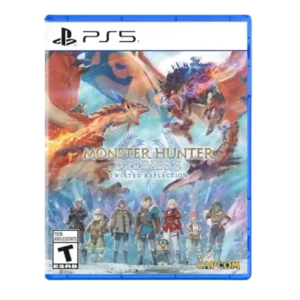
Bug frequency was praised by one reviewer who noticed no meaningful glitches or technical problems.
Pros: art direction, environmental detail
Cons: multiplayer design, accessibility options
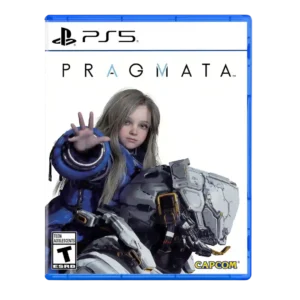
Bug frequency evidence is positive where mentioned, with one reviewer saying they encountered no glitches during play.
Pros: bug frequency, user interface design
Cons: HUD clarity, mission design
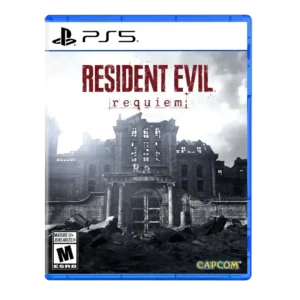
Bug frequency was praised by one reviewer who reported no bugs or wall clips.
Pros: driving mechanics, protagonist appeal
Cons: platform-specific feature support, checkpoint system

Bug frequency appears low in preview evidence, with only minor lighting glitches noted.
Pros: open-world design, replay value
Cons: dialogue quality, writing quality

PC, PlayStation, and handheld-PC experiences were often clean, but isolated achievement glitches, stuck enemies, and launch bugs appeared. Some reported problems were patched quickly.
Pros: lore depth, user interface design
Cons: AI behavior, aiming precision
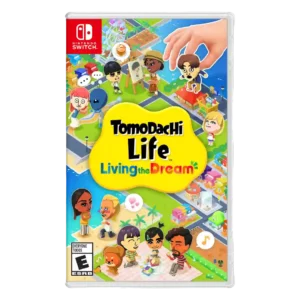
One reviewer reported no major technical issues during Switch 2 play.
Pros: grind level, originality
Cons: social features, accessibility options

Bug frequency appears low in limited evidence, with one review noting only an odd minor bug or two.
Pros: onboarding experience, environmental detail
Cons: family friendliness, movement feel

Bug frequency is a mild concern rather than a major flaw; one hands-on reviewer noticed minor demo bugs that seemed fixable.
Pros: pacing, core gameplay loop
Cons: companion AI, map and navigation design
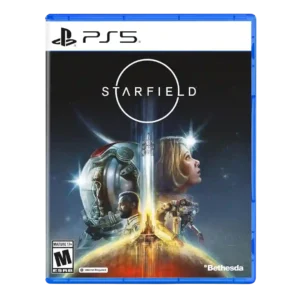
Bug frequency varies widely by version and platform, from almost no issues to repeated freezes, broken interactions, and crash-adjacent problems.
Pros: puzzle design, sound design
Cons: accessibility options, AI behavior

Bug frequency varied widely, from no bugs encountered to freezes and repeated softlocks on some platforms.
Pros: facial animations, polish
Cons: grind level, stealth mechanics
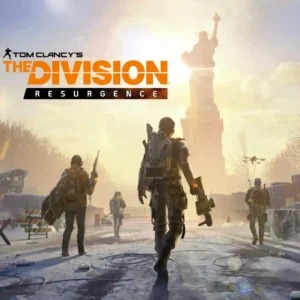
One controller sensitivity bug appeared suddenly, though reconnecting the controller fixed it.
Pros: exploration quality, sandbox freedom
Cons: mission variety, companion AI

Bugs were a recurring concern, ranging from minor issues to progress-blocking or stability problems, though one review noted final-build fixes.
Pros: world-building, world interactivity
Cons: enemy variety, stealth mechanics
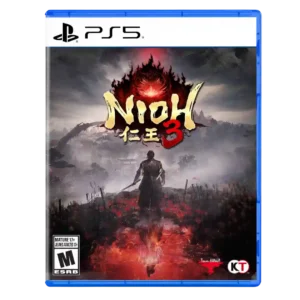
Bug frequency was a concern in several reviews, including disappearing health bars, glitches, and enemies behaving incorrectly.
Pros: pacing, visual effects quality
Cons: tutorial quality, character roster

Launch-era glitches show up in several accounts, ranging from a fair share of quirks to bugs that noticeably hurt moments, while other reports describe the odd issue as minor.
Pros: gameplay mechanics, boss design
Cons: age appropriateness, family friendliness

Bug frequency was the most repeated technical concern, with many reviews reporting glitches, soft-locks, quest-breaking issues, or visual jank; a few encountered only minor problems.
Pros: accessibility options, protagonist appeal
Cons: frame rate stability, polish

Bugs range from minor dialogue and interaction oddities to inventory problems and stuck traversal. Some reviewers shrugged them off, while others found the launch build noticeably rough.
Pros: level design, world interactivity
Cons: performance optimization, menu usability
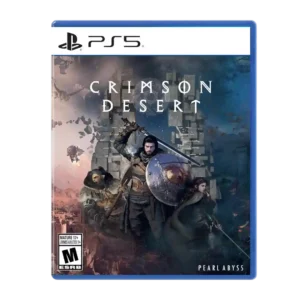
Reviewer evidence is negative or mixed: bug frequency was often criticized, even where some reviewers found redeeming moments across 6 review(s).
Pros: level design, replay value
Cons: stealth mechanics, save system reliability

Technical experiences vary, but pop-in, blown-out lighting, face-rig glitches, clipping, and occasional restart-worthy problems recur too often to ignore.
Pros: level design, accessibility options
Cons: world-building, haptic feedback integration
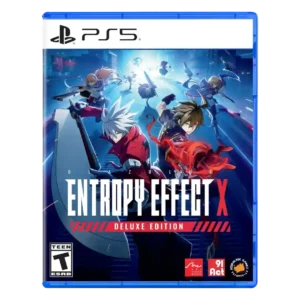
Bug reports are a recurring concern, from Switch technical issues to overlapping UI and longer-lasting bugs that can disrupt progress.
Pros: movement feel, skill tree depth
Cons: menu usability, HUD clarity

Glitches are a recurring concern, including clipping, invisible barriers, missed prompts, stuck animations, and inconsistent late-game behavior.
Pros: HUD clarity, onboarding experience
Cons: user interface design, menu usability
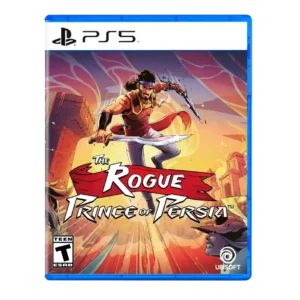
Bug frequency hurt early-access impressions, especially around forge/unlock glitches.
Pros: crash stability, HUD clarity
Cons: character development, visual effects quality

Bug frequency was a concern in beta, with a reviewer citing a ranked-points glitch that affected results.
Pros: immersion, frame rate stability
Cons: user interface design, bug frequency
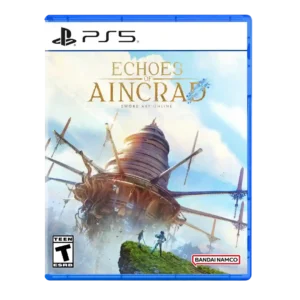
Bug frequency was a concern in the final-build preview, with three bugs observed in three hours.
Pros: environmental detail, art direction
Cons: world interactivity, loot system

Bugs are common across the reviewed builds, ranging from broken interaction prompts and clipping to stuck characters, missing assets, glitched bosses, and other issues that sometimes force a restart.
Pros: visual effects quality, horror tension
Cons: aiming precision, stealth mechanics
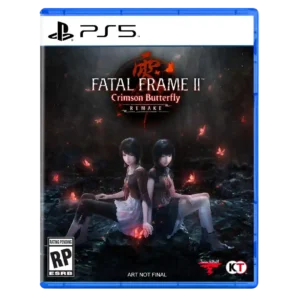
A customer reports the game feeling both clunky and buggy, pointing to rough technical edges.
Pros: writing quality, checkpoint system
Cons: bug frequency, HUD clarity