Best for world interactivity
Donkey Kong Bananza
5.0 feature score
Highest scored product for this feature based on supporting review evidence.
Highest scored product for this feature based on supporting review evidence.
Balances feature score, supporting reviews, and overall product strength.
Has the broadest review evidence for this feature.
Strongest overall product among items with scored evidence for this feature.

World interactivity was the clearest consensus highlight, with reviewers repeatedly praising the destructible terrain and freedom to reshape spaces.
Pros: gameplay mechanics, world interactivity
Cons: economy and resource balance, enemy variety

Reviewers strongly praised world interactivity, especially the many ways to toy with guards, use equipment, and exploit environmental systems.
Pros: world interactivity, sandbox freedom
Cons: crash stability, learning curve
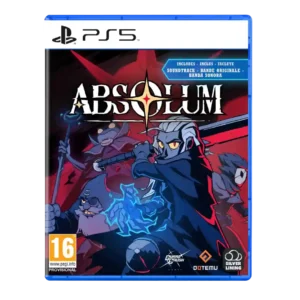
World interactivity stood out when player actions produced new dialogue, events, enemies, and persistent changes.
Pros: mission design, world interactivity
Cons: quest design, endgame content

World interactivity has limited but strong support from one review that praises evolving locations, reactive hubs, and organic backtracking.
Pros: core gameplay loop, world interactivity
Cons: loot system, accessibility options
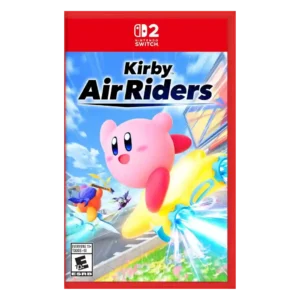
One reviewer praised the City Trial map for shifting between runs and supporting surprising discoveries.
Pros: flying mechanics, exploration quality
Cons: AI behavior, boss design
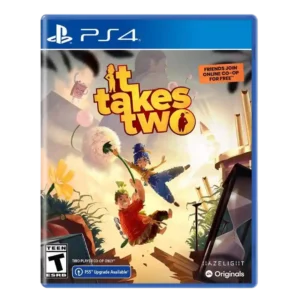
Interactive spaces are a major strength, with reviewers praising playful objects, rewarded curiosity, and dense environmental interactions.
Pros: core gameplay loop, movement feel
Cons: character development, dialogue quality
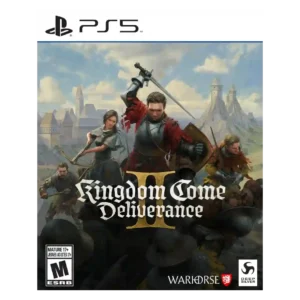
Reviewers consistently praised the reactive crime, reputation, NPC, and quest systems that made the world feel alive and responsive.
Pros: soundtrack quality, fun factor
Cons: checkpoint system, family friendliness
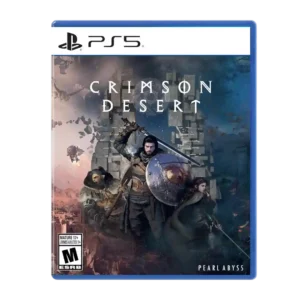
Reviewer evidence is strongly positive: world interactivity was repeatedly praised as a standout strength across 5 review(s).
Pros: level design, replay value
Cons: stealth mechanics, save system reliability

One review highlights extra hub and relationship activities, from gardening to familiars and sparring, as meaningful world interaction.
Pros: skill tree depth, dialogue quality
Cons: emotional impact, economy and resource balance

Environmental destruction and interactivity were praised as exciting, destructive, and visually impressive.
Pros: environmental detail, graphics quality
Cons: gameplay mechanics, emotional impact

Reviewers praised the consequence-driven world, noting meaningful choices, character-altering outcomes, and impactful interactions with people and systems.
Pros: accessibility options, protagonist appeal
Cons: frame rate stability, polish
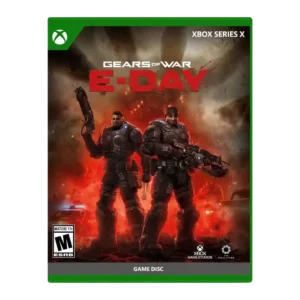
Environmental interaction is praised through destructible cover, bullet-marked objects, and glass-breaking details.
Pros: emotional impact, art direction
Cons: value for money, platform-specific feature support

World interactivity is praised through NPC behavior and small city interactions that make Gotham feel more alive and detailed.
Pros: pacing, core gameplay loop
Cons: companion AI, map and navigation design
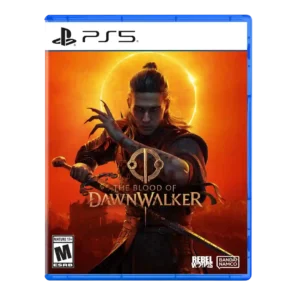
World interactivity was a major strength: reviewers highlighted killable NPCs, ripple effects, infamy responses, and consequences from action or inaction.
Pros: core gameplay loop, replay value
Cons: value for money, difficulty balance

The strongest evidence praised how the game encourages touching, reading, scanning, and physically engaging with its puzzle spaces.
Pros: world-building, world interactivity
Cons: enemy variety, stealth mechanics
Noise, sound traps, visual cues, item use, and environmental interactions were praised for shaping play.
Pros: frame rate stability, platform-specific feature support
Cons: voice acting, writing quality

World interactivity is a highlight, with reviewers praising destructibility, reactive environments, and combat arenas full of usable opportunities.
Pros: level design, user interface design
Cons: AI behavior, facial animations
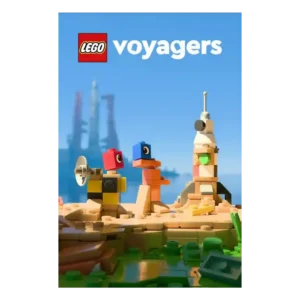
Small interactive moments such as flowers, benches, swings, and environmental toys helped the world feel playful and worth engaging with.
Pros: writing quality, checkpoint system
Cons: menu usability, user interface design

Interactive arenas are praised for giving Power Stone a distinctive feel built around weapons, stones, and environmental play.
Pros: emotional impact, sound design
Cons: cross-play support, boss design
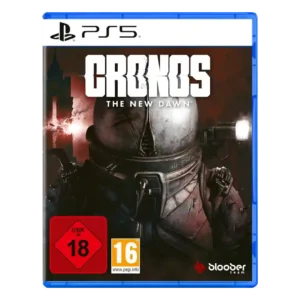
One review praised environmental hazards and time-restored barrels for adding tactical interaction to combat.
Pros: core gameplay loop, emotional impact
Cons: checkpoint system, bug frequency

One review praised world bosses and limited-time events for making the shared world feel active.
Pros: lore depth, art direction
Cons: mission variety, protagonist appeal
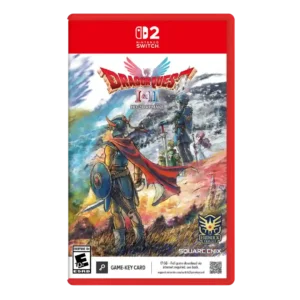
Mini Medals and hidden interactables were praised for encouraging players to inspect the world more carefully.
Pros: visual effects quality, environmental detail
Cons: AI behavior, level design
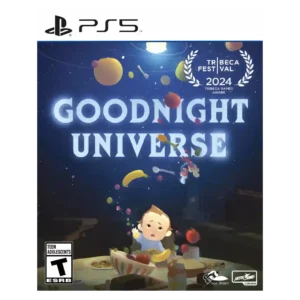
World interactivity was praised for using psychic abilities and environmental interactions to reinforce the heartfelt story.
Pros: side character depth, visual effects quality
Cons: user interface design, handheld play suitability

Habitat changes were praised for giving players agency over which species populate the world.
Pros: art direction, environmental detail
Cons: multiplayer design, accessibility options
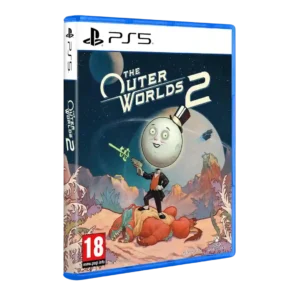
World interactivity was praised where obvious environmental solutions and discovered information could be acted on directly.
Pros: world-building, mission design
Cons: mission variety, enemy variety

World interactivity is viewed positively through breakable environments, more consequential ship damage, and dynamic environmental effects.
Pros: core gameplay loop, visual effects quality
Cons: monetization fairness, microtransaction impact

World interactivity was praised through Pokémon reacting to objects, environmental interactions, and functional items.
Pros: protagonist appeal, faithfulness to franchise
Cons: map and navigation design, aiming precision

Destructible stages and real-time environmental impact were praised for making superhero fights feel dynamic and consequential.
Pros: immersion, frame rate stability
Cons: user interface design, bug frequency
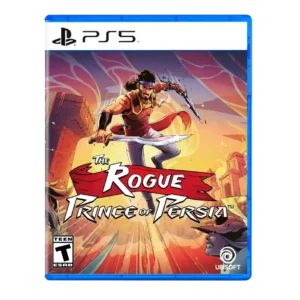
World interactivity was praised when environmental hazards, parkour spaces, and combat arenas actively shaped encounters.
Pros: crash stability, HUD clarity
Cons: character development, visual effects quality

World systems are valued for feeding into each other, with actions and eras affecting broader progress and island development.
Pros: load times, crash stability
Cons: originality, voice acting

Reviewers enjoyed the ability to fight nearly anyone and interact with the world in silly, playful ways.
Pros: movement feel, art direction
Cons: platforming precision, writing quality

World interactivity improves through item use, tools, secrets, and more objects to engage with compared with simply moving forward.
Pros: onboarding experience, environmental detail
Cons: family friendliness, movement feel
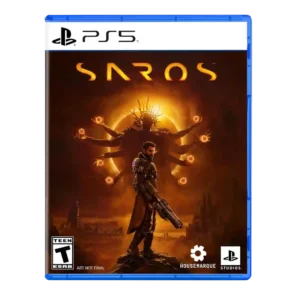
World interactivity had limited evidence, mostly around movement-reactive effects and environmental destruction.
Pros: value for money, fun factor
Cons: map and navigation design, side character depth

Dynamic weather, terrain hazards, and reactive routes add life and variety, though one critic felt some additions gesture at depth without enough substance.
Pros: animation quality, facial animations
Cons: quest design, AI behavior

World interactivity is strong when destructible scenery reacts to the car, though crowd behavior is criticized as lifeless.
Pros: controls responsiveness, movement feel
Cons: tutorial quality, animation quality
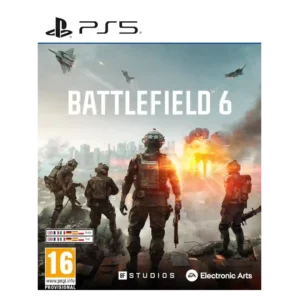
destruction and terrain changes were praised for making battles reactive and meaningful, though one veteran found it less impactful than older games.
Pros: haptic feedback integration, performance optimization
Cons: pacing, microtransaction impact

World interactions such as animals leading to objectives and fast-travel points were seen as pleasant touches that make Gaia feel reactive, though repetition remains a caveat.
Pros: world-building, art direction
Cons: mission design, stealth mechanics

World interactivity was praised in one review for a world rich with interactivity and unlockables.
Pros: facial animations, polish
Cons: grind level, stealth mechanics

World interactivity was mixed: weather and monster ecology impressed some, while others felt the detail had little gameplay impact.
Pros: art direction, cross-play support
Cons: dialogue quality, monetization fairness
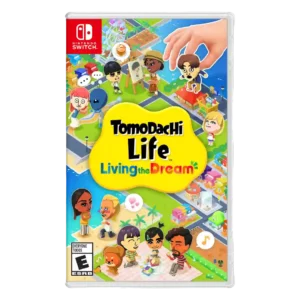
Custom items and island objects can feed into Mii behavior and scenarios, but several reviewers note that some interactions remain shallow or limited.
Pros: grind level, originality
Cons: social features, accessibility options

World interactivity is mixed: smashable vegetation, traffic, and track objects help, but several reviewers criticize barriers, nonreactive traffic, and lifeless city behavior.
Pros: open-world design, replay value
Cons: dialogue quality, writing quality
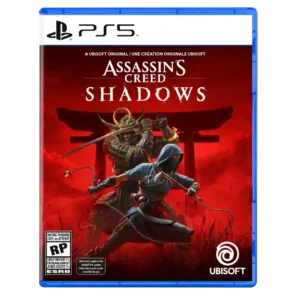
World interactivity is mixed, with small physics touches praised but city interaction and consequence systems criticized as shallow.
Pros: environmental detail, cross-save support
Cons: writing quality, enemy variety

World interactivity was mixed, praised for elemental interactions but criticized for underused sky/depth layers.
Pros: animation quality, multiplayer design
Cons: save system reliability, companion AI

World interactivity was limited because some props amused briefly but did not reward or advance players.
Pros: puzzle design, level design
Cons: exploration quality, side character depth
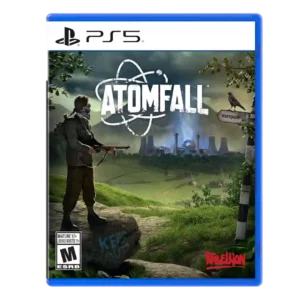
World interactivity received a low score from one reviewer who felt NPCs and systems failed to react properly to player actions.
Pros: art direction, frame rate stability
Cons: boss design, camera behavior
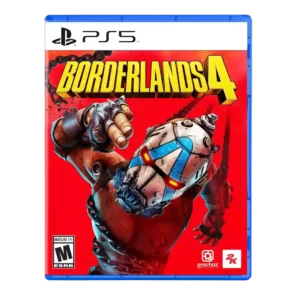
World interactivity has limited scored evidence and is criticized for not giving players more engaging ways to interact beyond combat and object prompts.
Pros: sandbox freedom, art direction
Cons: polish, save system reliability

World interactivity was often criticized because much of Lumiose cannot be entered or meaningfully interacted with beyond traversal and menus.
Pros: crash stability, gameplay mechanics
Cons: AI behavior, monetization fairness

World interactivity was one of the most common criticisms, with many reviewers finding NPCs, theft, objects, and systems too static.
Pros: tutorial quality, level design
Cons: stealth mechanics, endgame content

World interactivity was criticized because one review said environments mainly support only the exact required solution.
Pros: atmosphere, voice acting
Cons: world interactivity, camera behavior

World interactivity was criticized for unclear visual rules around what could be climbed, smashed, or used.
Pros: load times, haptic feedback integration
Cons: save system reliability, aiming precision