Best for art direction
Street Fighter 6
5.0 feature score
Highest scored product for this feature based on supporting review evidence.
Highest scored product for this feature based on supporting review evidence.
Balances feature score, supporting reviews, and overall product strength.
Has the broadest review evidence for this feature.
Strongest overall product among items with scored evidence for this feature.
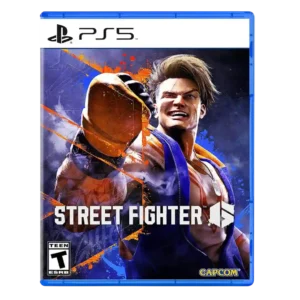
Art direction was a major strength, with repeated praise for the graffiti, hip-hop, urban, and colorful visual identity.
Pros: movement feel, art direction
Cons: platforming precision, writing quality
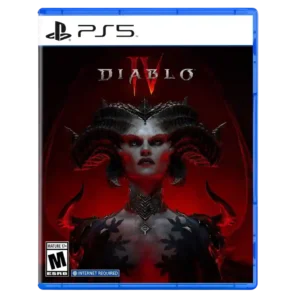
Art direction was a standout strength, with reviewers praising Diablo IV’s darker horror look and expansion region aesthetics.
Pros: lore depth, art direction
Cons: mission variety, protagonist appeal
Art direction was unanimously praised among scored reviews as gorgeous, distinctive, and visually confident.
Pros: art direction, environmental detail
Cons: multiplayer design, accessibility options
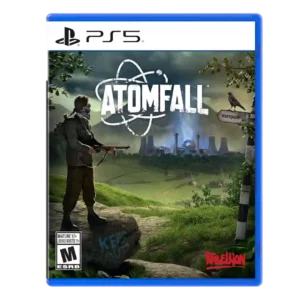
Art direction was praised for melding lush countryside, decay, color, and atmosphere into a distinctive look.
Pros: art direction, frame rate stability
Cons: boss design, camera behavior
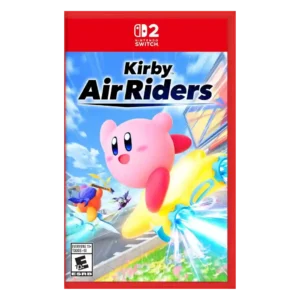
Art direction received high praise for colorful, dynamic environments and a striking Switch 2 look.
Pros: flying mechanics, exploration quality
Cons: AI behavior, boss design
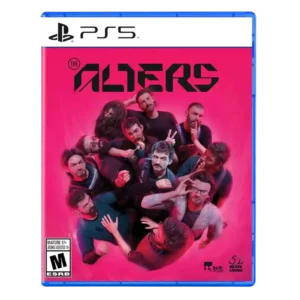
Art direction received strong praise for the alien planet, visual design, and Jan/Alter presentation.
Pros: controls responsiveness, onboarding experience
Cons: crash stability, grind level
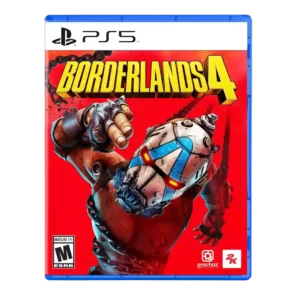
Art direction receives strong praise for the series’ comic-book style being more striking than before.
Pros: sandbox freedom, art direction
Cons: polish, save system reliability
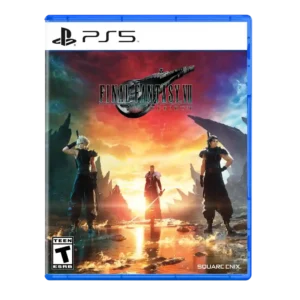
Art direction receives high praise for maximalist world creation and imaginative modern design.
Pros: world-building, art direction
Cons: mission design, stealth mechanics
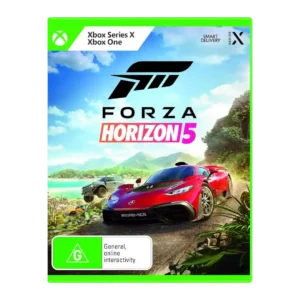
Art direction is praised for making Mexico’s culture, music, murals, and ambience feel authentic.
Pros: controls responsiveness, movement feel
Cons: tutorial quality, animation quality
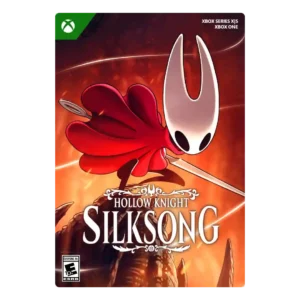
Art direction receives near-universal praise for hand-drawn beauty, color variety, style, and a distinctive visual identity.
Pros: core gameplay loop, world interactivity
Cons: loot system, accessibility options
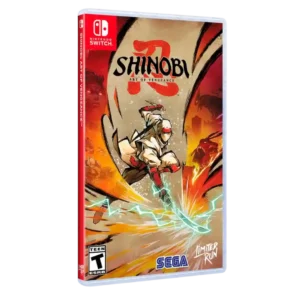
The hand-drawn art direction receives near-universal praise for its style, cohesion, painterly look, and strong franchise fit.
Pros: graphics quality, environmental detail
Cons: bug frequency, dialogue quality
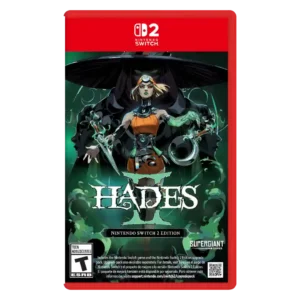
Art direction is one of the strongest points, with repeated praise for character art, color, portraits, and Supergiant's visual identity.
Pros: skill tree depth, dialogue quality
Cons: emotional impact, economy and resource balance
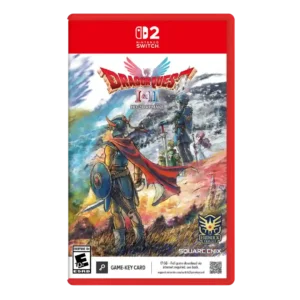
The HD-2D art direction was strongly praised for respecting old JRPG roots while making the worlds feel striking and modern.
Pros: visual effects quality, environmental detail
Cons: AI behavior, level design
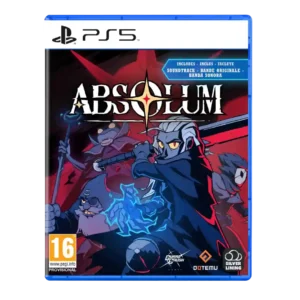
Art direction was one of the strongest consensus positives, repeatedly described as gorgeous, striking, or beautifully stylized.
Pros: mission design, world interactivity
Cons: quest design, endgame content
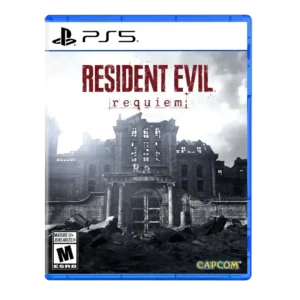
Art direction was praised for grotesque beauty and an effective old/new visual mix.
Pros: driving mechanics, protagonist appeal
Cons: platform-specific feature support, checkpoint system
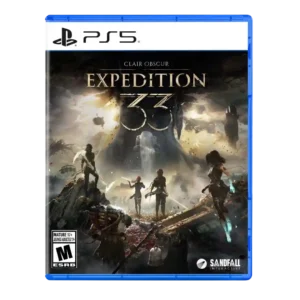
Art direction was highly praised for beauty, French-inspired style, surreal environments, and cohesive visual identity.
Pros: monetization fairness, microtransaction impact
Cons: platforming precision, menu usability
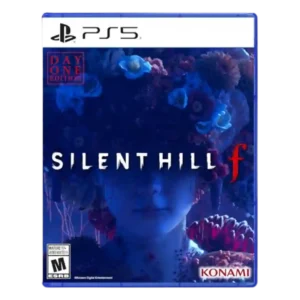
Art direction was one of the clearest strengths, with reviewers repeatedly praising the beauty-in-terror concept, monster imagery, and striking visual identity.
Pros: voice acting, emotional impact
Cons: family friendliness, menu usability
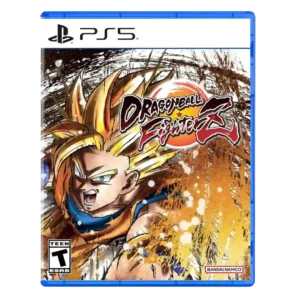
Art direction earns very high marks for faithful cel shading, Toriyama-style character work, and deliberate anime framing.
Pros: movement feel, world-building
Cons: save system reliability, mission variety
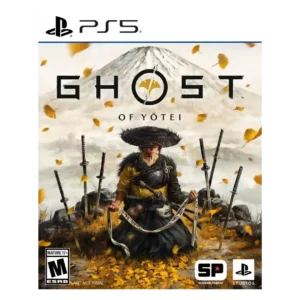
Reviewers strongly praise the painterly visual identity, lighting, color, and intentional environmental effects, with only mild familiarity concerns.
Pros: movement feel, environmental detail
Cons: puzzle design, age appropriateness
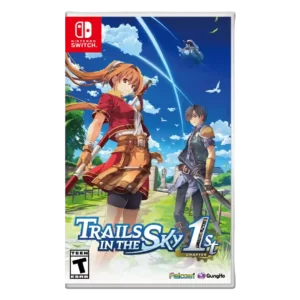
Art direction was praised for vibrant, expressive presentation and faithful anime-style modernization.
Pros: protagonist appeal, art direction
Cons: camera behavior, tutorial quality
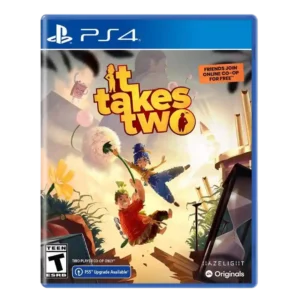
Art direction is widely praised as remarkable, gorgeous, imaginative, and strong enough to survive Switch visual compromises.
Pros: core gameplay loop, movement feel
Cons: character development, dialogue quality
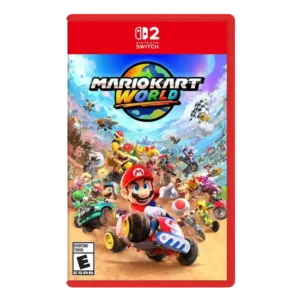
Art direction was strongly praised as stellar, charming, vibrant, and one of the game’s best aspects.
Pros: animation quality, sound design
Cons: difficulty balance, AI behavior
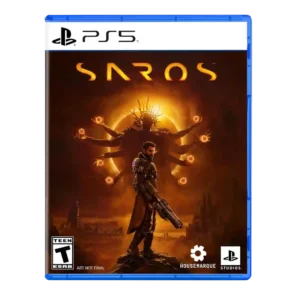
Art direction was a clear strength, with reviewers highlighting Carcosa’s strong, alien visual identity and memorable environmental design.
Pros: value for money, fun factor
Cons: map and navigation design, side character depth
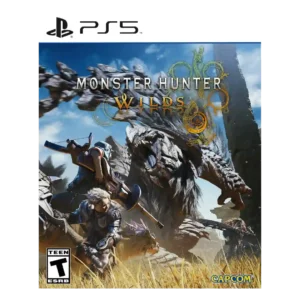
Art direction received strong praise, especially for armor and overall visual identity reaching a franchise high point.
Pros: art direction, cross-play support
Cons: dialogue quality, monetization fairness
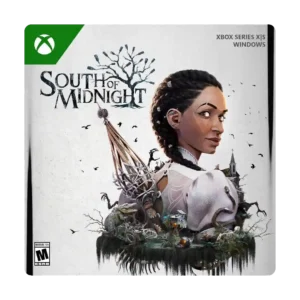
Art direction was one of the clearest strengths, repeatedly described as striking, gorgeous, phenomenal, or top-notch.
Pros: atmosphere, voice acting
Cons: world interactivity, camera behavior
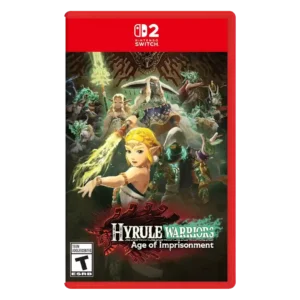
Art direction was a major positive, repeatedly tied to the Tears of the Kingdom aesthetic and strong visual mood.
Pros: animation quality, multiplayer design
Cons: save system reliability, companion AI
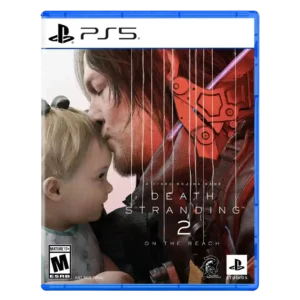
Art direction is strongly praised, especially the detailed vistas and rugged depiction of Australia.
Pros: animation quality, facial animations
Cons: quest design, AI behavior
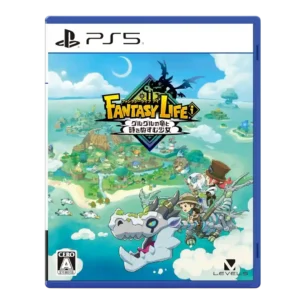
Art direction earns praise for retaining the series' charm and supporting a cozy, stylized identity.
Pros: load times, crash stability
Cons: originality, voice acting
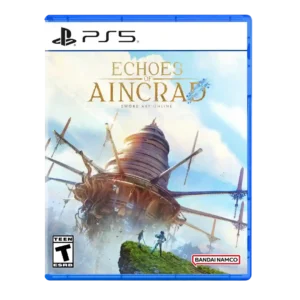
Art direction was highly praised for anime stylization and faithfulness to Sword Art Online's visual style.
Pros: environmental detail, art direction
Cons: world interactivity, loot system
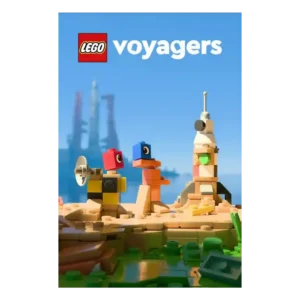
Art direction was consistently praised for authentic, realistic, warmly lit LEGO dioramas and strong visual identity.
Pros: writing quality, checkpoint system
Cons: menu usability, user interface design
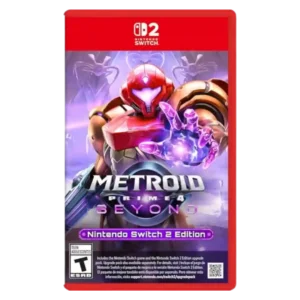
Art direction was one of the clearest strengths, with reviewers repeatedly calling the environments, lighting, and visual identity gorgeous or striking.
Pros: world-building, frame rate stability
Cons: companion AI, upgrade system
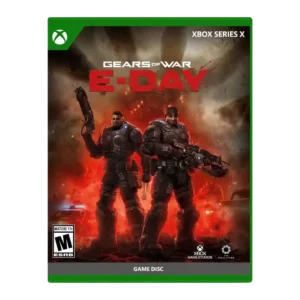
The horror-forward look and art style are praised as nailed by one reviewer.
Pros: emotional impact, art direction
Cons: value for money, platform-specific feature support
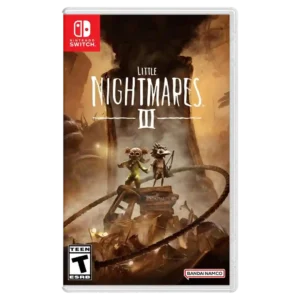
Art direction was one of the strongest areas, repeatedly praised as fantastic, phenomenal, breathtaking, or visually distinctive.
Pros: load times, haptic feedback integration
Cons: save system reliability, aiming precision
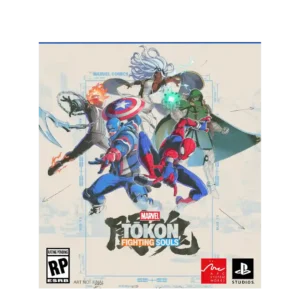
The art direction is repeatedly praised for its manga/comic hybrid identity, sharp comic-book look, and Japanese reinterpretation of Marvel.
Pros: emotional impact, frame rate stability
Cons: server reliability, tutorial quality
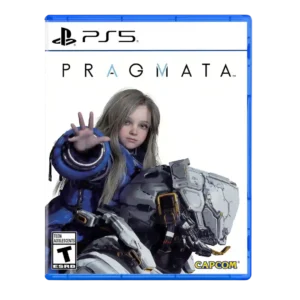
Art direction is a standout, especially the NASA-punk, AI-slop, lunar-base, and uncanny Earth-replica aesthetics.
Pros: bug frequency, user interface design
Cons: HUD clarity, mission design
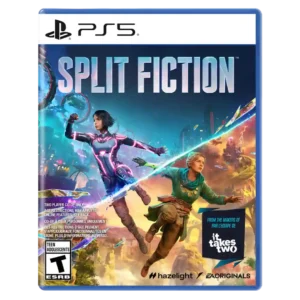
Art direction was widely praised for striking worlds, scale, and strong creative environments, even on compromised hardware.
Pros: puzzle design, level design
Cons: exploration quality, side character depth
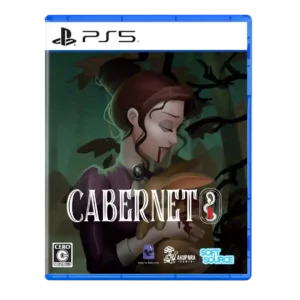
Art direction was a major strength, with praise for detailed characters, striking storybook aesthetics, gothic setting, and strong visual identity.
Pros: accessibility options, protagonist appeal
Cons: frame rate stability, polish
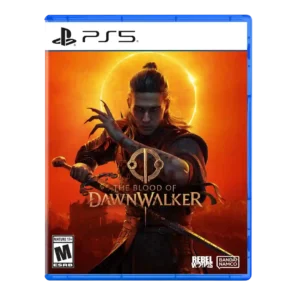
Art direction earned praise for focus, style, vibe, and especially lighting work.
Pros: core gameplay loop, replay value
Cons: value for money, difficulty balance
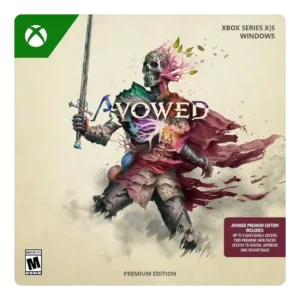
Most reviewers praised the bold, colorful, alien fantasy art direction, though a few disliked the cartoony look or felt presentation was uneven.
Pros: tutorial quality, level design
Cons: stealth mechanics, endgame content
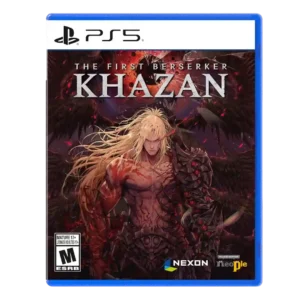
Art direction is broadly praised for its cel-shaded, anime-inflected, gothic style, though originality concerns remain elsewhere.
Pros: core gameplay loop, controls responsiveness
Cons: mission design, learning curve
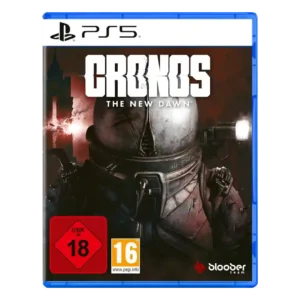
Art direction was one of the clearest strengths, especially the retro-futuristic, brutalist, Polish, and body-horror visual identity.
Pros: core gameplay loop, emotional impact
Cons: checkpoint system, bug frequency
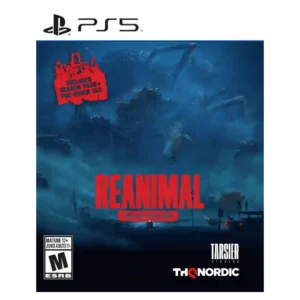
Art direction is a standout strength, especially lighting, staging, visual composition, and grim aesthetic commitment.
Pros: onboarding experience, environmental detail
Cons: family friendliness, movement feel
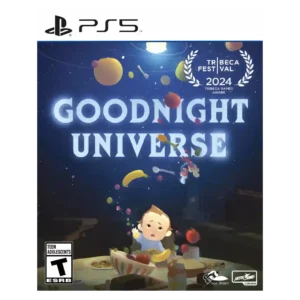
Art direction was generally praised for its colorful, charming, expressive, and warm visual identity, even when the world itself was not always detailed.
Pros: side character depth, visual effects quality
Cons: user interface design, handheld play suitability
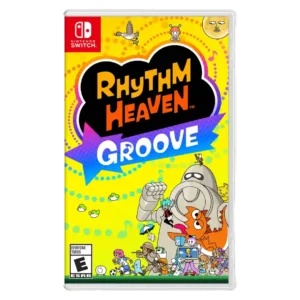
Art direction is consistently praised for vibrant, memorable cartoon scenes, varied styles, and a look that still feels close to the franchise identity.
Pros: couch co-op quality, accessibility options
Cons: platform-specific feature support, performance optimization
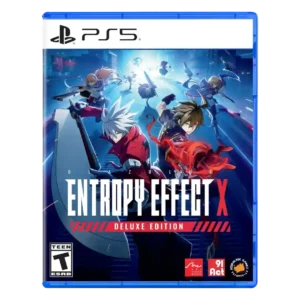
Art direction is broadly praised for appealing hand-drawn style, gorgeous environments, sleek presentation, and strong character looks.
Pros: movement feel, skill tree depth
Cons: menu usability, HUD clarity
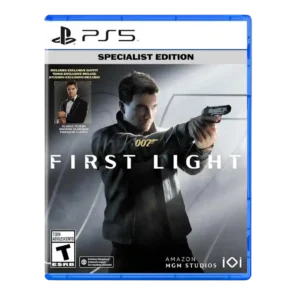
Art direction receives strong praise for lighting, Bond glamour, espionage imagery, and stylish presentation.
Pros: level design, user interface design
Cons: AI behavior, facial animations
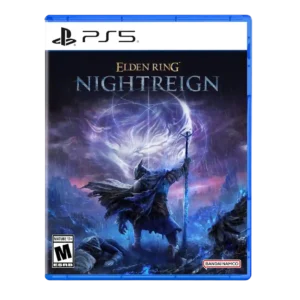
Art direction was praised as carrying over Elden Ring's strong fantasy style despite reused assets.
Pros: emotional impact, visual effects quality
Cons: crash stability, cross-play support
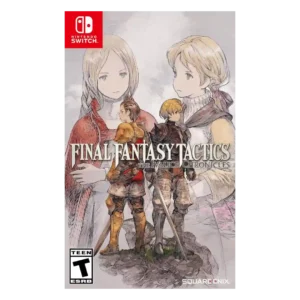
Art direction was generally praised for preserving the original identity while sharpening the presentation rather than replacing it.
Pros: emotional impact, polish
Cons: bug frequency, crash stability
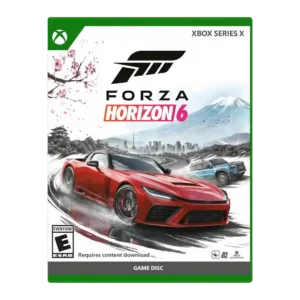
Art direction is praised for capturing recognizable Japanese aesthetics.
Pros: open-world design, replay value
Cons: dialogue quality, writing quality
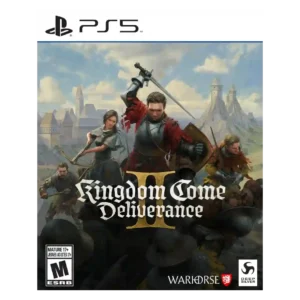
The visual style of menus, maps, and medieval presentation received praise for matching the game’s historical tone.
Pros: soundtrack quality, fun factor
Cons: checkpoint system, family friendliness