Best for world-building
Silent Hill f
5.0 feature score
Highest scored product for this feature based on supporting review evidence.
Highest scored product for this feature based on supporting review evidence.
Balances feature score, supporting reviews, and overall product strength.
Has the broadest review evidence for this feature.
Strongest overall product among items with scored evidence for this feature.

World-building was consistently praised, especially the Japanese folklore, historical setting, regional symbolism, and mythos behind Ebisugaoka and the Dark Shrine.
Pros: voice acting, emotional impact
Cons: family friendliness, menu usability
World-building is praised for making Gaia feel more alive, detailed, and newly understandable compared with older versions.
Pros: world-building, art direction
Cons: mission design, stealth mechanics

World-building was a strength in reviews that praised scanning, Lamorn history, and the way environments explained Viewros.
Pros: world-building, frame rate stability
Cons: companion AI, upgrade system

World-building is praised through the reviewer’s affection for Dragon Ball's broad world, character history, and lore appeal.
Pros: movement feel, world-building
Cons: save system reliability, mission variety
World-building is praised for imagination and character shining through the whole adventure.
Pros: core gameplay loop, movement feel
Cons: character development, dialogue quality

World-building is one of the strongest areas, with reviewers praising Pharloom as immaculate, complex, sad, and worth exploring.
Pros: core gameplay loop, world interactivity
Cons: loot system, accessibility options

World-building was strongly praised through Ivalice’s politics, history, class conflict, and supporting lore tools.
Pros: emotional impact, polish
Cons: bug frequency, crash stability
World-building was one of the strongest consensus positives, with the Digital World repeatedly described as alive, lived-in, and full of Digimon society.
Pros: atmosphere, world-building
Cons: HUD clarity, fast travel convenience
World-building was praised as distinct, rich, and central to the game’s identity.
Pros: monetization fairness, microtransaction impact
Cons: platforming precision, menu usability
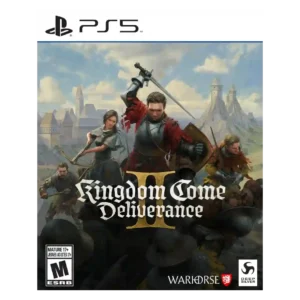
World-building was repeatedly praised as immersive, historically grounded, and central to the game’s appeal.
Pros: soundtrack quality, fun factor
Cons: checkpoint system, family friendliness

World-building was praised for Seattle’s detail, environmental storytelling, and the way the sequel frames grief and factions.
Pros: core gameplay loop, level design
Cons: family friendliness, puzzle design
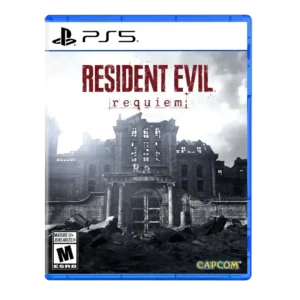
World-building was praised for making the setting feel grotesquely alive.
Pros: driving mechanics, protagonist appeal
Cons: platform-specific feature support, checkpoint system

World-building was consistently praised for its living town, memorable characters, political themes, folklore, and richly imagined Eastern European vampire society.
Pros: accessibility options, protagonist appeal
Cons: frame rate stability, polish

World-building received near-universal praise for its authentic, rarely explored Deep South folklore, history, and cultural texture.
Pros: atmosphere, voice acting
Cons: world interactivity, camera behavior

World-building is praised for Greek myth reinterpretation, relationship-driven lore, and the broader conflict around the Underworld and Olympus.
Pros: skill tree depth, dialogue quality
Cons: emotional impact, economy and resource balance
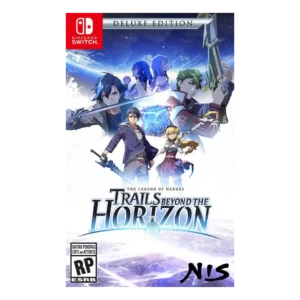
World-building was strongly praised for a detailed setting and revelations that shook reviewers’ understanding of the series.
Pros: facial animations, polish
Cons: grind level, stealth mechanics
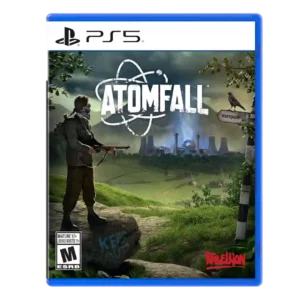
World-building was one of the strongest attributes, especially the British quarantine-zone identity, folk horror, and distinctive alternate-history setting.
Pros: art direction, frame rate stability
Cons: boss design, camera behavior
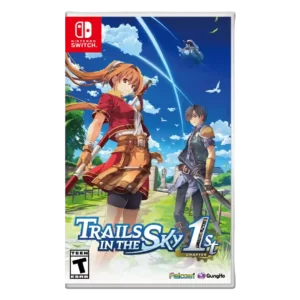
World-building was one of the strongest attributes, with repeated praise for living NPCs, regional culture, and detailed continuity.
Pros: protagonist appeal, art direction
Cons: camera behavior, tutorial quality

One review strongly praised how the game explains otherworldly concepts without stopping the gameplay.
Pros: world-building, world interactivity
Cons: enemy variety, stealth mechanics
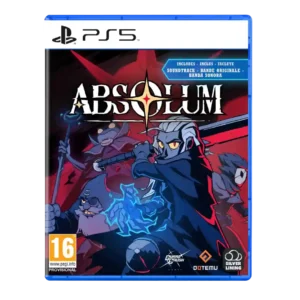
World-building was widely praised for its magical setting, history, culture, and lore hooks even when the main plot lagged.
Pros: mission design, world interactivity
Cons: quest design, endgame content
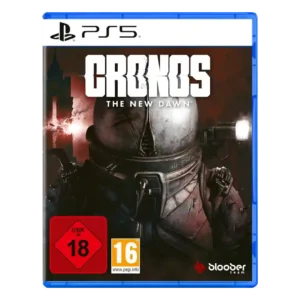
World-building was a major strength, with reviewers praising how the setting, documents, and historical framing build a broken society.
Pros: core gameplay loop, emotional impact
Cons: checkpoint system, bug frequency
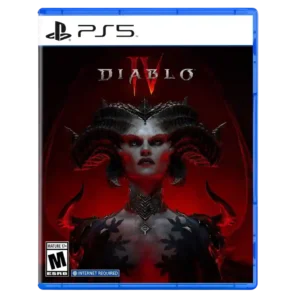
World-building was praised for history, mythos, and an exciting Sanctuary setting.
Pros: lore depth, art direction
Cons: mission variety, protagonist appeal
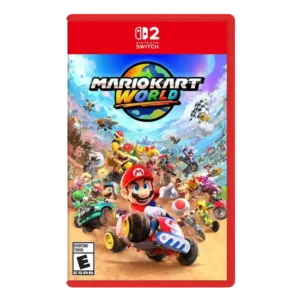
World-building was praised where reviewers felt the courses and regions fit together into a coherent interconnected continent.
Pros: animation quality, sound design
Cons: difficulty balance, AI behavior

World-building was praised for making Metro City and the broader Street Fighter universe feel lived-in and connected.
Pros: movement feel, art direction
Cons: platforming precision, writing quality
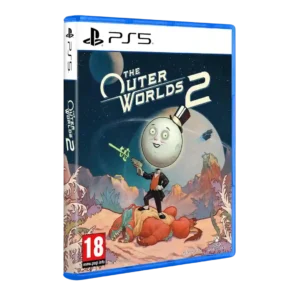
World-building was a major strength, with reviewers praising factions, moral dilemmas, environmental context, and a lived-in universe.
Pros: world-building, mission design
Cons: mission variety, enemy variety
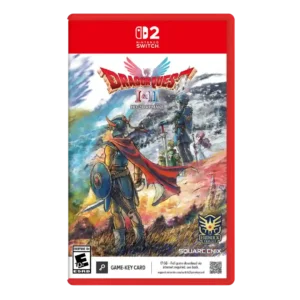
World-building was strengthened by expanded towns, lore links, and details that made Alefgard and the trilogy feel more alive.
Pros: visual effects quality, environmental detail
Cons: AI behavior, level design
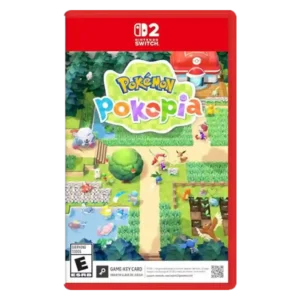
World-building was a major strength, with reviewers praising Kanto’s depth, lore, environmental clues, and ruined-world context.
Pros: protagonist appeal, faithfulness to franchise
Cons: map and navigation design, aiming precision

World-building earned praise for strange underground societies, internal logic, and franchise-aware details.
Pros: gameplay mechanics, world interactivity
Cons: economy and resource balance, enemy variety
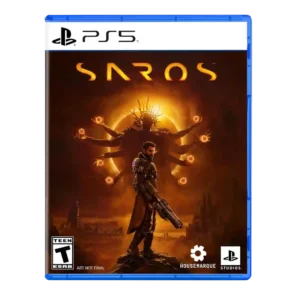
World-building was praised through Carcosa’s mysteries, logs, lore, and thematic environmental storytelling.
Pros: value for money, fun factor
Cons: map and navigation design, side character depth

World-building was a strength thanks to environmental themes, habitat restoration, and a more believable ecosystem.
Pros: art direction, environmental detail
Cons: multiplayer design, accessibility options

World-building was one of Avowed’s clearest strengths, especially its politics, cultures, history, and Eora continuity.
Pros: tutorial quality, level design
Cons: stealth mechanics, endgame content
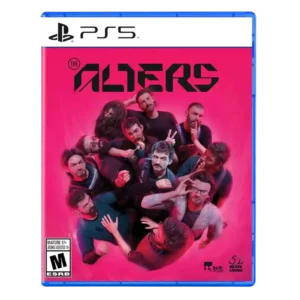
World-building was praised for its strange sci-fi setting, cultural detail, and labor/corporate themes.
Pros: controls responsiveness, onboarding experience
Cons: crash stability, grind level

World-building is praised through Mexico’s culture, accents, and festival identity, even when stylized.
Pros: controls responsiveness, movement feel
Cons: tutorial quality, animation quality
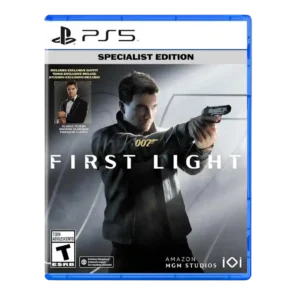
World-building evidence is limited but positive, highlighting the stylish Bond world, sartorial detail, and luxury iconography.
Pros: level design, user interface design
Cons: AI behavior, facial animations
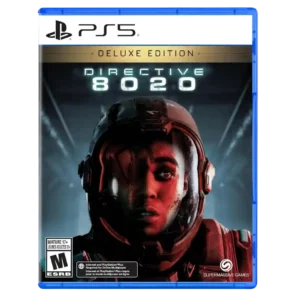
World-building was praised for themes of isolation, uncertainty, and human fragility within the sci-fi premise.
Pros: user interface design, graphics quality
Cons: combat system, animation quality
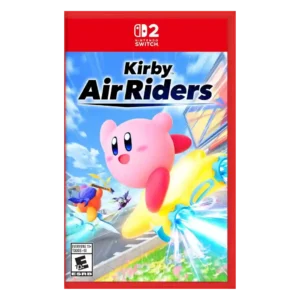
World-building was praised through Road Trip's cosmic tale spanning the Kirby universe.
Pros: flying mechanics, exploration quality
Cons: AI behavior, boss design
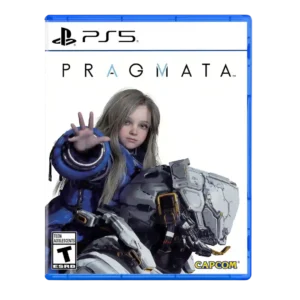
World-building is praised for its lunafilament, moon-base setting, environmental storytelling, and AI/technology themes.
Pros: bug frequency, user interface design
Cons: HUD clarity, mission design

World-building was praised for immersive, explorable worlds built from the protagonists’ imaginations.
Pros: puzzle design, level design
Cons: exploration quality, side character depth
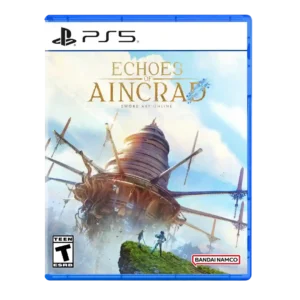
World-building looked promising to one reviewer, who saw groundwork for high-stakes storytelling and deeper side content.
Pros: environmental detail, art direction
Cons: world interactivity, loot system

World-building was strongly praised for living ecosystems, cultural detail, and a breathing world that supported the Monster Hunter fantasy.
Pros: art direction, cross-play support
Cons: dialogue quality, monetization fairness
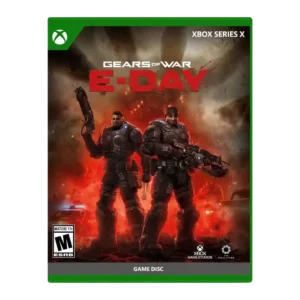
World-building is praised for making Kalona feel alive and for connecting the new city to wider Gears history.
Pros: emotional impact, art direction
Cons: value for money, platform-specific feature support
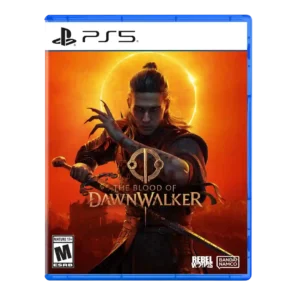
World-building was praised for social nuance, dark medieval inspiration, and a setting that felt bigger than scenery.
Pros: core gameplay loop, replay value
Cons: value for money, difficulty balance

World-building was widely praised for its nostalgic 1990s setting, memory framing, and believable sense of place.
Pros: character roster, animation quality
Cons: core gameplay loop, polish

World-building is strongly praised for environmental storytelling, dark thematic cohesion, and a world that invites interpretation.
Pros: onboarding experience, environmental detail
Cons: family friendliness, movement feel
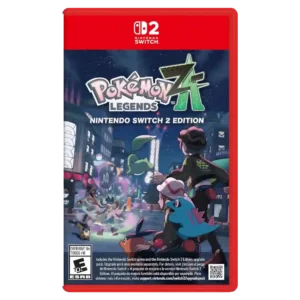
World-building was a strength for many reviewers, especially around Lumiose's civic tensions, coexistence themes, and wider Pokémon-world implications.
Pros: crash stability, gameplay mechanics
Cons: AI behavior, monetization fairness
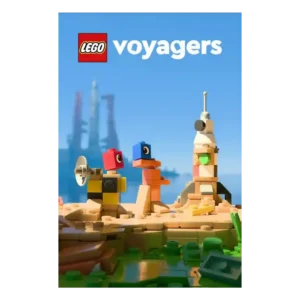
World-building was praised for its lonely, toy-like LEGO spaces and sense of childhood wonder, though one review questioned who built the world.
Pros: writing quality, checkpoint system
Cons: menu usability, user interface design

World-building is praised for nods to Batman media, a broad source-material base, and a blend of Arkham and Lego influences.
Pros: pacing, core gameplay loop
Cons: companion AI, map and navigation design
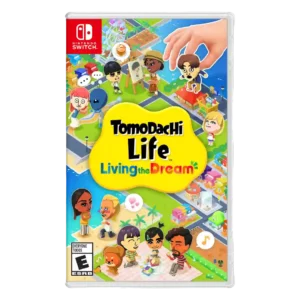
The island can become a personalized little society, with reviewers highlighting its growth from a blank space into a distinct Mii world.
Pros: grind level, originality
Cons: social features, accessibility options

World-building is mostly praised for regional identity, Japanese details, and authentic-feeling spaces, though one review says the city can feel soulless.
Pros: open-world design, replay value
Cons: dialogue quality, writing quality
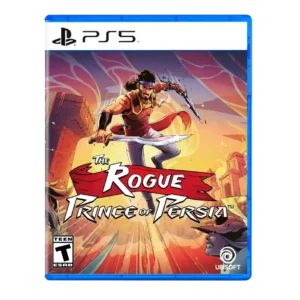
World-building earned positive support where optional world and character context enhanced the story.
Pros: crash stability, HUD clarity
Cons: character development, visual effects quality