Best for onboarding experience
The Alters
5.0 feature score
Highest scored product for this feature based on supporting review evidence.
Highest scored product for this feature based on supporting review evidence.
Balances feature score, supporting reviews, and overall product strength.
Has the broadest review evidence for this feature.
Strongest overall product among items with scored evidence for this feature.
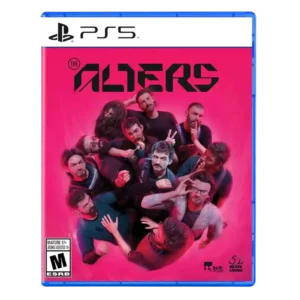
Onboarding was praised for introducing many systems without overwhelming the player.
Pros: controls responsiveness, onboarding experience
Cons: crash stability, grind level

Onboarding was consistently strong because World Tour, guides, and Modern controls taught fundamentals without isolating newcomers.
Pros: movement feel, art direction
Cons: platforming precision, writing quality
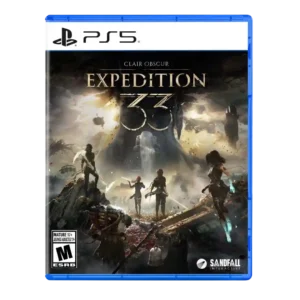
The opening was widely praised for establishing stakes quickly and delivering unusually strong early context.
Pros: monetization fairness, microtransaction impact
Cons: platforming precision, menu usability
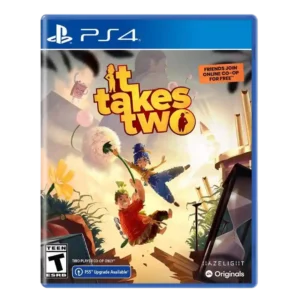
The onboarding is praised for welcoming new or non-gamer partners without heavy-handed teaching.
Pros: core gameplay loop, movement feel
Cons: character development, dialogue quality

The game introduces its many systems at a steady pace, with one reviewer explicitly saying it avoids overwhelming players too early.
Pros: skill tree depth, dialogue quality
Cons: emotional impact, economy and resource balance

The opening is praised as a strong onboarding sequence that sets mood, mechanics, and scale without heavy exposition.
Pros: onboarding experience, environmental detail
Cons: family friendliness, movement feel
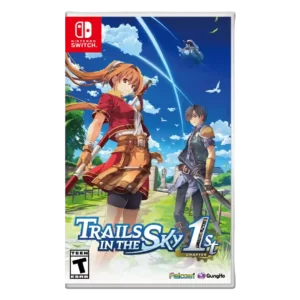
Reviewers consistently considered this remake an approachable starting point for newcomers to the Trails series.
Pros: protagonist appeal, art direction
Cons: camera behavior, tutorial quality
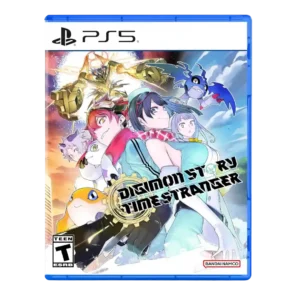
The game was repeatedly described as newcomer-friendly, with reviewers saying prior Digimon knowledge was not required.
Pros: atmosphere, world-building
Cons: HUD clarity, fast travel convenience
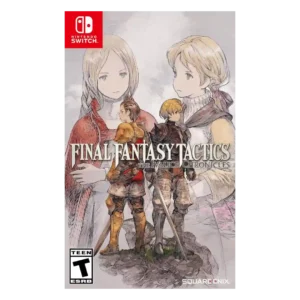
Onboarding was much better than older versions thanks to clearer systems, retries, State of the Realm, and more newcomer-friendly presentation.
Pros: emotional impact, polish
Cons: bug frequency, crash stability

Onboarding is praised for spectacular openings and smooth early introductions, though one reviewer felt the game later floods players with content.
Pros: controls responsiveness, movement feel
Cons: tutorial quality, animation quality

Onboarding was praised for teaching controls, lore, stats, and vampiric rules through the opening narrative rather than through intrusive instruction.
Pros: accessibility options, protagonist appeal
Cons: frame rate stability, polish

Onboarding is often praised through practice tools, story-as-tutorial design, and beginner ramps, though tutorial quality itself varies.
Pros: movement feel, world-building
Cons: save system reliability, mission variety
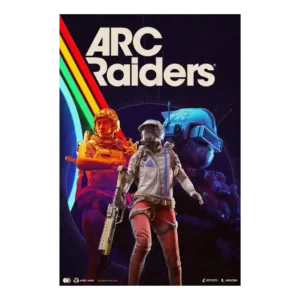
Many reviewers called Arc Raiders unusually approachable for an extraction shooter thanks to free loadouts, solo matchmaking, and forgiving progress.
Pros: frame rate stability, platform-specific feature support
Cons: voice acting, writing quality
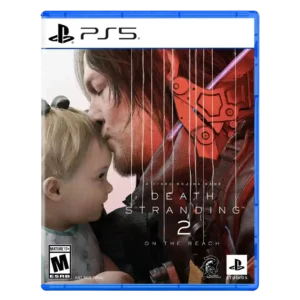
Onboarding is praised for clearer instructions, a stronger opening, and a better job of pulling players into the systems.
Pros: animation quality, facial animations
Cons: quest design, AI behavior
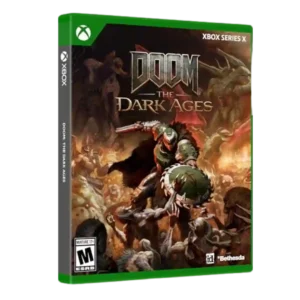
Onboarding was praised for welcoming new players and easing them into the revised systems.
Pros: environmental detail, polish
Cons: camera behavior, value for money

The collection’s onboarding is praised for making it easy to start learning mechanics through clear tools and approachable options.
Pros: emotional impact, sound design
Cons: cross-play support, boss design

Onboarding is helped by shared command layouts, smart controls, and quick-to-learn basics, though advanced mechanics still demand study.
Pros: emotional impact, animation quality
Cons: enemy variety, server reliability
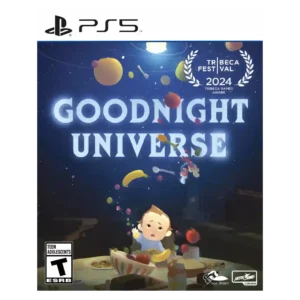
The onboarding was praised for easing players into Isaac’s powers through natural tutorialization.
Pros: side character depth, visual effects quality
Cons: user interface design, handheld play suitability
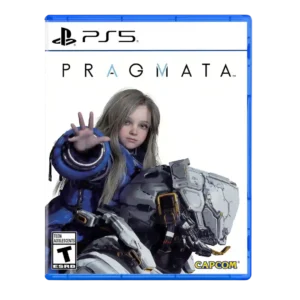
The onboarding experience is positive, easing players into shooting, movement, and hacking without dragging out the opening hours.
Pros: bug frequency, user interface design
Cons: HUD clarity, mission design
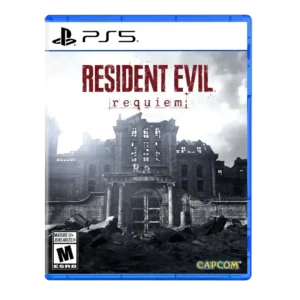
Onboarding was praised for easing players into story and lore without demanding deep series knowledge immediately.
Pros: driving mechanics, protagonist appeal
Cons: platform-specific feature support, checkpoint system
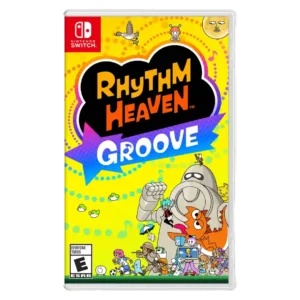
Onboarding is praised for giving players the tools to understand each mini-game without feeling overbearing.
Pros: couch co-op quality, accessibility options
Cons: platform-specific feature support, performance optimization
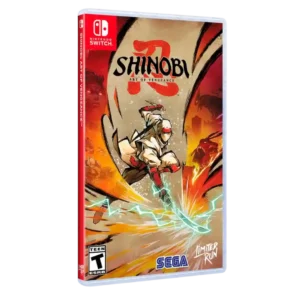
Onboarding is praised for easing the player into each move rather than overwhelming them with the full combat kit at once.
Pros: graphics quality, environmental detail
Cons: bug frequency, dialogue quality
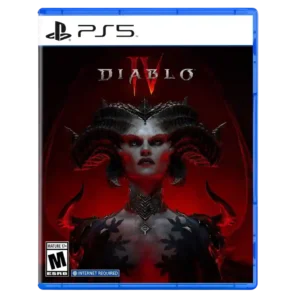
Reviews found the story and current ARPG structure approachable for newcomers, especially when major lore points were explained.
Pros: lore depth, art direction
Cons: mission variety, protagonist appeal
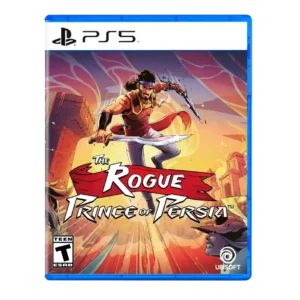
Onboarding was viewed positively in update coverage and Switch 2 impressions, especially for preparing players without confusion.
Pros: crash stability, HUD clarity
Cons: character development, visual effects quality
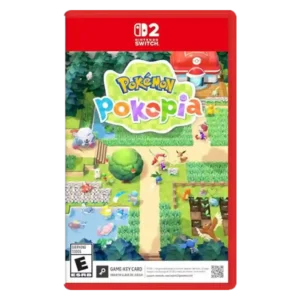
Onboarding was mostly positive, with several reviewers finding early flow smooth, concise, or less cumbersome than expected.
Pros: protagonist appeal, faithfulness to franchise
Cons: map and navigation design, aiming precision

Onboarding is considered welcoming, with assisted introductions and early pacing that helps new players understand racing lines and controls.
Pros: open-world design, replay value
Cons: dialogue quality, writing quality
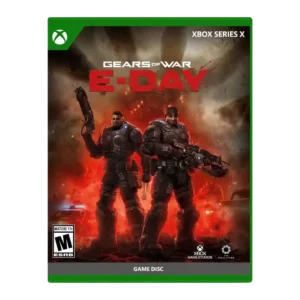
Onboarding is praised for being thoughtful and helpful to new players, especially around practice space and active reload presentation.
Pros: emotional impact, art direction
Cons: value for money, platform-specific feature support
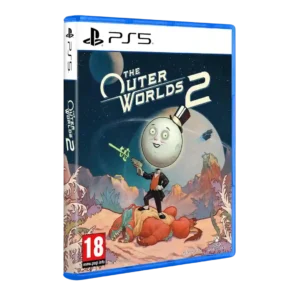
Onboarding and character setup were mostly praised for immediately expressing background, traits, and build identity.
Pros: world-building, mission design
Cons: mission variety, enemy variety
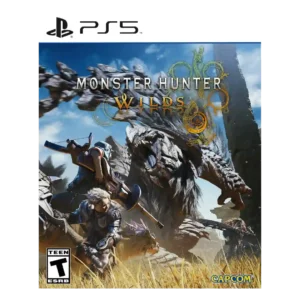
Onboarding was generally praised as more approachable and newcomer-friendly, though some reviews still found the first steps confusing.
Pros: art direction, cross-play support
Cons: dialogue quality, monetization fairness

The demo's opening structure is praised for letting players test controls and take their time before deeper mission play.
Pros: pacing, core gameplay loop
Cons: companion AI, map and navigation design
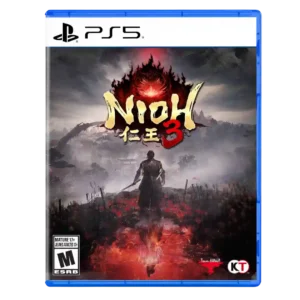
Onboarding was usually praised for pacing new systems well and helping players get up to speed despite mechanical density.
Pros: pacing, visual effects quality
Cons: tutorial quality, character roster

Onboarding was seen as helpful and robust overall, though some reviewers still warned that new players need time to adjust.
Pros: flying mechanics, exploration quality
Cons: AI behavior, boss design
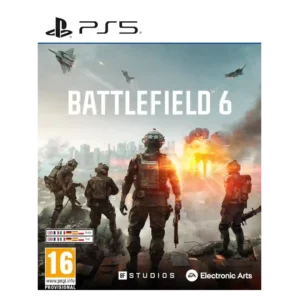
guide-style evidence found the game explainable despite many systems.
Pros: haptic feedback integration, performance optimization
Cons: pacing, microtransaction impact
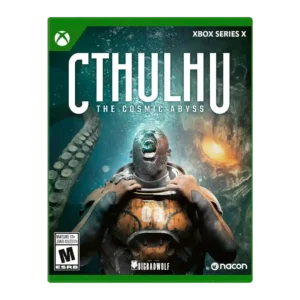
One reviewer praised the refreshing lack of hand-holding, treating it as a positive for detective-game players.
Pros: world-building, world interactivity
Cons: enemy variety, stealth mechanics
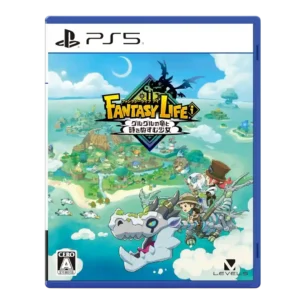
Onboarding is praised in one review for reducing friction through context-sensitive Life switching.
Pros: load times, crash stability
Cons: originality, voice acting

Onboarding is initially intimidating for some, but reviewers say the discovery and indicator systems become enjoyable once learned.
Pros: movement feel, environmental detail
Cons: puzzle design, age appropriateness
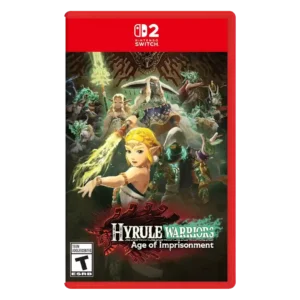
Onboarding experience was positive where prior knowledge was said not to be required.
Pros: animation quality, multiplayer design
Cons: save system reliability, companion AI
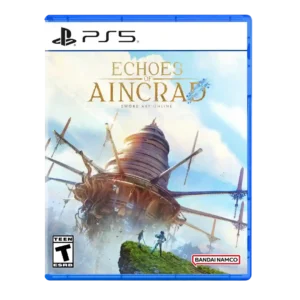
Onboarding was praised for orienting newcomers with terminology and key concepts from the SAO universe.
Pros: environmental detail, art direction
Cons: world interactivity, loot system
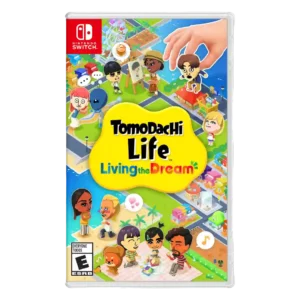
One review notes that new features begin unlocking quickly enough to keep the early setup from dragging.
Pros: grind level, originality
Cons: social features, accessibility options
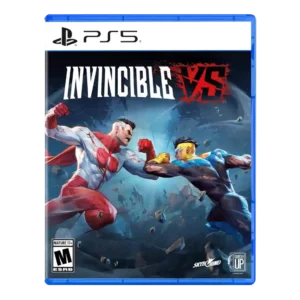
Onboarding evidence was divided: several reviewers praised autocombos and beginner tools, but one strongly argued casual players are set up to fail.
Pros: immersion, frame rate stability
Cons: user interface design, bug frequency
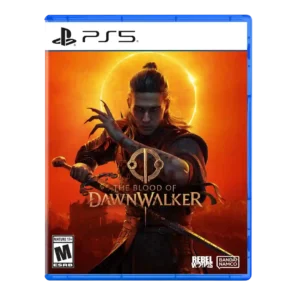
Onboarding was functional and simple, but the prologue’s tutorial-heavy setup was less exciting than the broader systems.
Pros: core gameplay loop, replay value
Cons: value for money, difficulty balance
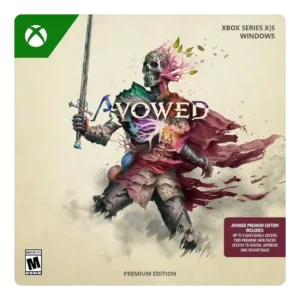
Onboarding was praised when it taught by doing, though lore-heavy openings could feel steep for newcomers.
Pros: tutorial quality, level design
Cons: stealth mechanics, endgame content
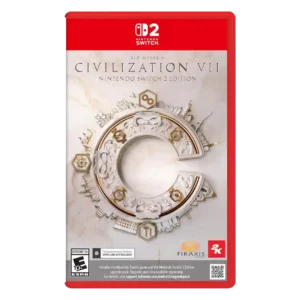
Onboarding was split: some reviewers called VII welcoming and well tutorialized, while others warned casual players could struggle with the changed systems.
Pros: animation quality, controls responsiveness
Cons: matchmaking quality, user interface design
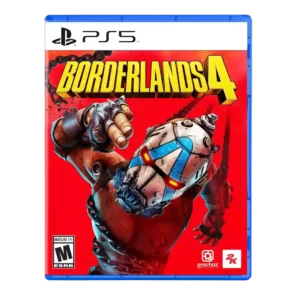
Onboarding is mixed: one reviewer praises menu tutorials, while another says important level and difficulty information is poorly communicated.
Pros: sandbox freedom, art direction
Cons: polish, save system reliability
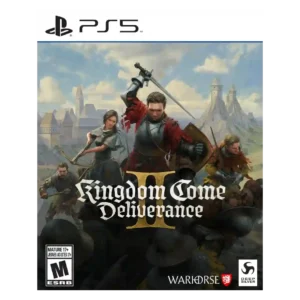
Onboarding divided reviewers: returning and new-player recaps helped, but some found the opening overloaded or blunt.
Pros: soundtrack quality, fun factor
Cons: checkpoint system, family friendliness
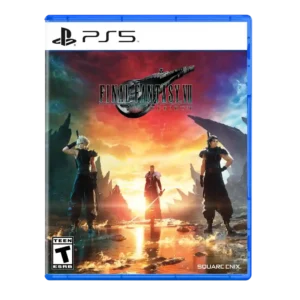
Onboarding is uneven: Red XIII's recap helps returning players, but multiple reviewers warn newcomers may still be lost.
Pros: world-building, art direction
Cons: mission design, stealth mechanics
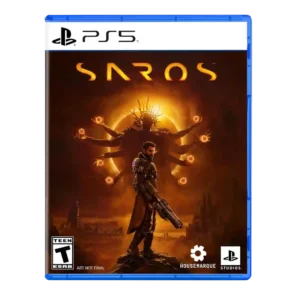
Onboarding was mixed: some reviewers said mechanics ramped up well, while one felt the many systems were poorly communicated.
Pros: value for money, fun factor
Cons: map and navigation design, side character depth

Onboarding was praised for intuitive design but criticized on Switch 2 crossplay setup for poor in-game explanation.
Pros: puzzle design, level design
Cons: exploration quality, side character depth

Onboarding split reviewers: one praised the narrative framing of Hazel learning powers, while another felt the game over-explained and mistrusted the player.
Pros: atmosphere, voice acting
Cons: world interactivity, camera behavior
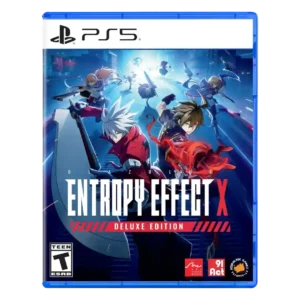
Onboarding improves in X for newcomers and hub streamlining, but several reviewers still say systems are poorly explained early on.
Pros: movement feel, skill tree depth
Cons: menu usability, HUD clarity