Best for menu usability
Absolum
5.0 feature score
Highest scored product for this feature based on supporting review evidence.
Highest scored product for this feature based on supporting review evidence.
Balances feature score, supporting reviews, and overall product strength.
Has the broadest review evidence for this feature.
Strongest overall product among items with scored evidence for this feature.
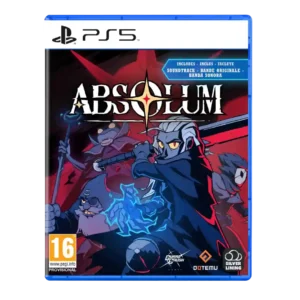
Menu usability received positive support for sleek, easy navigation.
Pros: mission design, world interactivity
Cons: quest design, endgame content
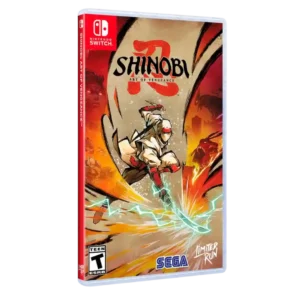
Menu usability is praised through the clean, easy-to-navigate interface that removes friction around fast travel and play.
Pros: graphics quality, environmental detail
Cons: bug frequency, dialogue quality

Menus and navigation are praised for being awesome and easier to use than prior collection workflows.
Pros: emotional impact, sound design
Cons: cross-play support, boss design
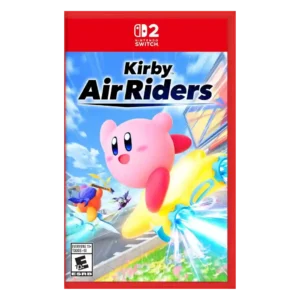
One review singled out the menus as sleek within a polished reward-heavy presentation.
Pros: flying mechanics, exploration quality
Cons: AI behavior, boss design
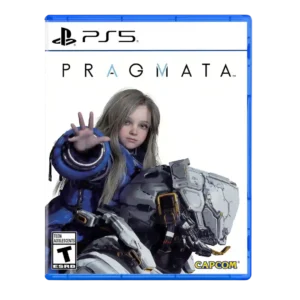
Menu usability receives positive evidence from reviewers who liked quick hub/loadout feedback and minimal menu friction.
Pros: bug frequency, user interface design
Cons: HUD clarity, mission design

Menu usability was praised as simple and easy to navigate.
Pros: atmosphere, voice acting
Cons: world interactivity, camera behavior
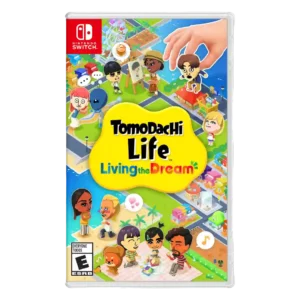
One review specifically praises the lack of bloated menus and the ability to jump directly to characters.
Pros: grind level, originality
Cons: social features, accessibility options

Menu usability is praised for cleaner maps and easy vehicle sorting.
Pros: open-world design, replay value
Cons: dialogue quality, writing quality
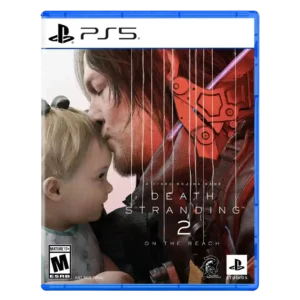
Menu usability is improved overall, especially radial menus and reworked menus, though some still found systems fiddly or clunky.
Pros: animation quality, facial animations
Cons: quest design, AI behavior
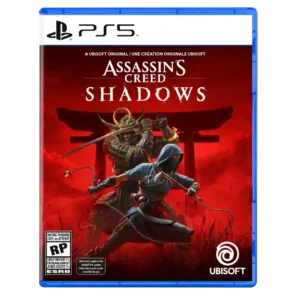
Menu usability is generally positive for clean systems, though character switching through menus was a noted friction point.
Pros: environmental detail, cross-save support
Cons: writing quality, enemy variety
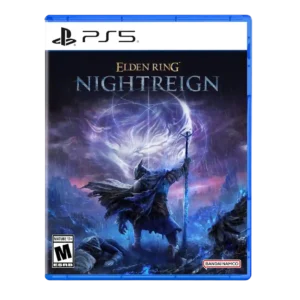
Menu usability improved post-launch through better relic filtering options.
Pros: emotional impact, visual effects quality
Cons: crash stability, cross-play support
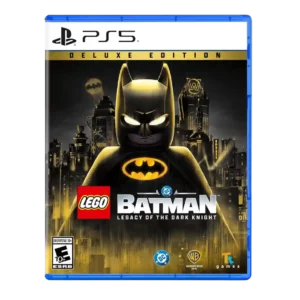
Menu usability has limited positive evidence around in-world shops, which one reviewer preferred over buying from a grid.
Pros: pacing, core gameplay loop
Cons: companion AI, map and navigation design
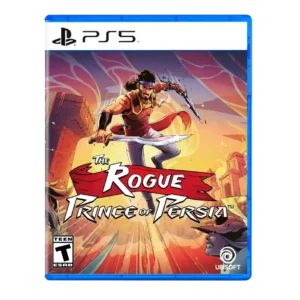
Menu usability received limited positive support from update coverage mentioning UI and menu tweaks.
Pros: crash stability, HUD clarity
Cons: character development, visual effects quality

Review evidence supported this attribute with mixed reviewer sentiment.
Pros: core gameplay loop, controls responsiveness
Cons: crash stability, cross-save support
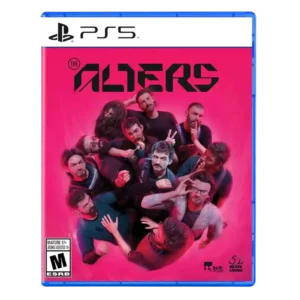
Menu usability was generally positive thanks to quality-of-life tools, though some reviewers found navigation old or menu-jumping cumbersome.
Pros: controls responsiveness, onboarding experience
Cons: crash stability, grind level
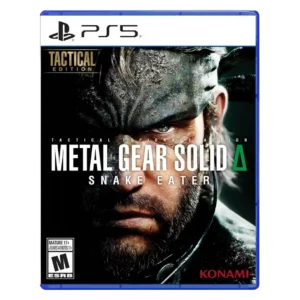
Menu usability improves through camo shortcuts, radial menus, and snappier access, though some reviews still criticize healing or control-menu friction.
Pros: world interactivity, sandbox freedom
Cons: crash stability, learning curve
Menu and ability-wheel usability was mixed; some quality-of-life systems helped, but radial wheels and limited hotkeys disrupted combat for others.
Pros: tutorial quality, level design
Cons: stealth mechanics, endgame content
Menu usability was mixed, with praise for tracking but complaints about Arts/menu friction and inaccurate or issue-prone menus.
Pros: protagonist appeal, art direction
Cons: camera behavior, tutorial quality
Menu and inventory usability was mixed, with praise for loot filters but criticism of the small inventory and missing gem bag.
Pros: lore depth, art direction
Cons: mission variety, protagonist appeal

Menu usability is mixed, balancing an intuitive car collection display against bloated menus.
Pros: controls responsiveness, movement feel
Cons: tutorial quality, animation quality
Menu usability improved in many places but still drew complaints for cumbersome navigation or small/hard-to-read text.
Pros: emotional impact, polish
Cons: bug frequency, crash stability
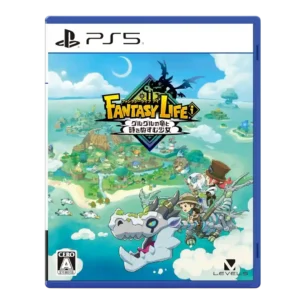
Menu usability is mixed: some systems become convenient, but quest/menu digging can feel taxing.
Pros: load times, crash stability
Cons: originality, voice acting
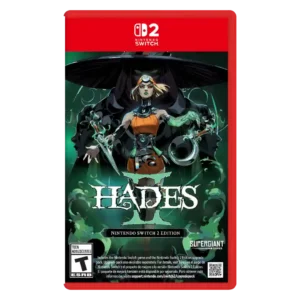
Menu usability has a small caveat: one reviewer struggled to locate item sub-menus, though it did not meaningfully hurt the experience.
Pros: skill tree depth, dialogue quality
Cons: emotional impact, economy and resource balance
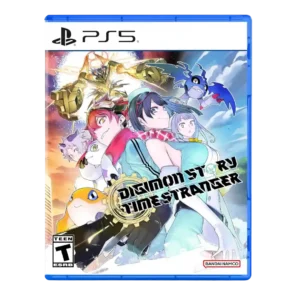
Menu usability was a major tradeoff, with streamlining praised but DigiFarm/evolution menu separation and training menuing often criticized.
Pros: atmosphere, world-building
Cons: HUD clarity, fast travel convenience
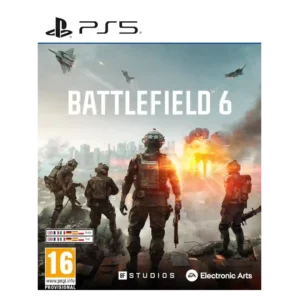
menu usability was mixed: some queue tools helped, but menus were also called unintuitive.
Pros: haptic feedback integration, performance optimization
Cons: pacing, microtransaction impact
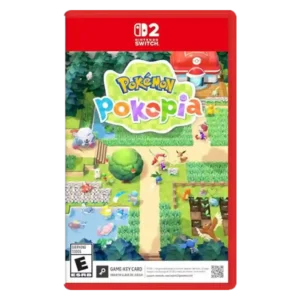
Menu and inventory usability were a major caveat, especially storage management, though one reviewer liked item pictures.
Pros: protagonist appeal, faithfulness to franchise
Cons: map and navigation design, aiming precision
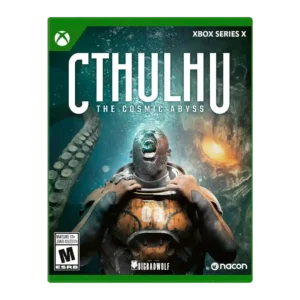
Menu usability was mixed, with some finding the mental map useful but several calling it fiddly, finicky, cluttered, or disorganized.
Pros: world-building, world interactivity
Cons: enemy variety, stealth mechanics
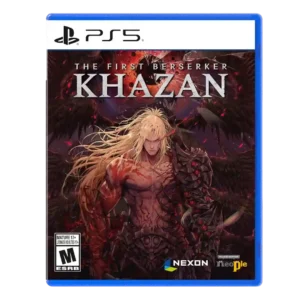
Menu usability is mixed: one loot process is streamlined, but other reviewers find respec and gear menus annoying or time-consuming.
Pros: core gameplay loop, controls responsiveness
Cons: mission design, learning curve
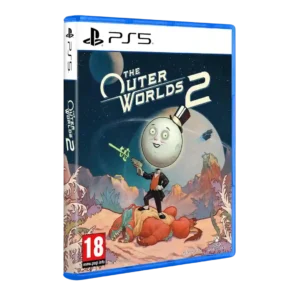
Menus and inventory drew mixed-to-negative reactions, especially inventory patience, UI bugs, and clutter.
Pros: world-building, mission design
Cons: mission variety, enemy variety
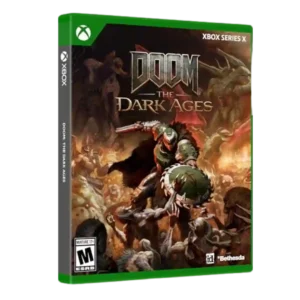
Menu usability was mixed, with one reviewer criticizing melee switching and another wanting clearer difficulty-slider explanations.
Pros: environmental detail, polish
Cons: camera behavior, value for money
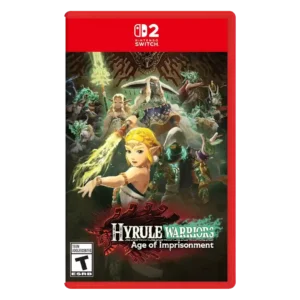
Menu usability was criticized in direct evidence for a long single-row menu.
Pros: animation quality, multiplayer design
Cons: save system reliability, companion AI
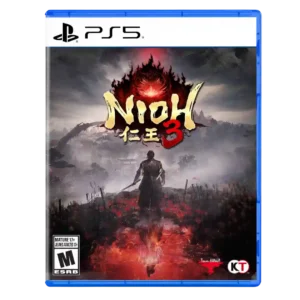
Menu usability was a repeated drawback, with reviewers citing convoluted systems, cluttered menus, and too much menu busy work despite mitigation tools.
Pros: pacing, visual effects quality
Cons: tutorial quality, character roster

Menu usability is mixed to negative because the lobby hub often replaces a straightforward menu and makes simple mode selection feel cumbersome.
Pros: movement feel, world-building
Cons: save system reliability, mission variety
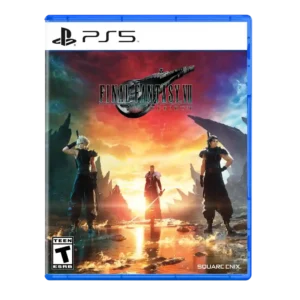
Menu usability has a notable complaint around the lack of saveable loadouts for equipment and Materia setups.
Pros: world-building, art direction
Cons: mission design, stealth mechanics
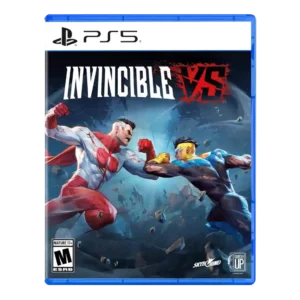
Menu usability had a quality-of-life concern around the inability to skip repeated intros and cutscenes in alpha.
Pros: immersion, frame rate stability
Cons: user interface design, bug frequency
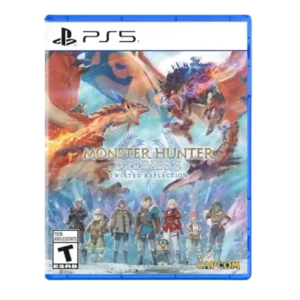
Menu usability was criticized when Excursions and skill differences were not clearly explained.
Pros: art direction, environmental detail
Cons: multiplayer design, accessibility options
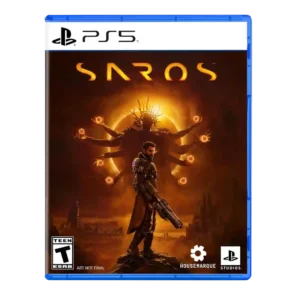
Menu usability had limited negative evidence, focused on hidden information and unclear equipment-screen navigation.
Pros: value for money, fun factor
Cons: map and navigation design, side character depth
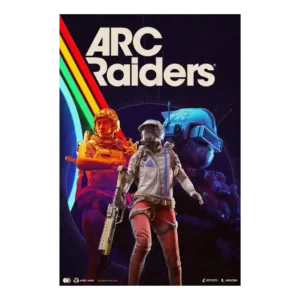
Menus and stash handling were one of the most common frustrations, especially on console and between raids.
Pros: frame rate stability, platform-specific feature support
Cons: voice acting, writing quality

Menu usability had some friction, especially around settings, friends, and navigation.
Pros: movement feel, art direction
Cons: platforming precision, writing quality
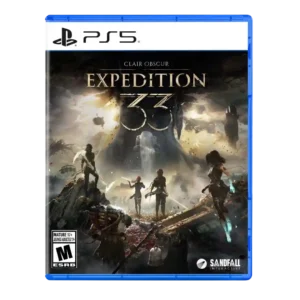
Menu usability was a repeated drawback, especially when managing long Picto and Lumina lists.
Pros: monetization fairness, microtransaction impact
Cons: platforming precision, menu usability
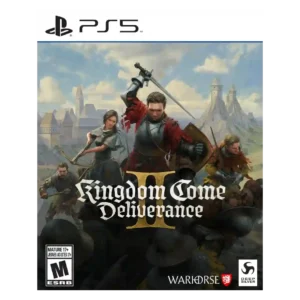
Menu usability was mixed to negative, with some praise for navigation but others calling the menu system dire or frustrating.
Pros: soundtrack quality, fun factor
Cons: checkpoint system, family friendliness
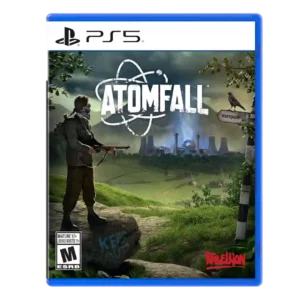
Menu usability was criticized for small issues adding up and for leads or clues not being organized well.
Pros: art direction, frame rate stability
Cons: boss design, camera behavior
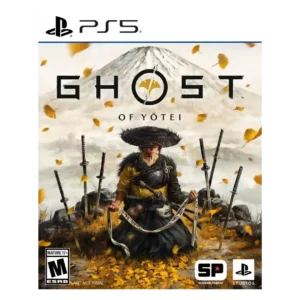
Menu usability has a specific criticism around a hard-to-see reticule and low-contrast text.
Pros: movement feel, environmental detail
Cons: puzzle design, age appropriateness
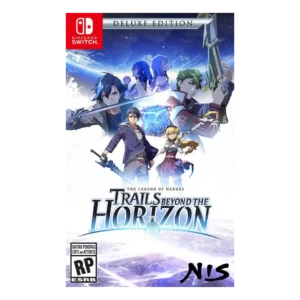
Menu usability was criticized by one reviewer who stumbled through the large menu collection and forgot mechanics.
Pros: facial animations, polish
Cons: grind level, stealth mechanics
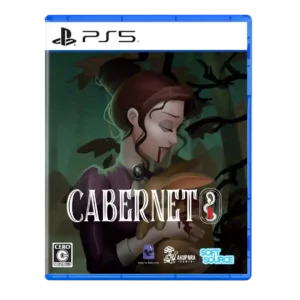
Menu usability was a recurring complaint on controller and Switch, with reviewers criticizing cursor-based menus, small text, and lack of button navigation; one PC-focused review found the menu effective.
Pros: accessibility options, protagonist appeal
Cons: frame rate stability, polish
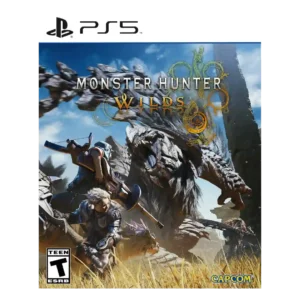
Menu usability was one of the weaker areas, with repeated complaints about confusing, buried, or hard-to-use menus.
Pros: art direction, cross-play support
Cons: dialogue quality, monetization fairness
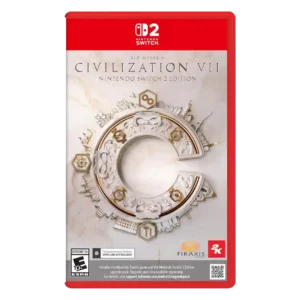
Menus were also divisive: a few reviewers liked simplified navigation, but many found menus painful, inconsistent, or poorly laid out.
Pros: animation quality, controls responsiveness
Cons: matchmaking quality, user interface design
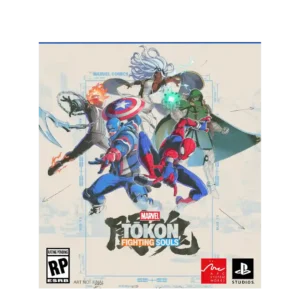
Lobby/menu usability is a repeated weakness, with reviewers disliking the arcade-cabinet system and its added friction.
Pros: emotional impact, frame rate stability
Cons: server reliability, tutorial quality
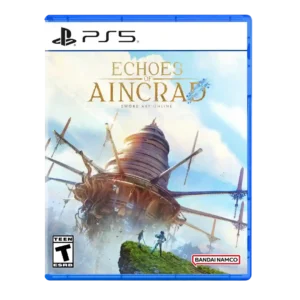
Menu usability was a frequent pain point, including equipment-change friction, icon-heavy menus, and odd town-only management decisions.
Pros: environmental detail, art direction
Cons: world interactivity, loot system
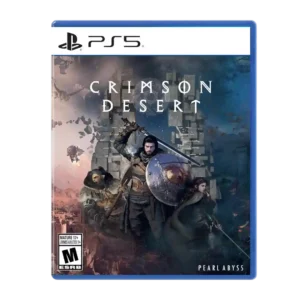
Reviewer evidence is negative or mixed: menu usability was often criticized, even where some reviewers found redeeming moments across 6 review(s).
Pros: level design, replay value
Cons: stealth mechanics, save system reliability