Best for combat system
Street Fighter 6
4.9 feature score
Highest scored product for this feature based on supporting review evidence.
Highest scored product for this feature based on supporting review evidence.
Balances feature score, supporting reviews, and overall product strength.
Has the broadest review evidence for this feature.
Strongest overall product among items with scored evidence for this feature.
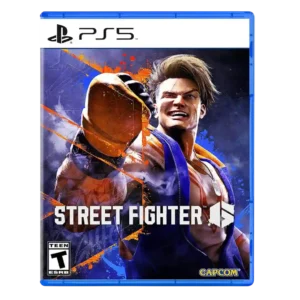
The core combat is the strongest point: reviewers call it technical, expressive, world-class, and built around a Drive system that creates constant options and counters.
Pros: onboarding experience, animation quality
Cons: platforming precision, quest design

Combat is one of the strongest areas: reviewers call it fast, satisfying, tactical, and deeper thanks to casts, omega attacks, mana, and more deliberate battlefield control.
Pros: world interactivity, side character depth
Cons: grind level

The core fighting was described as excellent, with the actual moment-to-moment combat standing out most.
Pros: gameplay mechanics, combat system
Cons: user interface design, menu usability
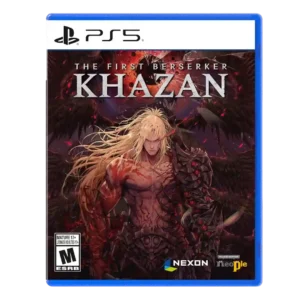
Combat is the game’s defining strength, consistently praised for its speed, depth, and rewarding parry-dodge interplay.
Pros: value for money, performance optimization
Cons: companion AI, protagonist appeal
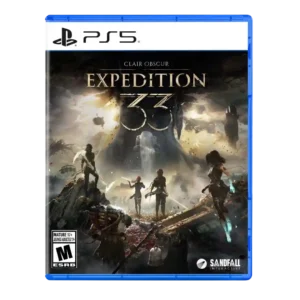
Combat is the most consistently praised gameplay system, combining turn-based structure, timing, parries, buildcraft, and tactical choices.
Pros: world-building, crash stability
Cons: platforming precision, map and navigation design
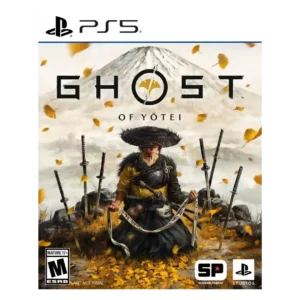
Combat is the strongest consensus point: reviewers repeatedly praise its fluid parries, weapon swapping, duels, and violent momentum, with only a few reservations about repetition or rigidity.
Pros: load times, art direction
Cons: family friendliness, age appropriateness
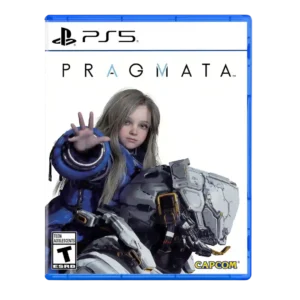
Combat is the clearest consensus strength: most reviewers highlight the real-time hack-and-shoot system as satisfying, inventive, tactile, and often exceptional, though one notes occasional clunkiness.
Pros: crash stability, bug frequency
Cons: accessibility options, map and navigation design
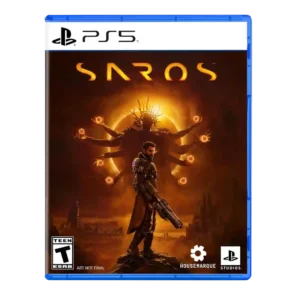
The combat is the most consistently praised area, with reviewers calling out bullet-hell intensity, aggressive shield play, precise dodging, parrying, and flow-state shooting. The few caveats focus on repetition or...
Pros: load times, visual effects quality
Cons: side character depth, map and navigation design

The combat system is the game's strongest pillar, combining 3v3 tag mechanics, accessible inputs, assists, supers, and enough depth for competitive play.
Pros: animation quality, frame rate stability
Cons: cross-play support, load times
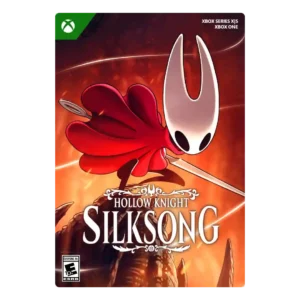
Combat is widely praised as fast, precise, rhythmic, and expressive, with Hornet's agility and tool options creating dynamic fights despite the harsh damage model.
Pros: value for money, sound design
Cons: loot system, camera behavior
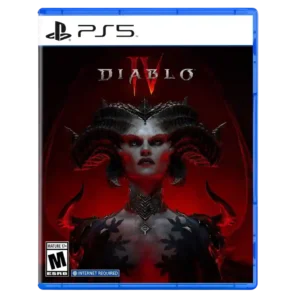
Reviewer evidence is broadly positive: combat system reviewers repeatedly treat it as one of Diablo IV's strengths, especially around demon-slaying feel, class abilities, and moment-to-moment combat.
Pros: cross-play support, faithfulness to franchise
Cons: family friendliness, age appropriateness
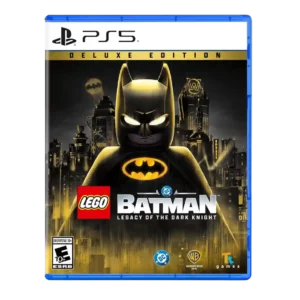
Combat is one of the strongest points across the evidence, repeatedly described as fluid, fun, punchy, Arkham-inspired, and deeper than expected.
Pros: voice acting, performance optimization
Cons: multiplayer design, monetization fairness

Combat was one of the strongest areas, repeatedly described as fluid, satisfying, refined, and among the best in the series despite easier fights.
Pros: cross-play support, atmosphere
Cons: dialogue quality, mission design

Combat is broadly seen as meaningfully reworked, with parries, faster attacks, chain takedowns, and more tool use while avoiding full RPG combat.
Pros: environmental detail, platform-specific feature support
Cons: DLC value, multiplayer design
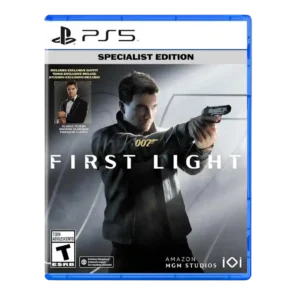
Combat is widely praised as cinematic, improvised, and flexible, mixing gunplay, melee, environmental attacks, and gadgets, with only a few hands-off caveats.
Pros: soundtrack quality, atmosphere
Cons: AI behavior, camera behavior

Combat is varied and generally enjoyable, using swords, guns, shooter sections, and action-platforming rather than one fixed battle style.
Pros: cross-play support, platforming precision
Cons: side character depth, matchmaking quality
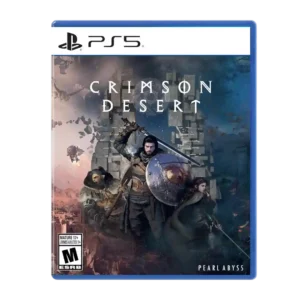
Combat is widely praised for its ferocity, depth, and variety, even though some reviews also note tedium or balance issues in longer encounters.
Pros: environmental detail, soundtrack quality
Cons: stealth mechanics, family friendliness
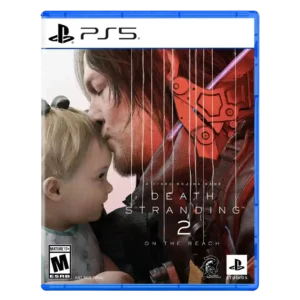
Combat was widely seen as improved, snappier, and more flexible, though a few reviewers found it clunky, overemphasized, or easier to avoid.
Pros: load times, haptic feedback integration
Cons: online stability, quest design

Combat is the most discussed strength: previews praise impact, tactics, combos, and depth, while beta critiques flag scrubby routes, touch-of-death pressure, and system balance problems.
Pros: world interactivity, visual effects quality
Cons: age appropriateness, family friendliness

Combat is framed as power-forward and brawler-like rather than precision-heavy, with enjoyment coming from impact and force.
Pros: load times, movement feel
Cons: enemy variety, platforming precision
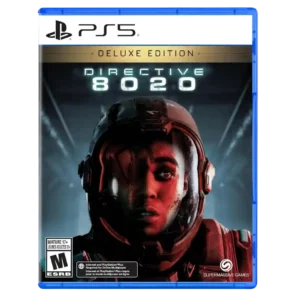
Combat appears limited and situational, centered on QTE struggles, a stun baton, or firearm moments rather than a full combat system.
Pros: immersion, accessibility options
Cons: onboarding experience, AI behavior
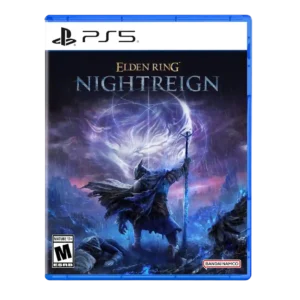
Combat is often described as excellent and energized by the new format, though one review finds it uneven in practice.
Pros: monetization fairness, movement feel
Cons: cross-play support, social features
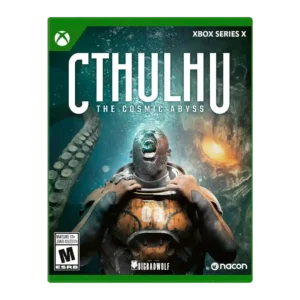
Combat is mostly absent or deliberately minimized; some reviewers welcomed the focus, while others found the rare action or combat-like moments clunky.
Pros: faithfulness to franchise, load times
Cons: platforming precision, stealth mechanics

Combat is functional but divisive: some reviewers enjoyed the late-game flow, while many still found it shallow or merely serviceable.
Pros: atmosphere, voice acting
Cons: family friendliness, camera behavior