Best for continuity
Invincible Season 4
5.0 feature score
Highest scored product for this feature based on supporting review evidence.
Highest scored product for this feature based on supporting review evidence.
Balances feature score, supporting reviews, and overall product strength.
Has the broadest review evidence for this feature.
Strongest overall product among items with scored evidence for this feature.
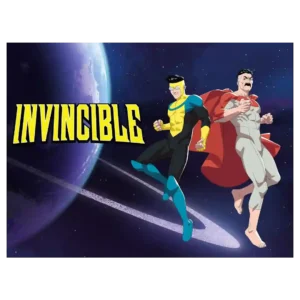
Long-running storylines finally pay off in ways that reward viewers who have followed the series for years. The season benefits from feeling like part of one connected epic rather than...
Pros: finale satisfaction, continuity
Cons: plot clarity, screenplay quality

Continuity with Season 1 is handled confidently. Reviewers like that the show carries forward trauma, relationships, and the real-time format without needing to reset or over-explain itself.
Pros: episode structure, main cast performance
Cons: age appropriateness, plot clarity
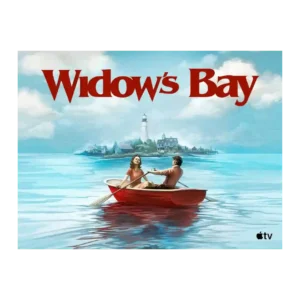
Continuity gets a positive nod where separate frights are pulled into a coherent seasonal story line.
Pros: episode structure, main cast performance
Cons: family friendliness, language level
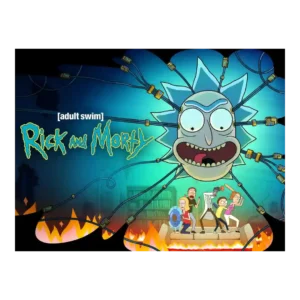
Continuity is one of Season 9’s defining strengths. Callbacks, payoffs, and a cohesive spine sit alongside mostly episodic adventures.
Pros: critic appeal, genre satisfaction
Cons: family friendliness, age appropriateness
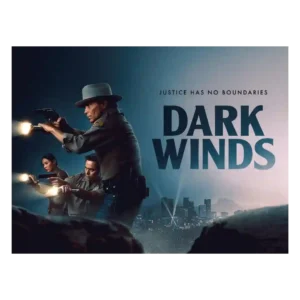
Season 4 is described as connected to both earlier character arcs and the already-ordered fifth season. Reviewers note that prior relationships, trauma, and storylines continue to shape the new case.
Pros: costume design, directing quality
Cons: family friendliness, age appropriateness
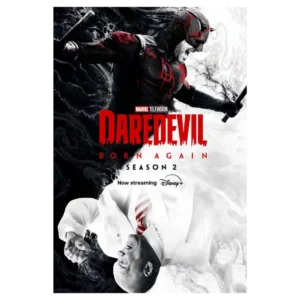
Season 2’s recurring visual and musical bookends help connect episodes and reinforce the larger arc, while its Netflix-era callbacks generally feel purposeful rather than random.
Pros: costume design, score quality
Cons: realism, plot clarity
The finale earns points for connecting earlier threads that once seemed disposable. That payoff makes the serialized elements feel more intentional for viewers who stuck with the season.
Pros: realism, cultural representation
Cons: age appropriateness, violence level

Continuity is strongest in the Gary episode, where reviewers felt the flashback fit neatly with what later seasons revealed about Richie and Mikey.
Pros: directing quality, cinematography
Cons: dialogue quality, plot originality

The season is praised for setting up what comes next while linking current events to the final run. That forward motion helps Season 3 feel connected to the series endgame.
Pros: drama quality, finale satisfaction
Cons: character development, season pacing
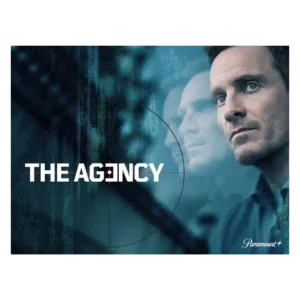
Season 2 is praised for picking up unresolved threads and connecting storylines that previously felt too separate. The flip side is that several reviewers recommend starting from the beginning to...
Pros: directing quality, bingeability
Cons: none

Season 2 carries forward the first season’s tone, family conflict, and comic rhythm smoothly. Some established relationships—especially Jackie’s family role—receive less follow-through than expected.
Pros: media scrutiny portrayal, season finale quality
Cons: cancellation satisfaction, product placement
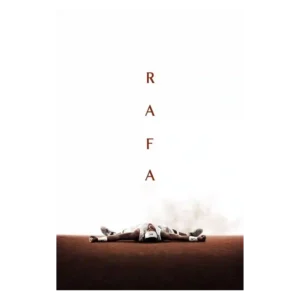
The contemporary and archival strands are described as blending smoothly. That continuity helps the series move between young Rafa and retiring Rafa without feeling disjointed.
Pros: genre satisfaction, soundtrack quality
Cons: writing quality, plot clarity
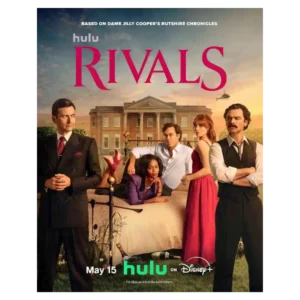
Season 2 resumes the established feuds, romances, and Rutshire tone smoothly, making the expanded story feel like a confident continuation.
Pros: score quality, critic appeal
Cons: character consistency, plot clarity
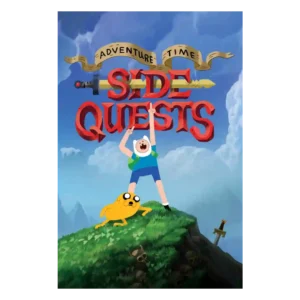
Continuity reactions are mixed. One reviewer appreciated that timeline issues did not surface, while others noticed canon-heavy callbacks or a possible King of Ooo inconsistency.
Pros: production design, animation quality
Cons: pilot episode quality, score quality

Continuity is a minor weakness, with one critic finding the timeline hard to follow. The jumps between hours, days, and weeks can blur in the season’s longer stretch.
Pros: genre satisfaction, main cast performance
Cons: family friendliness, violence level

Loose ends, unexplained healing, location logic, and shifting character behavior create noticeable continuity and internal-logic problems.
Pros: special effects quality, soundtrack quality
Cons: screenplay quality, series finale quality

Continuity and timeline readability are recurring problems. Even positive adaptation reviews wish the flashbacks had clearer visual distinctions between ages and eras.
Pros: directing quality, cinematography
Cons: character consistency, writing quality
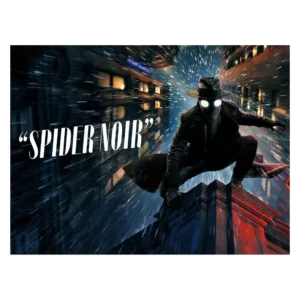
Continuity is a small but real sticking point for viewers trying to connect this version to Spider-Verse or comic-book versions. Reviews generally accept the standalone approach, but one calls the...
Pros: plot twists, cliffhanger effectiveness
Cons: family friendliness, age appropriateness

One mixed review felt the season’s shifting grief framework becomes disjointed enough to weaken its emotional continuity, especially when thematic structures are introduced and then abandoned.
Pros: main cast performance, suspense
Cons: world-building, language level

The compressed in-universe timeline makes the newlywed-to-adoption progression feel rushed for at least one critic.
Pros: supporting cast performance, acting quality
Cons: character consistency, screenplay quality
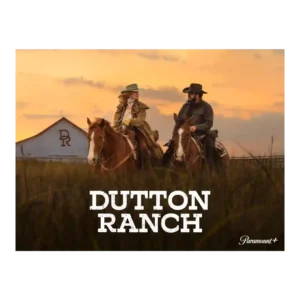
Continuity is a minor concern around how the wildfire and move away from Montana connect to the wider franchise. One review specifically questions whether related events will be addressed elsewhere.
Pros: cast chemistry, acting quality
Cons: continuity, cultural representation

Story logic is a recurring concern. Critics who mark the show down point to gaps, credibility issues, or characters reacting the way the plot needs rather than the way people...
Pros: acting quality, main cast performance
Cons: family friendliness, age appropriateness

Continuity is a major sticking point. The show works best as an alternate-universe comfort watch; taken as a literal prequel, it creates plot holes and undercuts the film.
Pros: cast chemistry, bingeability
Cons: episode length, episode pacing
The multi-year leaps can make each episode feel like it introduces new versions of the characters. Critics who struggled with the back half found the emotional and narrative transitions insufficiently...
Pros: season finale quality, screenplay quality
Cons: realism, rewatch value

Continuity is a concern where a major career-damaging event barely reverberates afterward. That lack of follow-through makes one big turn feel less consequential than it should.
Pros: directing quality, cast chemistry
Cons: family friendliness, language level
Continuity and internal follow-through are concerns in the more negative response. Unexplained situations and plot holes made the season feel loose rather than tightly engineered.
Pros: world-building, cinematography
Cons: finale satisfaction, season finale quality
Differences among the novel, The Handmaid’s Tale, and this sequel create noticeable strain. Aunt Lydia’s history and the shortened timeline are the most frequently questioned points.
Pros: supporting cast performance, realism
Cons: family friendliness, sexual content level
Continuity is the most repeated complaint. Nikki’s importance, the new monsters, altered character arcs, and the lack of later references make the story difficult for many viewers to accept as...
Pros: world-building, production design
Cons: plot clarity, realism

A major drunk-driving crash is criticized for vanishing without a police report or consequences, creating a conspicuous break in narrative follow-through.
Pros: season finale quality, screenplay quality
Cons: character consistency, continuity
Archie’s shifting behavior is criticized for sacrificing continuity in characterization, moving between remorse and callousness as the plot requires.
Pros: screenplay quality, genre satisfaction
Cons: continuity, family friendliness