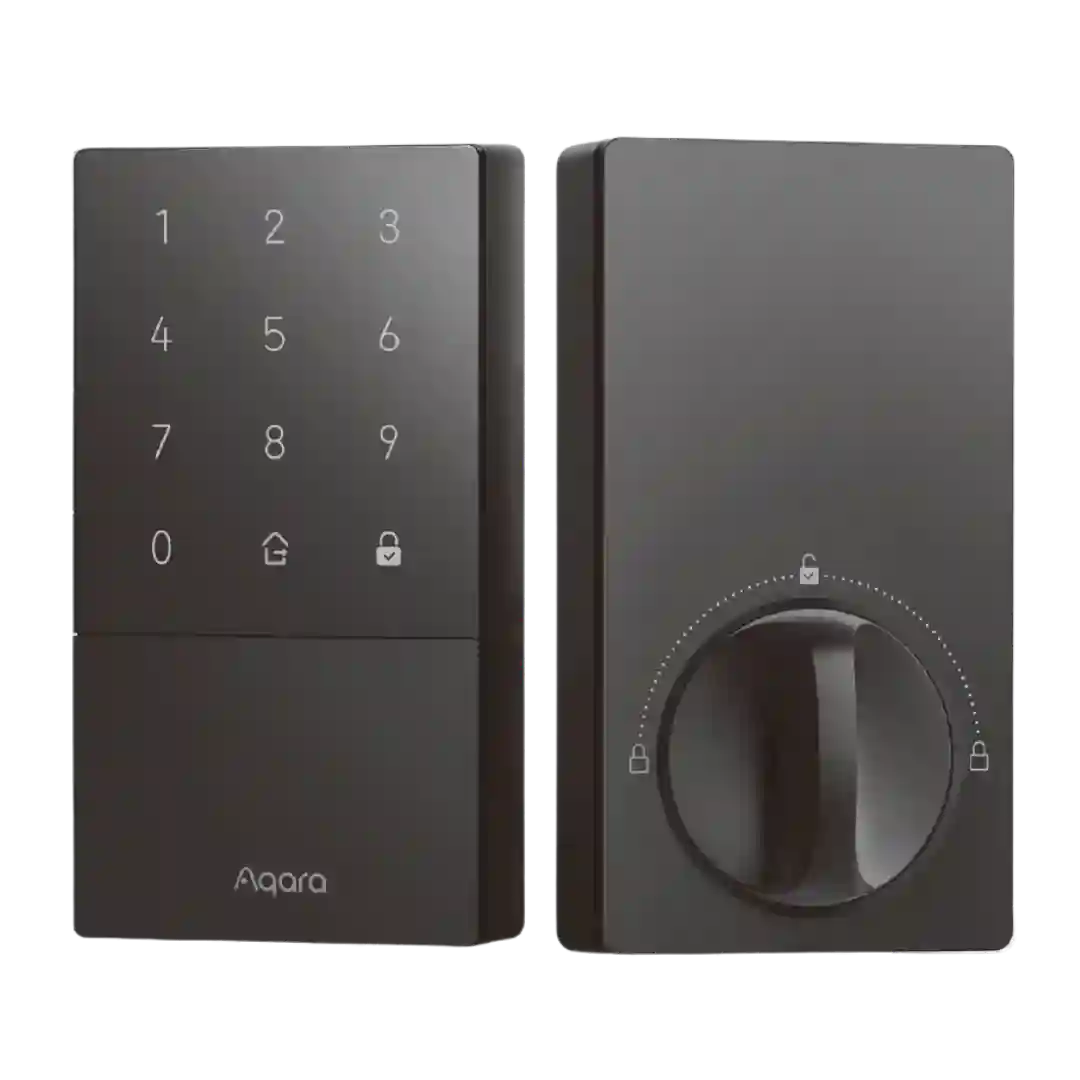
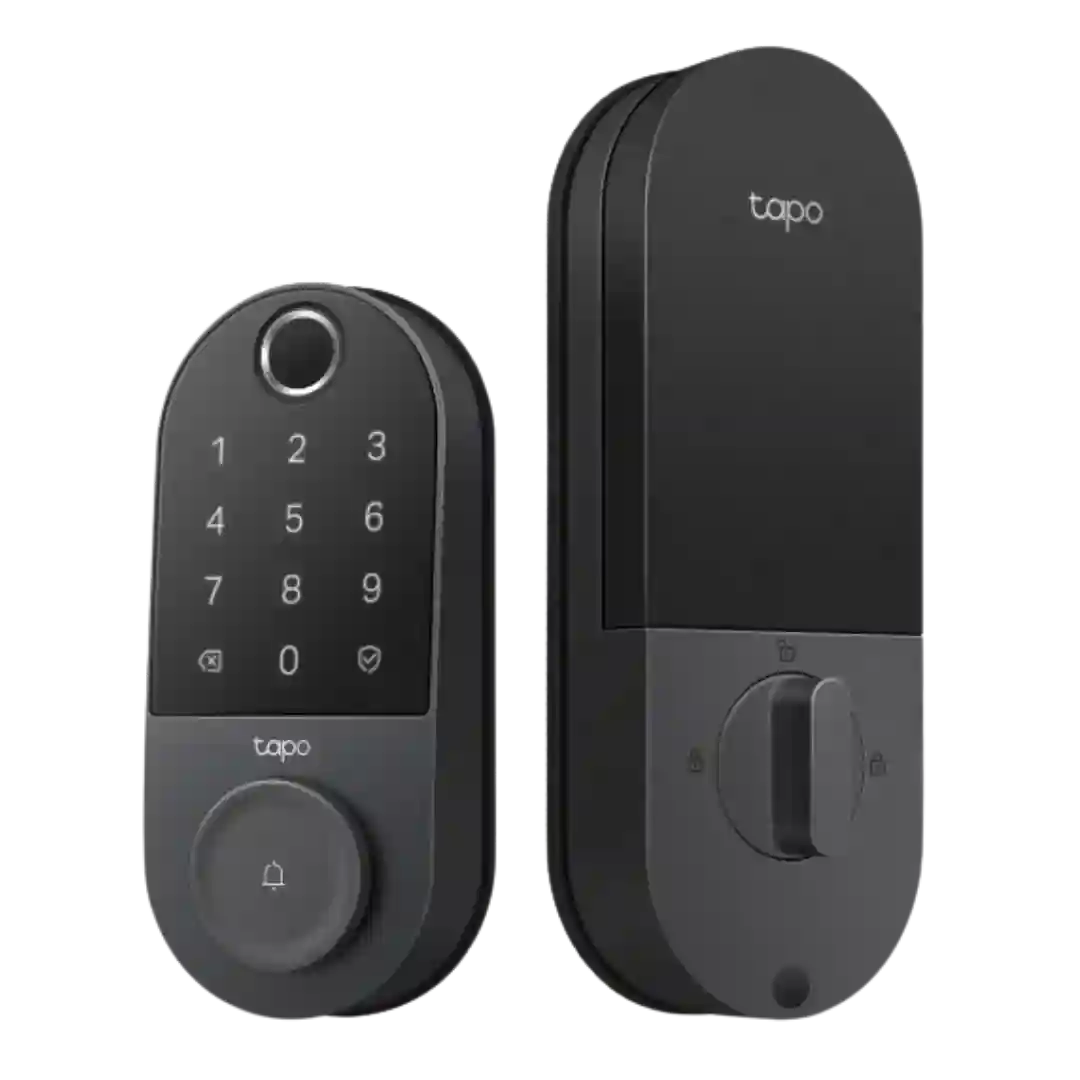
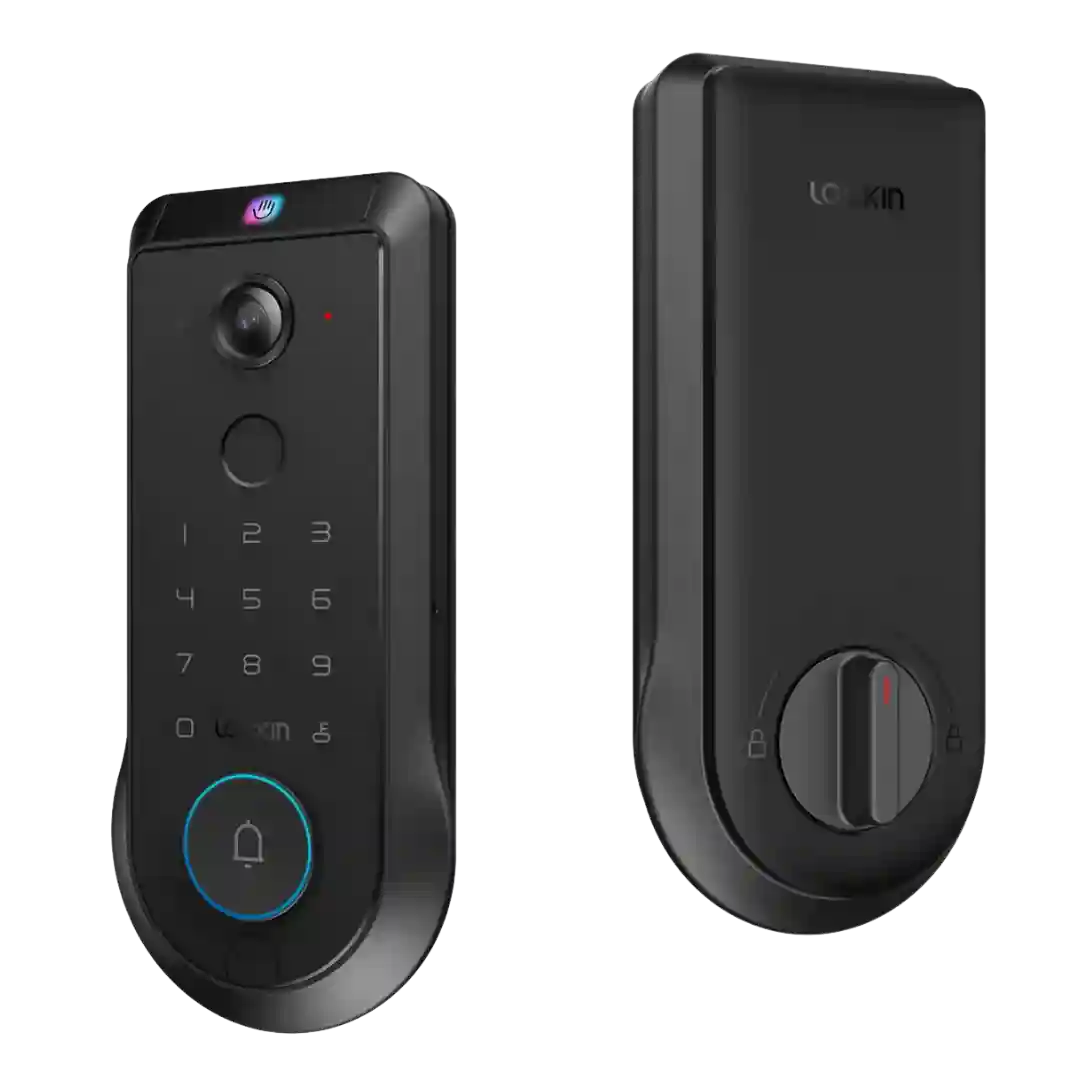
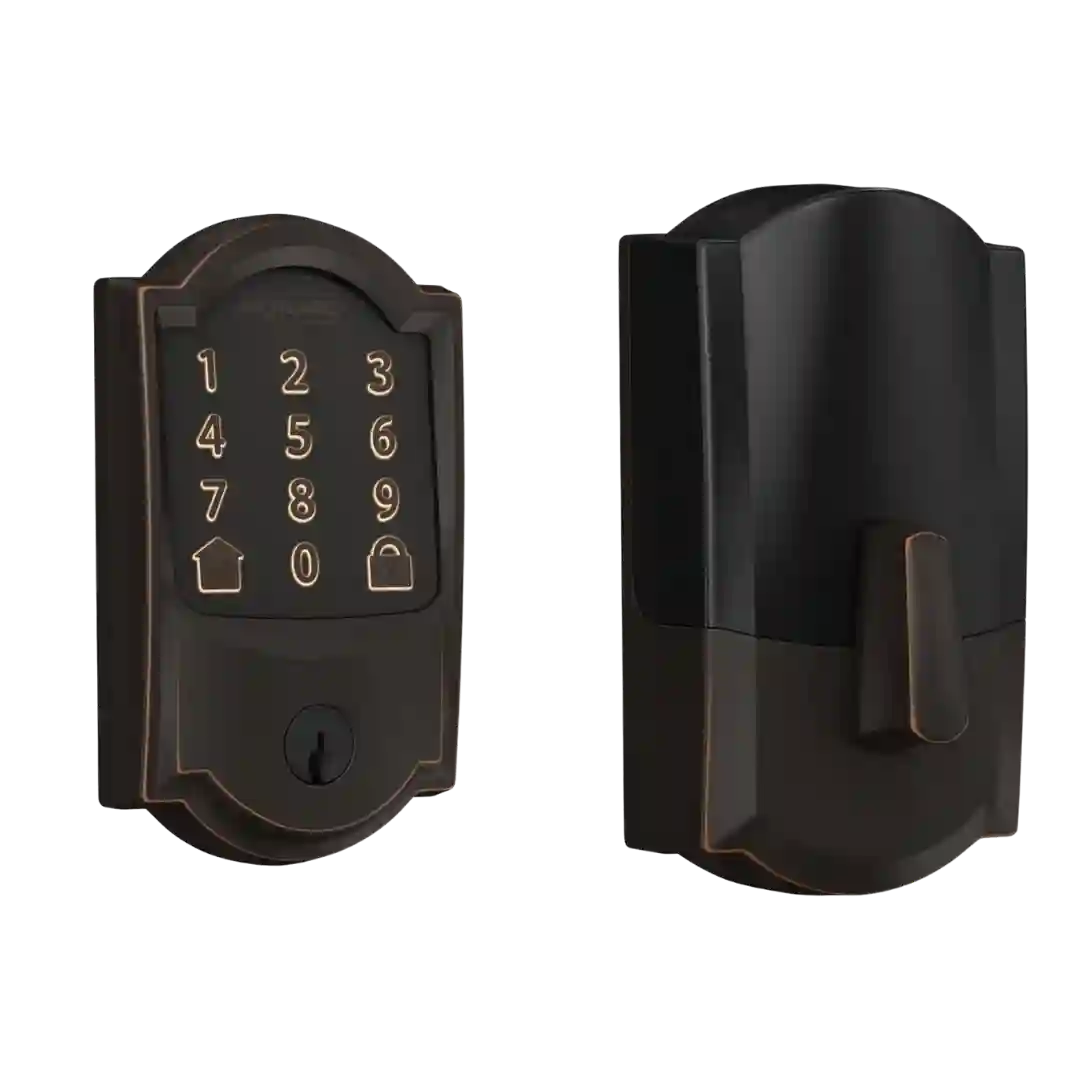
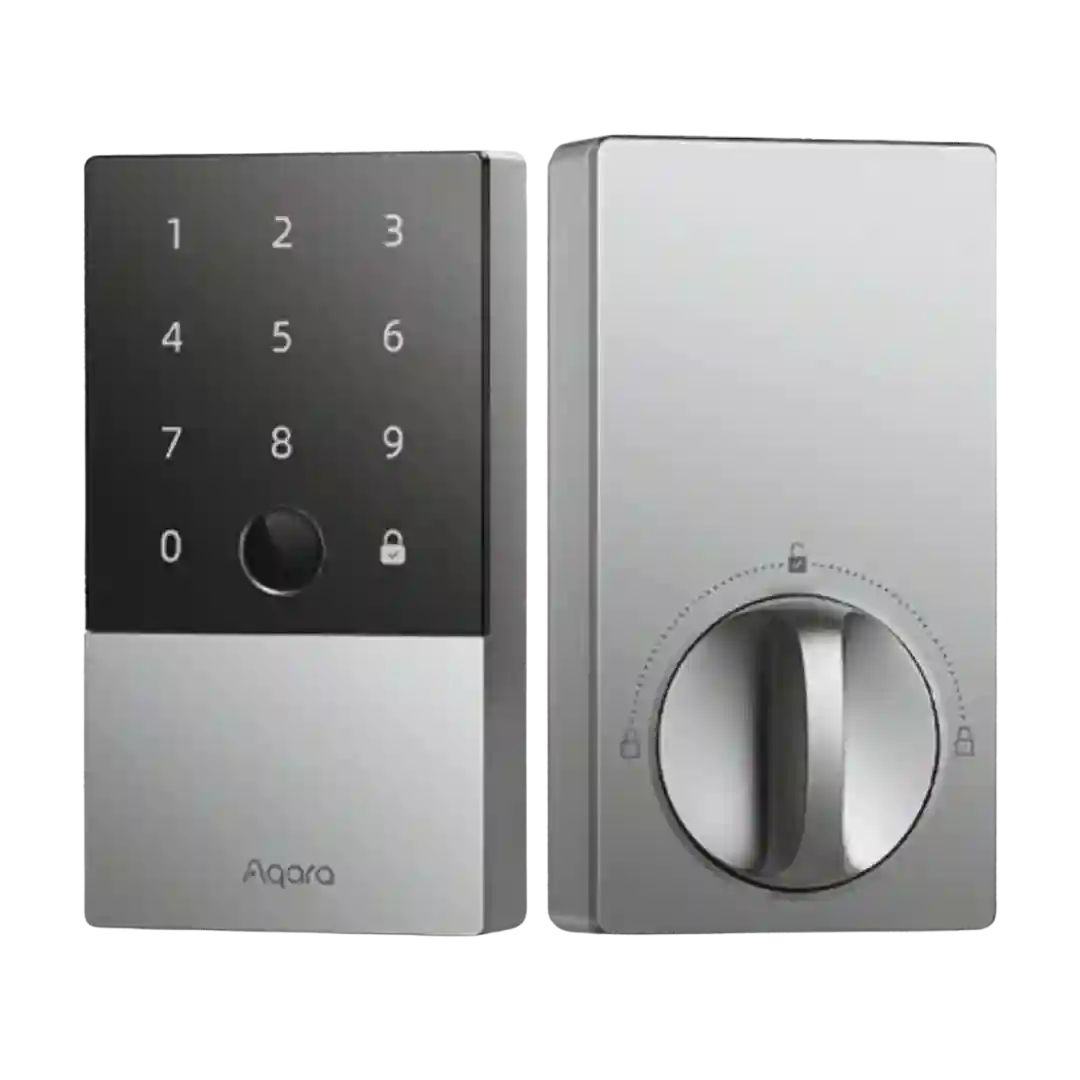
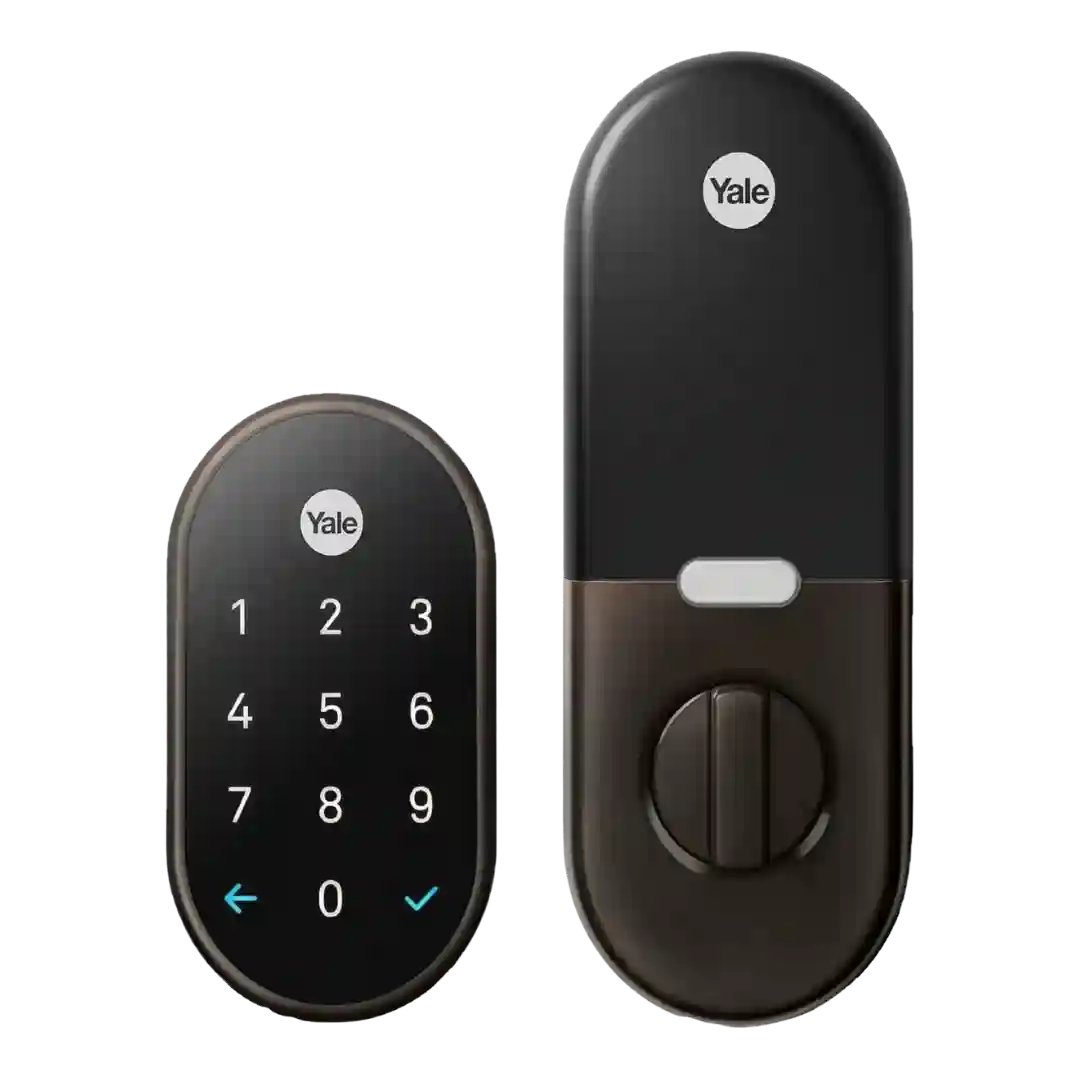
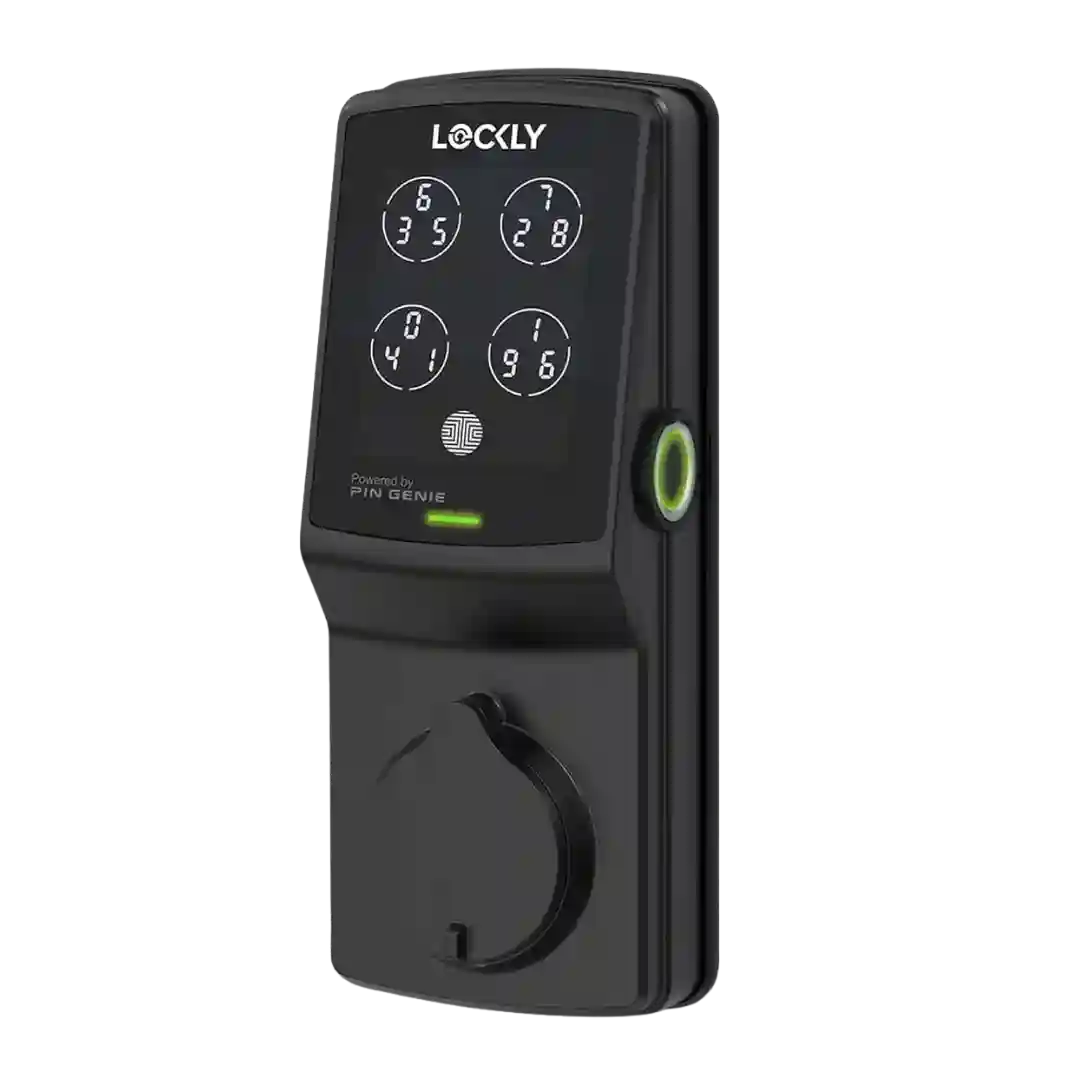
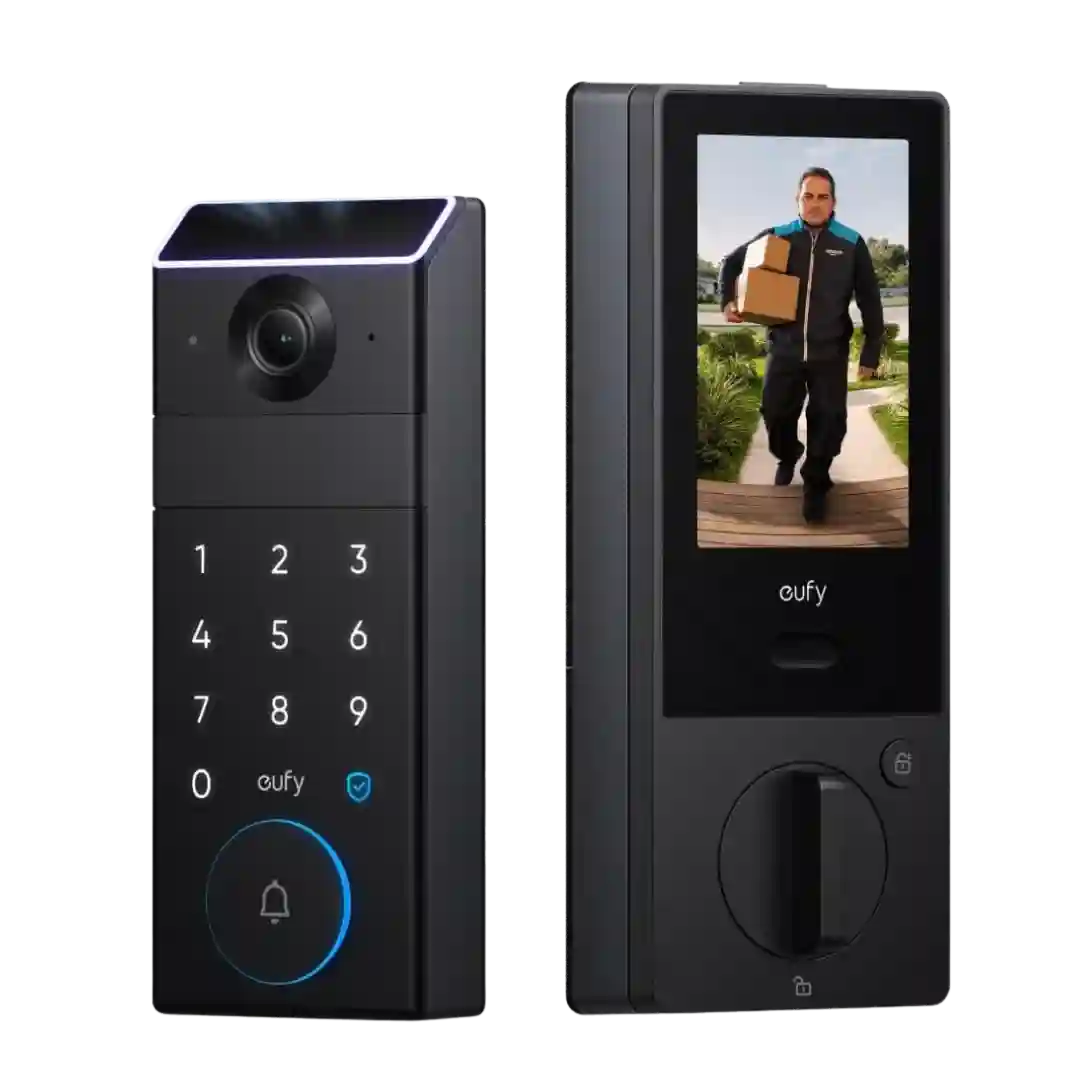
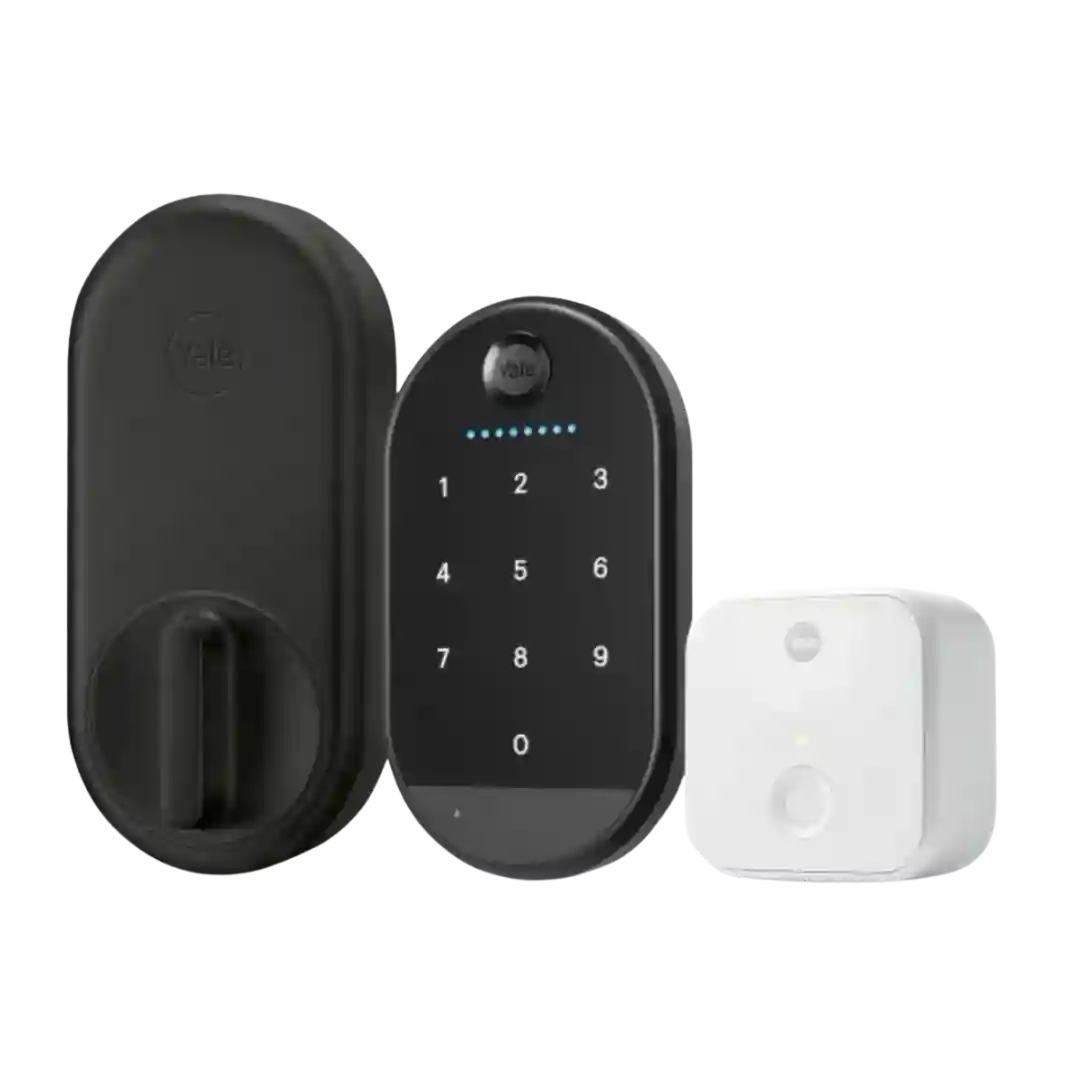
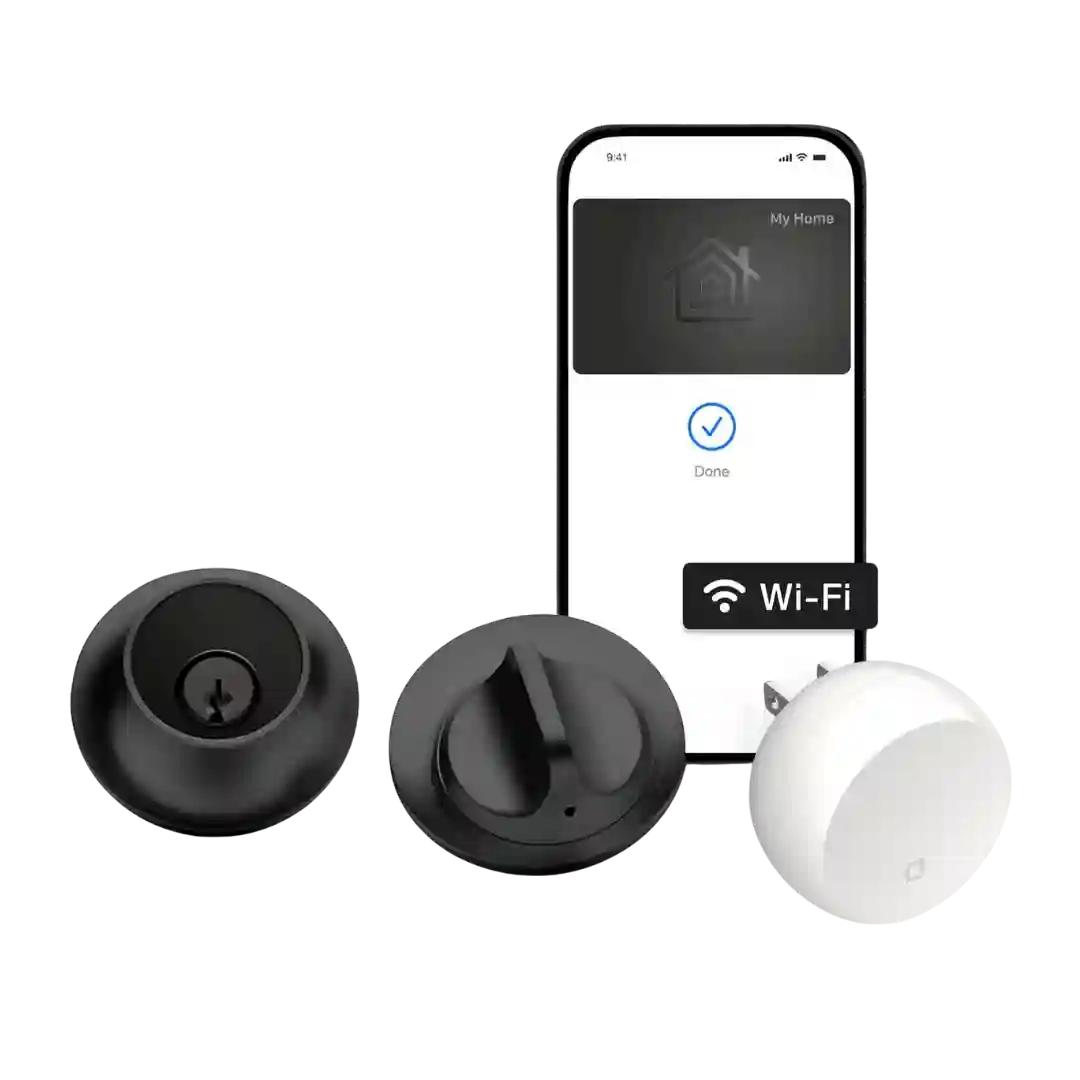
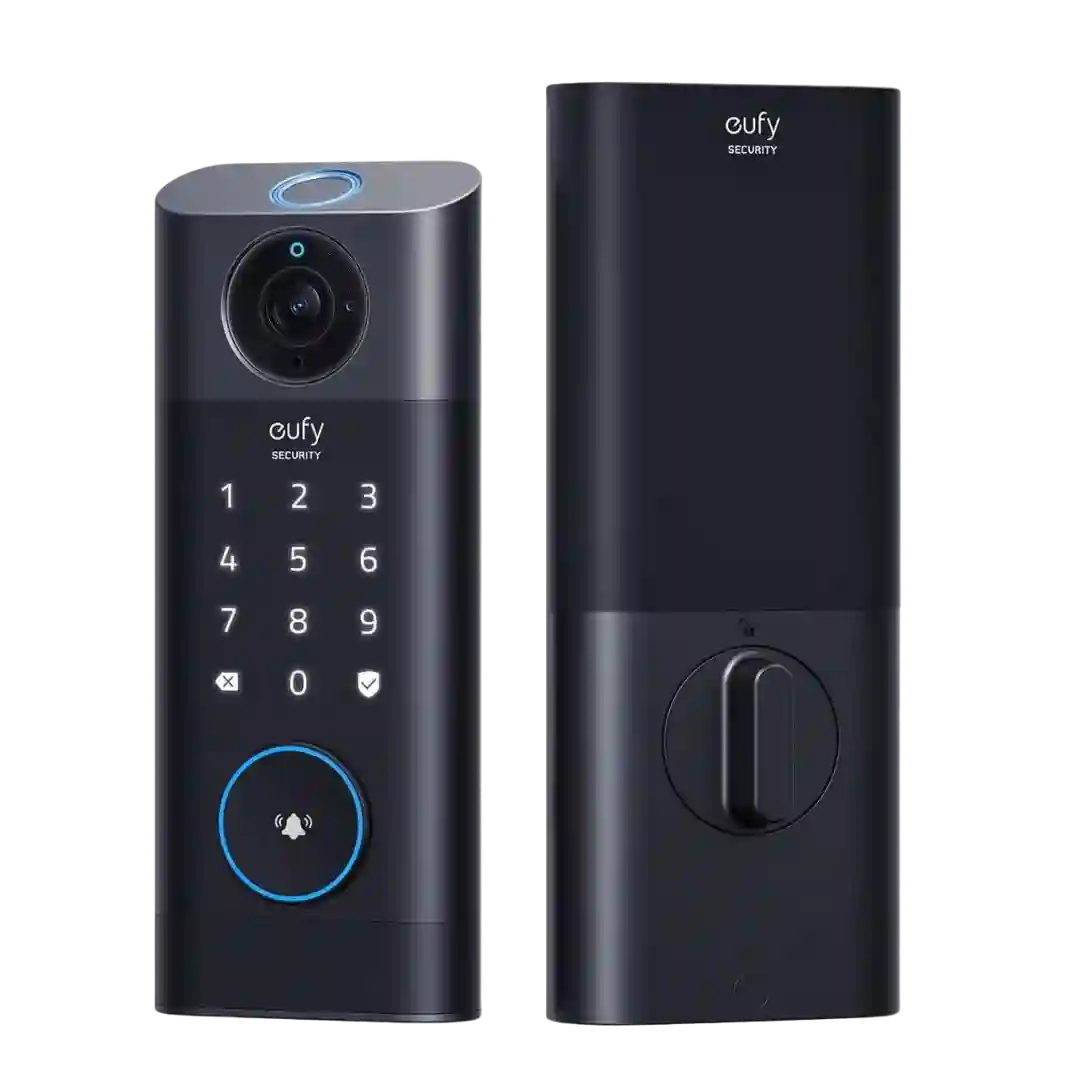
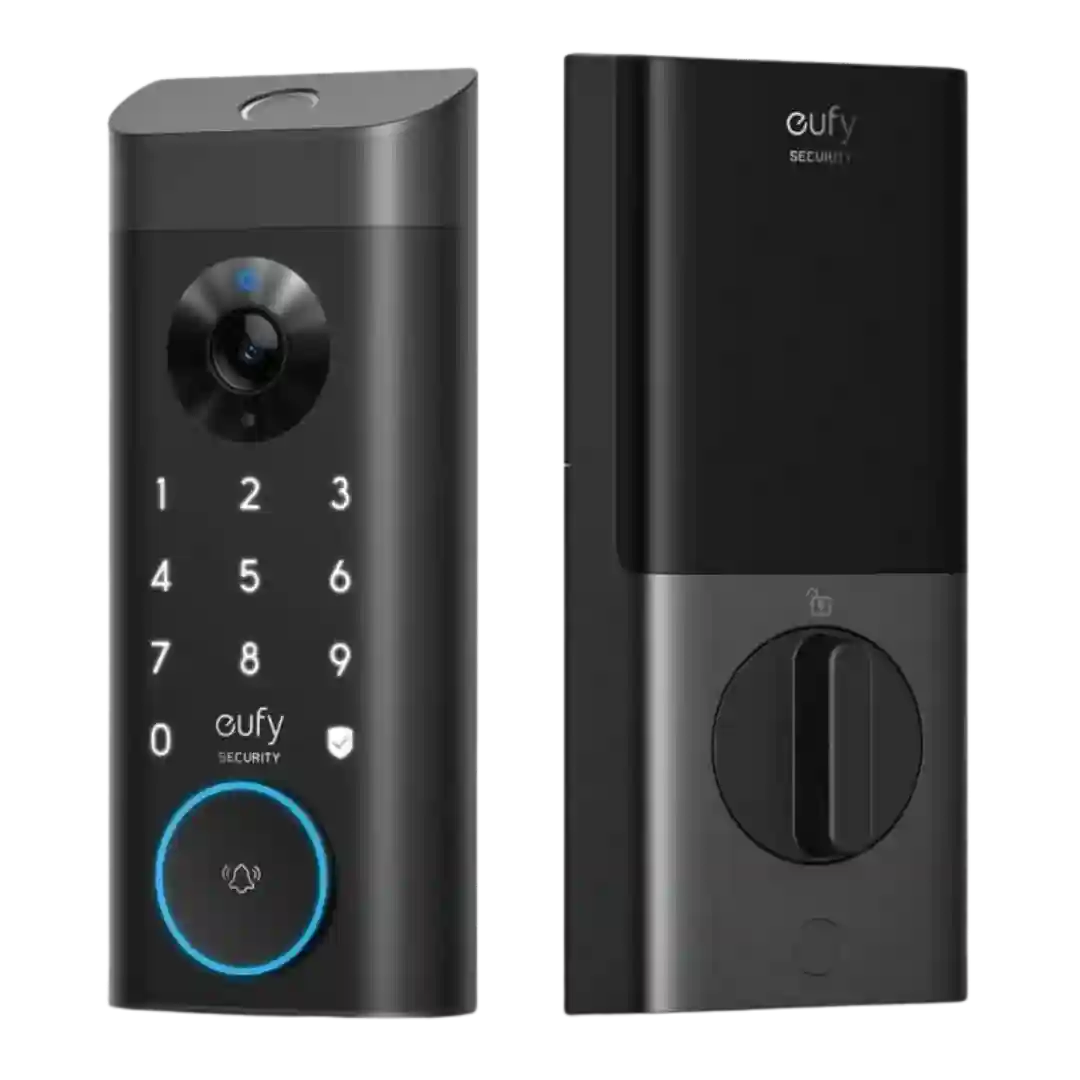
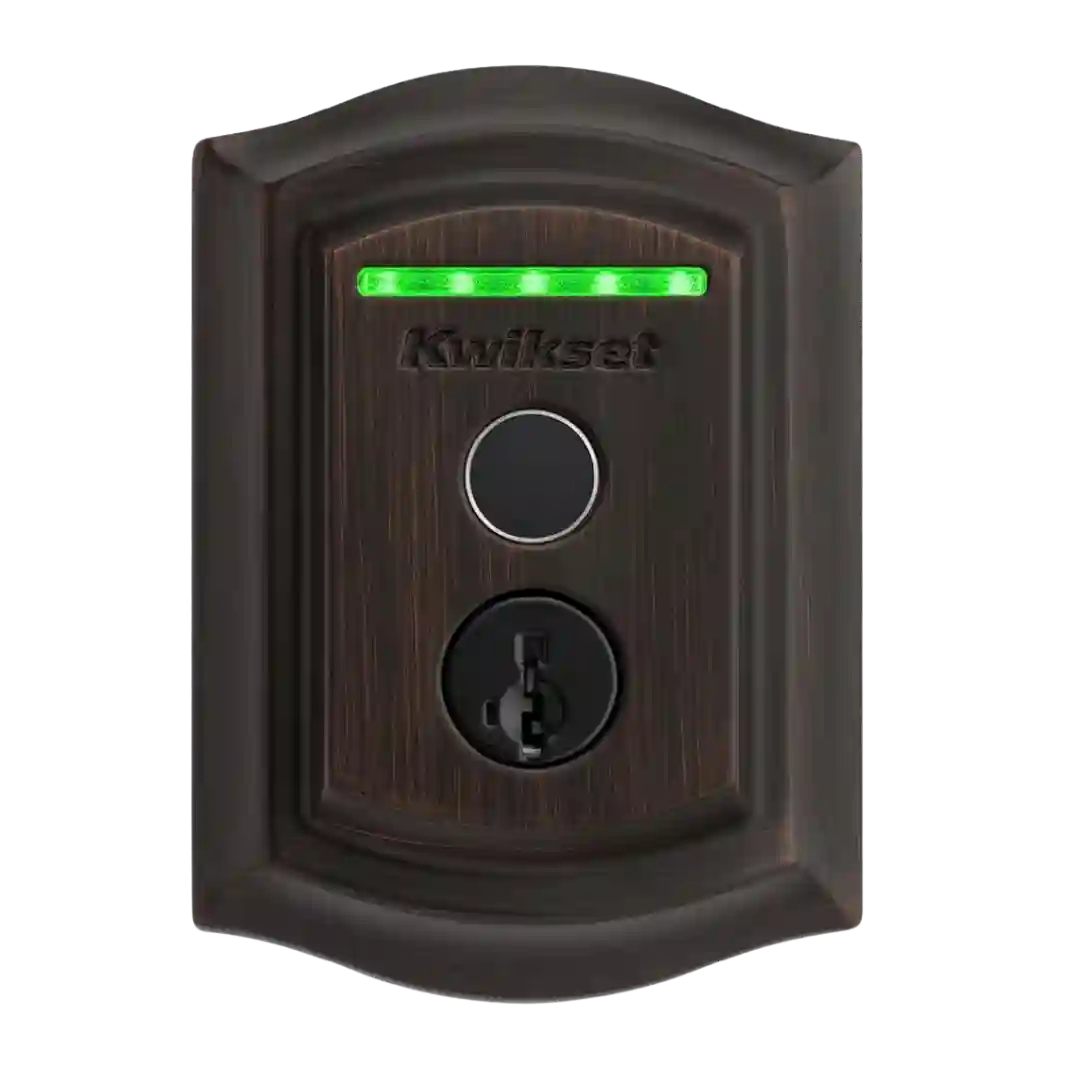
Door compatibility is generally presented as standard deadbolt fit for typical U.S. doors, with common door thickness and bore/backset ranges. Most installs are described as straightforward when replacing an existing deadbolt, with extra work mainly if drilling new holes or correcting alignment.
Most reviewers treat it as a standard full deadbolt replacement and report it fits typical doors without modifications when replacing an existing deadbolt. Included templates and multiple bolt sizes help accommodate different door thicknesses.
Multiple reviewers describe the lock as fitting most standard U.S. doors as a full deadbolt replacement. Compatibility is generally not a blocker when replacing an existing deadbolt.
Compatibility is a selling point, with multiple reviews emphasizing broad support for different lock types and door styles, including some tricky setups. Still, outliers exist where adapters don’t fit without modification, and some door mechanics (like lift-to-lock handles) require user habits or delays to work smoothly.
Multiple strike/bolt plate options help the lock fit many common deadbolt cutouts, but proper alignment matters to avoid binding or abnormal bolt behavior.
Door fit is generally described as a standard deadbolt swap with included templates/hardware and support for common door thicknesses (with some mention of thicker-door hardware), but multiple reviewers recommend checking door measurements/compatibility before buying.
One review provides specific door thickness and bore-fit guidance and generally treats the lock as compatible with standard deadbolt installs; the main fit concern raised is bulk rather than incompatibility.
Door fit is largely standard for deadbolt replacements, though some installers needed to adjust strike alignment or manage a tight cable path; once aligned, operation is smooth even on slightly imperfect doors.
Most reviews indicate compatibility with standard deadbolt doors, and several note included adapters/rings to handle different bore sizes. Because it replaces the full lock assembly, it may be less suitable for situations where you must keep existing exterior hardware (some apartments/condos).
The lock generally fits standard doors and deadbolt cutouts, but many setup flows emphasize careful measuring and some owners report that small door/hardware variances can create mounting challenges.
Fits standard US deadbolt prep in most cases, including common door thickness ranges, but one reviewer noted it is less ideal for very thick doors without modification.
Door compatibility is typical for a full deadbolt swap, but the lock performs best when the door closes cleanly and the bolt slides smoothly into the strike.
Fits many standard single-cylinder deadbolt doors, but door prep matters: small misalignment can cause friction or latch issues. Measure carefully and expect occasional hole/strike adjustments on older hardware.
On standard deadbolt doors, installation is usually straightforward, but several reviews note fit issues on certain frames or holes that require filing, chiseling, or enlarging. Checking door type and measurements upfront matters.
Most reviewers report compatibility with standard doors, but at least one install required extra door prep (strike/side bracket work) and the weight can make alignment more sensitive.
Fit is generally standard for a deadbolt replacement, but the bulky exterior/interior escutcheons can be a visual and physical presence. Several reviews warn the interior screen is less useful on doors with glass, and screen or storm doors can obstruct the camera view or visitor interaction.
Reviews say it fits most standard single-cylinder deadbolts, but compatibility is not universal. Some call out non-supported lock types and edge cases (such as uncommon tailpiece designs), and multiple reviewers note the motor is sensitive to tight or misaligned door hardware.
Fit is best on standard deadbolt-prepped doors that close smoothly. Several reviews stress that misalignment, shallow strike holes, or the Lock+ round bolt/battery design can cause extra tweaking on some doors.
Door fit is usually straightforward, but some doors may need extra attention: shallow strike-plate depth can trigger calibration failures, and tight tolerances mean misalignment can prevent reliable locking.
It fits standard deadbolt doors well, but compatibility gets worse with deep jambs, screen doors, unusual spacing, or layouts that block the camera's view.
Compatibility is mostly standard for deadbolt doors, but reviews disagree at the thin end: one installer struggled on a 1-3/8 inch door, while another warns against doors under 1-3/4 inches.