#1

Choose the ROG Harpe II Ace for ultralight FPS play, precise tracking, smooth glide, and web-based tuning. Skip it if you need palm-grip support, MMO buttons, onboard profiles, or long...
Pros: acceleration control, wireless latency
Cons: onboard memory, MMO gaming suitability
#2
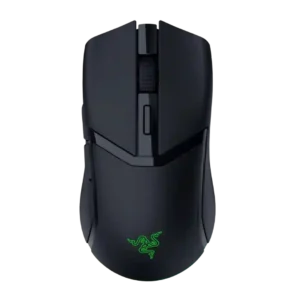
Best for a light, precise wireless mouse with great battery life and strong controls. Skip it if loud clicks, extra-cost 8K or charging accessories, or a very small shape bother...
Pros: 2.4GHz connectivity, surface compatibility
Cons: click noise, software stability
#3
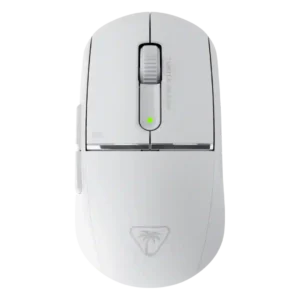
Choose the Burst II Pro for a very light, responsive wireless FPS mouse with strong battery life and deep tuning. Skip it if creaky sides, softer clicks, a polarizing rear...
Pros: wireless latency, surface compatibility
Cons: RGB features, firmware reliability
#4
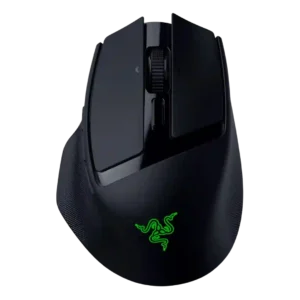
Good if you want a compact ergonomic mouse with strong wireless, battery life, and customization. Skip it if you need the smallest travel mouse, quiet clicks, a lower price, or...
Pros: ecosystem integration, sensor performance
Cons: AI Prompt Master, durability over time
#5
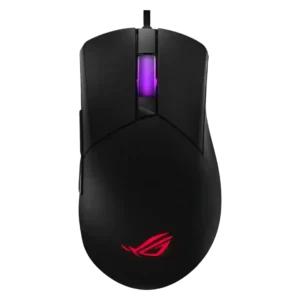
Best for hot-swappable switches, strong customization, smooth glide, and good value. Skip it if you need an ultralight shape, wireless-first freedom, or a low-profile mouse for wider or shape-sensitive hands.
Pros: onboard memory, software stability
Cons: handedness options
#6
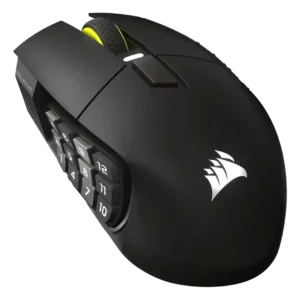
Choose it if you want a premium MMO/productivity mouse with 12 adjustable side buttons, strong battery life, and Stream Deck integration. Skip it if you need an ultralight FPS mouse,...
Pros: click latency, macro support
Cons: firmware reliability, tilt gesture controls
#7
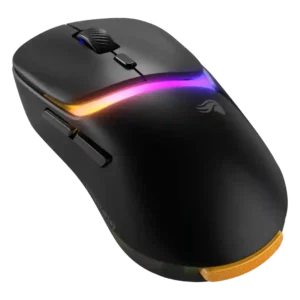
Good if you want a light, ergonomic wireless mouse with hot-swap batteries, strong tracking, and simple software. Skip it if high price, weaker 8K battery life, RGB quirks, or the...
Pros: glide smoothness, sensor performance
Cons: grip texture, firmware reliability
#8
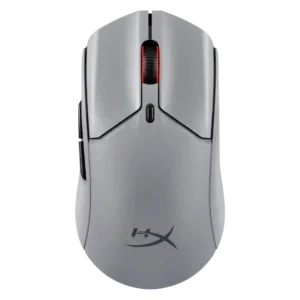
Good if you want a light, precise wireless mouse with strong FPS performance. Skip it if you can save with the regular Haste 2 or need deeper software, bolder RGB,...
Pros: motion consistency, wireless latency
Cons: palm grip comfort, software stability
#9
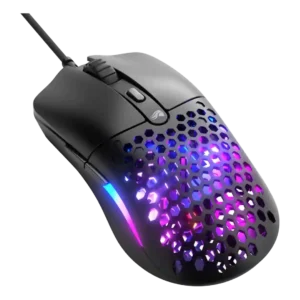
Best for a very light, responsive wired budget mouse with strong value. Skip it if you need wireless, premium cabling, large side buttons, or high-end polling rates.
Pros: value for money, click latency
Cons: water and dust resistance, cable flexibility
#10
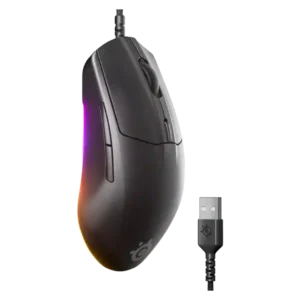
Best for a cheap, light gaming mouse with smooth glide, responsive clicks, and useful RGB. Skip it if you need palm-grip contouring, premium side buttons, or cleaner software.
Pros: connection stability, left and right click quality
Cons: palm grip comfort, profile switching
#11
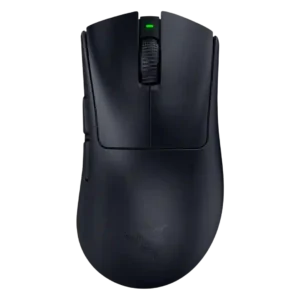
Choose the DeathAdder V4 Pro for elite FPS performance, comfort, battery life, and precise wireless control. Skip it if you want a cheaper, quieter, more portable, RGB-rich, or button-heavy mouse.
Pros: Accuracy and tracking precision, sensor performance
Cons: onboard memory, handedness options
#12
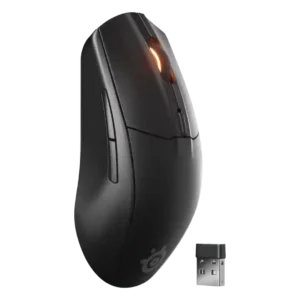
Choose it if you want an affordable wireless mouse with huge battery life, dual 2.4GHz/Bluetooth, solid comfort, and easy software. Skip it if you need ultralight competitive FPS speed, rich...
Pros: build quality, ergonomic design
Cons: handedness options, RGB features
#13
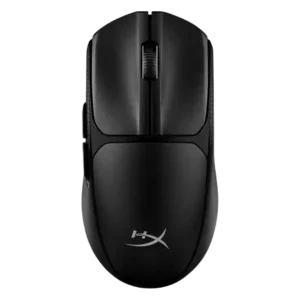
Good if you want affordable wireless gaming with solid 2.4GHz performance, long battery life, and light weight. Skip it if you need premium feel, strong RGB, true left-hand ergonomics, or...
Pros: wireless latency, Accuracy and tracking precision
Cons: side button quality, materials quality
#14
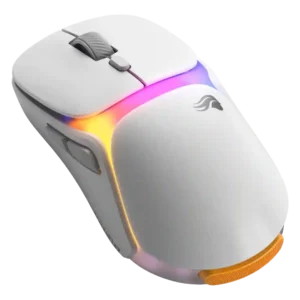
Good if you value cable-free battery swaps, a useful dock, and a comfortable lightweight feel. Skip it if you need flawless competitive wireless tracking, a crisper scroll wheel, or the...
Pros: battery life, programmable buttons
Cons: software stability, firmware reliability
#15
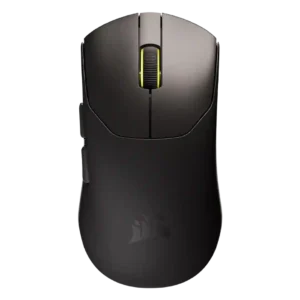
Good if you want an ultra-light FPS mouse with sharp tracking and minimal extras. Skip it if you need Bluetooth, strong battery life, richer software, or a more rigid premium...
Pros: connection stability, weight
Cons: click latency, cable flexibility