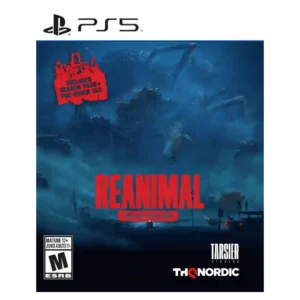
Set-piece and mission design are a consistent strength, with chase sequences, staged horror moments, and choreographed encounters repeatedly praised.
Pros: onboarding experience, environmental detail
Cons: family friendliness, movement feel
Set-piece and mission design are a consistent strength, with chase sequences, staged horror moments, and choreographed encounters repeatedly praised.
Pros: onboarding experience, environmental detail
Cons: family friendliness, movement feel
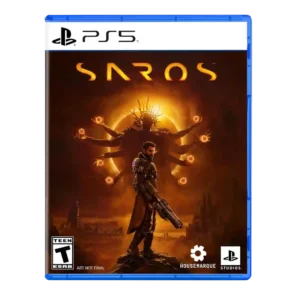
Optional challenge-space design was praised as brutal but rewarding.
Pros: value for money, fun factor
Cons: map and navigation design, side character depth
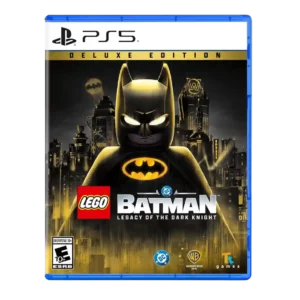
Mission design receives strong praise for compact plotting, length, structure, and hands-on fun across previews.
Pros: pacing, core gameplay loop
Cons: companion AI, map and navigation design
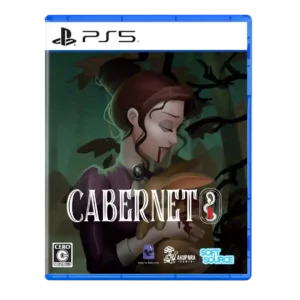
Mission structure received positive support from one review that highlighted varied tasks and fresh, engaging gameplay.
Pros: accessibility options, protagonist appeal
Cons: frame rate stability, polish
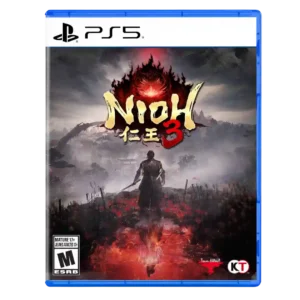
Mission and Crucible design were viewed positively, with reviewers noting more open paths, pressure-test encounters, and dungeon-like challenge.
Pros: pacing, visual effects quality
Cons: tutorial quality, character roster
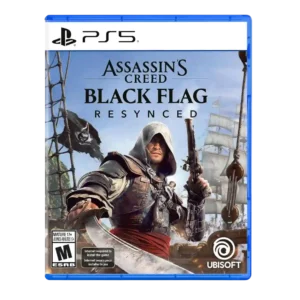
Mission design is mostly praised because tailing and eavesdropping no longer hard-fail instantly, though one reviewer worried the new approach weakens stealth tension.
Pros: core gameplay loop, visual effects quality
Cons: monetization fairness, microtransaction impact

Races and showcases are generally enjoyable or impressive, but some previews say events feel familiar or need more final-game context.
Pros: open-world design, replay value
Cons: dialogue quality, writing quality
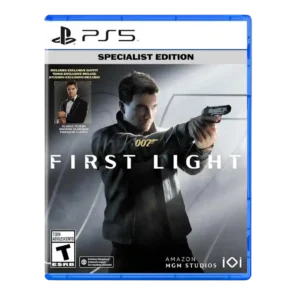
Mission design is generally praised for memorable settings, multiple approaches, and Bond fantasy, though one source calls some action-adventure structure generic.
Pros: level design, user interface design
Cons: AI behavior, facial animations
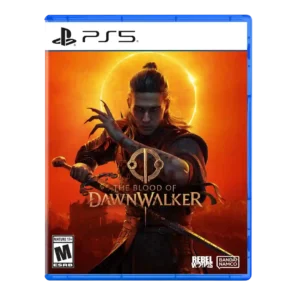
Mission design was praised for branching, multi-stage outcomes, but the prologue’s introductory errands were considered less interesting by IGN.
Pros: core gameplay loop, replay value
Cons: value for money, difficulty balance
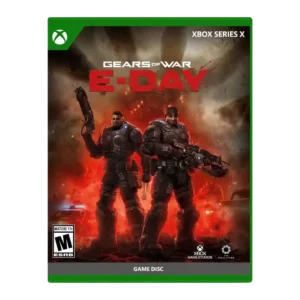
Optional encounters are described positively as giving players the choice to help or ignore situations.
Pros: emotional impact, art direction
Cons: value for money, platform-specific feature support
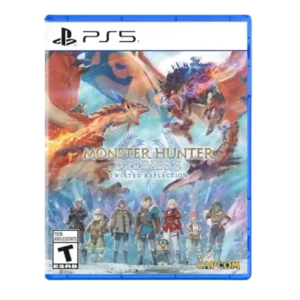
Mission objectives were described as quick and useful for making the world feel active.
Pros: art direction, environmental detail
Cons: multiplayer design, accessibility options
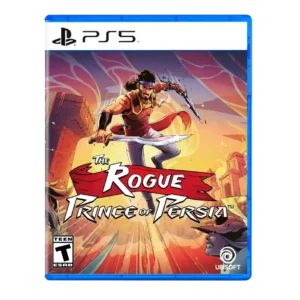
Mission design earned positive mention where objectives and clues gave players more agency during runs.
Pros: crash stability, HUD clarity
Cons: character development, visual effects quality
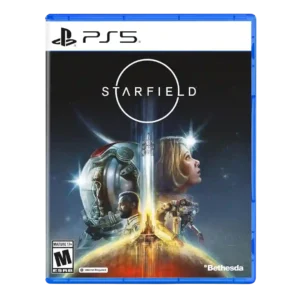
Mission design is uneven: some missions and factions are memorable, while others feel short, repetitive, or underdeveloped.
Pros: puzzle design, sound design
Cons: accessibility options, AI behavior
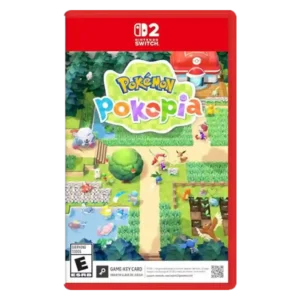
Mission design was useful for structure but sometimes too guided, rail-like, or busywork-heavy.
Pros: protagonist appeal, faithfulness to franchise
Cons: map and navigation design, aiming precision
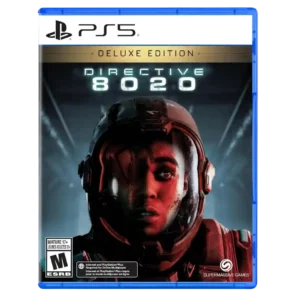
Mission design was mixed, ranging from time-flying engagement in one preview to a simple, dull objective in another.
Pros: user interface design, graphics quality
Cons: combat system, animation quality
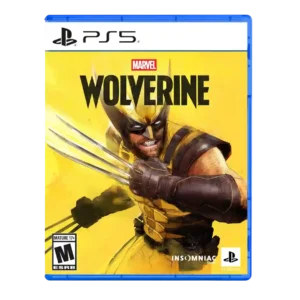
Mission design was split: one reviewer criticized canned set pieces, while another liked having different objective approaches.
Pros: environmental detail, graphics quality
Cons: gameplay mechanics, emotional impact
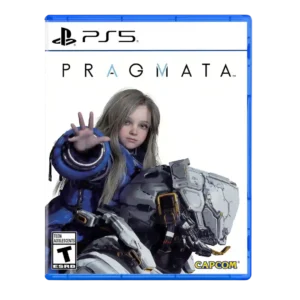
Mission design is mixed because some reviewers enjoyed the structure, while others criticized repeated lock-and-door objectives or formulaic area setups.
Pros: bug frequency, user interface design
Cons: HUD clarity, mission design
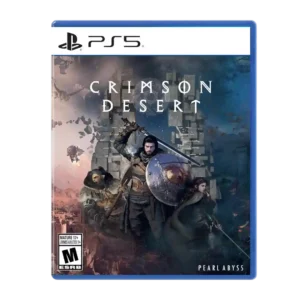
Reviewer evidence is negative or mixed: mission design was often criticized, even where some reviewers found redeeming moments across 6 review(s).
Pros: level design, replay value
Cons: stealth mechanics, save system reliability
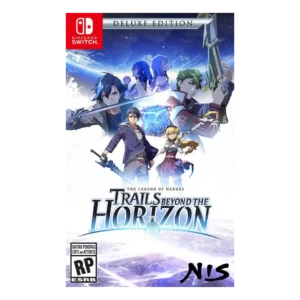
Mission design skewed negative where reviewers criticized recycled ideas, weak movie activities, or hidden critical lore that undermined the flow.
Pros: facial animations, polish
Cons: grind level, stealth mechanics