Best for battery cycle life
EcoFlow River 2
5.0 feature score
Highest scored product for this feature based on supporting review evidence.
Highest scored product for this feature based on supporting review evidence.
Balances feature score, supporting reviews, and overall product strength.
Has the broadest review evidence for this feature.
Strongest overall product among items with scored evidence for this feature.
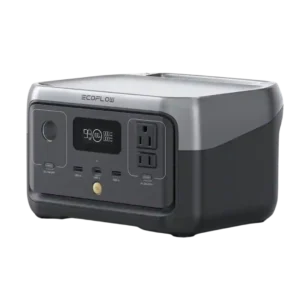
The 3,000-cycle rating is one of the product's strongest selling points, giving heavy users far more expected life than older NMC packs.
Pros: surge capacity, output stability
Cons: dual-input charging, whole-home integration
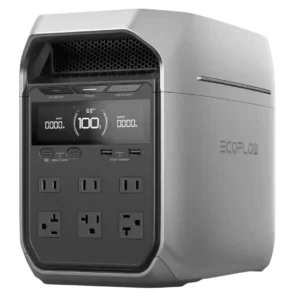
The 4,000-cycle rating is a major strength and supports many years of regular charging before capacity falls to 80%.
Pros: rated output, peak output
Cons: 30-amp output, parallel operation support
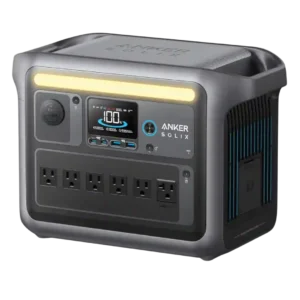
The 3,000-cycle rating is repeatedly viewed as enough for many years of regular charging and discharging.
Pros: power output, rated output
Cons: dual-input charging, cable storage
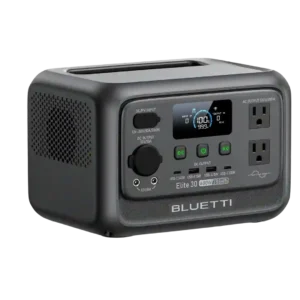
A 3,000-plus-cycle rating gives the pack an expected life measured in years rather than frequent replacement intervals. Owners replacing lead-acid UPS batteries see this as a major advantage.
Pros: rated output, output stability
Cons: over-voltage protection, cold-weather performance
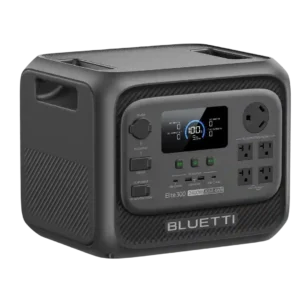
The 6,000-cycle rating is exceptional for the category and translates to many years of frequent use before capacity falls to 80%.
Pros: surge capacity, voltage regulation
Cons: water resistance, ventilation requirements
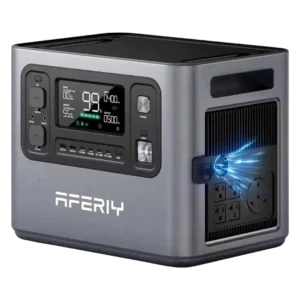
The 4,000-plus-cycle rating is a major selling point and supports expectations of roughly a decade of regular use.
Pros: rated output, peak output
Cons: app connectivity, voltage regulation
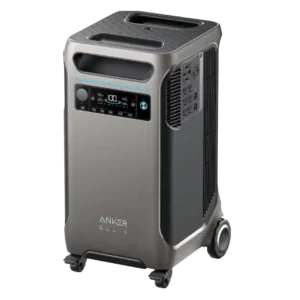
The LFP pack’s multi-thousand-cycle rating is seen as a major long-term advantage, especially for owners who plan to cycle it regularly.
Pros: rated output, output stability
Cons: car charging speed, USB-A ports
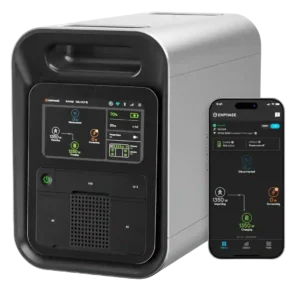
A 2,500-cycle rating and LFP chemistry point to years of typical backup and camping use.
Pros: rated output, output stability
Cons: runtime at full load, RV outlet
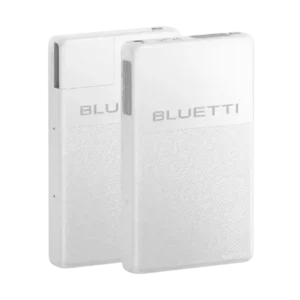
The roughly 4,000-cycle rating supports a service life measured in years rather than seasons.
Pros: power output, rated output
Cons: USB-A ports, 12-volt outlet
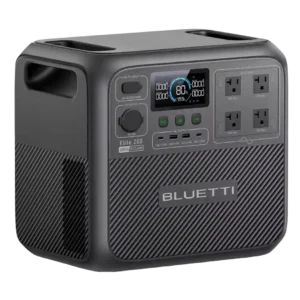
The 6,000-cycle rating is repeatedly highlighted as exceptional and a major reason to view the unit as a long-term purchase.
Pros: output stability, pure sine wave output
Cons: specification accuracy, startup reliability
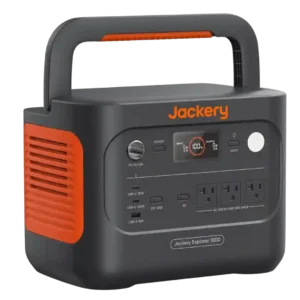
The 4,000-cycle rating earns near-universal praise and is repeatedly framed as enough for roughly a decade of frequent use.
Pros: rated output, peak output
Cons: standby power loss, specification accuracy
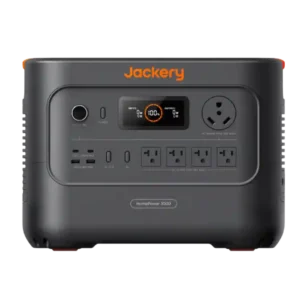
Cycle-life claims are unusually strong, generally pointing to thousands of cycles before major capacity loss.
Pros: power output, rated output
Cons: battery expandability, car charging speed
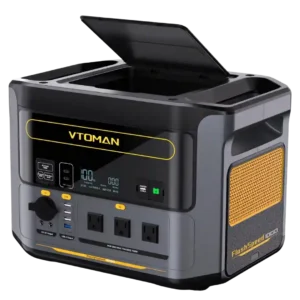
Around 3,000 full cycles to 80% capacity gives the battery reassuring long-term durability for regular use.
Pros: inverter quality, power quality
Cons: Wi-Fi connectivity, weather resistance
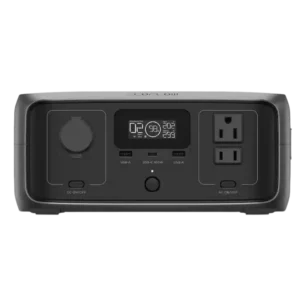
The 3,000-cycle specification is repeatedly highlighted as a major long-term advantage over lead-acid UPS batteries.
Pros: noise level, idle noise
Cons: self-discharge rate, air travel suitability
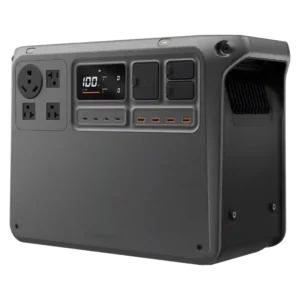
The 4,000-cycle rating gives the station an unusually long projected lifespan, even with frequent use.
Pros: rated output, peak output
Cons: startup reliability, full-load noise
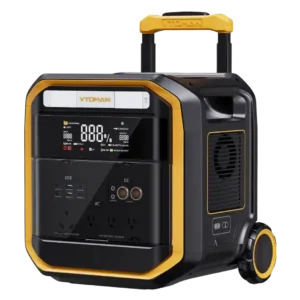
A 3,000-plus-cycle rating puts the battery in long-life territory and compares favorably with major brands.
Pros: power output, surge capacity
Cons: specification accuracy, peak output
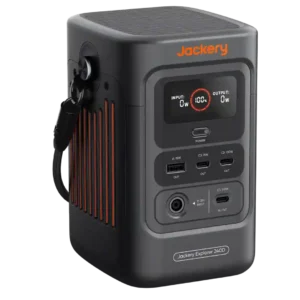
Direct 240D coverage repeatedly praises the 6,000-cycle rating as exceptional for this size. Older Explorer 240 sources report only about 500 cycles, so model generation matters.
Pros: power output, rated output
Cons: AC outlet count, repairability
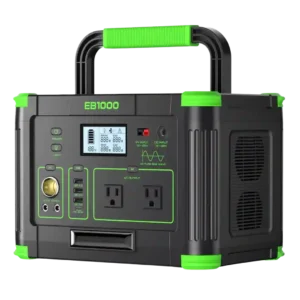
Expected cycle life is modest by current standards, with one assessment placing it around 500 cycles rather than the much higher figures common to LiFePO4 stations.
Pros: rated output, output stability
Cons: battery expandability, startup reliability