Best for Bluetooth connectivity
EcoFlow Delta 3 Plus Review
5.0 feature score
Highest scored product for this feature based on supporting review evidence.
Highest scored product for this feature based on supporting review evidence.
Balances feature score, supporting reviews, and overall product strength.
Has the broadest review evidence for this feature.
Strongest overall product among items with scored evidence for this feature.
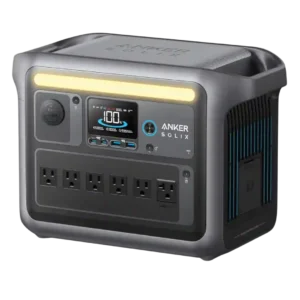
Bluetooth gives reliable local control when Wi-Fi is unavailable, which is especially handy at campsites. Several owners found it more useful than expected.
Pros: power output, rated output
Cons: dual-input charging, cable storage
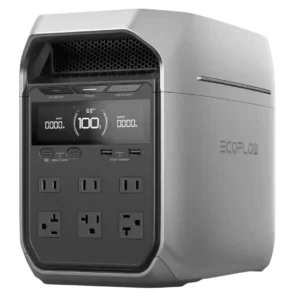
Bluetooth provides dependable local control when no Wi-Fi network is available, especially useful at campsites and on the road.
Pros: rated output, peak output
Cons: 30-amp output, parallel operation support
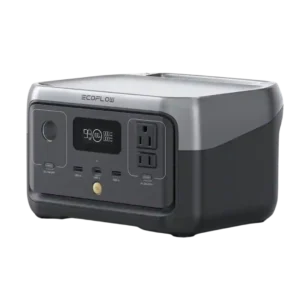
Bluetooth pairing was generally quick and reliable for local control while camping or away from Wi-Fi.
Pros: surge capacity, output stability
Cons: dual-input charging, whole-home integration
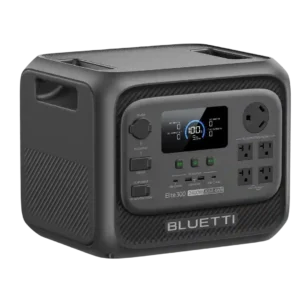
Local Bluetooth control connected without trouble in testing and provides dependable access when Wi-Fi is unavailable.
Pros: surge capacity, voltage regulation
Cons: water resistance, ventilation requirements
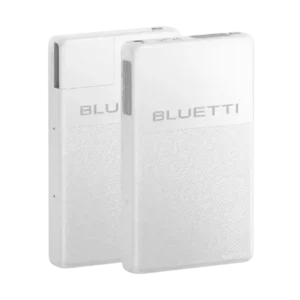
Bluetooth preserves local access when an outage takes down Wi-Fi. It allows nearby monitoring and setting changes without internet service.
Pros: power output, rated output
Cons: USB-A ports, 12-volt outlet
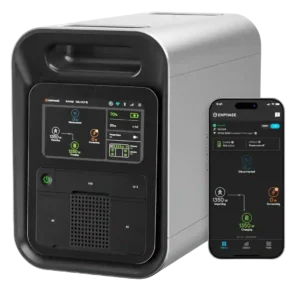
Bluetooth joins Wi-Fi and cellular support to give the station several ways to connect with the Enphase app.
Pros: rated output, output stability
Cons: runtime at full load, RV outlet
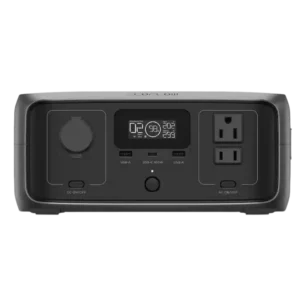
Bluetooth provides dependable local setup and control, including third-party local integrations for advanced users.
Pros: noise level, idle noise
Cons: self-discharge rate, air travel suitability
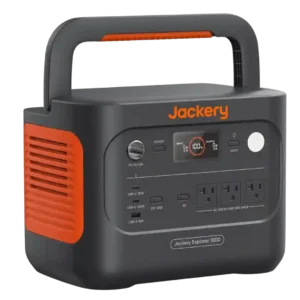
Bluetooth provides responsive local control and is generally easy to connect when the phone is near the station.
Pros: rated output, peak output
Cons: standby power loss, specification accuracy
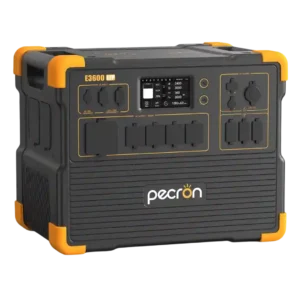
Bluetooth makes initial app setup straightforward before the station transitions to Wi-Fi control.
Pros: power output, rated output
Cons: output stability, voltage regulation
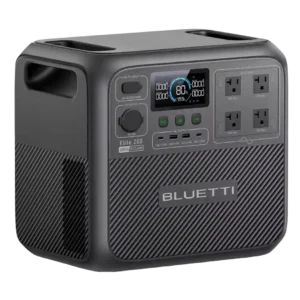
Bluetooth pairing is usually quick and stable, although a few owners reported reconnection quirks or trouble getting the app to discover the unit.
Pros: output stability, pure sine wave output
Cons: specification accuracy, startup reliability
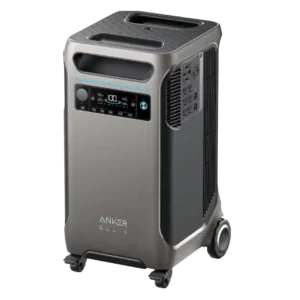
Bluetooth usually makes nearby setup and monitoring convenient, with solid indoor range. One customer struggled to complete pairing, so the experience is not universally smooth.
Pros: rated output, output stability
Cons: car charging speed, USB-A ports
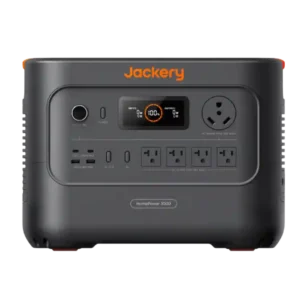
Bluetooth control works reliably nearby, but the range requirement limits true remote access.
Pros: power output, rated output
Cons: battery expandability, car charging speed
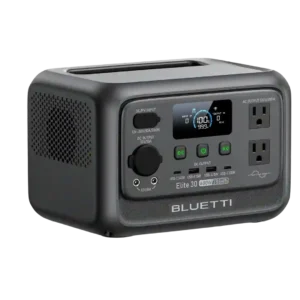
Bluetooth works well for many users, but pairing can be temperamental. A few owners could not connect at all, which also blocked firmware updates.
Pros: rated output, output stability
Cons: over-voltage protection, cold-weather performance
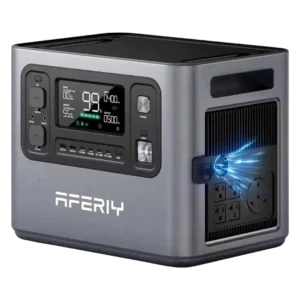
Bluetooth control is limited to close range, and one iOS test could not establish a reliable connection even with the phone beside the unit.
Pros: rated output, peak output
Cons: app connectivity, voltage regulation
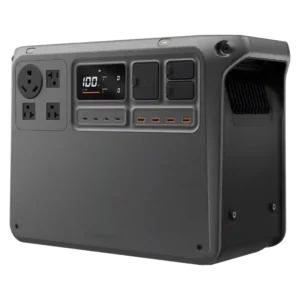
One defective unit could not establish the expected Bluetooth connection during setup.
Pros: rated output, peak output
Cons: startup reliability, full-load noise
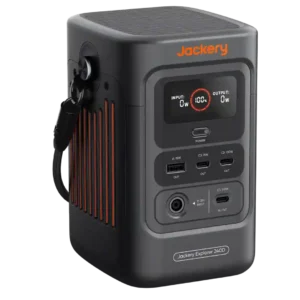
The 240D does not include Bluetooth, so there is no nearby app-based status checking or control.
Pros: power output, rated output
Cons: AC outlet count, repairability