Best for EPS switchover speed
Bluetti FridgePower
5.0 feature score
Highest scored product for this feature based on supporting review evidence.
Highest scored product for this feature based on supporting review evidence.
Balances feature score, supporting reviews, and overall product strength.
Has the broadest review evidence for this feature.
Strongest overall product among items with scored evidence for this feature.
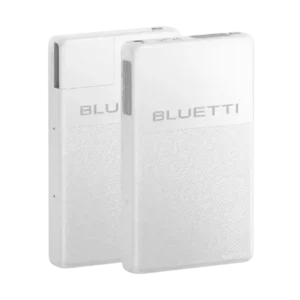
The near-10ms transfer was consistently seamless, with refrigerators, lamps, computers, and TVs continuing without a visible flicker. This is one of the product’s strongest and most dependable traits.
Pros: power output, rated output
Cons: USB-A ports, 12-volt outlet
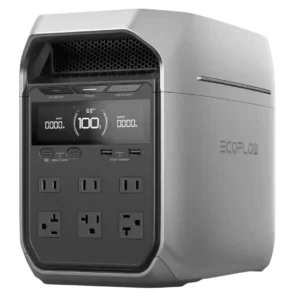
Measured transfer times near 8–10ms met the specification and prevented visible interruptions on sensitive electronics.
Pros: rated output, peak output
Cons: 30-amp output, parallel operation support
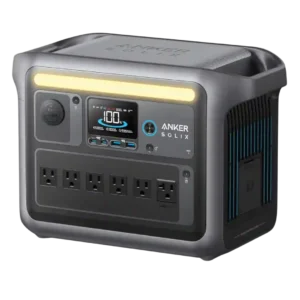
The switchover is fast enough to keep computers, networking gear, and alarm systems running through brief outages. Multiple tests reported no visible interruption.
Pros: power output, rated output
Cons: dual-input charging, cable storage
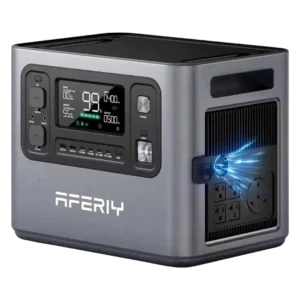
Measured transfer times of roughly 8–9.5ms kept desktop computers and other sensitive electronics running through simulated outages.
Pros: rated output, peak output
Cons: app connectivity, voltage regulation
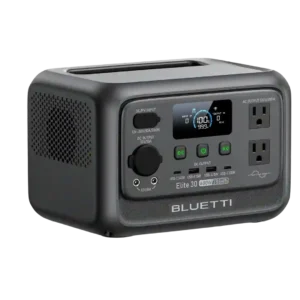
Outage transfer is effectively instantaneous in real use. Routers, servers, PCs, and other connected devices generally stay online without a visible interruption.
Pros: rated output, output stability
Cons: over-voltage protection, cold-weather performance
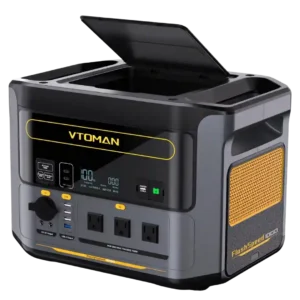
Connected computers and appliances stayed on when mains power was removed, confirming a fast, dependable switchover.
Pros: inverter quality, power quality
Cons: Wi-Fi connectivity, weather resistance
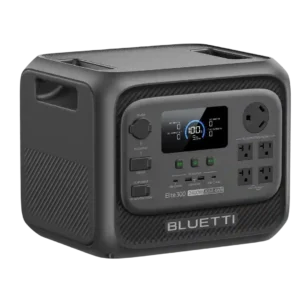
Transfer to battery power is exceptionally quick, with measured or reported switching around 9-20ms. Routers, computers, printers, and networking gear generally stayed online without rebooting.
Pros: surge capacity, voltage regulation
Cons: water resistance, ventilation requirements
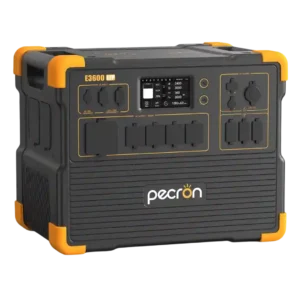
Battery switchover occurs in under 20 milliseconds, fast enough for the tested backup use.
Pros: power output, rated output
Cons: output stability, voltage regulation
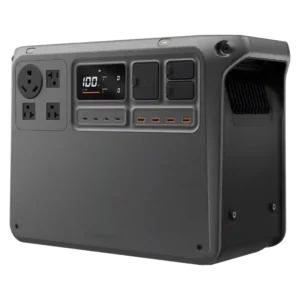
The roughly 10ms switchover was frequently described as seamless, with connected electronics continuing without a visible interruption.
Pros: rated output, peak output
Cons: startup reliability, full-load noise
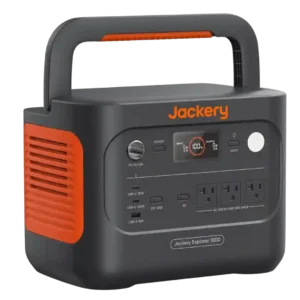
The roughly 20ms switchover was seamless for routers and appliances in most tests, though sensitive desktops may still reboot.
Pros: rated output, peak output
Cons: standby power loss, specification accuracy
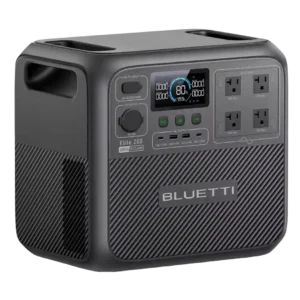
The fast switchover kept computers, servers, and other connected gear running through outages in most tests, though one owner experienced a brief reboot.
Pros: output stability, pure sine wave output
Cons: specification accuracy, startup reliability
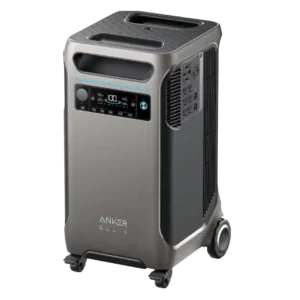
Most UPS tests kept computers and other equipment running without a visible interruption, but one customer’s PC shut off during a real power failure.
Pros: rated output, output stability
Cons: car charging speed, USB-A ports
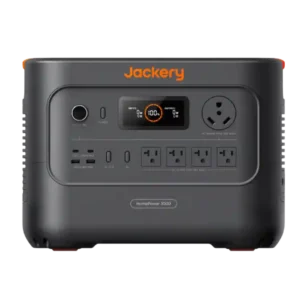
The claimed 20ms transition is fast enough for many devices, but it trails the quickest dedicated UPS-style competitors.
Pros: power output, rated output
Cons: battery expandability, car charging speed
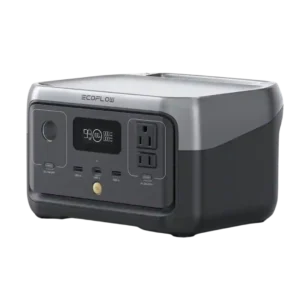
Measured switching around 16-30ms worked well for lights, routers, and many electronics, but sensitive workstations remain a questionable match.
Pros: surge capacity, output stability
Cons: dual-input charging, whole-home integration
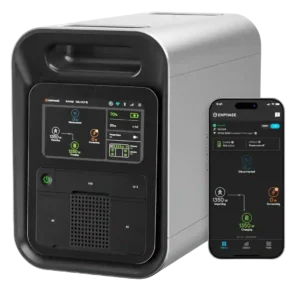
UPS-style switching is quick enough to keep typical routers, refrigerators, and work equipment running through an outage.
Pros: rated output, output stability
Cons: runtime at full load, RV outlet
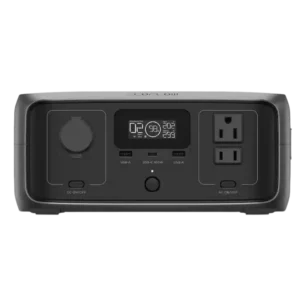
Most devices remain online through the sub-20ms transfer, though chained UPS systems and especially sensitive loads may notice or expose failures.
Pros: noise level, idle noise
Cons: self-discharge rate, air travel suitability
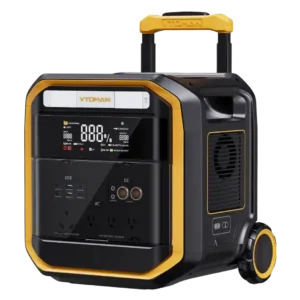
The 20ms switchover is considered adequate for sensitive equipment such as CPAP machines, but one reviewer noted it trails newer 10ms UPS designs.
Pros: power output, surge capacity
Cons: specification accuracy, peak output
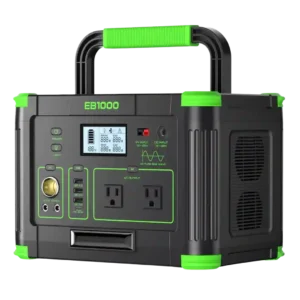
Power-source switching can include delays or interruptions, so it should not be trusted for equipment that needs seamless backup.
Pros: rated output, output stability
Cons: battery expandability, startup reliability