Best for LiFePO4 battery
Jackery Explorer 1000 V2
5.0 feature score
Highest scored product for this feature based on supporting review evidence.
Highest scored product for this feature based on supporting review evidence.
Balances feature score, supporting reviews, and overall product strength.
Has the broadest review evidence for this feature.
Strongest overall product among items with scored evidence for this feature.
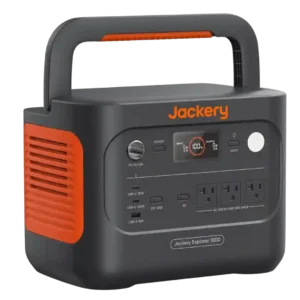
The move to LiFePO4 is treated as a defining upgrade for safety, cycle life, and long-term ownership value.
Pros: rated output, peak output
Cons: standby power loss, specification accuracy
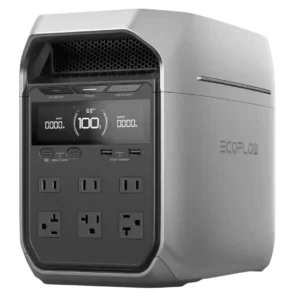
Owners value the LFP pack for thermal stability, long cycle life, and greater peace of mind than older lead-acid or NMC alternatives.
Pros: rated output, peak output
Cons: 30-amp output, parallel operation support
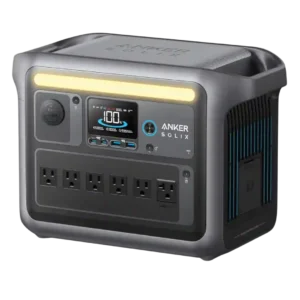
Reviewers consistently favor the LiFePO4 pack for its safer chemistry and long service life. The 3,000-cycle rating gives frequent users confidence in daily use.
Pros: power output, rated output
Cons: dual-input charging, cable storage
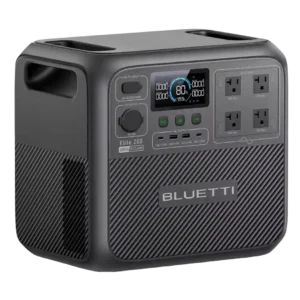
The LiFePO4 pack earns strong confidence for safety, longevity, and dependable daily use.
Pros: output stability, pure sine wave output
Cons: specification accuracy, startup reliability
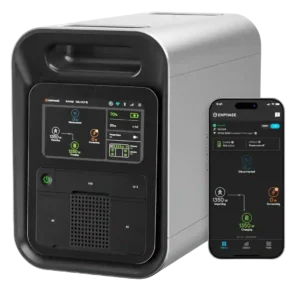
The LFP chemistry is a major plus for safety, thermal stability, and frequent long-term use.
Pros: rated output, output stability
Cons: runtime at full load, RV outlet
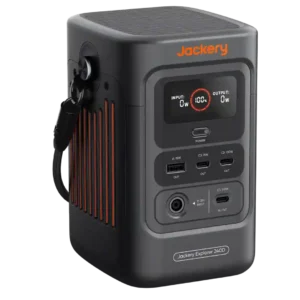
The 240D's LiFePO4 cells are widely praised for safety and long service life. This chemistry is one of its strongest upgrades over older Explorer 240 versions.
Pros: power output, rated output
Cons: AC outlet count, repairability
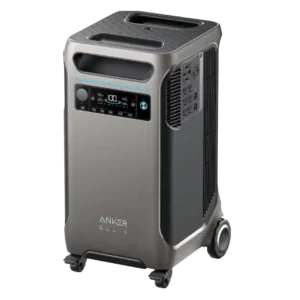
Reviewers like the LiFePO4 chemistry for safety, stability, full-charge tolerance, and a long expected service life.
Pros: rated output, output stability
Cons: car charging speed, USB-A ports
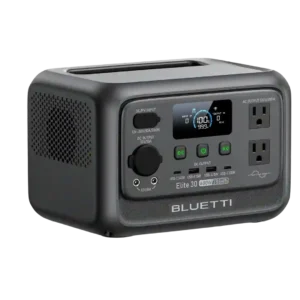
The LiFePO4 pack is widely valued for safety, stability, and long service life. It is a strong fit for a station that may remain connected as a UPS.
Pros: rated output, output stability
Cons: over-voltage protection, cold-weather performance
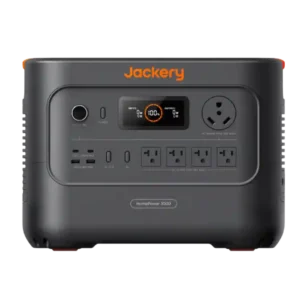
The LFP battery is a major upgrade for buyers who value safer chemistry and years of repeated use.
Pros: power output, rated output
Cons: battery expandability, car charging speed
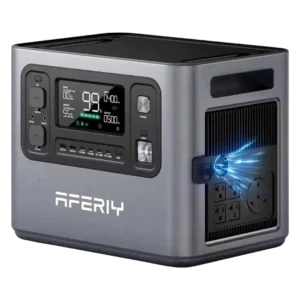
The LiFePO4 pack is valued for its safer thermal behavior, long cycle life, and suitability for years of backup use.
Pros: rated output, peak output
Cons: app connectivity, voltage regulation
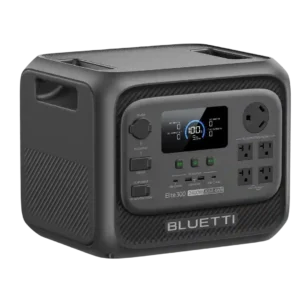
The LiFePO4 pack is strongly favored for safety, stability, and long service life under frequent use.
Pros: surge capacity, voltage regulation
Cons: water resistance, ventilation requirements
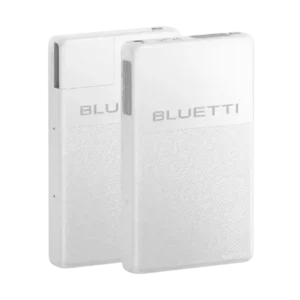
LiFePO4 chemistry is a strong fit for an always-plugged-in backup because it offers long cycle life and better longevity than older lead-acid UPS batteries.
Pros: power output, rated output
Cons: USB-A ports, 12-volt outlet
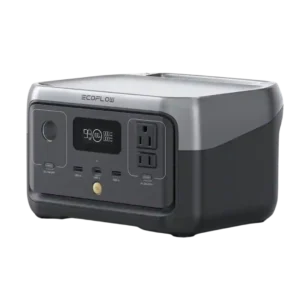
The LFP pack is widely praised for safer operation, strong temperature tolerance, and roughly six times the cycle life of older lithium-ion designs.
Pros: surge capacity, output stability
Cons: dual-input charging, whole-home integration
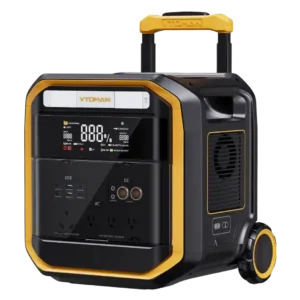
The LFP battery is viewed as a major advantage for safety, thermal stability, and long service life. Its chemistry suits a unit intended for repeated backup and off-grid use.
Pros: power output, surge capacity
Cons: specification accuracy, peak output
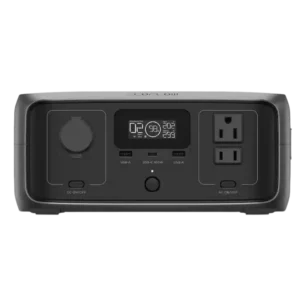
Reviewers value the LFP battery for safety, stability, and long cycle life.
Pros: noise level, idle noise
Cons: self-discharge rate, air travel suitability
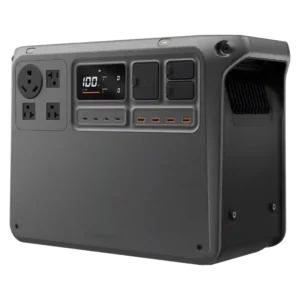
The LFP battery was specifically valued for lasting far longer than older lithium-ion power-station cells.
Pros: rated output, peak output
Cons: startup reliability, full-load noise
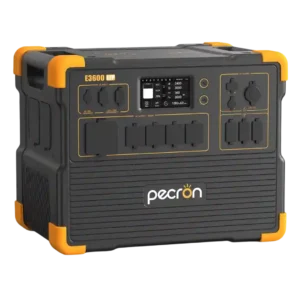
The LiFePO4 battery is valued for longevity, though its weight makes the unit difficult to move.
Pros: power output, rated output
Cons: output stability, voltage regulation