Best for surge capacity
Bluetti Elite 300
5.0 feature score
Highest scored product for this feature based on supporting review evidence.
Highest scored product for this feature based on supporting review evidence.
Balances feature score, supporting reviews, and overall product strength.
Has the broadest review evidence for this feature.
Strongest overall product among items with scored evidence for this feature.
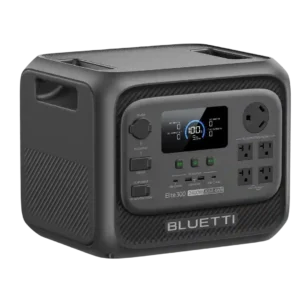
Surge performance was consistently strong, starting compressors, tools, and appliances that briefly demand far more than their running wattage.
Pros: surge capacity, voltage regulation
Cons: water resistance, ventilation requirements
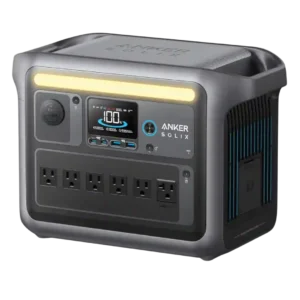
The 2,400W surge mode gives short-term headroom for motor and heater startup loads that would overwhelm many 1kWh stations.
Pros: power output, rated output
Cons: dual-input charging, cable storage
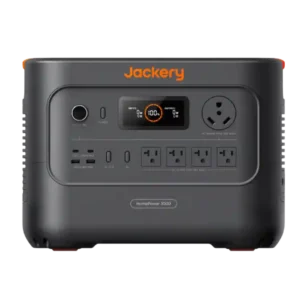
Compressors, pumps, and power tools start confidently, with surge performance repeatedly described as a major advantage.
Pros: power output, rated output
Cons: battery expandability, car charging speed
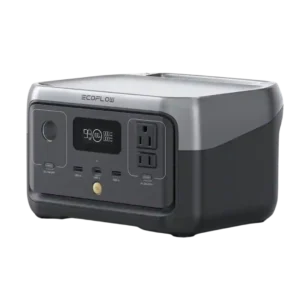
Short bursts and X-Boost worked as intended in testing, helping the inverter avoid immediate shutdown on compatible loads.
Pros: surge capacity, output stability
Cons: dual-input charging, whole-home integration
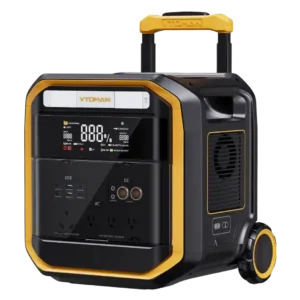
Appliance startup loads were handled exactly as claimed, including a 1,500W kettle and other equipment with higher initial draw.
Pros: power output, surge capacity
Cons: specification accuracy, peak output
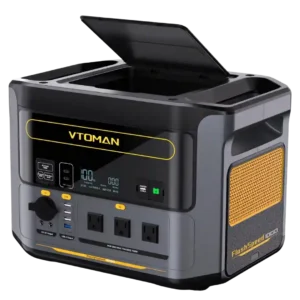
The inverter handled startup spikes and resistive loads well above 1,000W, including kettles, heaters, refrigeration, and cooking equipment.
Pros: inverter quality, power quality
Cons: Wi-Fi connectivity, weather resistance
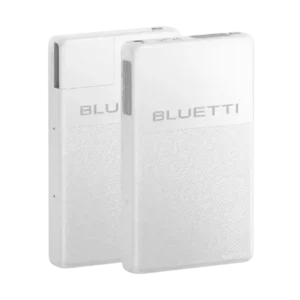
The inverter successfully started demanding compressor and tool loads, giving it useful headroom beyond its 1,800W continuous rating. This is reassuring for refrigerators and sump pumps.
Pros: power output, rated output
Cons: USB-A ports, 12-volt outlet
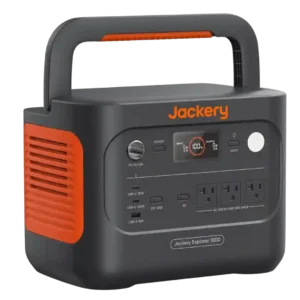
The 3,000W surge headroom successfully absorbs refrigerator, tool, and appliance startup spikes without nuisance shutdowns.
Pros: rated output, peak output
Cons: standby power loss, specification accuracy
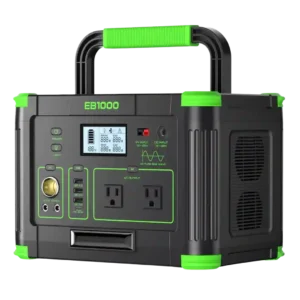
Brief surges above the 1000W continuous rating are handled well, giving motors and compressors useful startup headroom without promising sustained high-wattage operation.
Pros: rated output, output stability
Cons: battery expandability, startup reliability
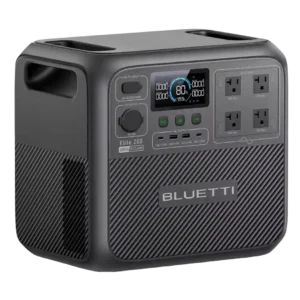
Power Lifting and surge behavior handle demanding resistive loads well, although one failed unit could not meet expectations.
Pros: output stability, pure sine wave output
Cons: specification accuracy, startup reliability
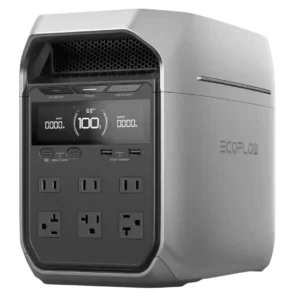
The station handles meaningful startup spikes and brief overloads, but one test found the practical ceiling closer to 2,600W than the advertised 3,600W.
Pros: rated output, peak output
Cons: 30-amp output, parallel operation support
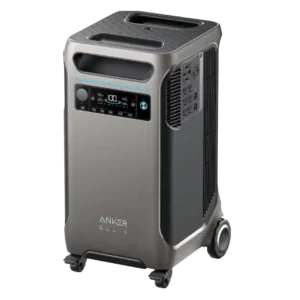
The station starts compressors, air conditioners, and other surge-heavy loads impressively, though one laboratory found the highest advertised spikes lasted only seconds.
Pros: rated output, output stability
Cons: car charging speed, USB-A ports
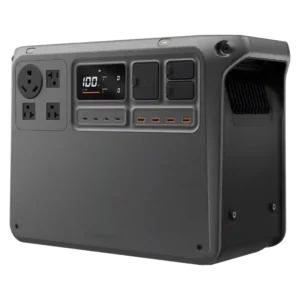
Surge handling is strong for most motors and tools, though hard-start air conditioners or multiple inductive loads can still exceed its limits.
Pros: rated output, peak output
Cons: startup reliability, full-load noise
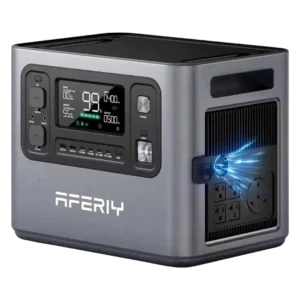
Individual tools with high startup demand generally ran, but combining large inductive loads produced delay and substantial voltage drop.
Pros: rated output, peak output
Cons: app connectivity, voltage regulation
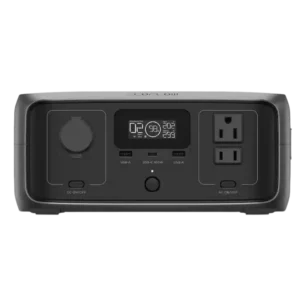
Some devices above 300W will start and run, but compressors, pumps, OLED TVs, and other surge-heavy loads can overload immediately.
Pros: noise level, idle noise
Cons: self-discharge rate, air travel suitability
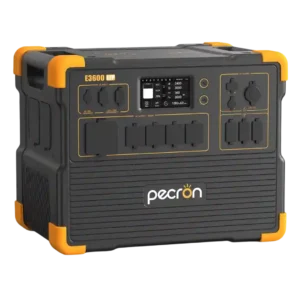
The inverter tolerates moderate overloads, but testing did not validate the full advertised surge figure.
Pros: power output, rated output
Cons: output stability, voltage regulation
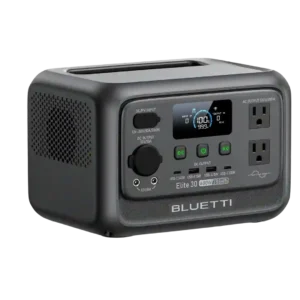
Short inrush handling is not as strong as the 1,500W marketing may imply. A 450W air duster with a large startup spike overloaded the station.
Pros: rated output, output stability
Cons: over-voltage protection, cold-weather performance
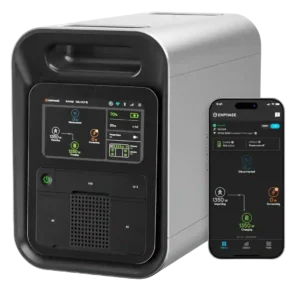
The 3,000 W surge lasts only briefly, and several testers caution against pumps, compressors, and other hard-starting loads.
Pros: rated output, output stability
Cons: runtime at full load, RV outlet