#1
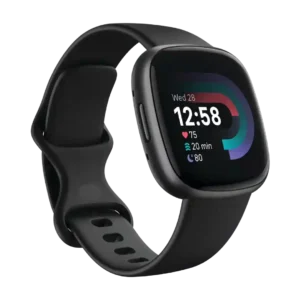
Sleep tracking was one of the Versa 4's strongest areas, with many reviewers calling it accurate, reliable, detailed, or easy to understand, despite one mixed lab result.
Pros: pairing reliability, user interface
Cons: third-party app support, music controls
#2
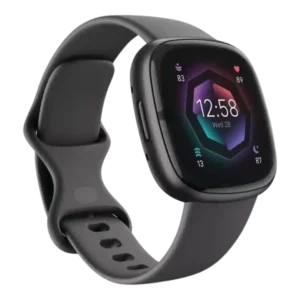
Sleep tracking is one of the strongest tracking areas, with reviewers calling it enjoyable, on target, fantastic, or among the best Fitbit capabilities.
Pros: pairing reliability, durability
Cons: music controls, Wi-Fi connectivity
#3
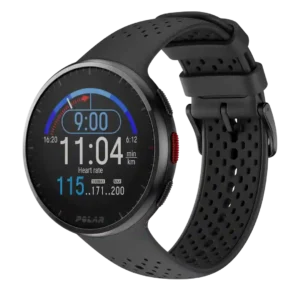
Sleep tracking was one of the stronger areas overall, with multiple reviewers praising Nightly Recharge or alignment with Oura and Whoop, though one scientific sleep-stage test rated it only mediocre.
Pros: workout tracking variety, activity auto-detection
Cons: onboard music storage, blood oxygen tracking
#4
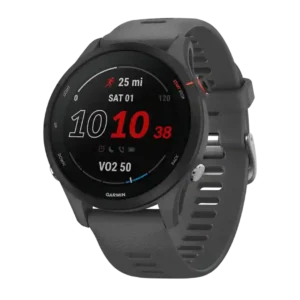
Sleep tracking was generally considered improved and useful, with several reviewers saying sleep times matched reference devices, though some still saw overestimation or limits.
Pros: durability, cross-platform compatibility
Cons: stress tracking, app ecosystem
#5
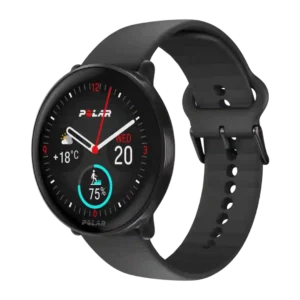
Sleep tracking drew broad approval for solid duration, stage, and SleepWise-style insights, with occasional caveats about access or app presentation.
Pros: brightness, charging speed
Cons: call handling, third-party app support
#6
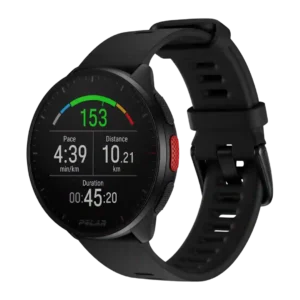
Sleep tracking is generally respected, but accuracy evidence is mixed because one reviewer trusted the data while another reported a couple of off nights.
Pros: third-party app support, comfort
Cons: contactless payments, onboard music storage
#7
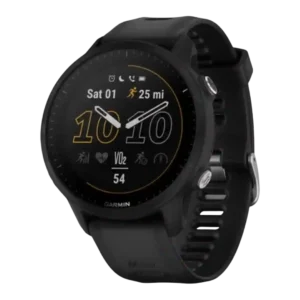
Sleep tracking was mixed: several reviewers found bed and wake times accurate, while others warned wrist-only sleep data can be unreliable.
Pros: outdoor visibility, charging speed
Cons: LTE connectivity, call handling
#8
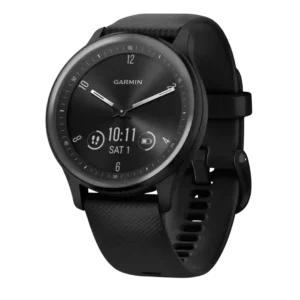
Sleep tracking ranged from decent to excellent, with several reviewers finding it reflected sleep well, while others found digestibility issues or overcounted sleep duration.
Pros: pairing reliability, reliability
Cons: contactless payments, onboard music storage
#9
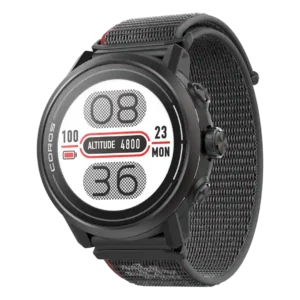
Sleep timing was often praised as accurate, but sleep-stage confidence was weaker, creating a mixed accuracy picture overall.
Pros: resume later function, durability
Cons: watch face quality, call handling
#10
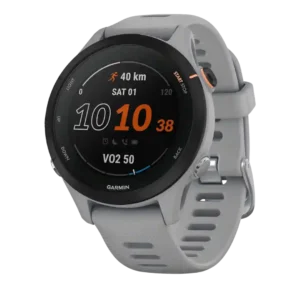
Sleep tracking was useful and often close enough for general use, but reviewers noted it was less detailed or less sensitive than dedicated sleep-focused devices.
Pros: step counting accuracy, fit
Cons: blood oxygen tracking, charging convenience
#11
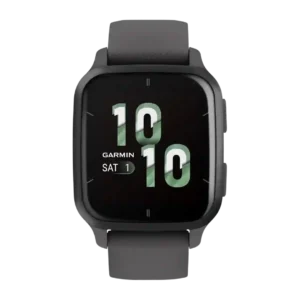
Sleep tracking was useful but mixed: some reviewers found timing accurate, while others reported missed secondary sleep, over-reported duration, or uncertainty versus other devices.
Pros: charging speed, coaching features
Cons: ECG functionality, call handling
#12
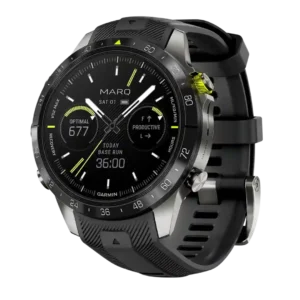
Sleep timing was praised by one reviewer as spot-on, but another reported frequent time-asleep mistakes that could skew readiness metrics.
Pros: pairing reliability, reliability
Cons: size options, call handling
#13
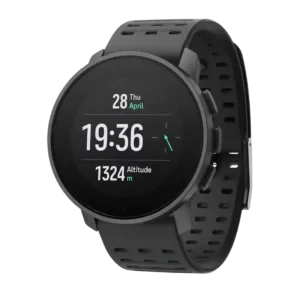
Sleep tracking drew mixed reactions: one reviewer found sleep and wake timing mostly good, but several others reported missed wakeups, false sleep starts, or weaker performance than alternatives.
Pros: step counting accuracy, durability
Cons: voice assistant quality, contactless payments
#14
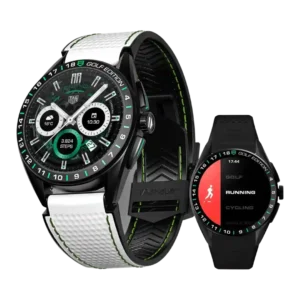
The only scored evidence frames sleep tracking negatively because the reviewer complained it is missing alongside other health features.
Pros: contactless payments, pairing reliability
Cons: LTE connectivity, call handling