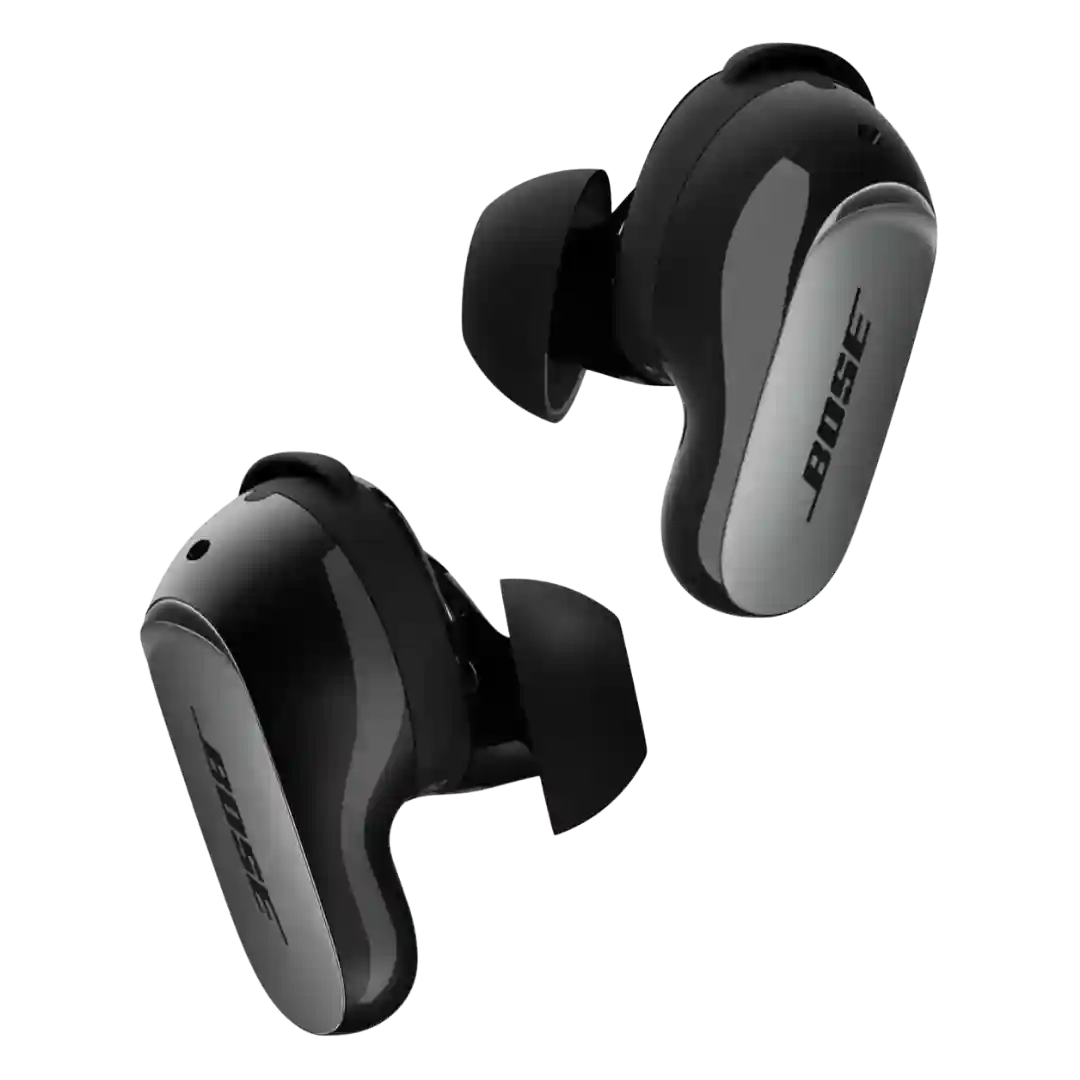
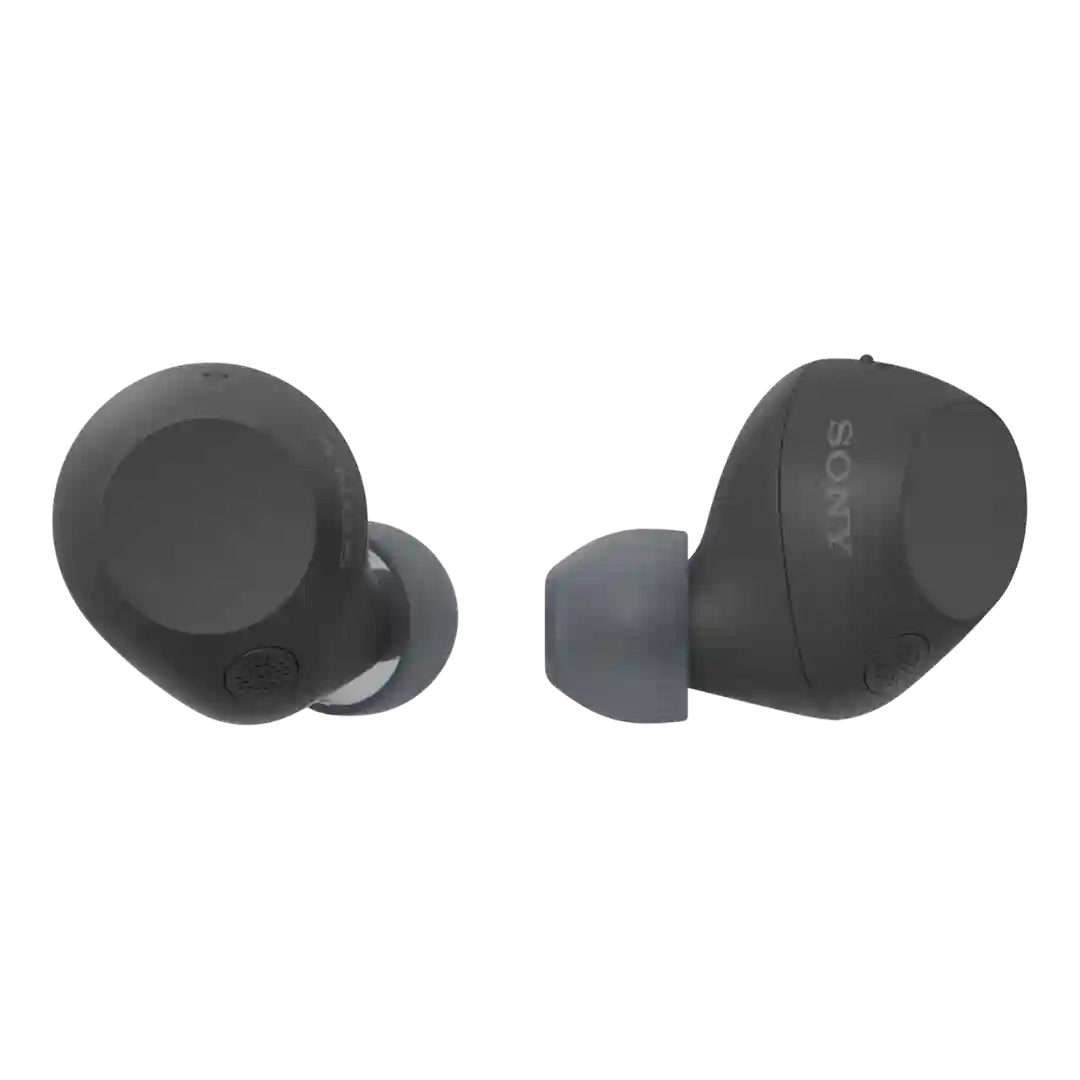
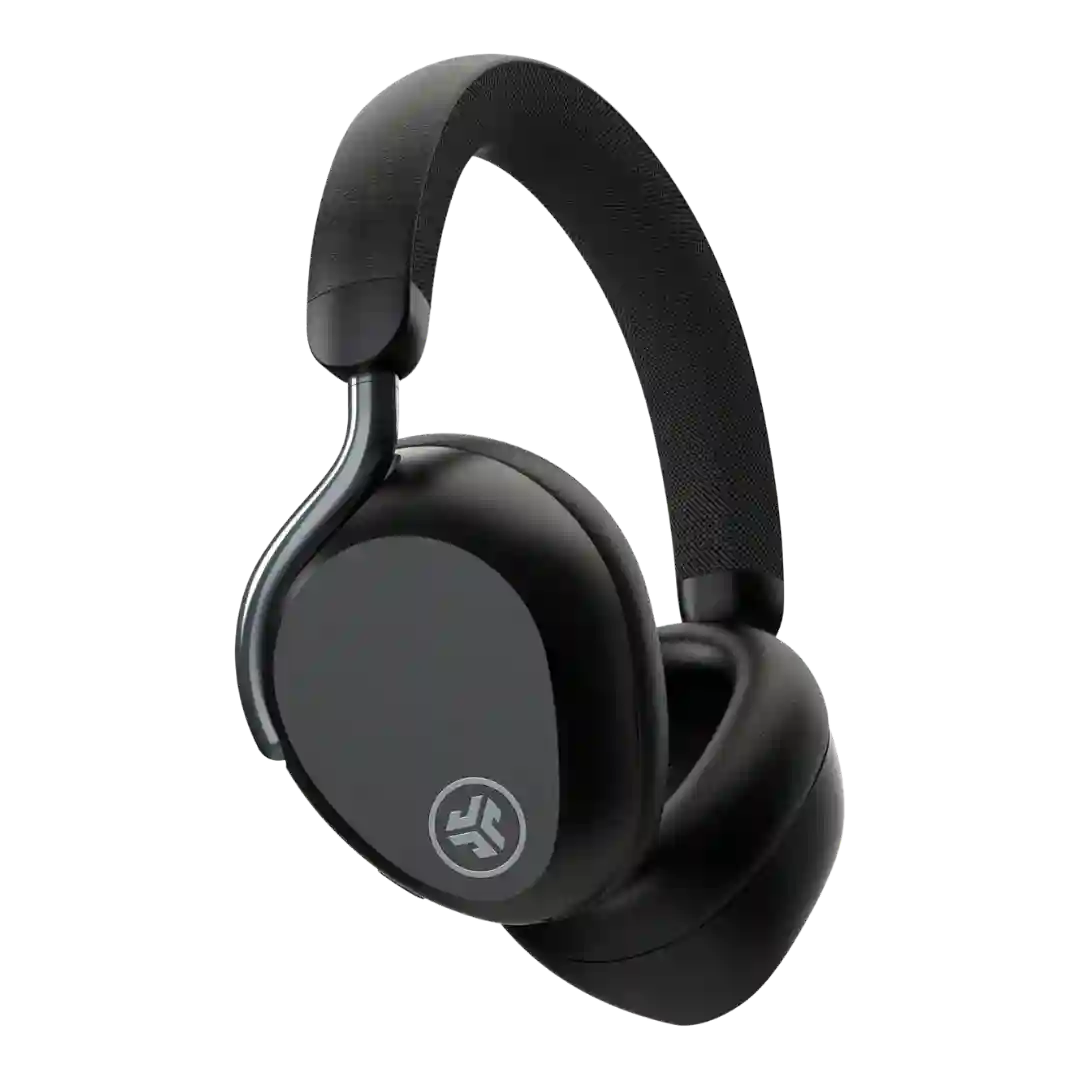
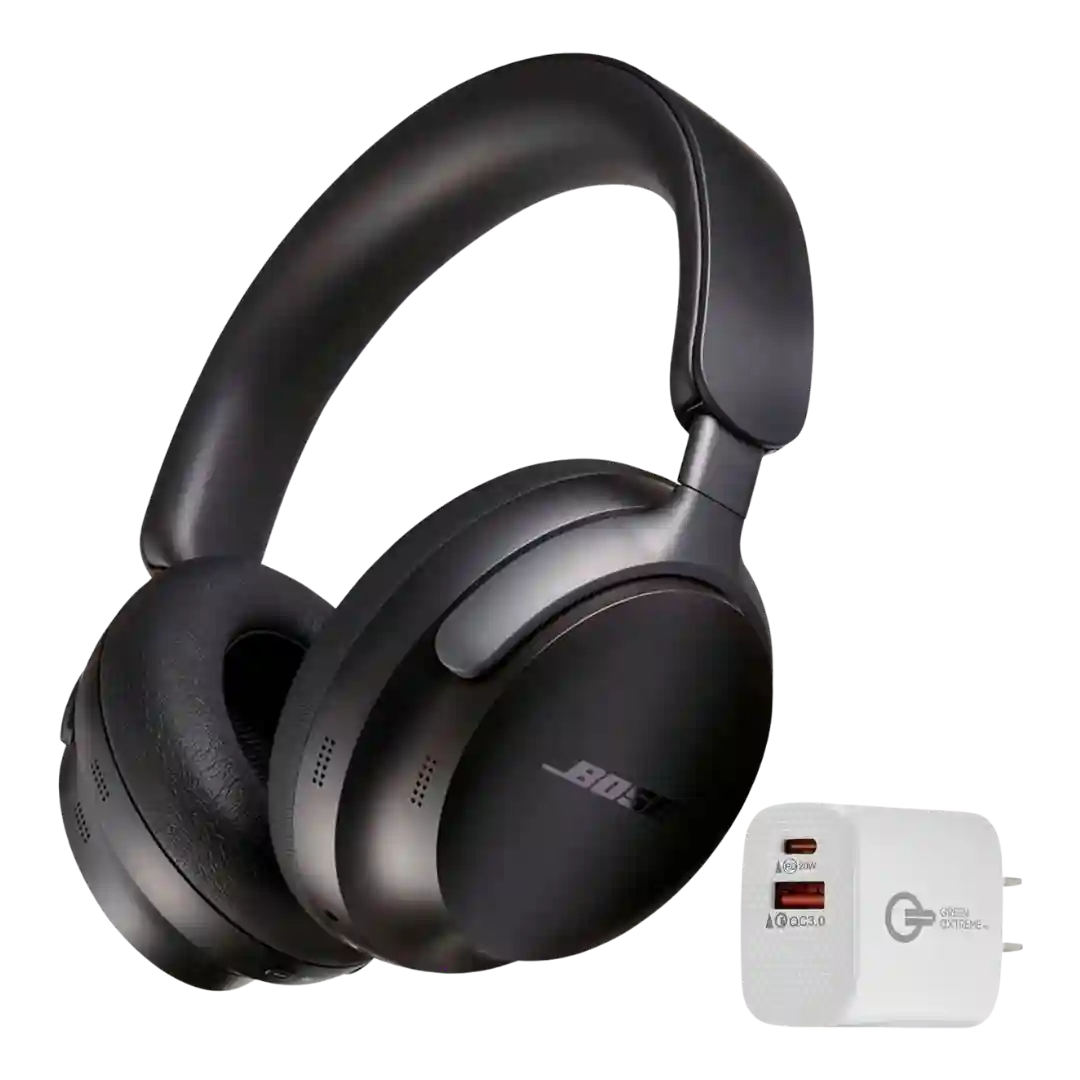
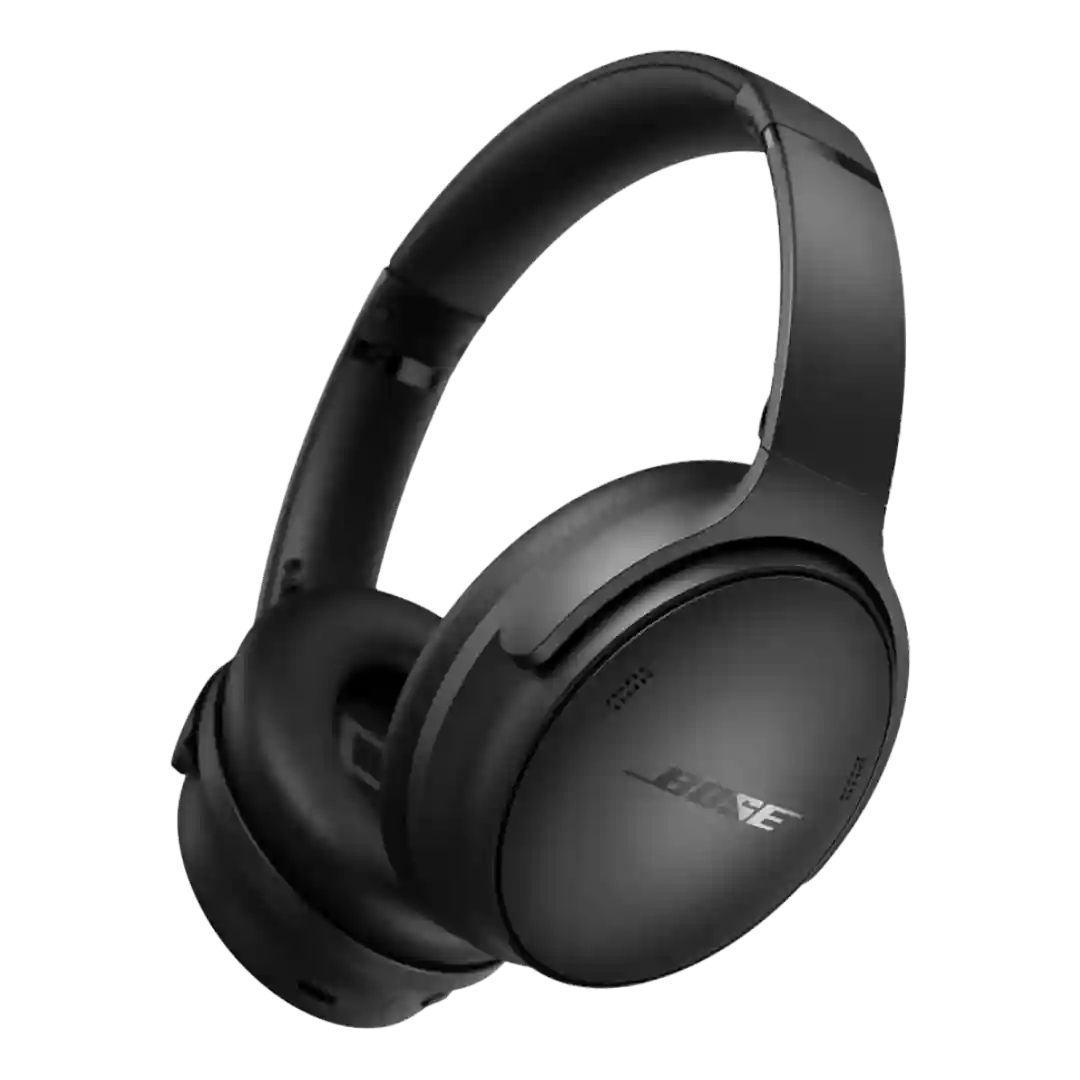
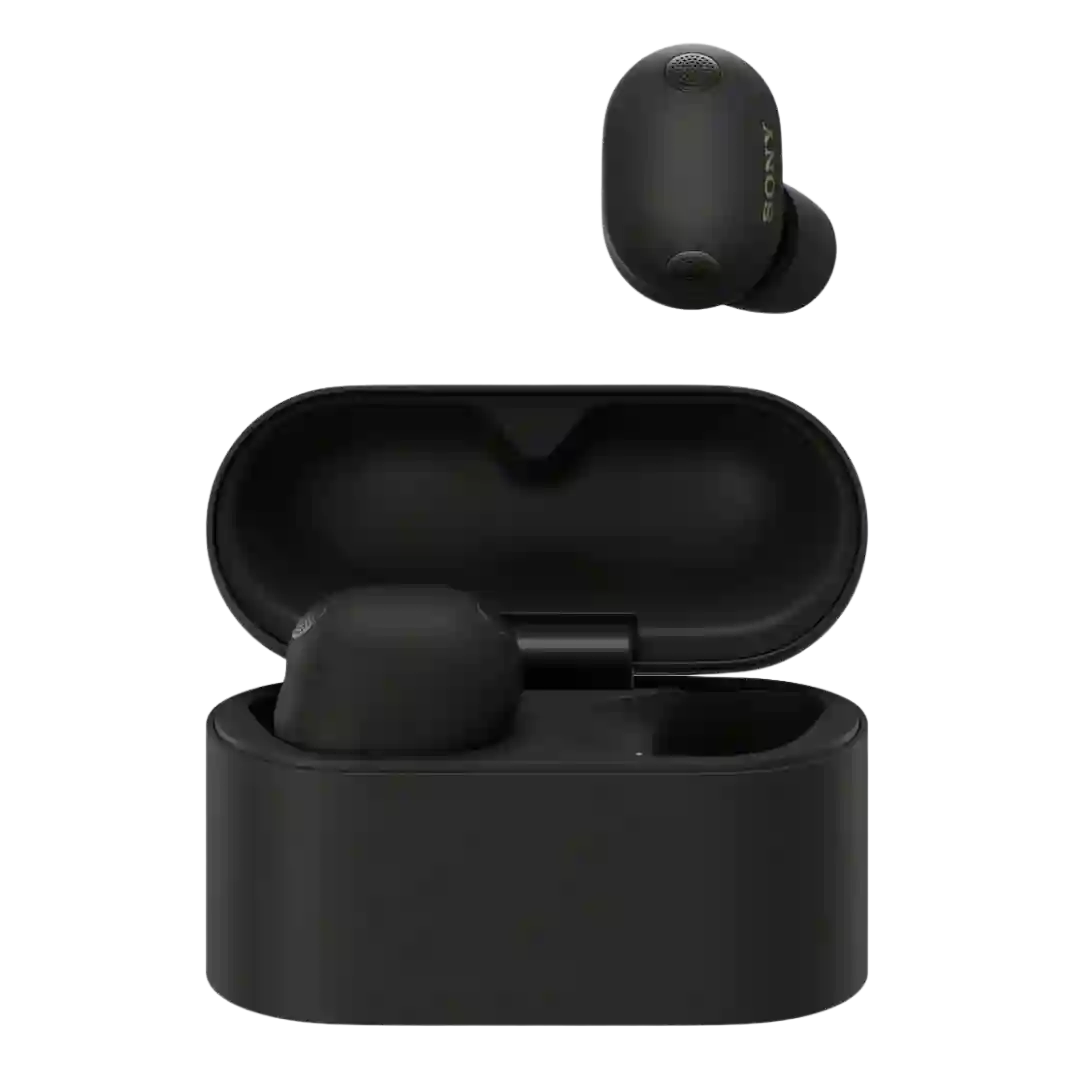
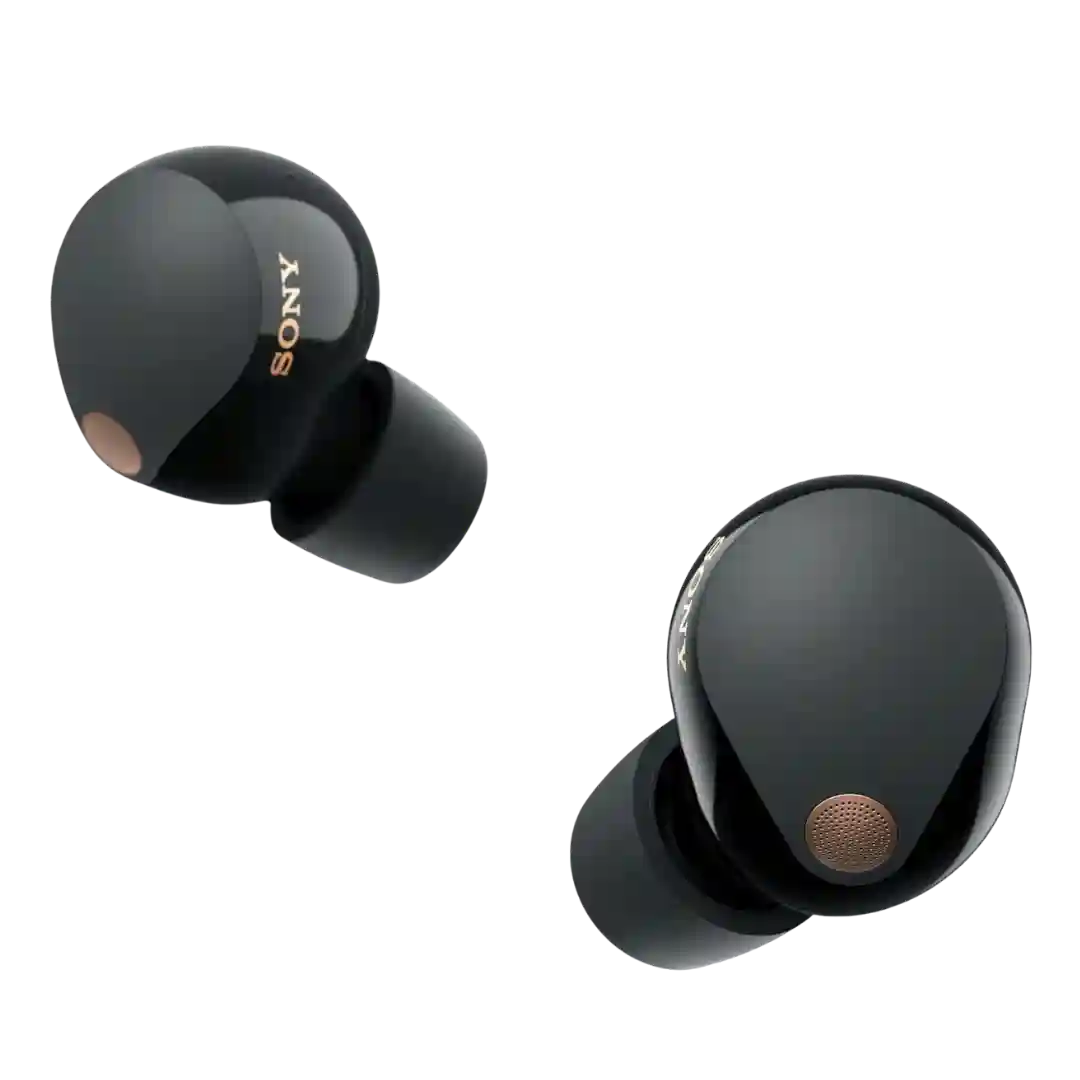
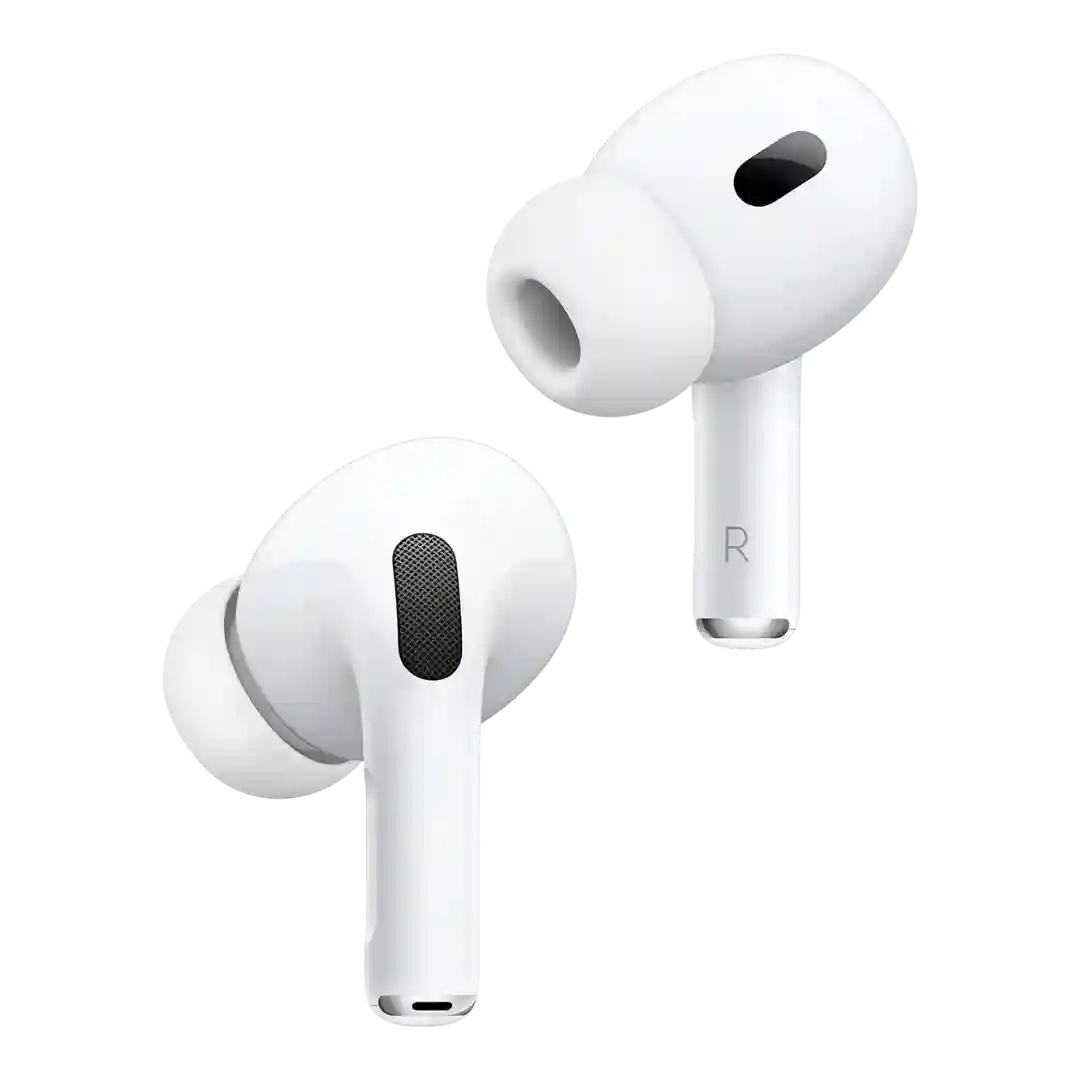
Across reviews, ANC is consistently described as best-in-class for earbuds, often quieting commutes and flights to near over-ear levels. Performance depends on achieving a good seal, and a few users report rare pressure/flight-related artifacts. Multiple listening modes (ANC, transparency, adaptive blends) make it easy to adjust noise control for different situations, and mode switching is generally smooth. Customization is still more preset-driven than fully user-tunable.
Noise cancelling is repeatedly described as class-leading, with especially strong suppression of engine rumble and broad-spectrum everyday noise; a few reviews note minor hiss or occasional artifacts with sudden loud impacts, but overall performance remains top tier. Adjustability is strong via app modes and sliders, including custom levels and adaptive behavior (such as smoothing spikes), though some mode limitations and UI quirks are mentioned.
ANC is consistently one of the headphone’s strongest traits, with most reviewers calling it effective to excellent on planes, buses, offices, and general commuting, though one reviewer found it merely average. Noise control is easy to adjust, with multiple modes and app-level customization for ANC and awareness behavior.
ANC is consistently described as class-leading, excelling on planes, trains, and busy streets; a few note rare odd behavior with extremely loud peaks. Noise canceling is highly adjustable through modes and a 10-step slider, often with wind control, but several reviewers dislike the lack of a true ANC-off state.
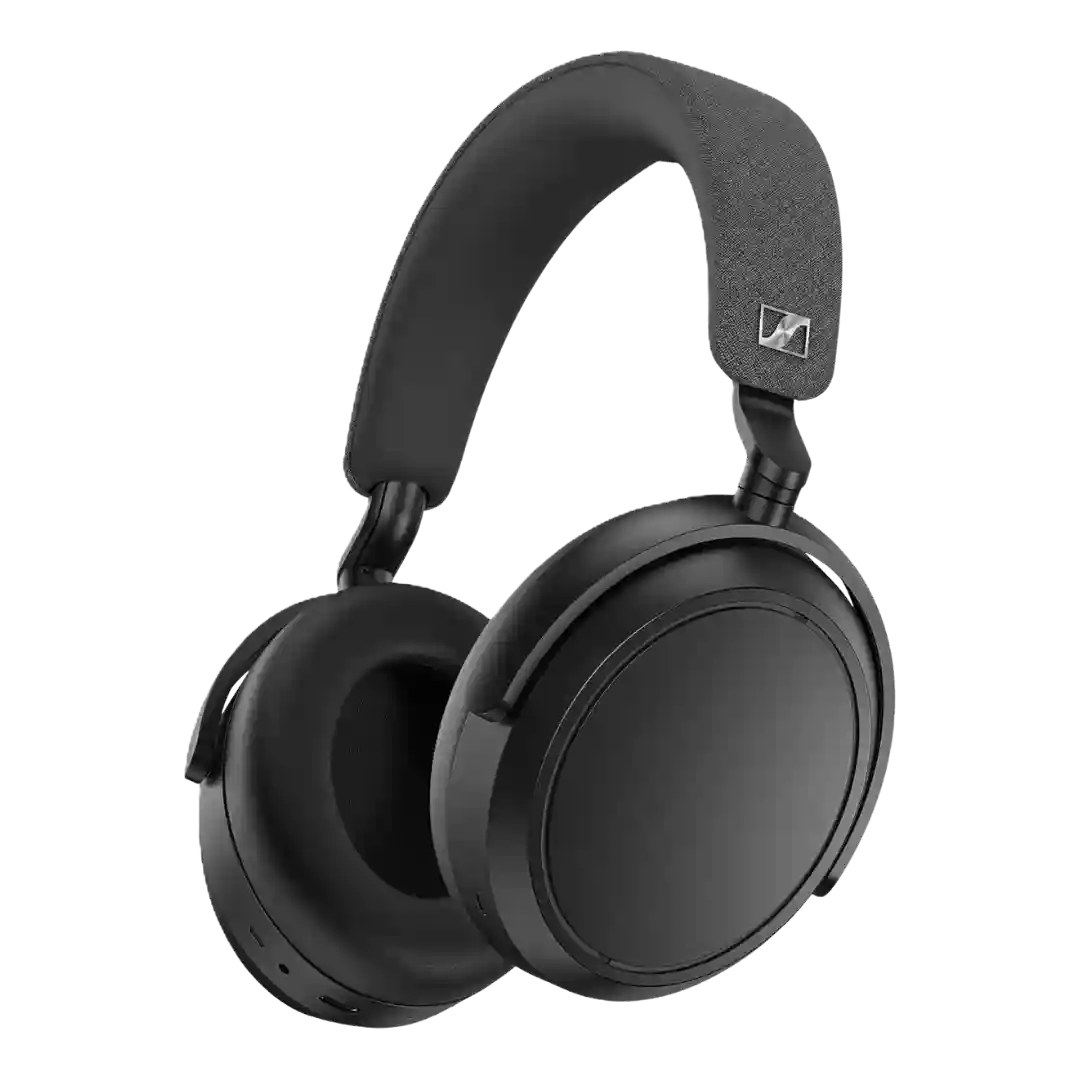
Reviewers consistently call the XM6 noise canceling best-in-class, especially for voices and higher-frequency chatter, with many saying it slightly edges Bose and clearly improves over prior XM models. The XM6 offers plenty of ANC control through adaptive modes, multiple ambient levels, and quick gestures like covering the earcup, giving users more ways to tailor isolation than simple on/off.
Across reviewers, ANC is consistently described as class-leading, especially for steady low-frequency noise, with improved handling of voices and higher frequencies versus older generations. The app enables meaningful ANC and ambient tuning (including adaptive sound profiles and multiple ambient levels), though some sources note you are not always directly setting a granular ANC strength slider.
Noise cancelation is consistently described as top-tier and often best-in-class, with Gen 2 seen as a small refinement (more precise, fewer quirks); some outlets still give Sony a slight edge in ultimate silence. Most reviews highlight easy ANC control through modes or a slider (often 1–10) and note Gen 2 can fully disable ANC, which improves flexibility and battery options.
Most reviews call the ANC excellent or near top-tier, especially for low-frequency rumble and commuting noise; a few note the Ultra can be a touch stronger or more consistent. ANC is adjustable with app modes and multiple levels; reviewers like the ability to dial it back or add wind-related control, though you generally cannot fully disable processing in the mode system.
Most reviewers describe the noise canceling as top-tier and often class-leading, especially for low-frequency rumble, but a few still prefer Apple or Bose in some real-world situations. Performance is very dependent on getting a tight seal with the tips. Sound Connect adds adaptive NC optimization plus auto ambient and voice passthrough options. Some reviewers still note the core ANC toggle feels more like on or off than truly granular, but the ambient controls are highly adjustable.
Active noise cancelling is widely rated among the best in true wireless, especially when paired with the foam seal; a few sources say it can be beaten by select rivals and varies with fit and environment. ANC/ambient controls are flexible, with adjustable ambient levels and adaptive modes; some users dislike automatic switching and prefer manual control.
Reviews consistently rate the ANC among the best in true wireless, especially for low-frequency rumble (planes, trains, HVAC). A recurring tradeoff is variability with fit and that a few rivals (notably Bose, and sometimes foam-tip Sonys) can edge it out in the toughest scenarios.
Active noise cancellation is repeatedly called best-in-gaming or near it, especially for low-frequency noise like fans and HVAC, with less hiss than older models. Multiple reviews still say it does not match the voice reduction of top consumer ANC headphones.
Regularly placed in the top tier, especially for commuting and office noise; some comparisons say Sony or Bose may edge it for constant aircraft rumble. Controls mainly toggle ANC and Transparency, with limited granular level control compared with rivals; configuration is easiest on iOS.
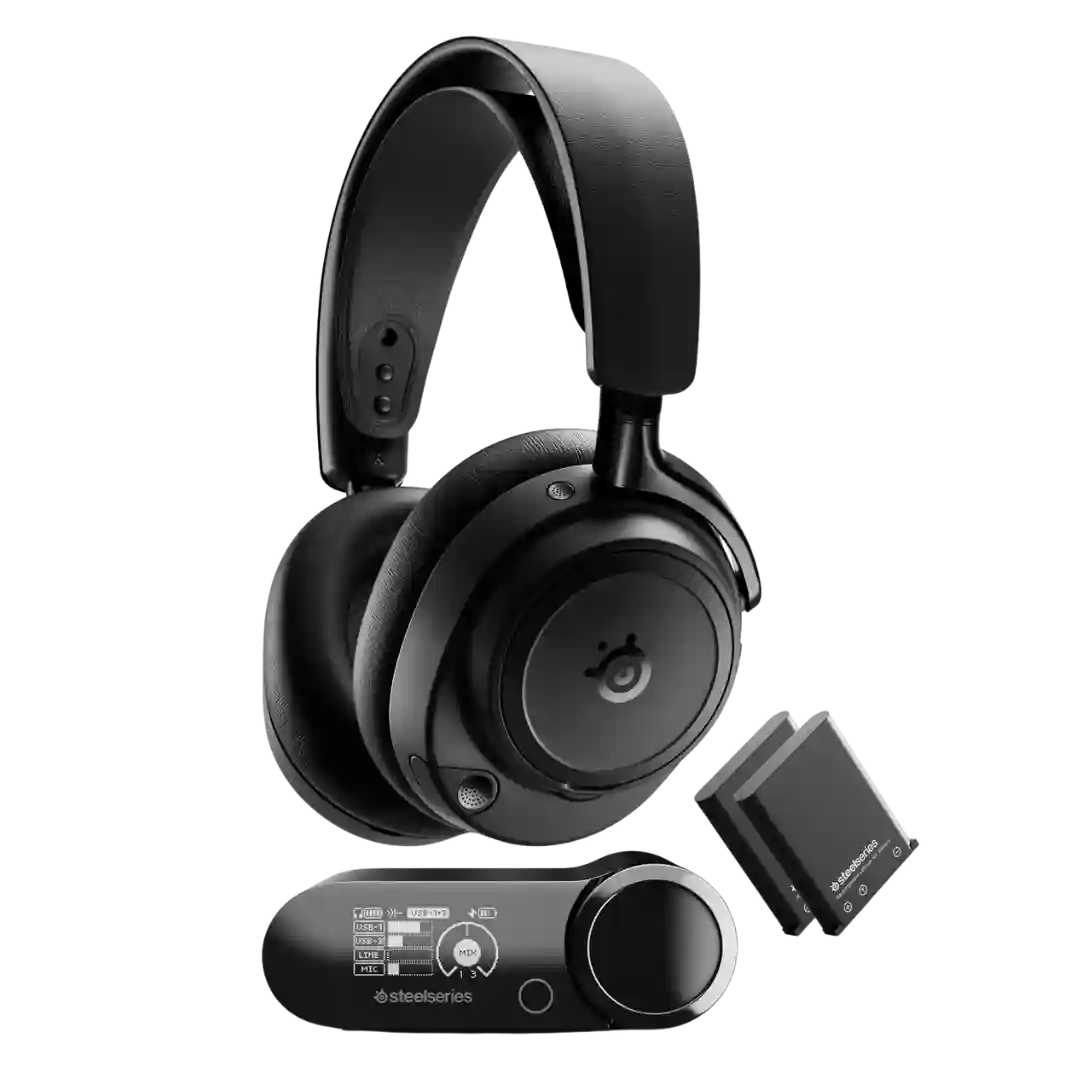
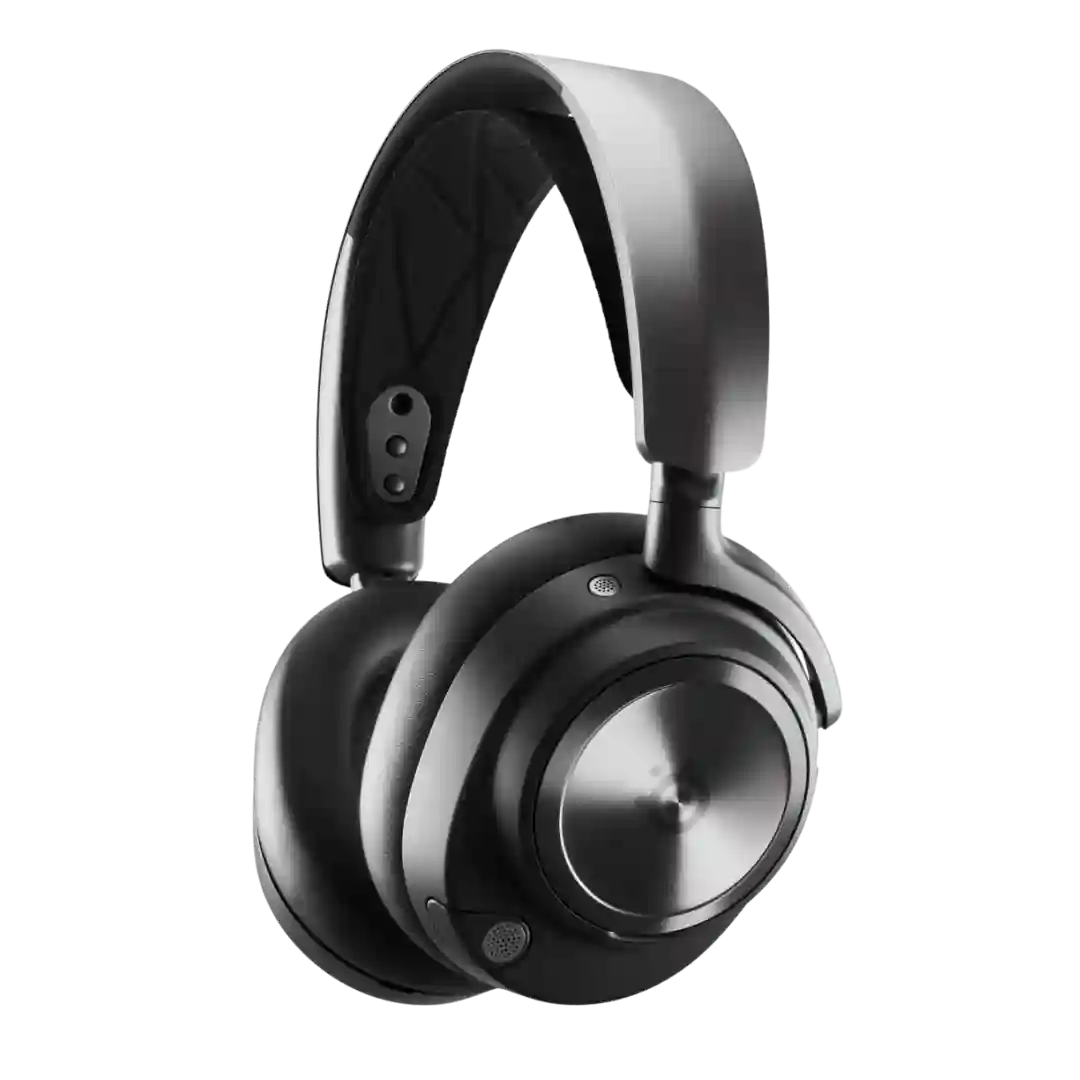
Across reviews, ANC is consistently described as unusually strong for a gaming headset, effectively cutting low rumbles and much of the surrounding office or home noise. Several reviewers say it helps them miss voices and distractions even at moderate volume. Noise canceling can be toggled and adjusted via onboard controls and companion software. Tuning options exist, but some reviewers note mode feedback relies on chimes rather than clear voice prompts, which can be confusing.
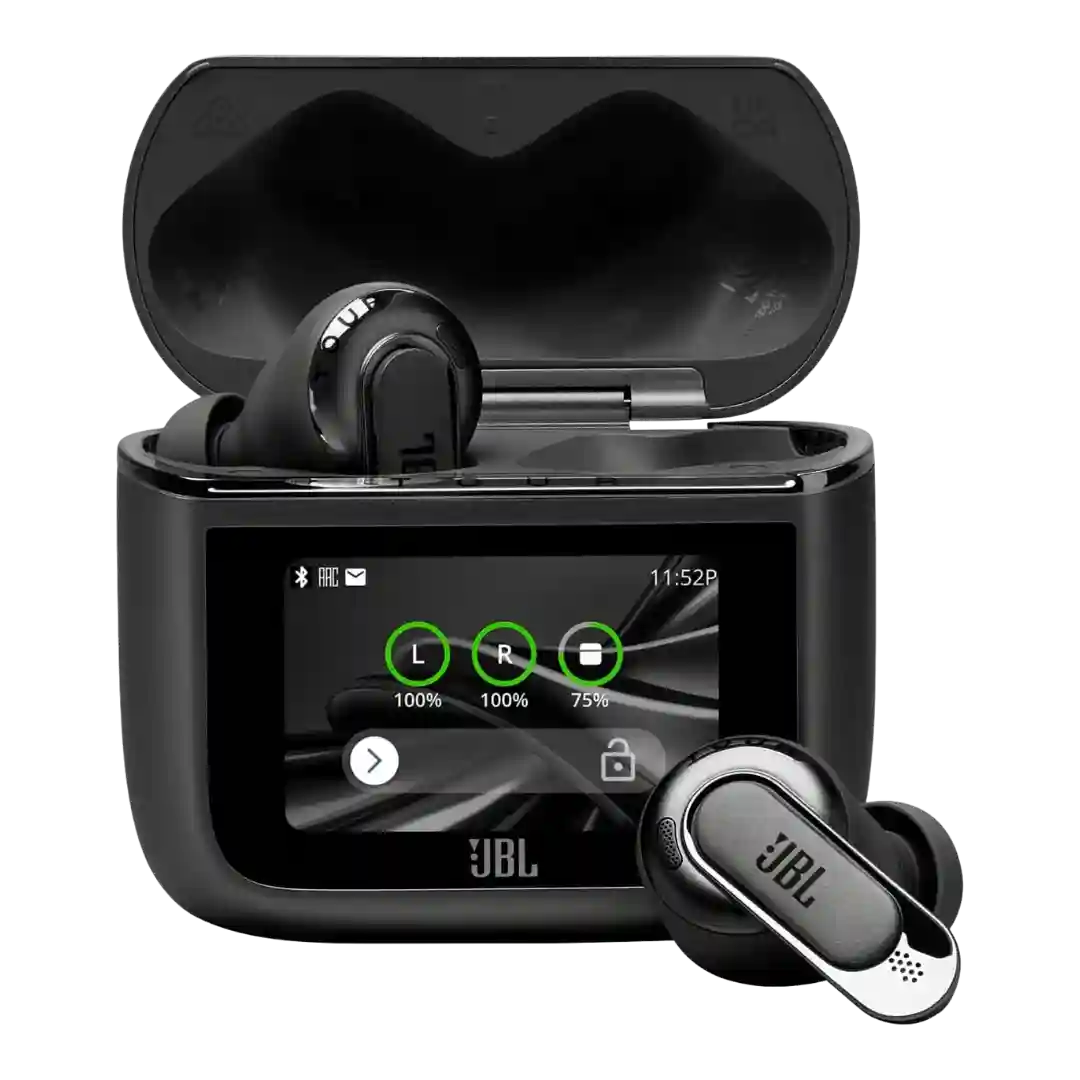
Across reviews, ANC is consistently strong and competitive at the flagship tier, especially with a solid seal and the included foam tips. Several reviewers still place Bose or AirPods Pro 2 a step ahead for the most cocooned, best-in-class quiet. Noise canceling is highly tunable, with adaptive modes and manual strength steps/sliders available in the app and often from the case screen. Most reviewers found it easy to dial in more reduction or more awareness depending on environment.
ANC is a real strength for the price. Most reviewers said it handles low-frequency noise very well and beats expectations for a budget model, even if it does not match Bose or Sony flagships. Mode control is flexible. Reviews repeatedly mention easy switching between ANC, transparency, and normal modes through the app or hardware button.
ANC is widely rated top-tier for everyday noise and transit rumble, but several reviews stop short of calling it the absolute best in the category. Noise control is highly adjustable, with adaptive ANC plus granular sliders that let you tune intensity and reduce pressure effects.
Reviews consistently praise ANC for strong everyday isolation, especially against low-frequency noise, even if it is not described as class-leading versus premium rivals.
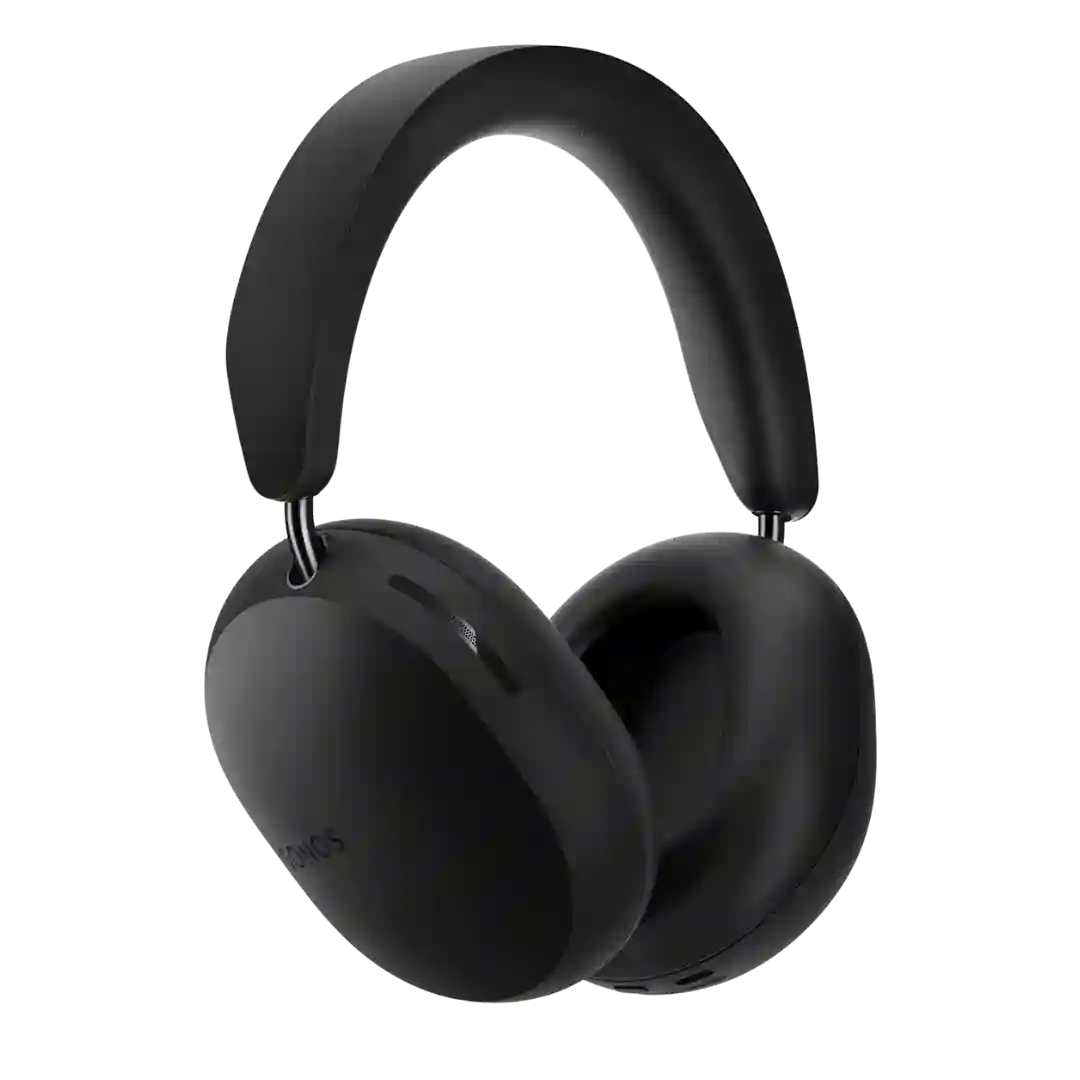
ANC is widely rated strong for travel and commuting, and multiple reviewers say firmware updates pushed it closer to class leaders. A minority still place Bose and Sony slightly ahead, but few call the Ace weak at cancelling steady noise. Most reviews describe limited user control over ANC intensity: typically on, off, or Aware mode, with some adaptive behavior added over time. If you want multiple manual levels like Bose offers, this is a common disappointment.
ANC performance is widely considered good to very good, especially for steady low-frequency noise (commutes, travel). Multiple sources still rank Sony or Bose as stronger overall, with some higher-frequency or sudden sounds bleeding through. Reviews highlight flexible ANC control via the app, including adaptive behavior and anti-wind options. The tradeoff is that some modes can reduce cancellation strength compared with a full-max setting.
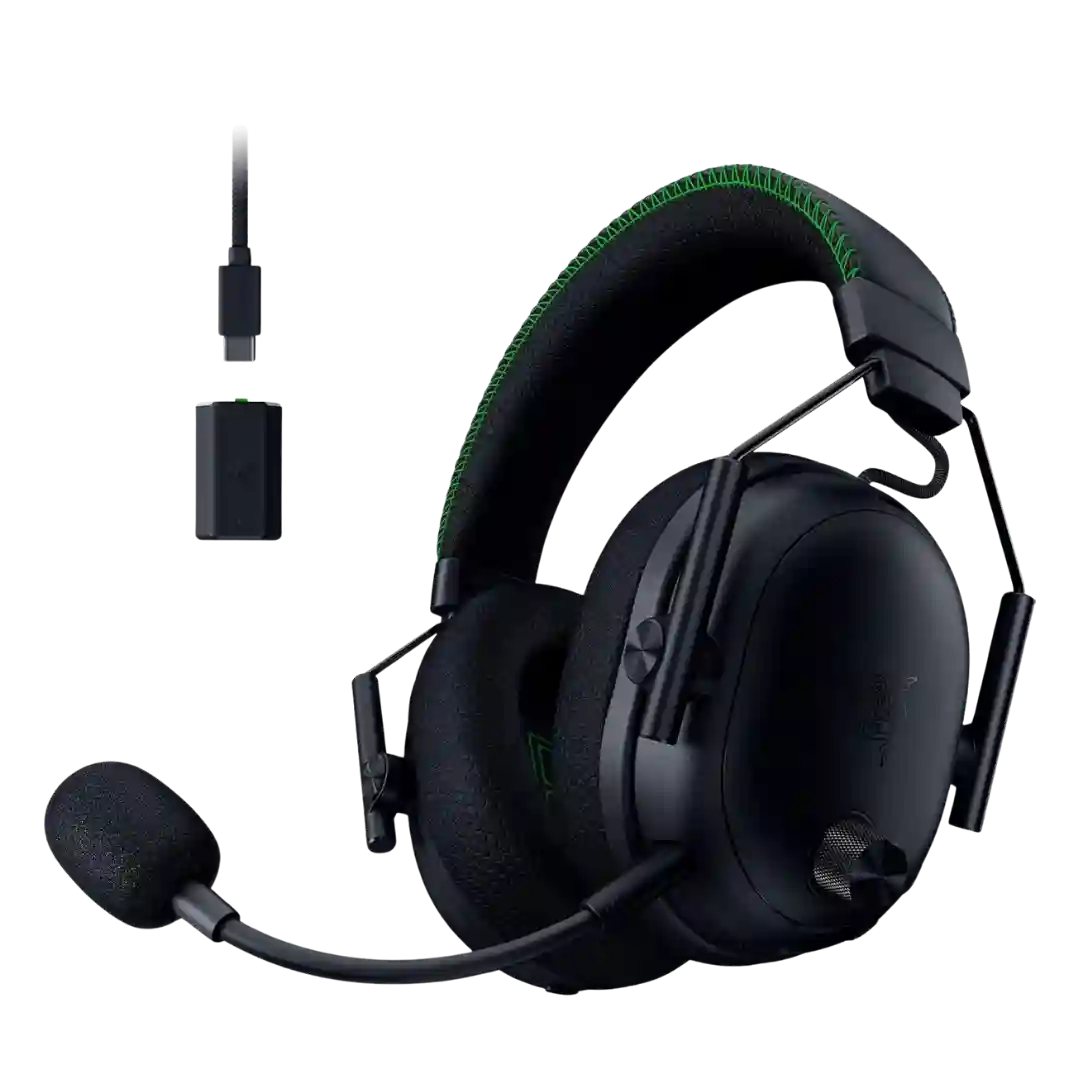
ANC effectiveness is widely viewed as a meaningful upgrade for the BlackShark line, especially for low-frequency noise like AC or transit rumble. However, multiple reviewers note it is not class-leading compared with top lifestyle ANC headphones, and fit and pad material can limit real-world performance. ANC controls are flexible, with app-based level adjustment and on-headset cycling between ANC, ambient, and off. Reviewers generally like having multiple options rather than a simple on/off implementation.
ANC is usually rated as strong and clearly improved, but not universally best-in-class; it excels more with steady noise than sudden sounds and remains behind the very top Bose, Sony, or Apple options for some listeners.
Across reviews, ANC is strong for the price, especially against steady low-frequency rumble (traffic, engines), but it is less consistent against voices and higher-frequency clatter; a few reviewers still call it merely adequate compared with premium flagships. ANC offers manual and adaptive modes plus strength presets, but several testers report little real-world difference between levels, and changing presets from the earbuds is limited; others find the adjustability useful enough to dial in.
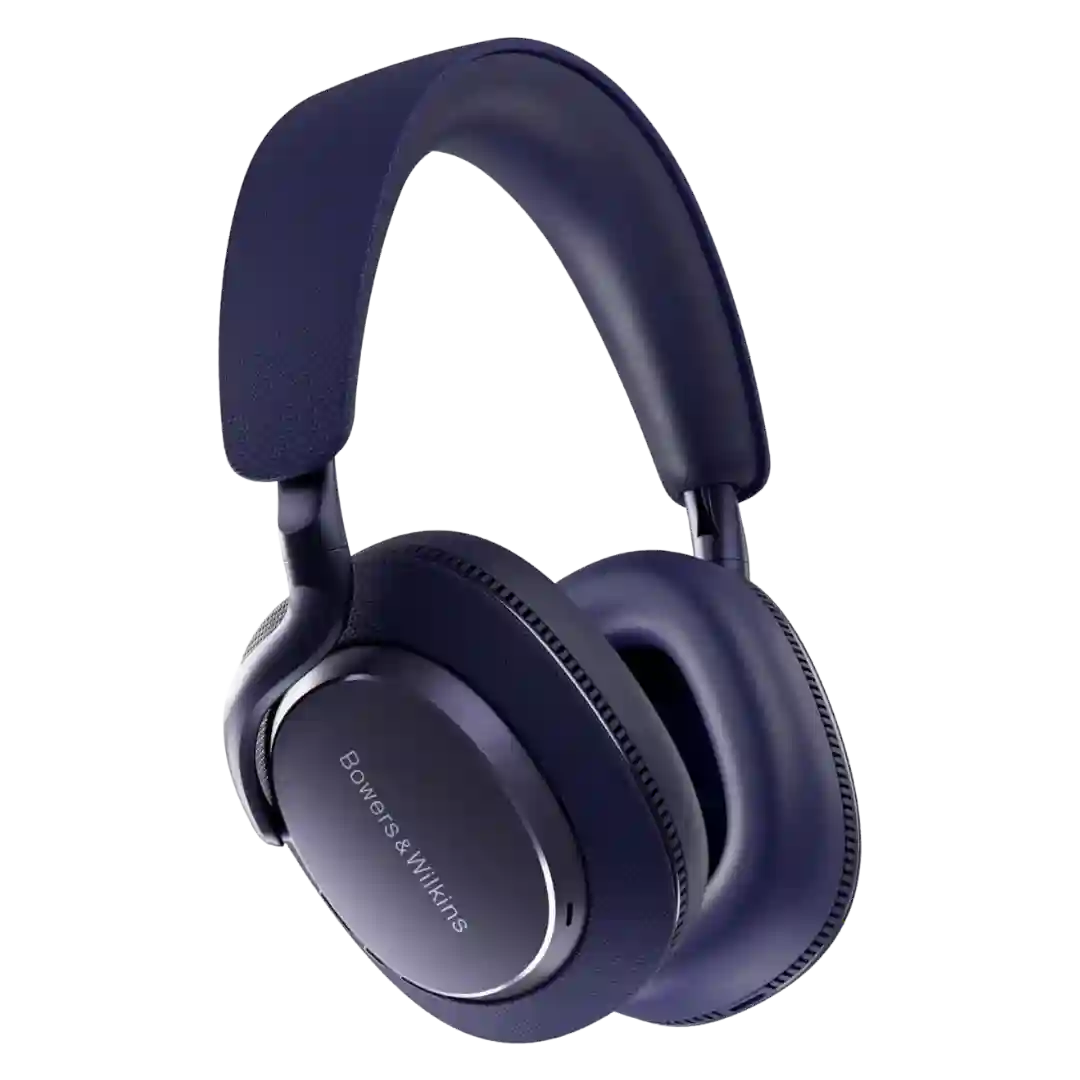
ANC is repeatedly described as a meaningful improvement for B&W and effective for commuting and travel, but many reviews still place it behind Sony and Bose at the top end. Wind and higher-frequency voices can be weak spots in some scenarios. ANC mode control is straightforward (on, off, pass-through) and can be mapped to a quick-action button in some setups. Reviewers note fewer adjustment options than Sony-style multi-mode systems.
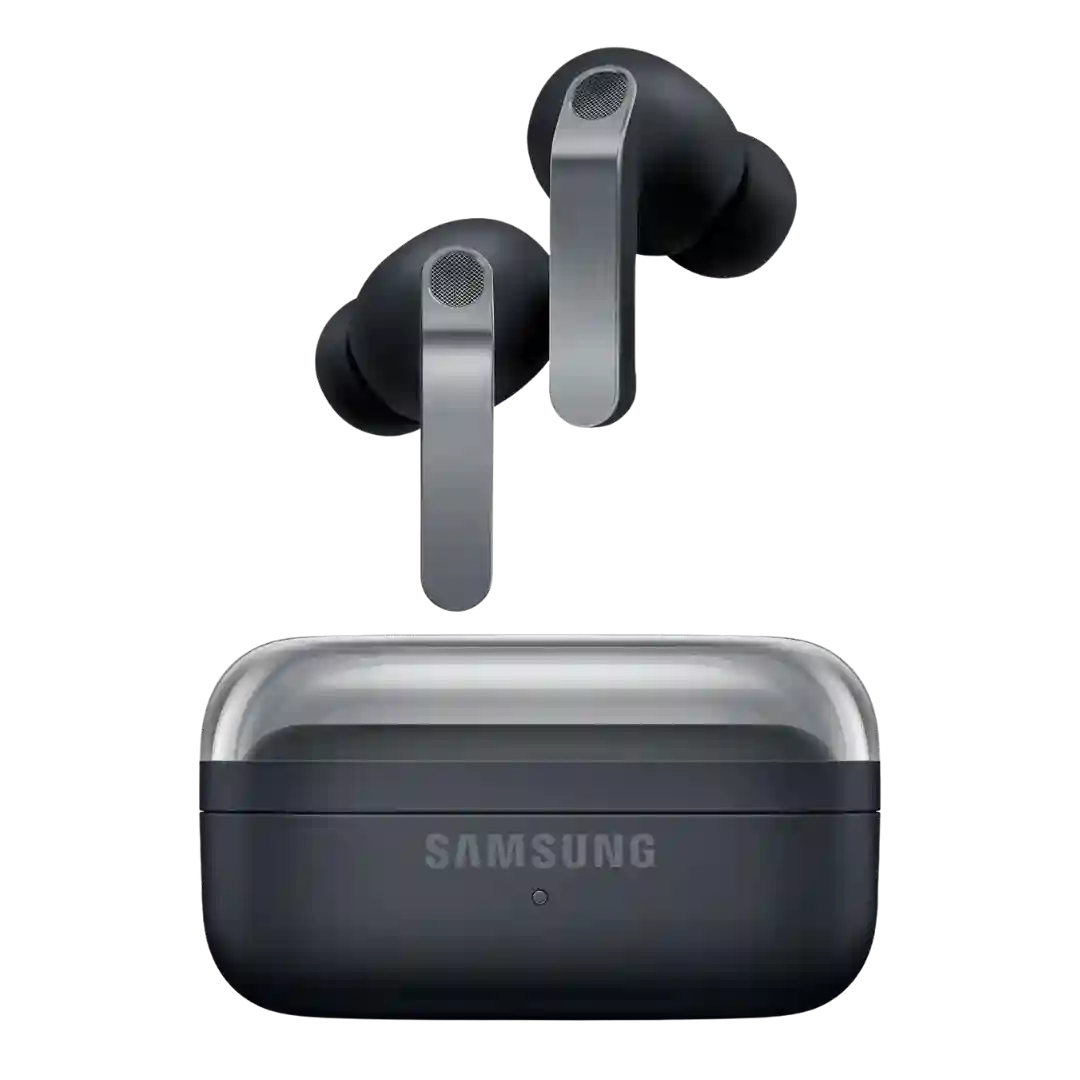
ANC is frequently described as a standout for the price and, in some reviews, competitive with or better than more expensive Samsung models. However, at least one reviewer found it only marginal in very loud subway conditions, so expectations should be tempered versus best-in-class ANC leaders. ANC and ambient intensity are described as adjustable via Samsung settings/app controls, often with multiple levels or sliders. Some note the lack of certain adaptive/conversation features found on higher-end models.
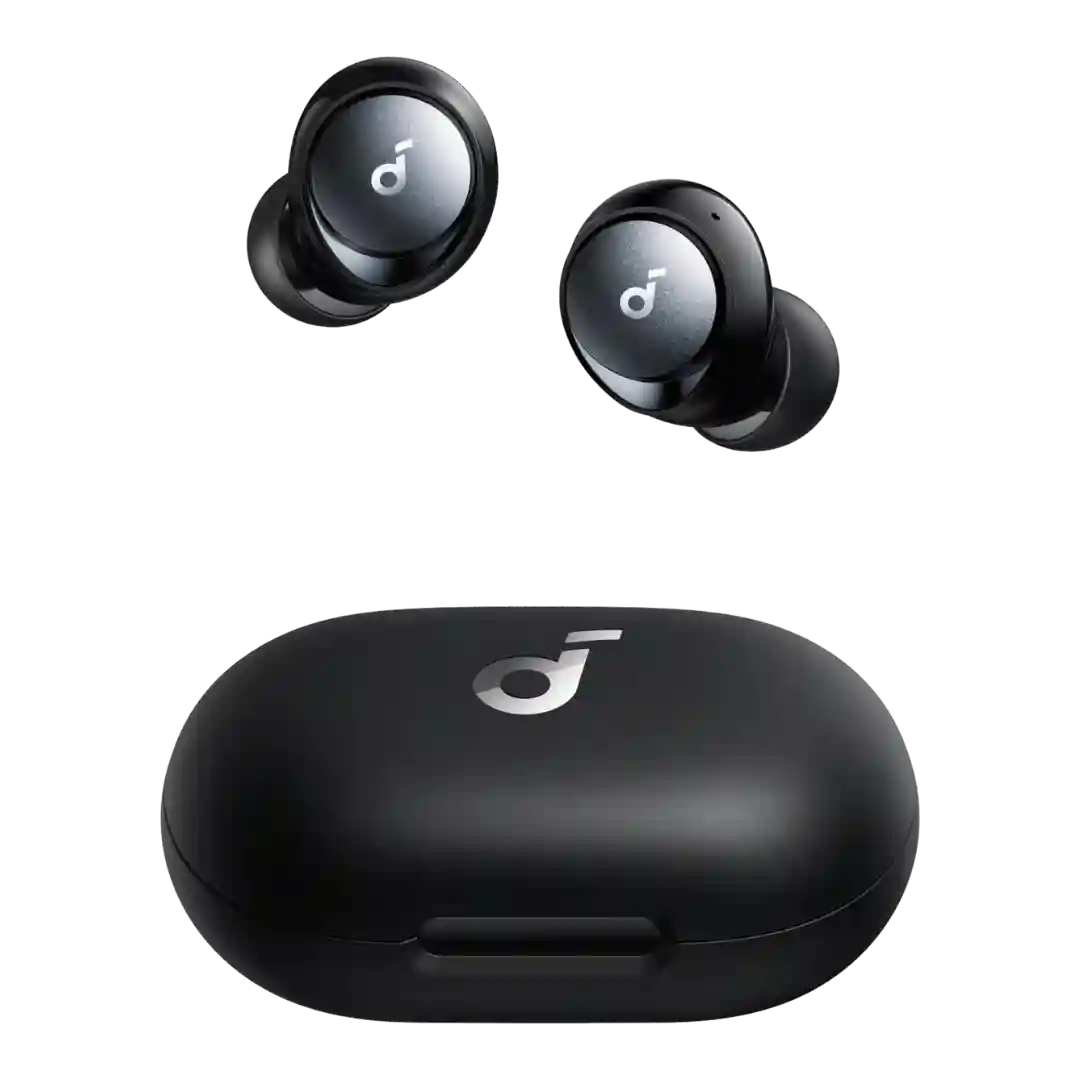
ANC is consistently rated as very good for $99: strong enough for commuting, offices, and travel, but still a step below the very best premium earbuds. The ANC controls are a plus, with multiple levels and adaptive behavior giving users more flexibility than many earbuds at this price.
Adaptive ANC is consistently praised for muting commuting hum and office noise, often competing well at its price. A few note it is less consistent on higher-pitched or sudden sounds and may trail top-tier benchmarks. Reviews describe multiple ANC and awareness options selectable in Poly Lens, but convenience varies. Some find mode switching or the number of options a little confusing or less streamlined than competitors.
ANC is good to very good and clearly improved over the original, but the consensus is that Sony and Bose still cancel more noise overall, especially in the mids. The three-mode ANC system gives useful control with Silent, Soft, and Transparency options, even though there is no true ANC-off mode.
ANC performance is polarized: several reviewers find it strong and effective, while others rate it merely average and still behind the best-in-class models, especially for certain environments. The buds offer multiple noise modes and adaptive behaviors. Some like the options, but multiple reviews describe adaptive switching as inconsistent or not clearly different from other modes.
ANC is effective for steady noises like HVAC, fans, and general room hum, and many find it meaningful for immersion. It is also commonly described as weaker than top consumer ANC headphones and may vary with fit, comfort, or long-term wear. You can toggle ANC and often adjust transparency, but control over ANC strength itself is limited in some reports. Overall, adjustability is seen as useful but not as granular as premium travel headphones.
ANC effectiveness is mixed across sources: some call it very good and close to leaders, while others measure it as clearly behind top Bose and Sony options, especially for tougher noise scenarios. ANC adjustability is widely praised thanks to sliders, adaptive behavior, and app-driven profiles and zones that let you tune isolation versus awareness.
ANC is generally rated as strong for the price and improved versus the original P100 in several comparisons, but most reviewers still stop short of calling it class-leading versus Sony or Bose. Reviewers note multiple ANC strength levels plus quick switching via button/app, making it easy to tailor noise reduction to the environment.
ANC effectiveness is usually rated good but not class-leading; it can handle commute rumble well, yet several reviewers say Sony/Bose options suppress more, especially in the upper ranges. Noise cancelling and awareness modes are often limited in fine control, with some reviews noting on/off style behavior and few intensity tweaks compared with competitors.
ANC is generally rated as strong for the price and especially helpful against low-frequency hum/rumble, but it is not consistently described as flagship-grade and can let in some noise (notably on flights or distant traffic). Some reviews highlight granular ambient/ANC controls in the app and adaptive behaviors, while others focus on simple mode toggling. Overall adjustability is viewed as good for the price.
ANC is consistently viewed as strong for the price and great for steady, low-frequency noise, but it can struggle more with sharp or high-frequency sounds and is not the top tier of noise canceling. Noise control is typically simple (ANC on/off plus transparency) with limited advanced or adaptive tuning compared with premium models.
ANC is broadly considered strong for the price and effective for travel/commuting, but it is usually ranked a step behind the best from Sony/Bose/Apple, especially for voices or tougher scenarios. Noise control modes and adjustability are a highlight: reviews repeatedly mention multiple ANC levels/adaptive behavior and the ability to map controls to switch modes.
ANC performance is generally rated good to very good, especially for low-frequency rumble, but usually a step behind the strongest Sony/Bose/Apple implementations. A minority of takes place it closer to the leaders, while others call it only average for the price. ANC is highly adjustable through the app, with adaptive and manual control plus optional wind-related processing, making it easy to tune for different environments.
ANC performance is considered effective for commuting and travel but not the category leader, and several reviews mention occasional artifacts or movement-related issues in certain situations. Reviews consistently note multiple ANC levels plus a transparency option, with controls available via button and the companion app.
ANC performance is generally considered strong for commuting and office use, especially against low-frequency rumble, but not the category leader. Multiple reviews note more leakage of voices or higher tones than Sony or Bose flagships, and some report audible hiss with ANC engaged. Noise control is mostly presented as mode-based rather than fine-grained, typically toggling between ANC, transparency, and sometimes off. Several reviewers wish for adjustable strength or a transparency intensity slider.
ANC performance ranges from solid to near-flagship when the seal is good, often compared favorably with AirPods Pro 2, but it is less convincing against voices and wind and generally trails the very best from Bose and Sony.
ANC is broadly described as effective for reducing low rumbles and general ambient noise, but it is not considered class-leading compared with flagship Bose, Sony, or Apple models; some mention susceptibility to wind noise. Noise cancellation adjustability is limited to onboard mode switching in most coverage, with some sources noting multiple ANC modes, but no fine tuning via app.
ANC is consistently described as solid to above average and improved versus the prior model, but most sources still place it behind top-tier Bose or Sony performance. You can adjust ANC strength in the app and set how the ANC button cycles modes; the common complaint is the lack of true adaptive ANC that auto-adjusts for you.
ANC performance is good for the price but not unanimous: several reviews call it strong in Max/Smart modes, while others describe it as average or clearly behind key rivals. Expect solid low-frequency reduction, with more variance on mid/high chatter and wind. Most reviewers note multiple ANC strength options (Mild/Moderate/Max plus Smart/adaptive). Smart can be handy, but lower settings may feel much weaker than Max and the adaptive shifts are not always obvious.
ANC performance is good for the price but inconsistent: it can handle commuting and steady background noise well, yet frequent flyers note it falls short against top-tier models on airplane engine rumble. Noise control is highly adjustable in the app, with adaptive and scenario-based modes plus multiple levels, though button toggling can be less direct than app control.
Active noise cancellation is strong for the price and especially helpful for mid/high-frequency noise, but multiple reviews say it struggles with low-frequency rumble (subways/planes) and will not match premium ANC headsets. Noise control is adjustable via modes (ANC/off/Be Aware) and in-app intensity sliders, letting you dial in how much cancellation or pass-through you want.
ANC is widely viewed as strong for the category, but wind performance is a recurring weakness in several reviews and some listeners notice a faint hiss in very quiet rooms. Mode switching is straightforward, but several reviewers want finer ANC intensity controls and better ways to access wind-related settings without opening the app.