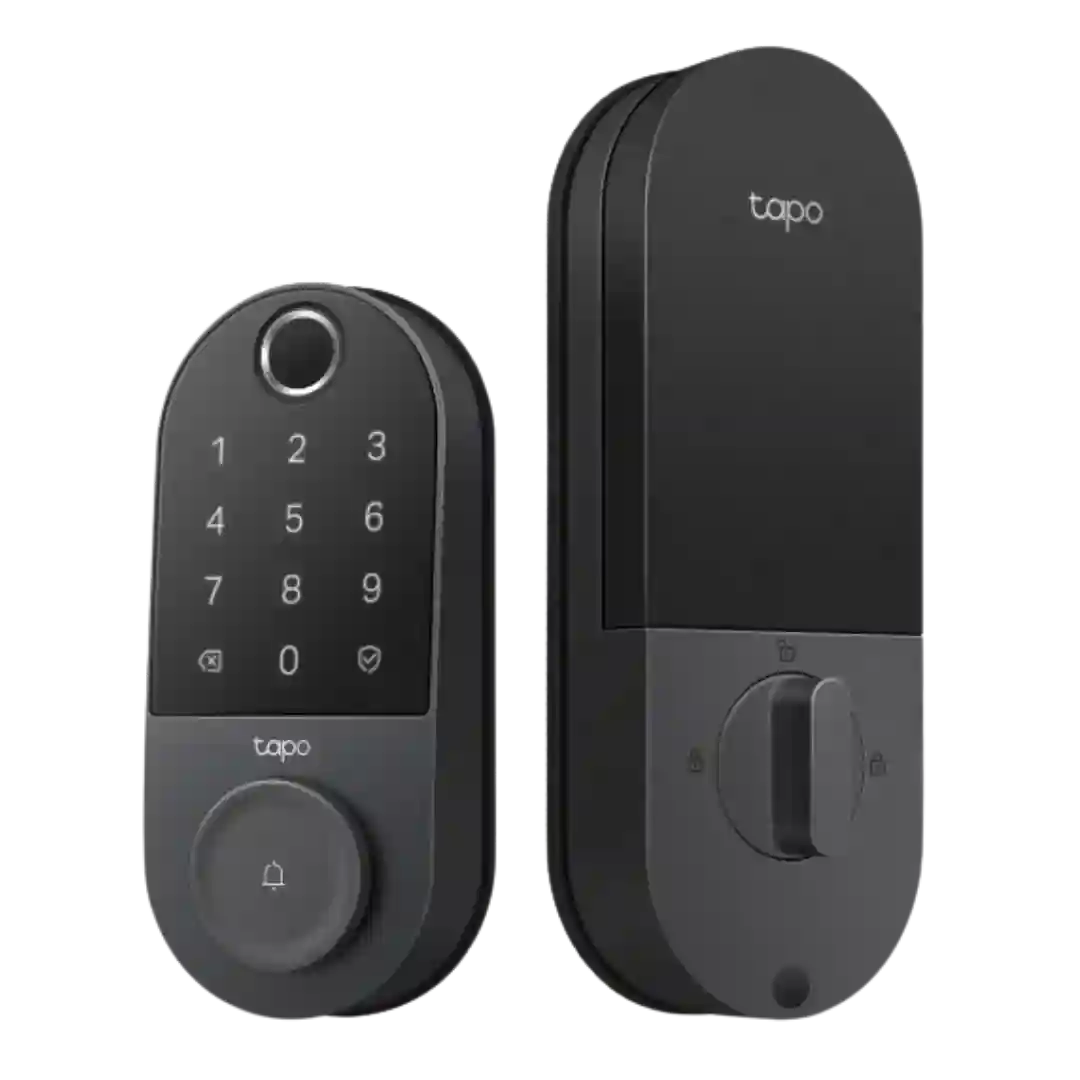
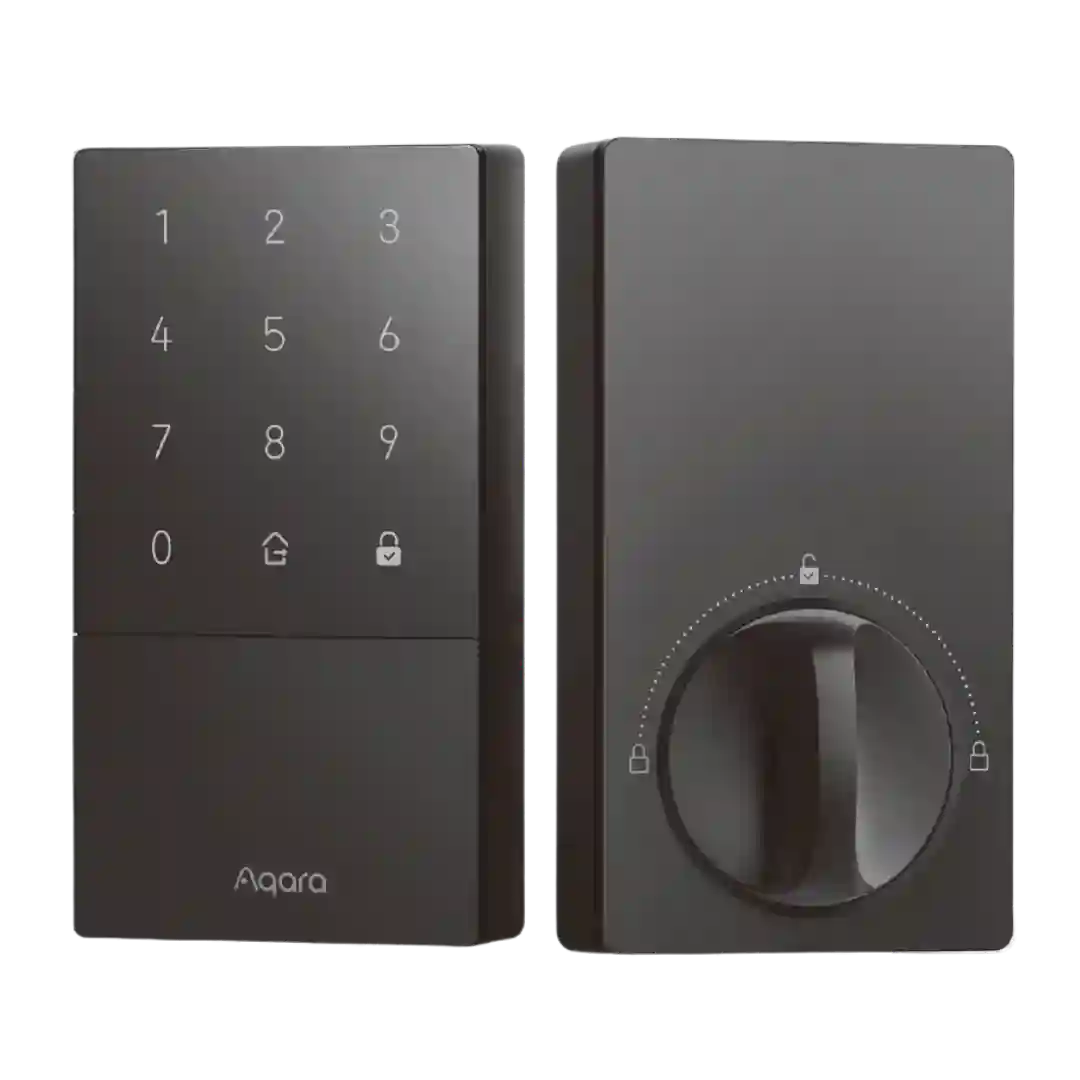
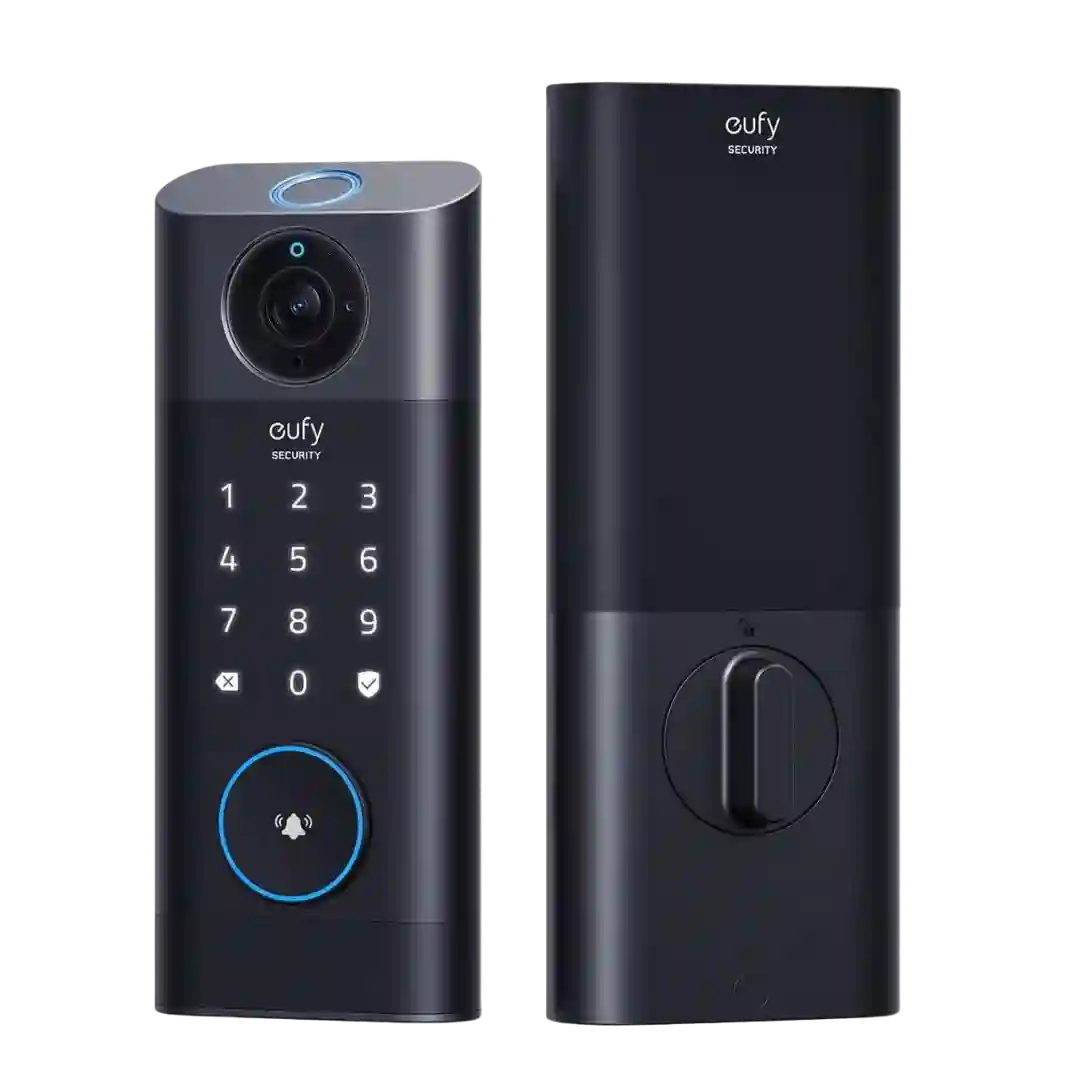
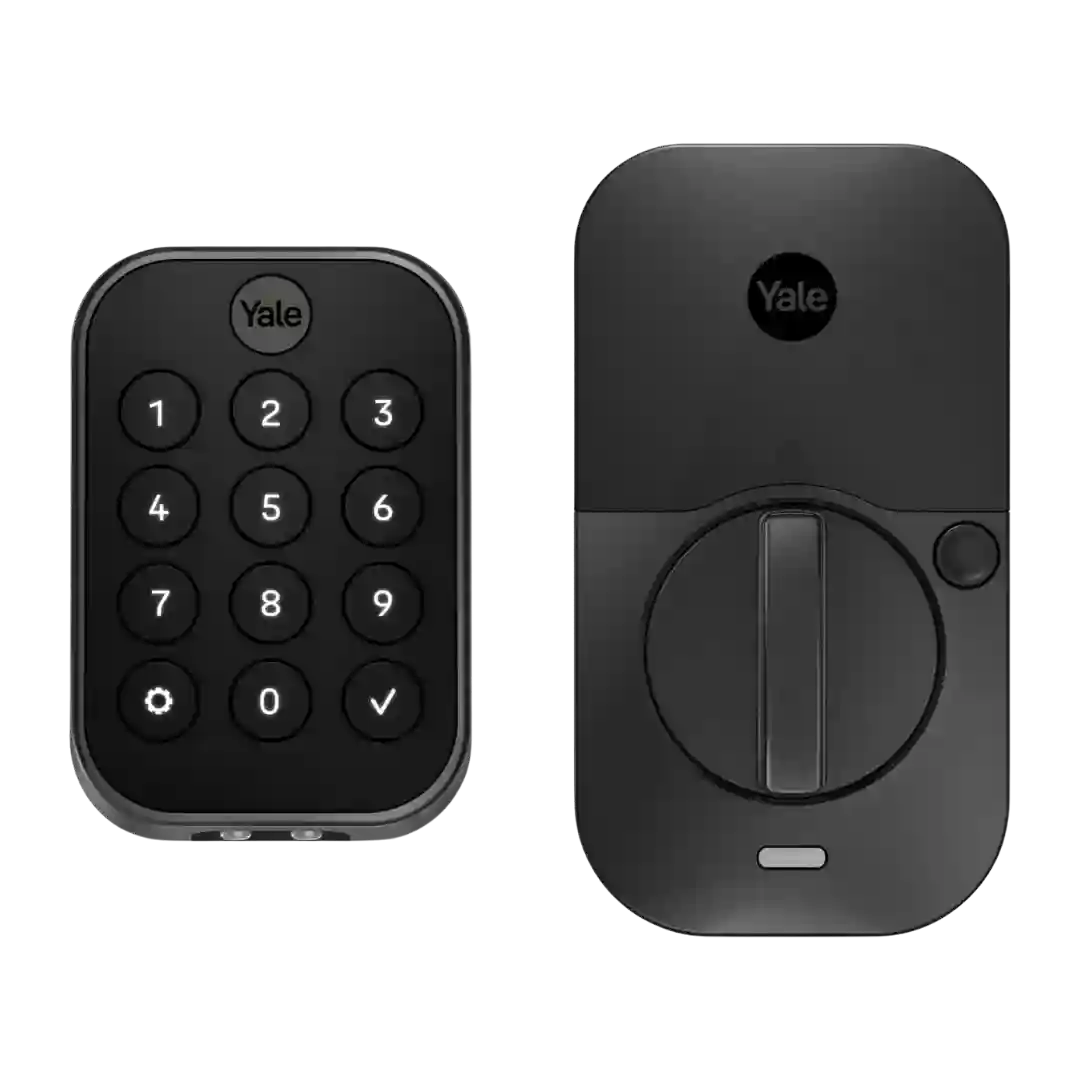
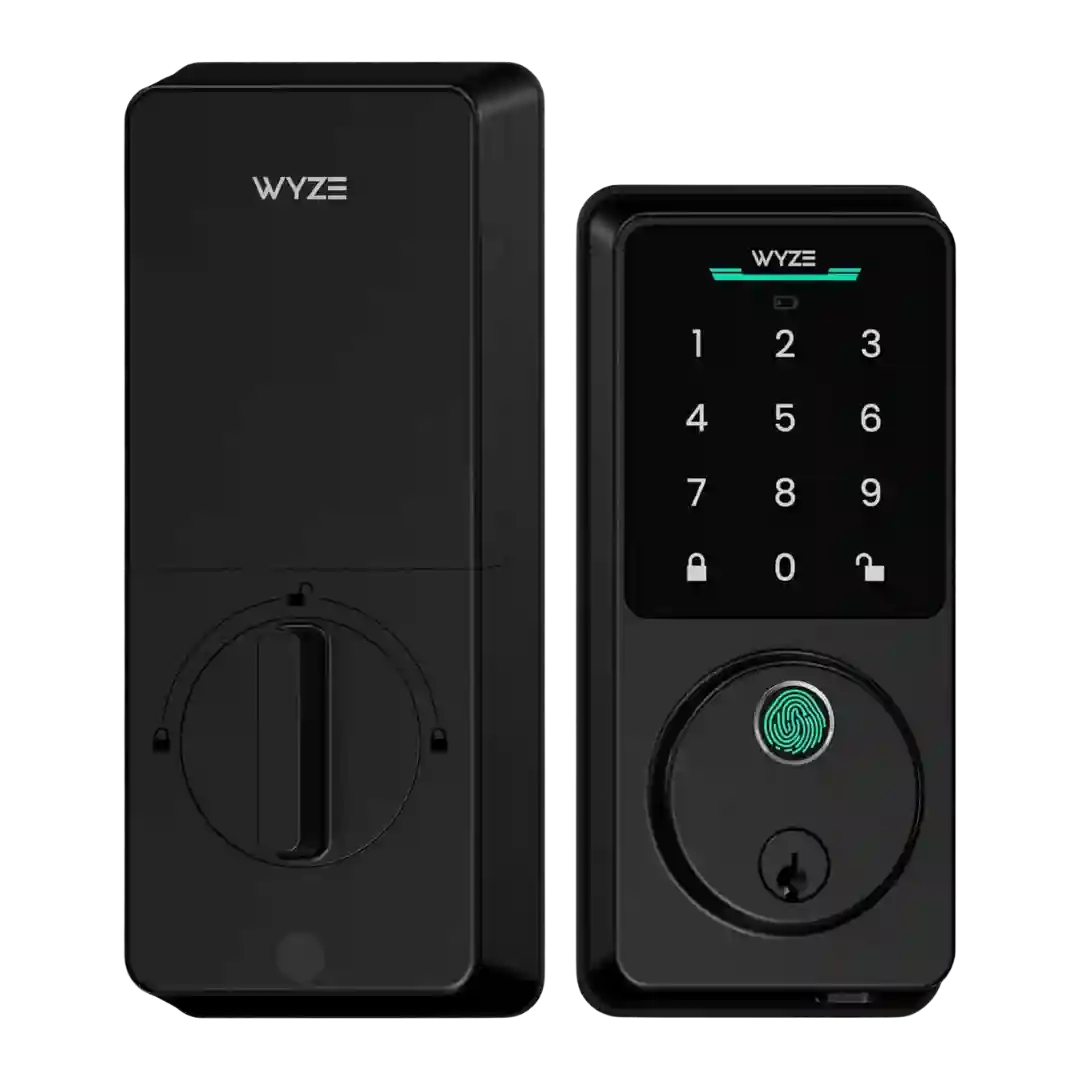
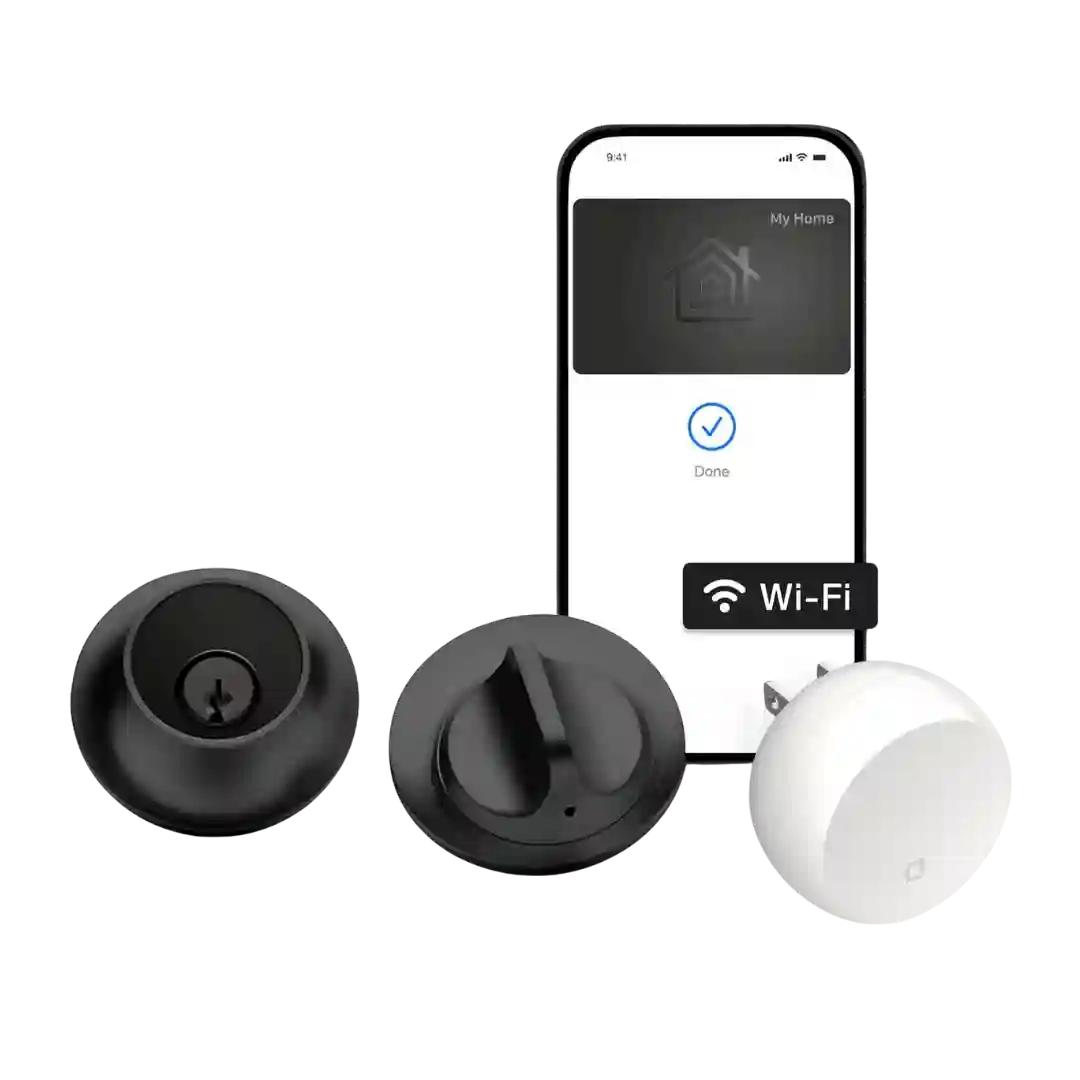
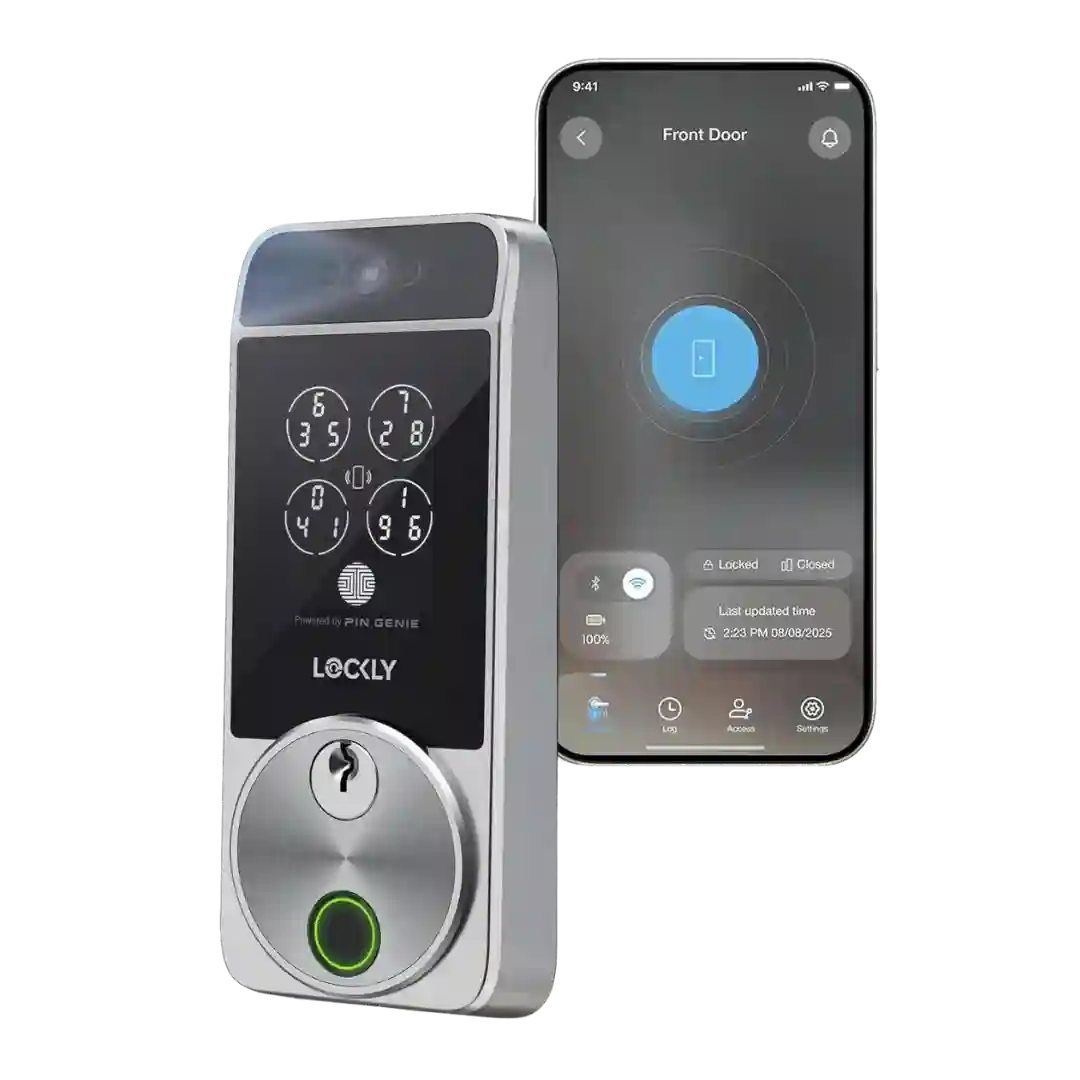
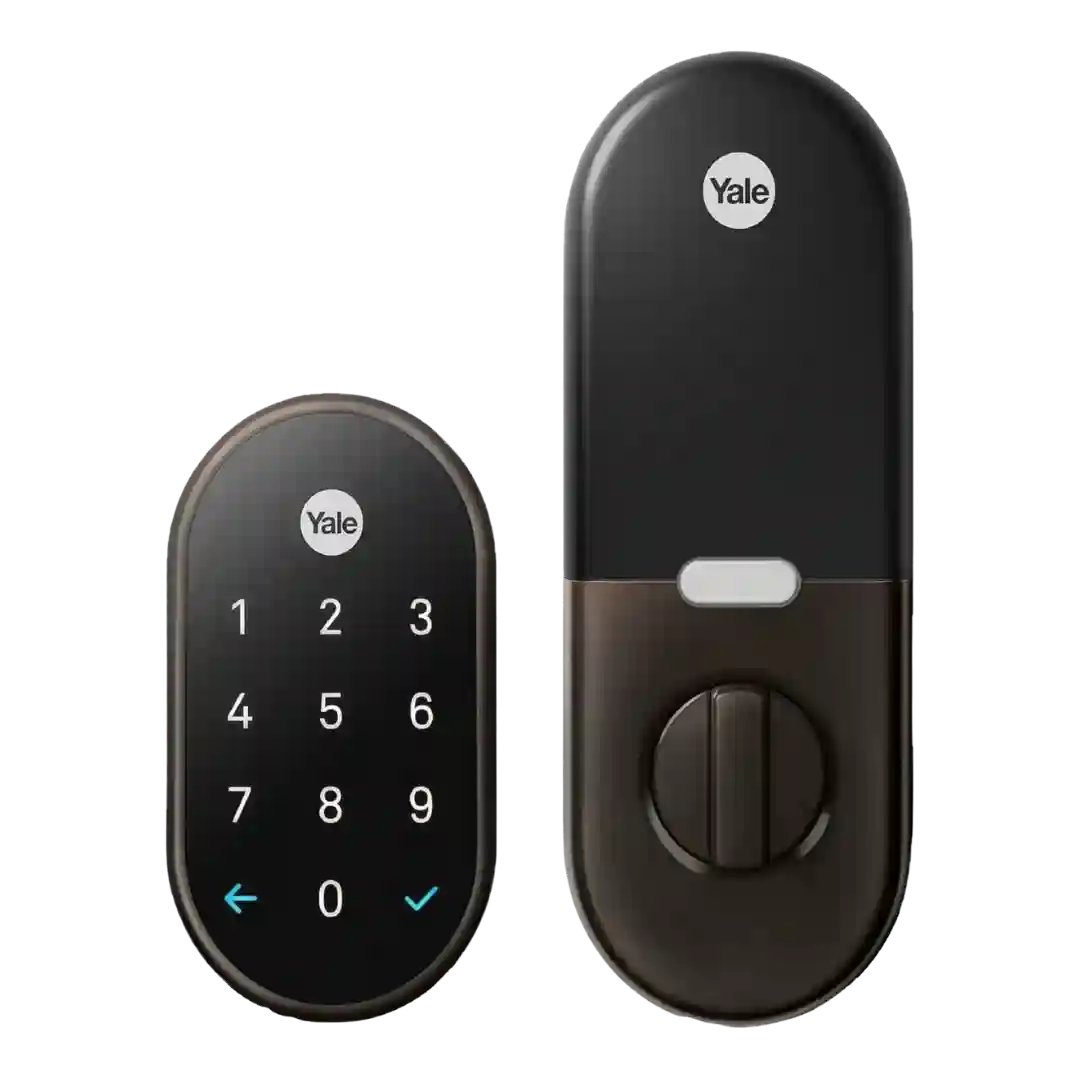
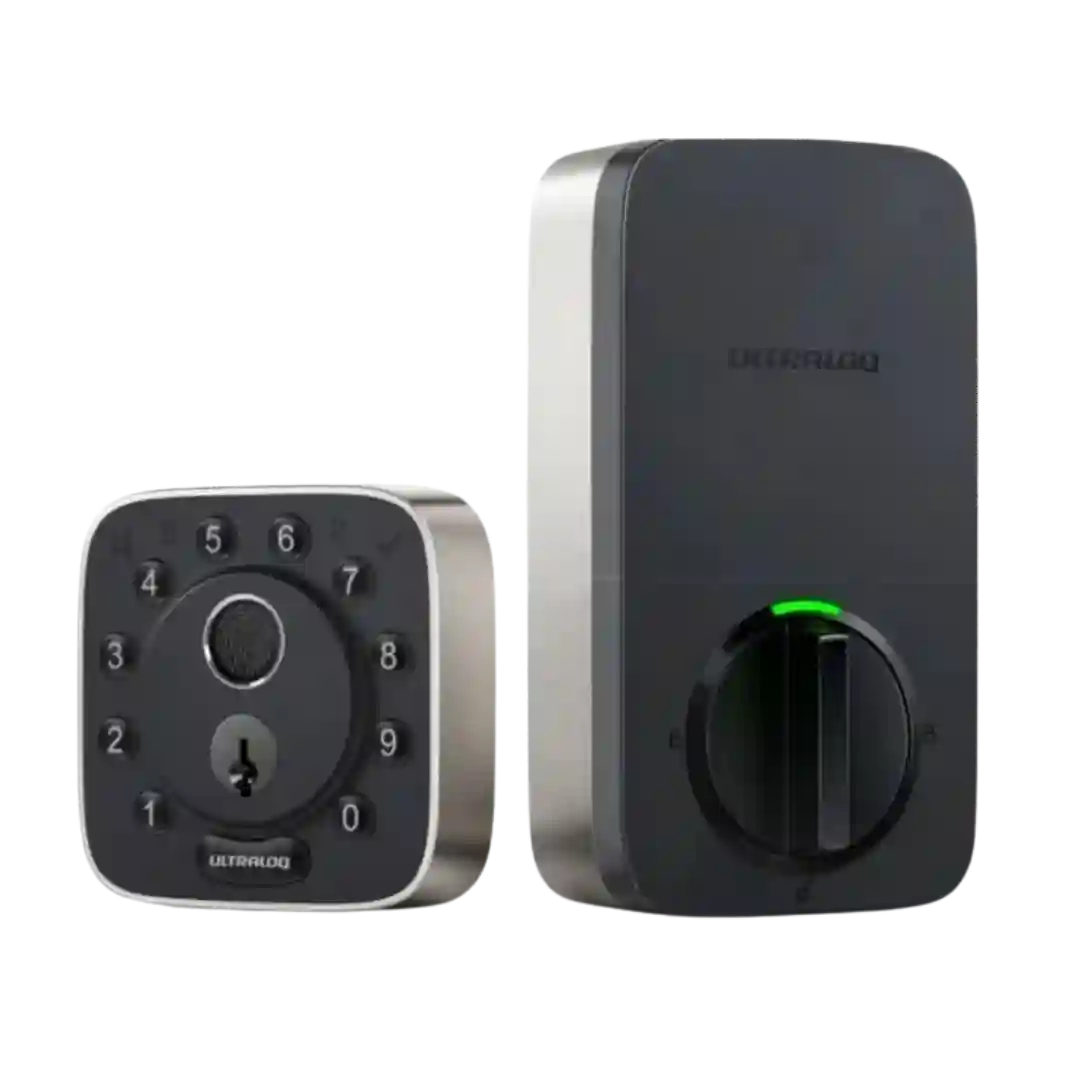
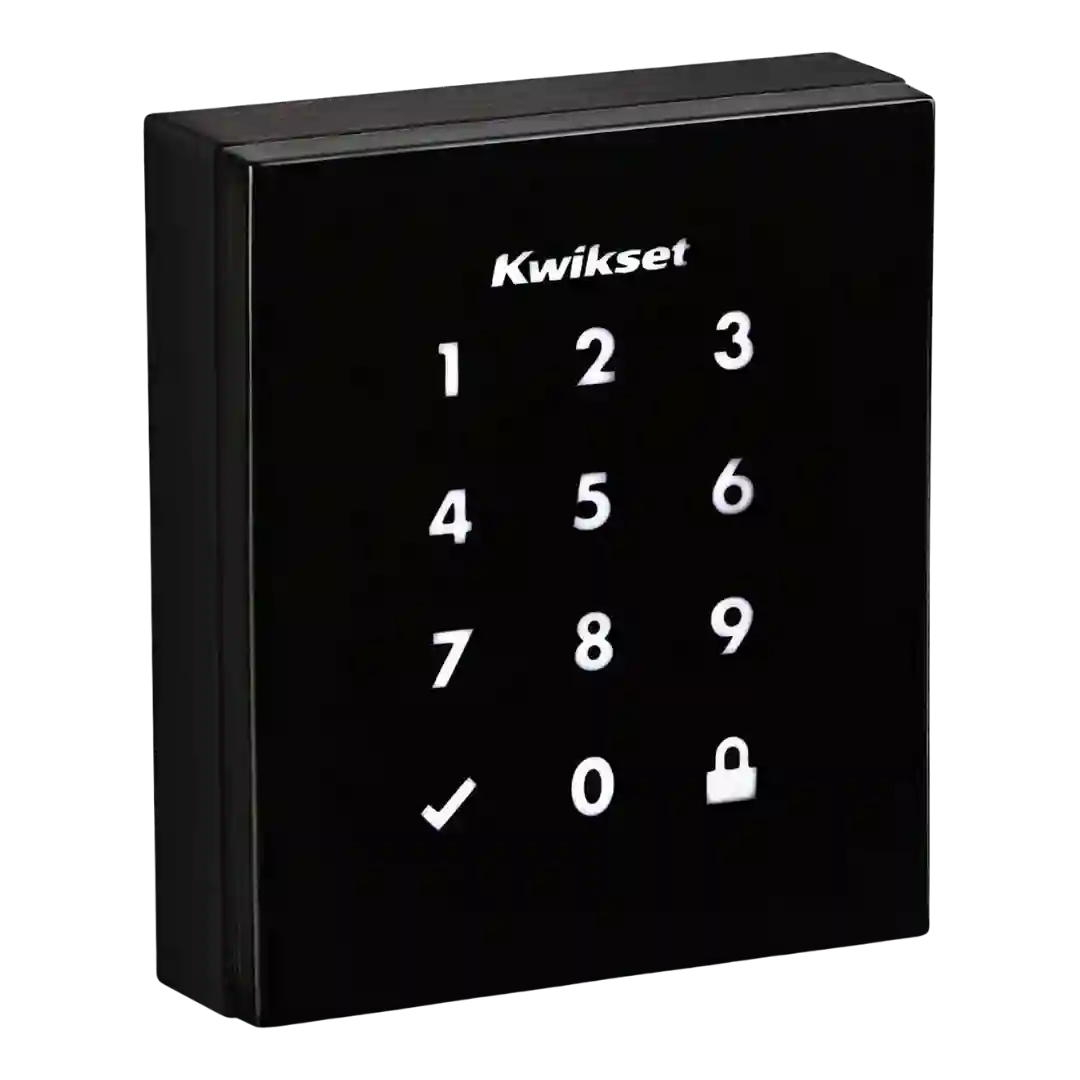
The motor is often described as powerful with high torque and fast actuation, helping the deadbolt throw confidently. Proper alignment is still important to avoid binding on the strike.
Motor strength is generally praised for handling stiff deadbolts and certain complex door systems, with a smoother/quieter action than prior models. Some reviewers warn that quieter/slow modes can reduce available torque on sticky locks, potentially affecting reliability in edge cases.
Limited direct commentary suggests the motor is reasonably quick and quiet, but this is not as heavily discussed as fingerprint speed or battery drain.
Multiple reviews call out the interior controls that can drive the deadbolt motor (in addition to a manual thumbturn), which can be helpful for users who prefer a push-button action.
Motor strength is praised in multiple reviews, including notes that it does not struggle to throw the deadbolt where other locks have. Day-to-day actuation is often described as smooth and reasonably quiet.
Motor operation is usually described as smooth and quiet. A slight whir is mentioned in one review, and several point out that door friction or resistance can increase strain and noise.
Motor behavior is often described as quieter and more refined than many budget locks. One expert review notes the motor may retry repeatedly when the bolt meets resistance (often tied to alignment/calibration).
The motor is sensitive to resistance: if the deadbolt/strike alignment is off, reviewers warned the motor may struggle or fail to complete a lock cycle. With good alignment, long-term users reported stable performance.
The motor action is typically described as smooth and sometimes quiet, with configurable sounds/volume; a few users like the audible confirmation, while others prefer quieter operation.
The internal motorized chassis is praised for its clean, hidden design, but it is sensitive to resistance from door alignment. When the door throws smoothly it performs well; binding can trigger jams or slower operation.
Several reviews describe the motor action as smooth and relatively quiet, with one calling it among the quietest tested. A few note the lock can be noisy with chimes or tones depending on volume settings.
Motor strength and reliability are praised for handling slight door misalignment, but multiple reviewers complain the motor can be loud or grinding, especially from the interior side.
The motor is often described as smooth and fast, but a couple of reviewers note it can be louder than some competing locks. Most still consider the sound level acceptable, and the faster action is often seen as a worthwhile tradeoff.
Several reviews describe the motor as quiet and pleasant in operation, but others call it comparatively weak and prone to struggling if the deadbolt is sticky or the door/strike plate alignment is off.
Motor behavior is polarizing: some reviewers do not call out noise at all, while others describe the motor as grinding, whining, or too loud for regular home use. This appears to vary by version and subjective tolerance.